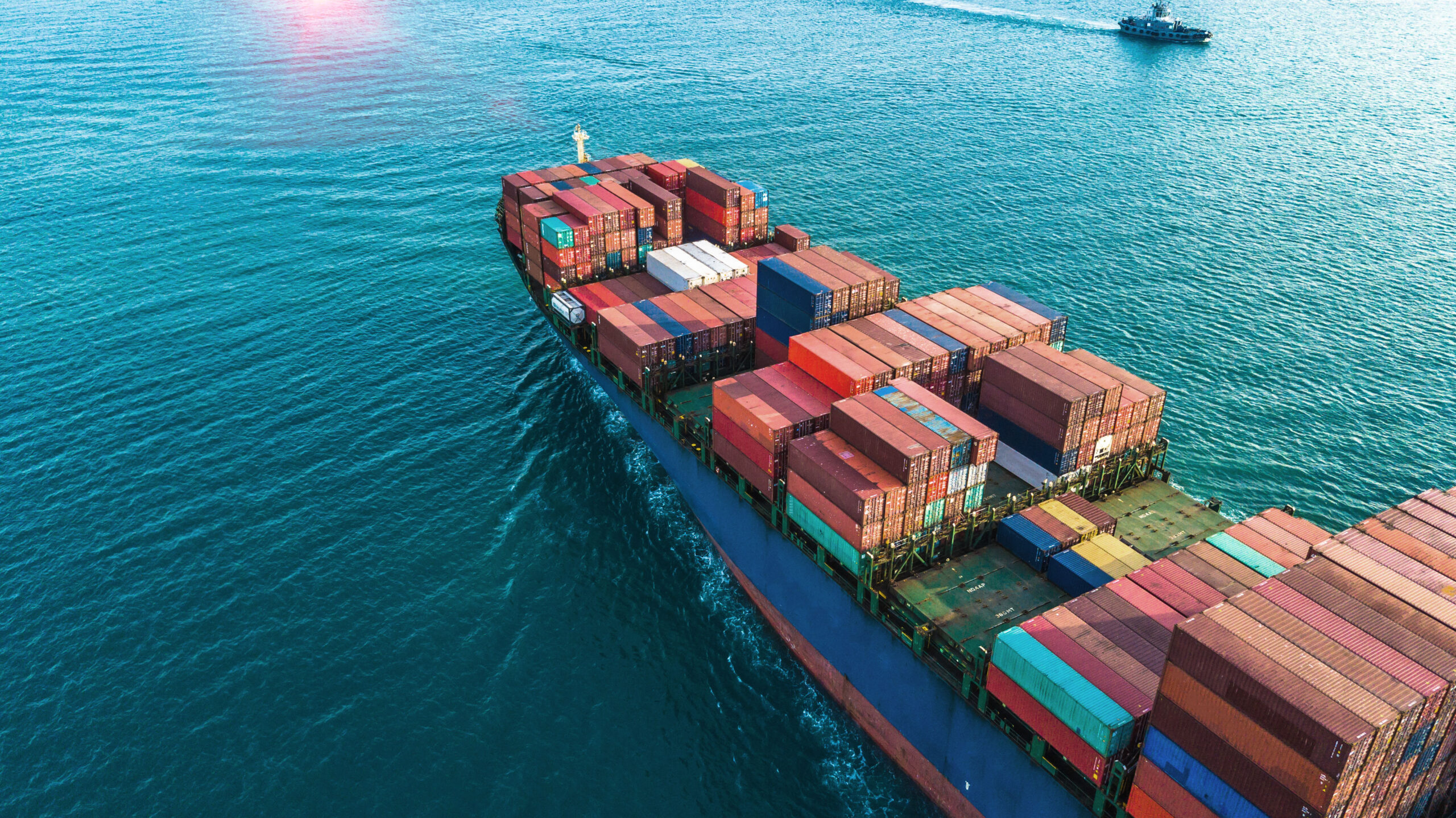
Shipping goods from China to Brazil demands expert logistics management, in-depth customs knowledge, and a clear understanding of regional trade requirements. Alichina Freight offers comprehensive shipping solutions tailored to Brazil, backed by our extensive expertise in local regulations, port procedures, and transportation networks. Our team handles every aspect with precision—from documentation and route planning to cargo protection and packaging—ensuring seamless freight movement.
With competitive pricing, transparent updates, and full end-to-end coordination, we manage your shipment from factory pickup to final delivery in São Paulo, Rio de Janeiro, or any location across Brazil. Trust us to simplify the process, avoid delays, and ensure your cargo arrives safely and efficiently.
Alichina Freight provides dependable sea freight services from China to Brazil, offering both LCL and FCL options to key ports such as Santos and Rio de Janeiro. Our experienced logistics team takes care of all customs documentation, container loading, shipping coordination, and optimized routing, ensuring your cargo is fully protected throughout its journey. With consistent sailing schedules and competitive rates, we ensure your goods arrive in Brazil smoothly, typically within 30–40 days.
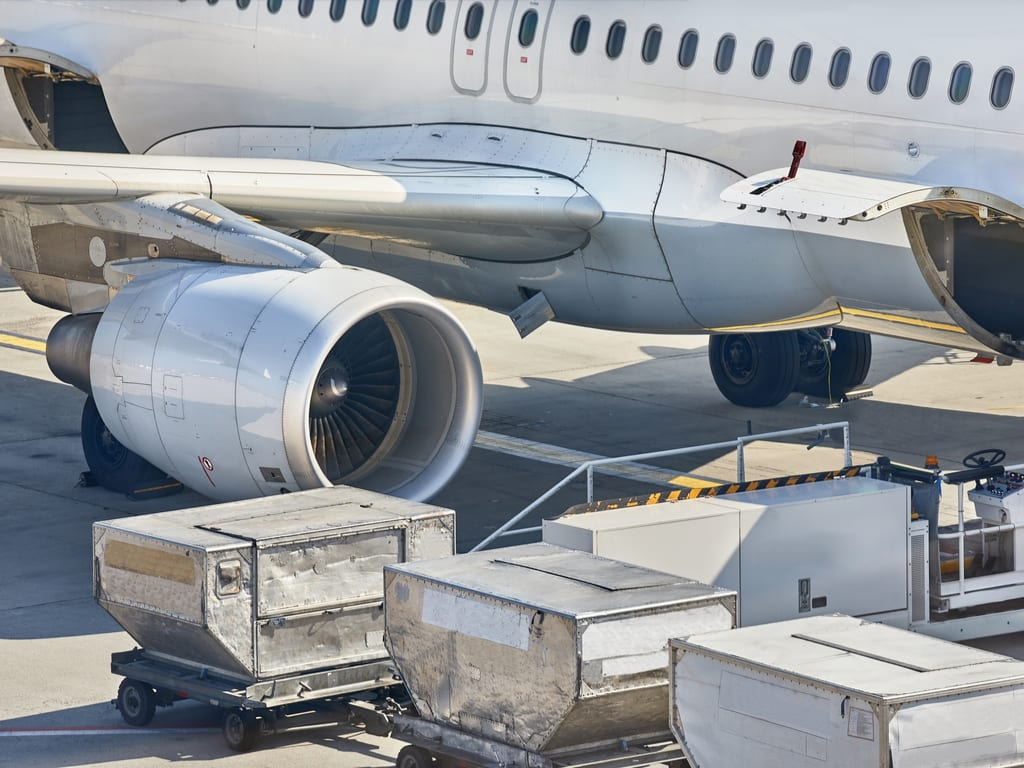
Choose Alichina Freight for fast and secure air freight services from China to Brazil. With regular flights to São Paulo, Rio de Janeiro, and other major cities, we handle urgent shipments with transit times as short as 7–10 days. Our services also include temperature-controlled handling for sensitive goods like pharmaceuticals, electronics, and high-value cargo, ensuring that each shipment receives expert care and attention from pickup to final delivery.

Alichina Freight provides comprehensive door-to-door logistics solutions from China to Brazil, managing every step from supplier pickup and export procedures to international transport, customs clearance, and final delivery. Whether your cargo is headed to cities like Brasília, Salvador, or other regions, our seamless service ensures smooth handling, transparent coordination, competitive rates, and real-time tracking throughout the entire journey.

Alichina Freight offers premium FCL (Full Container Load) shipping services from China to Brazil, ensuring the secure and efficient transport of your cargo. With a focus on smooth coordination, optimized container management, and stringent safety protocols, we protect your goods throughout the entire journey. Our team takes care of all logistics aspects— from customs procedures and international transport to precise documentation—guaranteeing a hassle-free shipping experience. With reliable schedules, competitive rates, and seamless connectivity, Alichina Freight is your trusted partner for on-time delivery and global trade success from China to Brazil.
Alichina Freight provides reliable and cost-effective LCL (Less than Container Load) shipping services from China to Brazil, ideal for shipments of all sizes. Our robust consolidation network allows us to optimize container space, reducing overall logistics costs and ensuring efficient transportation. From cargo pickup and consolidation to customs clearance and final delivery, our specialists manage each step with precision and transparency. Focused on accuracy, reliability, and customer satisfaction, Alichina Freight ensures smooth, timely LCL shipping to Brazil. Trust our expert team for optimized transit, consistent service, and dependable global partnerships.
Alichina Freight will provide most fuel efficient pickup service China
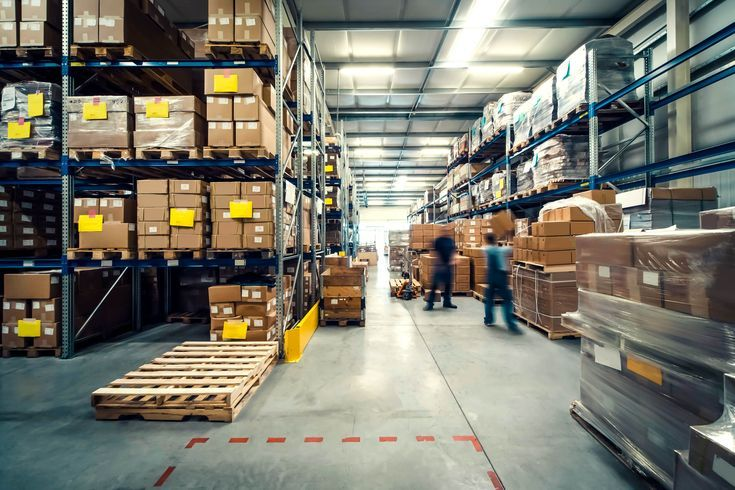
We provide free warehousing services for any of your goods.
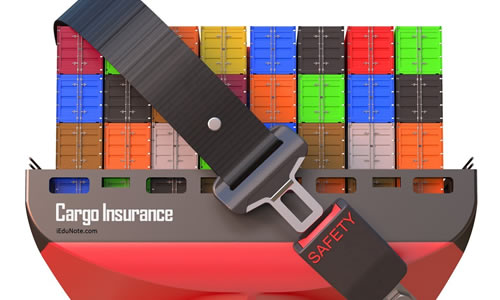
The cargo insurance protects your goods all the way to any Any FBA Warehouse

We handle all paperwork and other details for you.
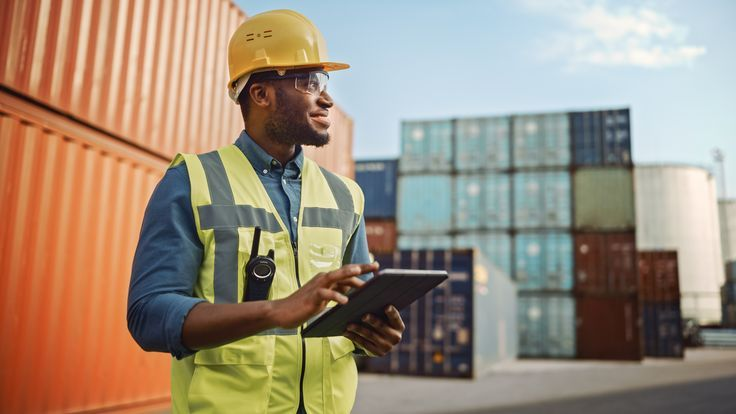
Ensure safe packaging and loading of goods in your suppliers' factory.
Air freight from China to Brazil usually takes between 7 and 15 days. This includes the time required for customs clearance, flight duration, and transportation to the final destination. Air freight is significantly faster than sea freight, which can be beneficial for time-sensitive shipments.
Sea freight from China to Brazil typically takes around 30 to 45 days. This time frame accounts for the entire journey, including loading and unloading, and potential delays. Sea freight is more economical but slower compared to air freight.
Opt for LCL (Less-than-Container Load) sea freight for small batches, leverage freight forwarders’ bulk discounts, and avoid peak seasons (November–December).
Yes, shipping times can be expedited using express air freight services. These services prioritize speed, potentially reducing delivery times to as little as 7 to 10 days, but they come at a higher cost compared to standard shipping options.
Necessary documents include commercial invoice, packing list, bill of lading, Certificate of Origin (Form E), import license (RNE), and ANATEL certification for electronics.
Major ports in China for shipping to Brazil include Shanghai, Shenzhen, and Ningbo. In Brazil, key ports include Santos, Rio de Janeiro, and Itajaí. The choice of port can impact the overall shipping time and cost.
Taxes depend on HS code (average 10–35%). Check rates via SECEX’s official website before shipping.
When deciding between air and sea freight, consider factors such as urgency, cost, and shipment size. Air freight is faster but more expensive, while sea freight is more economical but slower. Your decision will depend on your specific shipping needs.
Ensure accurate NCM codes, use DDP (Delivered Duty Paid) shipping (freight forwarder handles taxes), and choose forwarders experienced in Brazil’s complex clearance process.
Track your cargo using your freight forwarder’s online portal, B/L (Bill of Lading) number, or blockchain tracking tools for real-time updates. Most providers offer 24/7 visibility from factory pickup to delivery in Brazil.
Operations deal with the way the vehicles are operated, and the procedures set for this purpose, and policies. In the transport industry, operat ions and ownership of infrastructure can be either country.