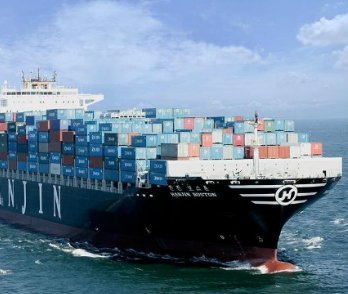
Many of our customers are based in Guinea-Bissau, making it an increasingly important market within our West Africa logistics network. Alichina Freight has secured long-term contract rates with major carriers like COSCO, OOCL, APL, EMC, MSK, and HMM. These strong partnerships enable us to provide highly competitive freight rates for shipments from China to key ports in Guinea-Bissau, including the Port of Bissau.
With Alichina Freight as your logistics partner, shipping goods from China to Guinea-Bissau is straightforward and stress-free. Simply entrust your cargo to us, and our experienced team will handle everything—from supplier pickup and export documentation to customs clearance and final delivery. We are committed to being your most reliable freight forwarder from China to Guinea-Bissau.
Request a better quote today and enjoy seamless, efficient, and dependable shipping solutions.
Alichina Freight offers reliable and cost-effective sea freight services from China to Guinea-Bissau, primarily through the Port of Bissau. We provide flexible FCL and LCL options for a wide range of cargo, including machinery, construction materials, agricultural goods, electronics, textiles, and commercial items. Our team expertly handles export documentation, container management, ocean freight coordination, and customs support, ensuring smooth and dependable transport from China to West Africa.
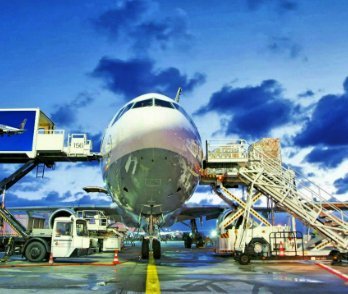
For urgent shipments, Alichina Freight offers efficient air freight solutions via connecting airports such as Dakar (Senegal) or Lisbon (Portugal), with final delivery to Guinea-Bissau. Typical transit times range from 4 to 10 days, depending on the routing. We manage booking, export clearance, customs documentation, and last-mile delivery—making our service ideal for pharmaceuticals, electronics, samples, and high-value goods.

Our door-to-door service provides a seamless logistics experience from China to Guinea-Bissau. Alichina Freight takes care of every step: supplier pickup, export declaration, sea/air transport, customs clearance, and final delivery to homes, offices, retail shops, and warehouses across Bissau and surrounding areas. This end-to-end solution guarantees maximum convenience and peace of mind.
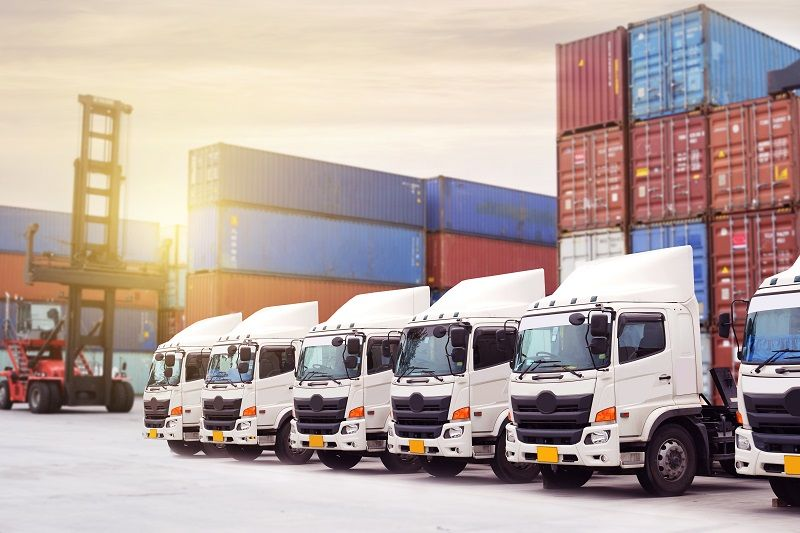
Full-container-load (FCL) shipping is the perfect solution for customers with large cargo volumes or goods that require dedicated container space. Alichina Freight offers competitive rates for 20GP, 40GP, and 40HQ containers delivered to the Port of Bissau. FCL shipping ensures enhanced cargo protection, reduced handling risks, and predictable transit times—making it ideal for heavy machinery, bulk commodities, industrial equipment, and long-term procurement shipments.
For smaller shipments, our less-than-container-load (LCL) service provides flexibility and cost savings. Alichina Freight consolidates your goods in China, arranges ocean freight to Guinea-Bissau, and manages customs procedures and local distribution. LCL is an ideal solution for SMEs, mixed-SKU shipments, e-commerce products, and customers looking for budget-friendly options.
Alichina Freight will provide most fuel efficient pickup service China
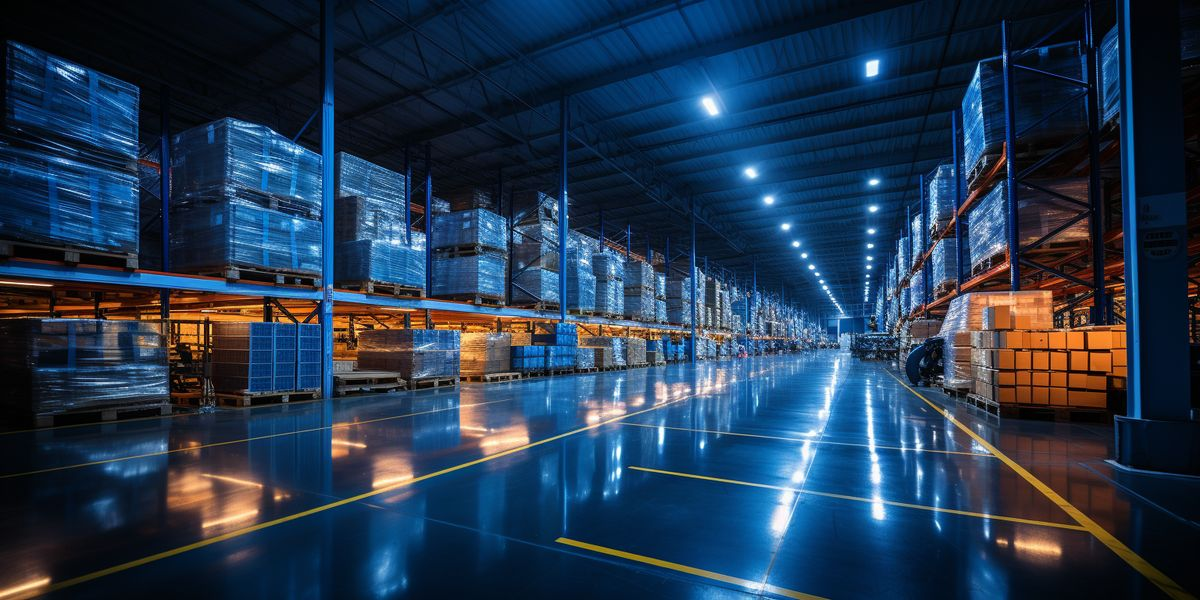
We provide free warehousing services for any of your goods.
The cargo insurance protects your goods all the way to any Any FBA Warehouse

We handle all paperwork and other details for you.

Ensure safe packaging and loading of goods in your suppliers' factory.

Several factors impact the shipping time from China to Guinea-Bissau. These include the mode of transportation, with sea freight typically taking 30 to 45 days and air freight around 7 to 10 days. Departure and arrival ports, customs clearance processes, and potential delays such as weather conditions or port congestion also play significant roles. Additionally, the efficiency of the logistics provider and the specific shipping route chosen can affect the overall transit time.
Air freight offers several advantages for shipping from China to Guinea-Bissau. The primary benefit is the significantly reduced transit time, often taking just 7 to 10 days compared to 30 to 45 days for sea freight. This faster delivery is crucial for time-sensitive goods. Air freight also generally involves fewer handling stages, reducing the risk of damage or loss. Furthermore, airlines usually offer more frequent and reliable schedules, enhancing overall shipment reliability.
Customs procedures can significantly impact shipping times from China to Guinea-Bissau. Efficient customs clearance is essential to avoid delays. Both Chinese and Guinean customs require thorough documentation, including commercial invoices, packing lists, and bills of lading. Any discrepancies or incomplete paperwork can lead to inspections and hold-ups. Additionally, understanding and complying with import regulations and duties in Guinea-Bissau can expedite the clearance process and minimize delays.
Shipping goods from China to Guinea-Bissau requires several essential documents. These include a commercial invoice detailing the transaction, a packing list outlining the contents, a bill of lading for sea freight or an air waybill for air freight, and a certificate of origin. Additionally, any necessary import licenses or permits, along with compliance with specific Guinean import regulations, must be ensured. Proper documentation facilitates smooth customs clearance and prevents potential delays.
The choice of shipping route plays a critical role in determining transit time from China to Guinea-Bissau. Direct routes usually offer the fastest delivery times, while indirect routes with multiple stops can increase transit duration. Sea freight often follows established maritime routes, which can be affected by weather and port congestion. Air freight typically has more flexible routing options, but direct flights are preferred for quicker delivery. Efficient route planning is essential for timely shipments.
Shipping costs from China to Guinea-Bissau depend on several factors. These include the mode of transportation, with air freight generally being more expensive than sea freight. Other considerations include the weight and volume of the shipment, the distance between ports, and the current fuel prices. Additional costs may arise from customs duties, taxes, and insurance. It's essential to balance cost with the urgency and nature of the goods being shipped to choose the most suitable option.
Ensuring the safety of goods during transit from China to Guinea-Bissau involves several measures. Proper packaging is crucial to protect items from damage. Using reliable and experienced freight forwarders can enhance security and reduce the risk of loss or theft. Comprehensive insurance coverage is advisable to safeguard against unforeseen events. Additionally, tracking services and secure handling procedures, especially for valuable or sensitive cargo, help maintain shipment integrity throughout the journey.
Freight insurance is vital for shipments from China to Guinea-Bissau, providing protection against potential risks such as damage, loss, or theft. This insurance covers the value of the goods and ensures financial compensation in case of unforeseen events. Different policies offer varying levels of coverage, so it's important to choose one that matches the shipment's value and nature. Freight insurance offers peace of mind and financial security, making it a crucial aspect of international shipping.
Seasonal variations can significantly impact shipping schedules from China to Guinea-Bissau. During peak seasons, such as the lead-up to major holidays like Chinese New Year or Christmas, shipping volumes increase, often leading to longer transit times and higher costs. Weather conditions, particularly during typhoon or monsoon seasons, can cause delays and disruptions. Planning shipments around these seasonal fluctuations and allowing extra time for potential delays can help ensure timely delivery.
Shipping from China to Guinea-Bissau has notable environmental impacts. Sea freight contributes to marine pollution and carbon emissions, while air freight has a higher carbon footprint due to fuel consumption. Efficient logistics planning, using modern and fuel-efficient vessels or aircraft, and adhering to environmental regulations can mitigate some impacts. Additionally, choosing eco-friendly packaging materials and exploring alternative shipping methods, such as rail where feasible, can help reduce the environmental footprint of international shipping.
Operations deal with the way the vehicles are operated, and the procedures set for this purpose, and policies. In the transport industry, operat ions and ownership of infrastructure can be either country.