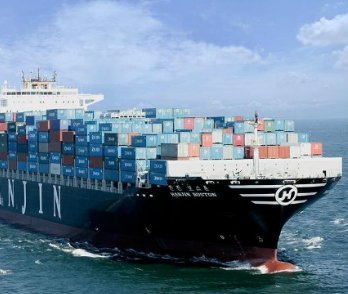
Alichina Freight serves as a trusted logistics partner for many customers in Indonesia, one of our key shipping markets in Southeast Asia. We have established long-term contract rates with major carriers like COSCO, OOCL, APL, EMC, MSK, and HMM, enabling us to offer highly competitive freight rates for shipments from China to any port in Indonesia.
With Alichina Freight handling your logistics, shipping from China to Indonesia becomes smooth and worry-free. Simply hand over your cargo to us, and we will manage everything— from pickup and export handling to customs clearance and final delivery. We are committed to being your most reliable freight forwarder from China to Indonesia.
Alichina Freight provides efficient and cost-effective sea freight services from China to major Indonesian ports, including Jakarta, Surabaya, Semarang, and Belawan. With strong carrier partnerships and long-term contract rates, we offer competitive pricing, reliable sailing schedules, and flexible routing options. Whether you ship electronics, furniture, textiles, machinery, or raw materials, our sea freight solutions ensure stable, smooth delivery to Indonesia.
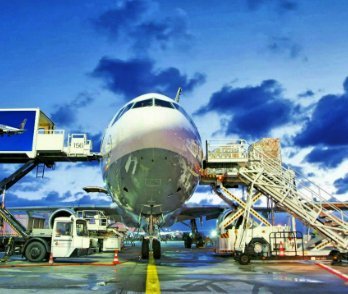
For urgent or high-value shipments, our air freight service offers rapid and secure transportation from China to Indonesia. Alichina Freight selects optimal airlines and routes based on your required delivery timeline. From cargo pickup and export processing to customs clearance and final delivery, our team manages the entire process to ensure timely arrival in Jakarta, Bali, Surabaya, or Medan.

Our door-to-door service provides a complete end-to-end logistics solution for businesses and individuals. Alichina Freight handles every step—factory pickup in China, export documentation, ocean or air transport, Indonesian customs clearance, and last-mile delivery to your address. This all-inclusive service ensures a hassle-free, transparent, and reliable shipping experience.

Alichina Freight offers full-container-load (FCL) shipping backed by competitive contract rates with leading carriers such as COSCO, OOCL, APL, EMC, MSK, and HMM. We secure stable container space and provide professional coordination from booking to delivery. FCL is ideal for large shipments requiring efficiency, safety, and predictable transit times to Indonesian ports.
For smaller shipments, our less-than-container-load (LCL) service offers a budget-friendly and flexible solution. We operate regular consolidation services from major Chinese ports to Indonesia, ensuring steady departures and consistent delivery times. Our team oversees consolidation, documentation, customs procedures, and cargo handling to guarantee smooth and dependable LCL delivery.
Alichina Freight will provide most fuel efficient pickup service China
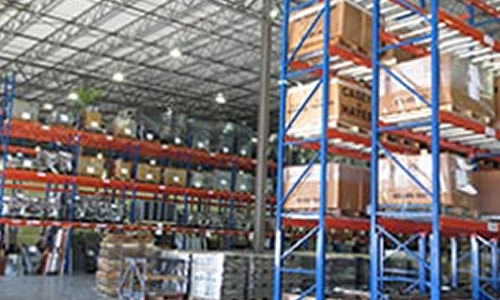
We provide free warehousing services for any of your goods.
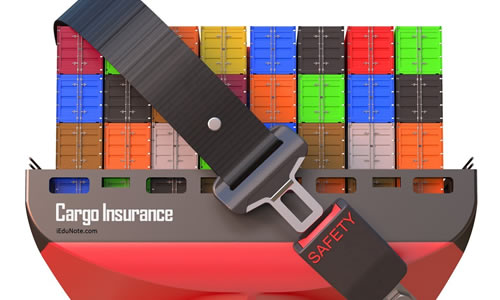
The cargo insurance protects your goods all the way to any Any FBA Warehouse

We handle all paperwork and other details for you.
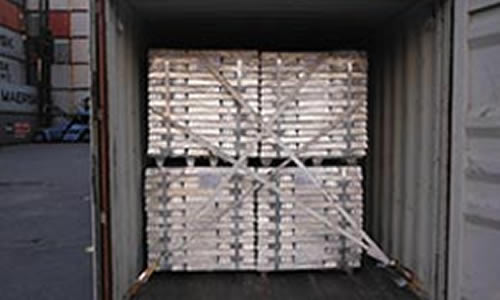
Ensure safe packaging and loading of goods in your suppliers' factory.

Shipping costs from China to Indonesia vary depending on the shipping method and cargo type. Air freight generally costs more, with prices ranging from $5 to $15 per kilogram. Sea freight is more economical, with costs ranging between $500 and $2,000 for a standard 20-foot container. Additional factors such as fuel surcharges, handling fees, and distance also impact the final cost.
To track your shipment from China to Indonesia, use the tracking number provided by your freight forwarder or carrier. Most companies offer online tracking systems where you can enter the tracking number to see real-time updates. For more detailed information, contact your freight forwarder directly or use their customer service portals.
Shipping from China to Indonesia requires several key documents, including a commercial invoice, packing list, bill of lading, and a certificate of origin. Additionally, you may need import permits, customs declarations, and any relevant certificates for specific goods, such as health or safety certifications, depending on the nature of the cargo.
Common delays in shipping from China to Indonesia include customs clearance issues, port congestion, and weather conditions. Additional delays can arise from documentation errors, strikes, or logistical problems. To minimize delays, ensure all paperwork is accurate and complete and choose reliable shipping partners.
To reduce shipping costs, consider consolidating shipments, using sea freight instead of air freight, and negotiating bulk rates with carriers. Additionally, opt for flexible delivery schedules and explore cost-effective packaging solutions to minimize overall expenses.
Yes, Indonesia has specific import restrictions and regulations, including restrictions on certain goods, required certifications, and import permits. Ensure your goods comply with Indonesian import regulations by consulting with customs brokers and reviewing relevant import guidelines before shipping.
Best practices for packaging include using durable, weather-resistant materials, labeling packages clearly, and cushioning fragile items to prevent damage. Properly secure cargo in containers to avoid shifting during transit and follow any specific packaging requirements for the type of goods being shipped.
If your shipment is delayed, first check the tracking information for updates. Contact your freight forwarder or carrier for more details and possible reasons for the delay. Additionally, review your shipping documents and ensure all customs requirements are met to avoid further issues.
Yes, using freight forwarding services is a common practice for shipping from China to Indonesia. Freight forwarders offer expertise in logistics, manage the shipping process, and handle documentation and customs clearance, ensuring a smoother and more efficient shipping experience.
Customs duties for shipments from China to Indonesia are based on the value and type of goods being imported. Duties are calculated according to Indonesia's tariff rates and may include VAT and other taxes. Ensure accurate declaration of goods and payment of duties to avoid delays and penalties.
Operations deal with the way the vehicles are operated, and the procedures set for this purpose, and policies. In the transport industry, operat ions and ownership of infrastructure can be either country.