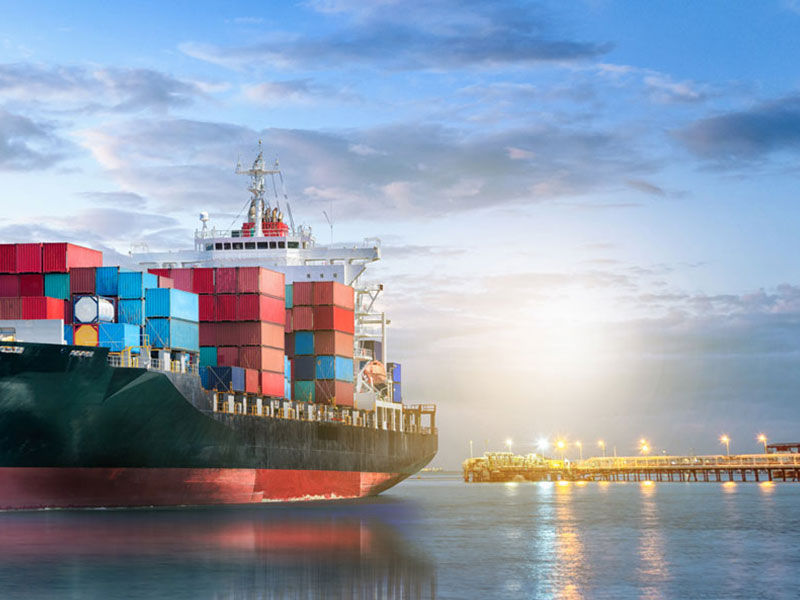
Alichina Freight offers efficient and reliable shipping solutions from China to Italy, providing expertly managed sea and air freight services for all types of cargo. With a robust logistics network and a dedicated operations team, we ensure smooth coordination, secure handling, and timely delivery to major Italian cities such as Milan, Rome, Venice, Genoa, Bologna, and Naples.
From pickup and export compliance in China to customs clearance, warehousing, and final delivery across Italy, our tailored logistics solutions cater to your specific business needs. Whether you’re shipping commercial goods, retail inventory, machinery, or e-commerce products, Alichina Freight guarantees cost-effective, efficient, and fully supported international transportation.
Choose Alichina Freight as your trusted logistics partner for shipping from China to Italy, and enjoy professional service, seamless operations, and exceptional reliability at every stage of the journey.
Alichina Freight provides reliable and cost-effective sea freight services from China to Italy, offering both FCL and LCL shipping options through key Italian ports such as Genoa, La Spezia, Venice, Trieste, and Naples. With competitive rates, consistent sailing schedules, and secure container handling, we ensure smooth import operations and timely delivery. Sea freight is the ideal choice for bulk cargo, large machinery, furniture, building materials, electronics, and commercial inventory that require efficient long-distance transportation.
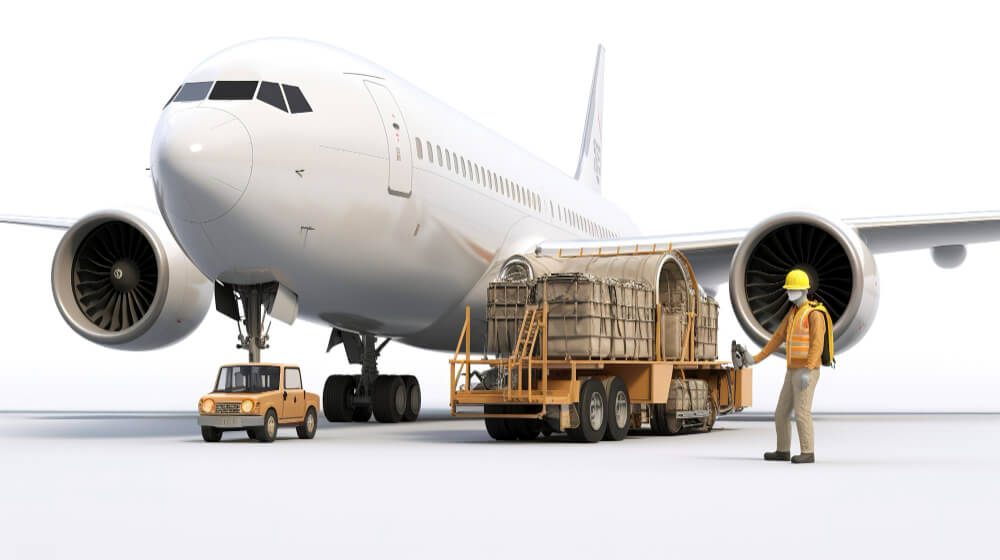
Alichina Freight offers fast and reliable air freight solutions to Italy, routing shipments through major airports such as Milan Malpensa (MXP), Rome Fiumicino (FCO), Bologna (BLQ), and Venice Marco Polo (VCE). With transit times as short as 1–5 days, our air freight services provide rapid and secure transport for urgent, high-value, or time-sensitive cargo. We offer priority handling, consolidation options, temperature-controlled services, and expert customs support to ensure smooth and timely delivery throughout Italy.
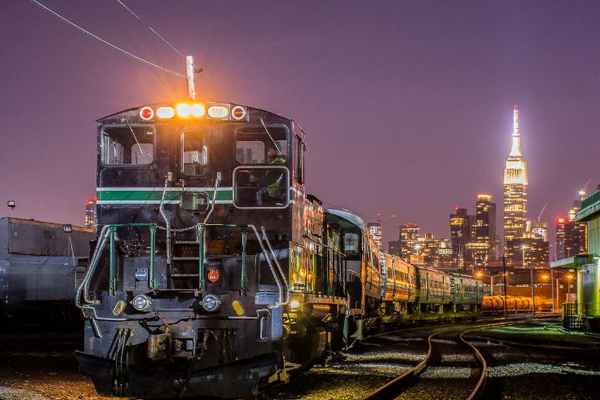
Alichina Freight delivers efficient rail freight services from China to Italy via the China–Europe Railway network. Shipments can be delivered directly to major inland terminals including Milan, Verona, Bologna, and Turin, providing a dependable solution that balances speed and cost. Rail freight is ideal for electronics, auto parts, retail stock, industrial machinery, and general commercial goods. Our service includes documentation handling, customs processing, terminal operations, and final-mile delivery throughout Italy.
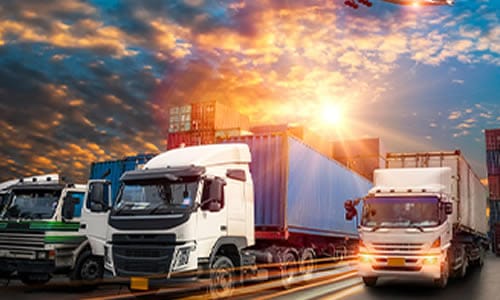
Alichina Freight provides comprehensive FCL (Full Container Load) shipping services for businesses transporting goods from China to Italy. Containers are routed through major Italian ports and connected inland via rail or trucking to cities such as Milan, Rome, Florence, and Turin.
Our FCL shipping advantages include:
FCL shipping is ideal for large shipment volumes, machinery, furniture, electronics, industrial equipment, and full commercial stock requiring secure, predictable, and cost-efficient transport.
Alichina Freight offers flexible and economical LCL (Less than Container Load) services for smaller shipments destined for Italy. With weekly consolidations from major Chinese ports and optimized routing to Genoa, Venice, La Spezia, and Trieste, we ensure reliable, budget-friendly shipping for mixed or lower-volume freight.
Our LCL service benefits include:
Ideal for SMEs, e-commerce sellers, samples, retail restocking, and mixed commercial shipments, our LCL service ensures secure, efficient, and cost-effective transportation from China to Italy.
Alichina Freight will provide most fuel efficient pickup service China
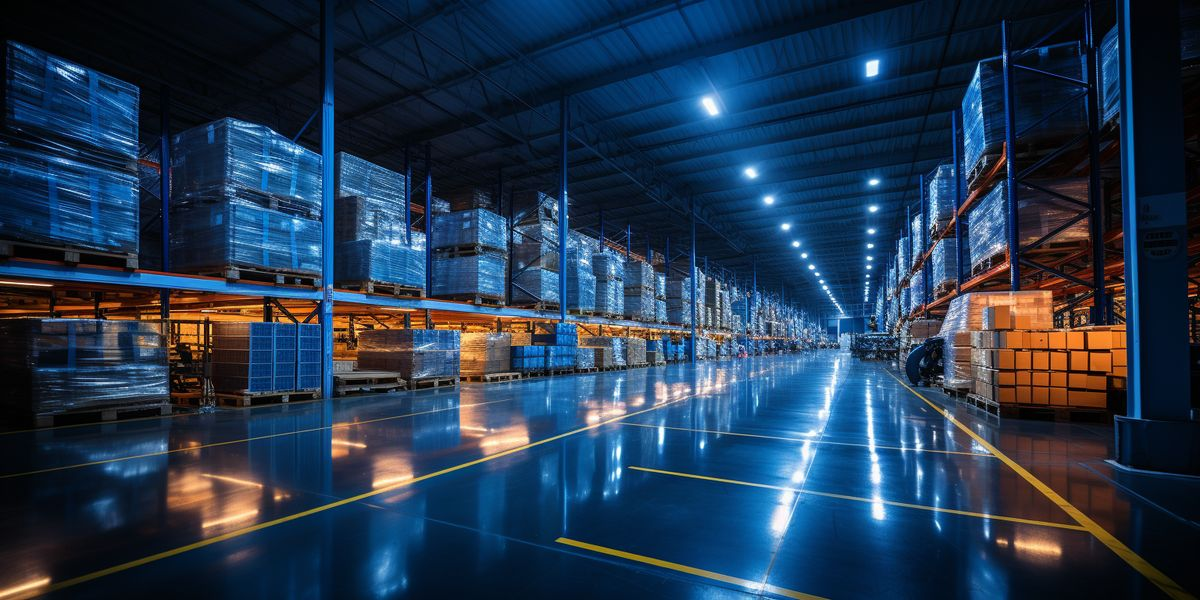
We provide free warehousing services for any of your goods.
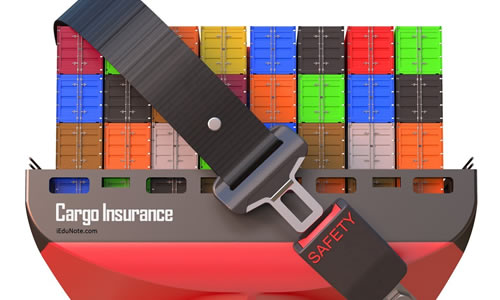
The cargo insurance protects your goods all the way to any Any FBA Warehouse
We handle all paperwork and other details for you.

Ensure safe packaging and loading of goods in your suppliers' factory.
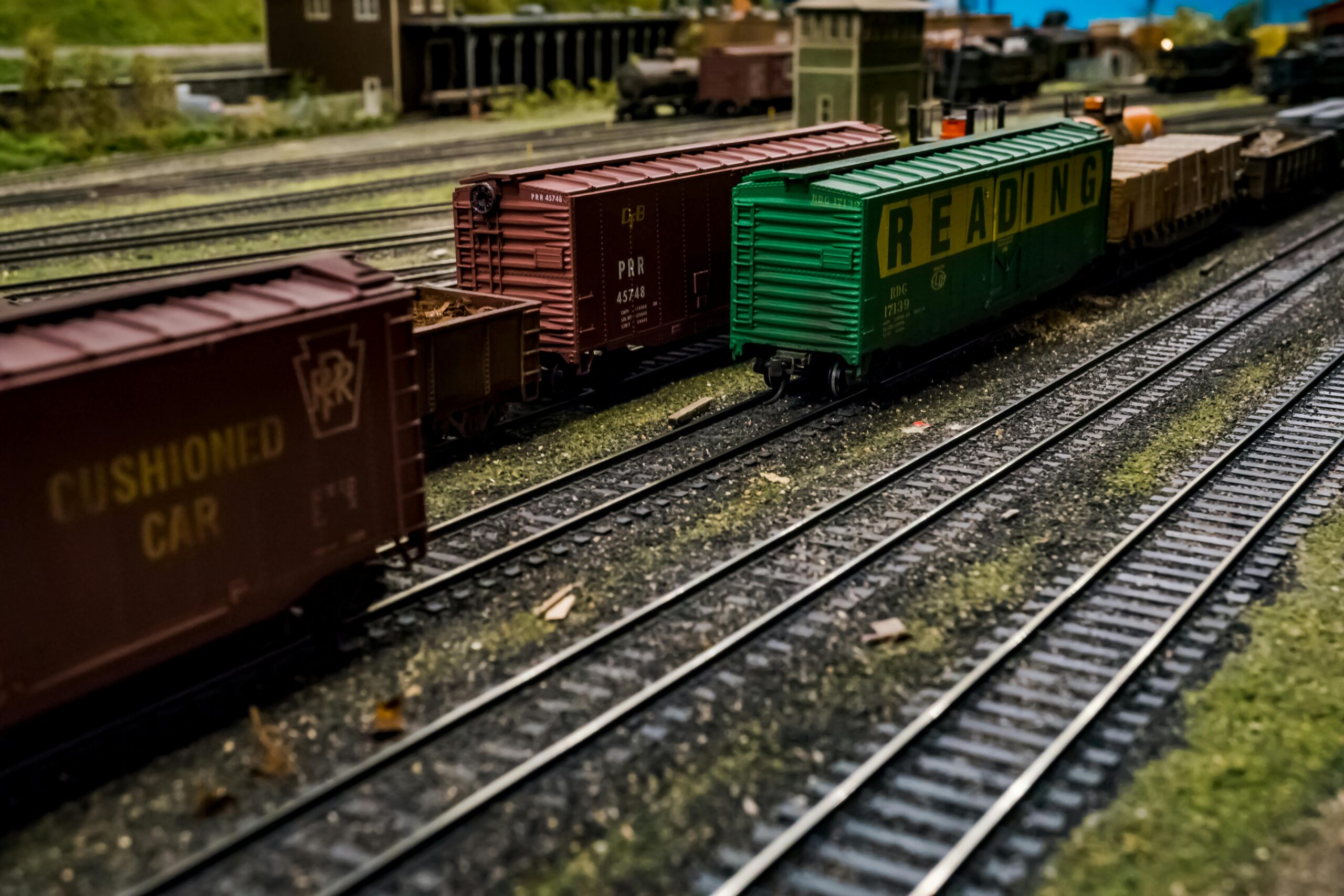
Shipping times from China to Italy depend on the chosen method (air, sea, express), the route taken, customs clearance, and the specific logistics arrangements. Air freight is faster but more costly, while sea freight is economical but slower. Delays may occur due to customs procedures or unforeseen transport issues.
Tracking your shipment involves using tracking numbers provided by your freight forwarder or carrier. Most companies offer online tracking systems that provide real-time updates on your shipment’s location and status. Ensure to enter the correct tracking number on the carrier’s website for accurate information.
Customs requirements include accurate and complete documentation such as invoices, packing lists, and certificates of origin. Goods must comply with Italian regulations and tariffs. Properly classified and documented shipments reduce the risk of delays or additional charges during customs clearance.
To minimize shipping costs, consider consolidating shipments to lower per-unit costs, opting for sea freight over air freight, and negotiating rates with freight forwarders. Efficient packaging and choosing less urgent shipping options can also help in reducing overall expenses.
If your shipment is delayed, first check the tracking system for updates. Contact your freight forwarder or carrier for more details. They can provide information on the cause of the delay and expected resolution time. Having clear communication helps in managing and mitigating any issues.
Yes, certain items may be restricted or prohibited due to Italian import regulations. These can include hazardous materials, restricted chemicals, and specific agricultural products. Always verify with customs or your freight forwarder to ensure compliance with import restrictions and avoid shipment issues.
Essential documents include the commercial invoice, packing list, bill of lading or air waybill, and any required certificates (e.g., certificates of origin, inspection certificates). Ensure all documents are accurate and complete to facilitate smooth customs clearance and delivery.
Sea freight is generally more cost-effective for large or heavy shipments but takes longer, typically 30 to 45 days. Air freight is faster, usually taking 7 to 10 days, but is more expensive. The choice depends on your budget, time sensitivity, and shipment size.
A freight forwarder manages the logistics of shipping goods, including booking transport, handling documentation, and coordinating with carriers. They ensure that shipments comply with regulations, offer advice on the best shipping methods, and handle any issues that arise during transit.
Yes, insuring your shipment is advisable to protect against risks such as damage, loss, or theft. Insurance can be arranged through your freight forwarder or independently. Review insurance options and coverage details to ensure your goods are adequately protected throughout the journey.
Operations deal with the way the vehicles are operated, and the procedures set for this purpose, and policies. In the transport industry, operat ions and ownership of infrastructure can be either country.