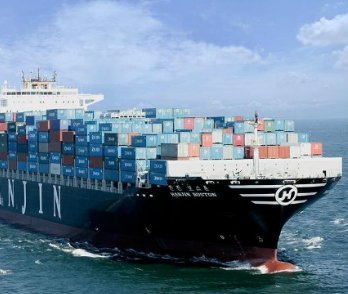
Alichina Freight is a premier freight forwarder in China, offering customized shipping solutions from China to New Zealand. We specialize in delivering efficient logistics services tailored to your specific business requirements. Whether you need air freight, sea freight, or express delivery, we guarantee fast, secure, and dependable transportation for your cargo.
Our full range of services includes expert customs clearance, precise documentation management, and reliable door-to-door delivery across New Zealand, covering Auckland, Wellington, Christchurch, and other key regions. With our vast industry experience and unwavering commitment to service excellence, Alichina Freight ensures seamless international shipping that strengthens your supply chain.
Choose Alichina Freight as your partner for cost-effective, trustworthy, and professionally managed logistics solutions designed to enhance your business operations.
Alichina Freight provides reliable and cost-effective sea freight services from China to key New Zealand ports, including Auckland, Wellington, Christchurch (Lyttelton), and Tauranga. Thanks to strong partnerships and stable carrier contracts, we offer competitive FCL and LCL rates, reliable sailing schedules, and comprehensive handling of export documentation and customs requirements. Whether you're shipping commercial products, building materials, retail inventory, or machinery, our sea freight service guarantees secure and efficient transportation.
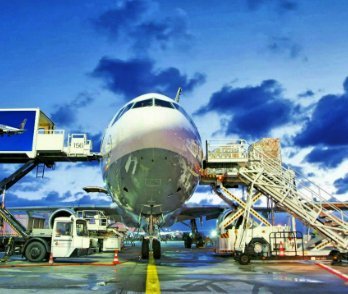
For urgent or time-sensitive cargo, Alichina Freight offers fast and reliable air freight solutions to New Zealand’s major airports, including Auckland (AKL), Christchurch (CHC), and Wellington (WLG). With typical transit times ranging from 1–4 days, depending on routing and airline schedules, we ensure timely delivery. Our team handles all export checks, air cargo booking, customs coordination, and final delivery, making air freight the perfect choice for high-value goods, electronics, fashion items, and perishables.
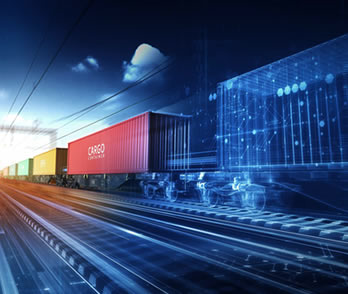
Our door-to-door logistics service streamlines the entire international shipping process. Alichina Freight takes care of factory pickup, export documentation, ocean or air transport, New Zealand customs clearance, and last-mile delivery to your business, warehouse, or residence. With strong local support and real-time tracking, we ensure a smooth and transparent delivery experience across New Zealand.
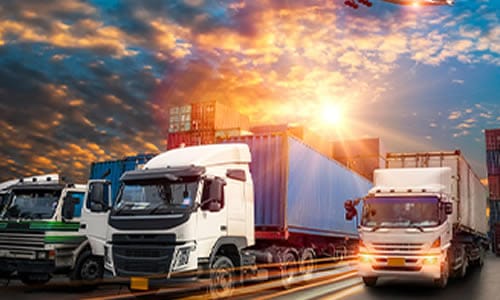
Full-container-load (FCL) shipping is the optimal choice for businesses moving large quantities of goods. Alichina Freight offers competitive FCL container rates and secure, direct services from major Chinese ports to New Zealand. FCL shipping ensures superior cargo protection, reduces handling risks, and guarantees consistent transit times—making it ideal for high-volume shipments such as furniture, machinery, textiles, or commercial products.
Alichina Freight will provide most fuel efficient pickup service China
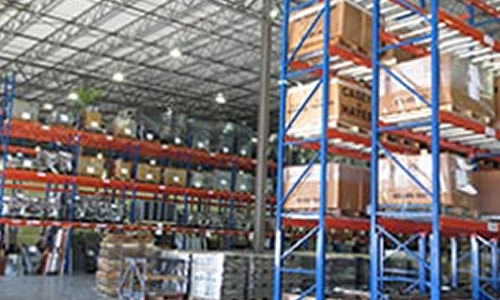
We provide free warehousing services for any of your goods.
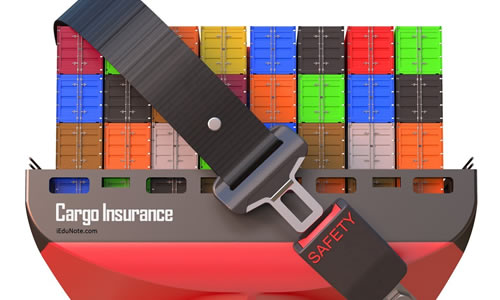
The cargo insurance protects your goods all the way to any Any FBA Warehouse

We handle all paperwork and other details for you.
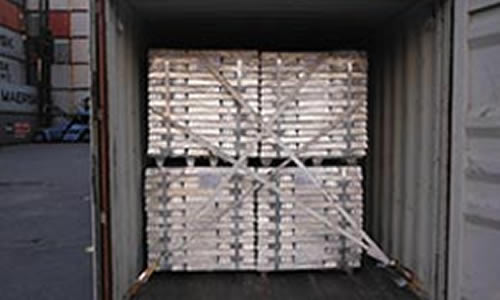
Ensure safe packaging and loading of goods in your suppliers' factory.
To ship from China to New Zealand, ensure compliance with both countries' customs regulations. Required documents include a commercial invoice, packing list, bill of lading, and any necessary certificates (e.g., phytosanitary or origin certificates). Ensure proper tariff classifications and accurate valuation to avoid delays or penalties.
Select a reputable freight forwarder by evaluating their experience, customer reviews, and range of services. Check their knowledge of both Chinese and New Zealand regulations, and assess their ability to handle customs clearance and logistics efficiently. Consider their track record in managing similar shipments.
Common challenges include dealing with customs delays, varying regulations, and potential disruptions in transit. Issues such as inaccurate documentation, unexpected fees, or complex logistics can arise. To mitigate these challenges, ensure thorough preparation and work with experienced professionals.
Use high-quality, durable packaging materials to protect your goods. Ensure that packages are well-cushioned, especially for fragile items. Label all packages clearly with handling instructions and destination details to prevent damage and ensure efficient processing.
Reduce shipping costs by optimizing your shipment size and weight, consolidating shipments, and choosing cost-effective shipping options. Negotiate rates with freight forwarders and explore different modes of transport (e.g., sea vs. air) based on urgency and cost-efficiency.
Transit times vary based on the mode of transport and route. Sea freight generally takes longer than air freight. Typical sea transit can range from 20 to 30 days, while air freight is usually completed in 3 to 7 days. Check with your forwarder for accurate time estimates.
Familiarize yourself with New Zealand's import regulations, including tariffs, prohibited items, and safety standards. Ensure all required documentation is accurate and complete. Consider consulting with a customs broker or legal expert to ensure full compliance with local laws.
A customs broker helps navigate complex customs regulations, ensuring compliance and expediting the clearance process. They handle documentation, classify goods correctly, and advise on duties and taxes, which reduces the risk of delays and penalties.
Use tracking services provided by your freight forwarder or carrier. Request tracking numbers and set up notifications for real-time updates. Monitor the shipment regularly through online tracking systems and contact your forwarder if any issues or delays arise.
Operations deal with the way the vehicles are operated, and the procedures set for this purpose, and policies. In the transport industry, operat ions and ownership of infrastructure can be either country.