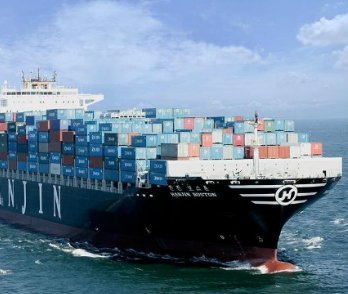
Tanzania is an important and rapidly growing market for Alicihna Freight, with many of our customers based there. We have established contract rates with major international carriers like COSCO, OOCL, APL, EMC, MSK, and HMM, enabling us to offer highly competitive freight rates for shipments from China to any port in Tanzania.
When you partner with Alicihna Freight, shipping from China to Tanzania becomes effortless. Simply hand over your cargo, and our experienced team will manage everything—from pickup and export documentation to customs clearance and inland delivery.
Alicihna Freight is dedicated to being your most reliable freight forwarder for shipments from China to Tanzania, providing efficient and cost-effective logistics solutions every step of the way.
Request a better quote now and enjoy a smooth, efficient, and worry-free shipping experience with Alicihna Freight.
We provide competitive sea freight rates and reliable shipping solutions for goods transported from China to Tanzania. Alicihna Freight ensures smooth coordination and consistent vessel schedules to key ports like Dar es Salaam and Tanga. Our team offers cost-effective routing and efficient handling for all types of cargo, ensuring timely and secure deliveries.
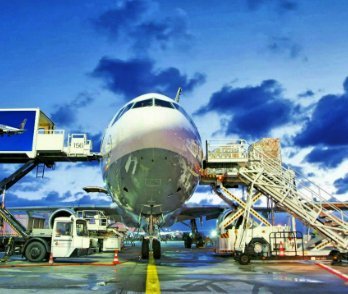
Alicihna Freight offers fast, secure, and professional air freight services from China to Tanzania, tailored to your delivery timeline and budget. We select the most suitable airline for your shipment, ensuring timely arrival at Dar es Salaam or Kilimanjaro airports, with reliable cargo handling throughout the entire journey.

Our door-to-door service offers a complete logistics solution, from factory pickup in China to final delivery across Tanzania. Alicihna Freight manages export documentation, customs clearance, destination handling, and last-mile delivery—ensuring a smooth, convenient, and worry-free shipping experience.
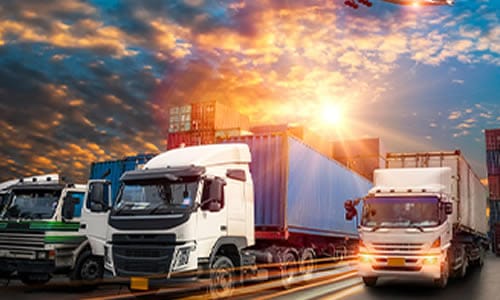
Alicihna Freight delivers dependable and cost-effective FCL (Full Container Load) solutions for shipments from China to Tanzania. With strong carrier partnerships, we offer regular weekly sailings to Dar es Salaam and other regional ports. Our team manages the entire logistics chain—from cargo pickup, containerization, and export procedures to customs clearance and inland delivery—providing a secure and efficient solution ideal for high-volume or bulk cargo.
Alicihna Freight offers efficient LCL (Less than Container Load) solutions for cargo not requiring a full container. Your goods are consolidated securely in our China warehouses and shipped via consistent schedules to Tanzania. We also support customs clearance and inland delivery, making LCL an ideal option for SMEs, mixed shipments, and lower-volume cargo seeking affordability and reliability.
Alicihna Freight will provide most fuel efficient pickup service China
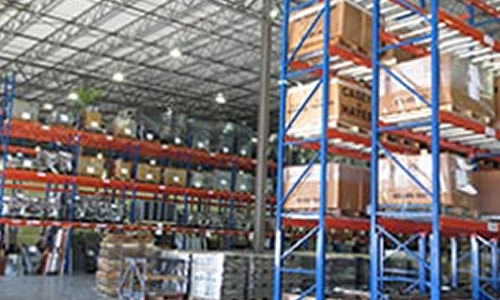
We provide free warehousing services for any of your goods.
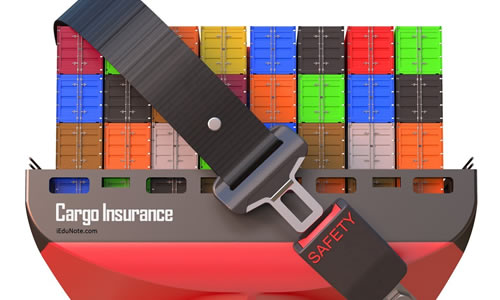
The cargo insurance protects your goods all the way to any Any FBA Warehouse

We handle all paperwork and other details for you.
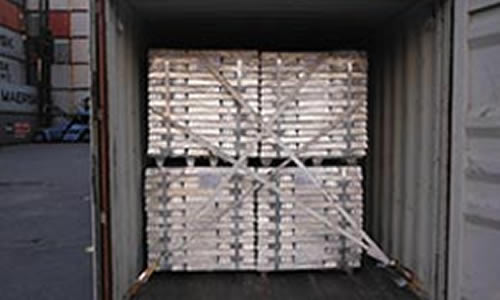
Ensure safe packaging and loading of goods in your suppliers' factory.

Shipping time from China to Tanzania is affected by factors such as shipping method (air or sea), port congestion, customs processing, and the distance between specific cities. Air freight is quicker but more expensive, while sea freight is slower but cost-effective. Customs clearance and the efficiency of the logistics provider also play a significant role.
To expedite shipping, consider using air freight rather than sea freight. Additionally, choose express services offered by major logistics companies. Ensuring all customs paperwork is completed accurately and in advance can also speed up the process. Opting for reliable shipping companies with a track record of efficiency will help ensure faster delivery.
Air freight is significantly more expensive than sea freight. While air freight costs are calculated based on weight and volume and offer quicker delivery, sea freight is generally cheaper and calculated by cubic meter or container size but takes longer. Costs can vary depending on the shipping company and service level.
Customs regulations in Tanzania require proper documentation, including a commercial invoice, packing list, and bill of lading. Delays can occur if documentation is incomplete or inaccurate. Additionally, tariffs and duties may apply based on the type of goods being imported, affecting overall shipping time and cost.
Common shipping methods include sea freight, which is cost-effective for larger shipments but slower, and air freight, which is faster but more expensive. Other methods like express courier services are available for urgent deliveries. Each method has different transit times and cost structures.
Shipping distance plays a significant role in delivery time. Longer distances increase transit times, especially with sea freight, which can take several weeks. Air freight, though faster, still depends on the exact distance between departure and destination points, but typically reduces overall shipping time.
Express shipping services usually deliver within 1 to 3 weeks, depending on the provider and specific locations in Tanzania. Major express carriers like DHL, FedEx, and UPS offer expedited options that can speed up delivery compared to standard air or sea freight.
To track your shipment, use the tracking number provided by the shipping company. Most shipping companies offer online tracking tools on their websites. Additionally, freight forwarders and logistics providers can provide tracking updates and estimated delivery times.
Shipping costs vary based on the method (air vs. sea), weight, volume, and urgency. Sea freight is more economical for larger shipments but incurs longer transit times. Air freight is more expensive but faster. Additional costs may include customs duties, handling fees, and insurance.
Yes, there are restrictions on certain items due to Tanzanian import regulations. Prohibited or restricted items might include hazardous materials, counterfeit goods, and certain electronics. It's important to check Tanzanian import regulations and ensure your goods comply with local laws to avoid delays or penalties.
Operations deal with the way the vehicles are operated, and the procedures set for this purpose, and policies. In the transport industry, operat ions and ownership of infrastructure can be either country.