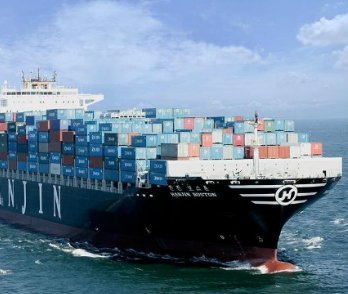
Zimbabwe is a key and growing market for Alichina Freight, with many of our customers based there. We have secured contract rates with major international carriers such as COSCO, OOCL, APL, EMC, MSK, and HMM, enabling us to offer highly competitive freight rates for shipments from China to any port serving Zimbabwe.
With Alichina Freight as your logistics partner, shipping from China to Zimbabwe becomes seamless and hassle-free. Just hand over your cargo, and our experienced team will manage everything—from pickup and export documentation to customs clearance and inland delivery. We are dedicated to being your most reliable freight forwarder for all shipments from China to Zimbabwe.
Request a better quote now and enjoy a smooth, efficient, and worry-free shipping experience with Alichina Freight.
Alichina Freight offers competitive sea freight rates and reliable multimodal logistics solutions for shipments from China to Zimbabwe. We route cargo through major ports such as Durban, Beira, and Maputo, followed by efficient inland transport to Harare, Bulawayo, and other regions. Our services ensure cost-effective, dependable delivery every step of the way.
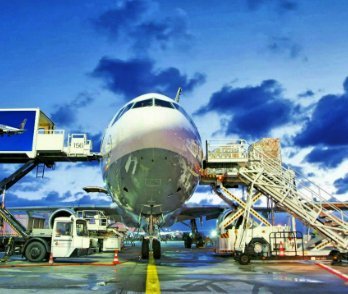
We select the most suitable airline option based on your timeline and budget. Alichina Freight provides fast, secure, and professional air freight services from China to Zimbabwe, ensuring timely arrival at Harare International Airport with consistent and reliable cargo handling.

Our door-to-door service provides a seamless logistics experience, from factory pickup in China to final delivery anywhere in Zimbabwe. Alichina Freight handles export documentation, customs clearance, destination handling, and last-mile trucking, ensuring a smooth, convenient, and worry-free shipping process for you.

Alichina Freight offers reliable and cost-effective FCL (Full Container Load) solutions for bulk and high-volume shipments from China to Zimbabwe. Cargo moves through key gateway ports like Durban, Beira, or Maputo, with regular weekly departures and competitive pricing. Our team oversees every step of the process, from pickup, container loading, and export procedures to customs clearance and inland delivery to Harare or any other destination. We ensure efficiency, safety, and full visibility throughout the journey, providing you with a seamless shipping experience.
Alichina Freight offers efficient LCL (Less than Container Load) services for shipments that don’t require a full container. Your goods are securely consolidated in our China warehouses and transported via major regional ports before being delivered inland to Zimbabwe. We handle customs clearance and final delivery to Harare, Bulawayo, and other locations, making LCL the ideal choice for SMEs, mixed shipments, and lower-volume cargo that require both affordability and reliability.
Alichina Freight will provide most fuel efficient pickup service China
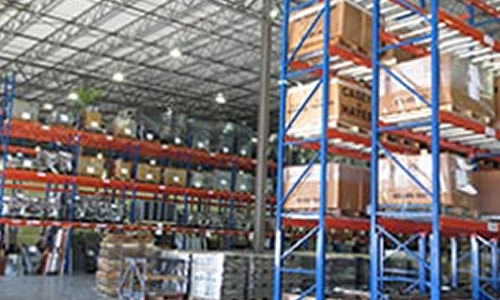
We provide free warehousing services for any of your goods.
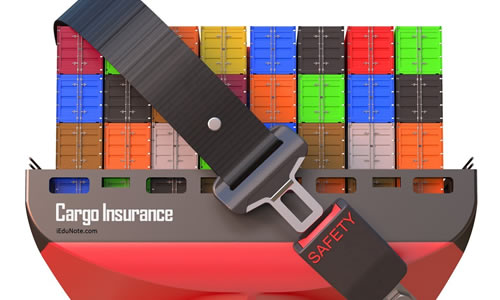
The cargo insurance protects your goods all the way to any Any FBA Warehouse

We handle all paperwork and other details for you.
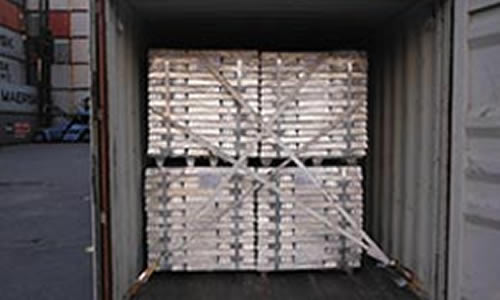
Ensure safe packaging and loading of goods in your suppliers' factory.

Shipping time from China to Zimbabwe can range from 7 to 30 days, depending on the shipping method. Standard sea freight might take longer, around 4-6 weeks, while air freight generally takes 7-14 days. Factors like customs processing and local delivery can also influence the total transit time.
Several factors affect shipping duration, including the shipping method (air vs. sea), customs processing times, weather conditions, and the efficiency of the logistics companies involved. Additionally, any disruptions in international trade or political issues can impact delivery times.
Yes, expedited shipping options are available, such as express air freight services provided by companies like DHL, FedEx, or UPS. These services can significantly reduce shipping time, often delivering within 3-7 business days, though they are more expensive compared to standard shipping methods.
Sea freight is generally more cost-effective for larger and heavier shipments but takes longer, usually 4-6 weeks. Air freight, while faster (7-14 days), is more expensive and is often chosen for smaller, urgent shipments. Costs vary based on weight, volume, and specific service providers.
Customs clearance can impact shipping times significantly. Delays may occur if there are issues with documentation, duties, or inspections. Properly preparing and submitting accurate customs paperwork can help avoid unnecessary delays. Customs procedures in Zimbabwe can vary, affecting overall delivery times.
Common shipping methods include sea freight (both FCL and LCL), air freight, and express courier services. Sea freight is suitable for bulk shipments, while air freight and express services are used for smaller or urgent deliveries. Each method has different timeframes and cost implications.
Tracking information is typically provided by the shipping carrier or logistics company. You can track your shipment using tracking numbers through the carrier’s website or app. For international shipments, tracking might also be available through third-party tracking services that aggregate information from multiple carriers.
Required documents generally include a commercial invoice, packing list, bill of lading (for sea freight) or air waybill (for air freight), and customs declaration forms. Depending on the goods being shipped, additional permits or certificates may be required, especially for regulated items.
Customs duties and taxes vary depending on the type of goods and their value. Zimbabwean customs authorities apply duties based on the Harmonized System (HS) codes of the products. Importers should check with the Zimbabwe Revenue Authority (ZIMRA) for specific rates and requirements to ensure compliance.
To reduce shipping costs, consider consolidating shipments to maximize volume, choosing sea freight over air freight for non-urgent deliveries, and negotiating rates with logistics providers. Additionally, proper packaging to minimize weight and volume can help lower shipping fees. Regularly reviewing and comparing service providers can also yield cost savings.
Operations deal with the way the vehicles are operated, and the procedures set for this purpose, and policies. In the transport industry, operat ions and ownership of infrastructure can be either country.