


- By Jaxin
- July 24, 2026
- logistics process
Cargo damage during international shipping can lead to unexpected financial losses, delayed deliveries, and dissatisfied customers. Whether the damage occurs during factory loading, ocean transportation, rail freight, customs inspections, or final-mile delivery, importers often face complicated claim procedures while trying to keep their supply chains running.
Therefore, professional cargo damaged claim logistics support China helps businesses investigate cargo damage, collect claim evidence, communicate with carriers and insurance companies, and coordinate replacement shipments when necessary. With experienced logistics support, importers can improve claim success rates, reduce downtime, and recover losses more efficiently.

Why Does Cargo Damage Happen During International Shipping?
Cargo damage can occur at multiple stages of the transportation process. Although modern logistics systems follow standardized handling procedures, unexpected incidents still happen because international shipments often involve multiple carriers, terminals, warehouses, and customs authorities.
Moreover, cargo may be transferred several times before reaching its final destination. Every loading and unloading operation increases the possibility of physical damage if proper handling procedures are not followed.
The most common causes include:
| Cause | Possible Impact |
|---|---|
| Poor Export Packaging | Broken or crushed products |
| Rough Cargo Handling | Surface damage and deformation |
| Container Movement | Internal cargo shifting |
| Moisture or Water Exposure | Corrosion and product deterioration |
| Improper Cargo Securing | Structural damage during transit |
| Customs Inspection | Repacking damage after inspection |
Furthermore, different transportation methods create different risks.
| Shipping Method | Common Damage Risk |
|---|---|
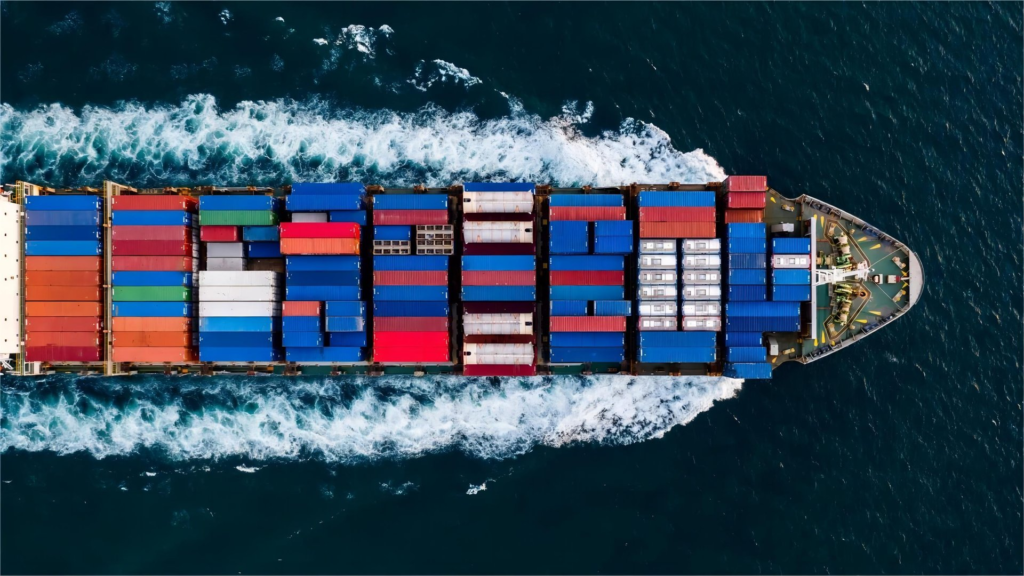
| Ocean Freight | Moisture, container movement |
| Rail Freight | Continuous vibration |
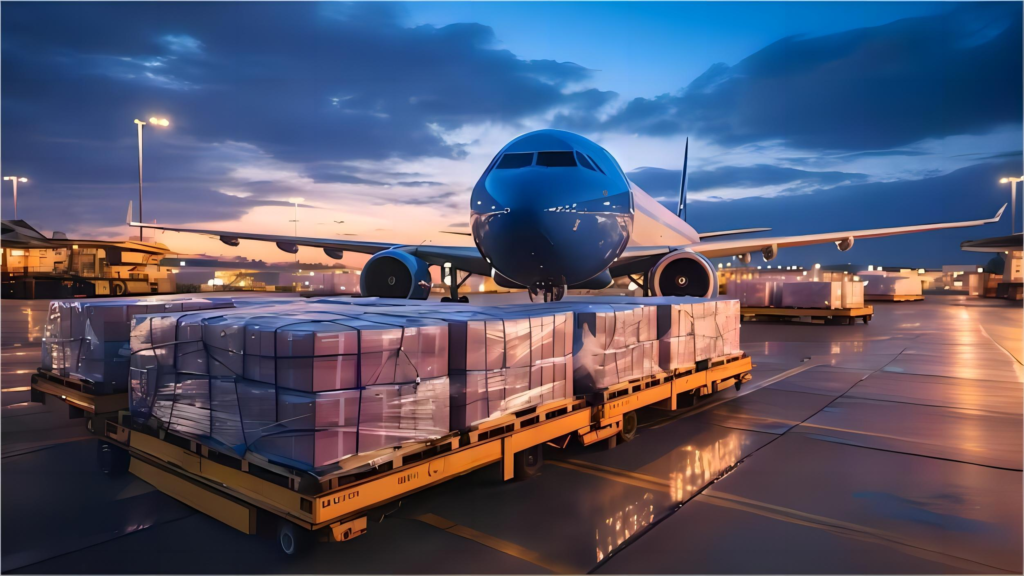
| Air Freight | Frequent cargo handling |
| Truck Transport | Sudden braking and road vibration |
Additionally, cargo value often increases after export because transportation, insurance, duties, and storage costs are added. Therefore, even minor product damage can result in significant financial losses.
How Does Cargo Damaged Claim Logistics Support China Work?
When cargo arrives damaged, businesses should begin the claim process immediately. However, many importers lose compensation opportunities because evidence is incomplete or submitted too late.
Therefore, professional logistics support follows a structured recovery process.
| Step | Action |
|---|---|
| 1 | Inspect damaged cargo immediately |
| 2 | Take photos and video evidence |
| 3 | Preserve damaged packaging |
| 4 | Review shipping documents |
| 5 | Notify the carrier or insurer |
| 6 | Submit the damage claim |
| 7 | Arrange cargo recovery or replacement |
Moreover, logistics specialists can determine whether the claim should be submitted to the carrier, cargo insurer, warehouse operator, or another responsible party.
Carrier Claim vs. Insurance Claim
Many businesses confuse carrier liability with cargo insurance coverage. However, they follow different procedures.
| Claim Type | Suitable Situation |
|---|---|
| Carrier Claim | Damage caused by transportation negligence |
| Cargo Insurance Claim | Covered transportation risks under the insurance policy |
| Warehouse Claim | Damage during storage or handling |
| Third-Party Claim | Damage caused by external logistics providers |
Additionally, experienced freight forwarders can coordinate multiple parties simultaneously, reducing communication delays and improving claim efficiency.
What Documents Are Required for a Cargo Damage Claim?
Accurate documentation is one of the most important factors in successful cargo damage claims. Therefore, businesses should organize all shipment records before contacting carriers or insurance companies.
The following documents are commonly required:
| Document | Purpose |
|---|---|
| Commercial Invoice | Confirms cargo value |
| Packing List | Verifies shipment contents |
| Bill of Lading | Transportation contract |
| Cargo Damage Photos | Visual evidence |
| Inspection Report | Professional assessment |
| Delivery Receipt | Confirms delivery condition |
| Insurance Policy | Supports insurance claims |
Additionally, photographs should clearly show:
- Damaged products
- Outer packaging
- Container condition
- Labels and shipping marks
- Quantity of damaged cargo
Best Practices for Evidence Collection
Furthermore, companies should avoid disposing of damaged products before completing inspections.
Recommended actions include:
- Photograph cargo immediately after delivery.
- Keep damaged packaging.
- Record delivery dates and times.
- Request an independent inspection if necessary.
- Save all communication records.
These practices strengthen the claim file and improve the likelihood of receiving compensation.
How Can Businesses Reduce Losses After Cargo Damage?
Although cargo damage cannot always be prevented, companies can significantly reduce financial losses through fast response and professional logistics coordination.
The first priority is protecting evidence. Next, businesses should evaluate whether damaged goods can be repaired, repacked, or partially delivered while replacement products are prepared.
| Action | Business Benefit |
|---|---|
| Immediate Inspection | Preserves claim evidence |
| Professional Cargo Survey | Supports compensation |
| Temporary Repacking | Prevents further damage |
| Replacement Shipment | Reduces customer delays |
| Insurance Coordination | Speeds up compensation |
Moreover, companies should communicate with customers as early as possible if delivery schedules may change. Transparent communication often reduces commercial disputes and protects long-term business relationships.
Additionally, experienced freight forwarders can arrange emergency transportation for replacement cargo while the original damage claim is being processed. This approach allows businesses to continue supplying customers instead of waiting for the claim to be finalized.
Cargo Damaged Claim Logistics Support China Case Study
Solar Equipment Shipment Damage Recovery
| Item | Details |
|---|---|
| Origin & Destination | Shenzhen, China → Rotterdam, Netherlands |
| Cargo | Photovoltaic panels and mounting accessories |
| Transit Time | 32 days |
| Cost Impact | More than 85% of the cargo loss was recovered through insurance and carrier coordination |
| Transportation Method | Ocean freight + trucking |
| Claim Support Details | Cargo inspection, damage assessment, evidence collection, carrier communication, insurance claim submission |
| Brief Overview | Several pallets shifted during ocean transportation because of improper securing inside the container. After delivery, the consignee reported broken panels and damaged packaging. The logistics team immediately arranged an independent cargo survey, collected photographs, reviewed loading records, and coordinated with both the carrier and the insurance company to complete the claim process. |
Why Choose Professional Cargo Damaged Claim Logistics Support China?

Handling a cargo damage claim requires more than submitting a report. Therefore, businesses need logistics professionals who understand international transportation, carrier liability, insurance requirements, and customs procedures.
Moreover, experienced logistics providers can coordinate every stage of the recovery process, allowing importers to focus on maintaining normal business operations instead of managing complex claims.
| Service Capability | Customer Benefit |
|---|---|
| Cargo Damage Assessment | Accurate identification of loss |
| Claim Documentation | Complete and compliant claim files |
| Carrier Coordination | Faster communication and resolution |
| Insurance Support | Improved compensation efficiency |
| Replacement Logistics | Reduced supply chain disruption |
| Shipment Tracking | Better visibility throughout recovery |
Advantages of Working with a China-Based Logistics Partner
Choosing a logistics provider with operations in China offers several advantages.
- Faster communication with suppliers and factories.
- Immediate inspection before replacement shipments.
- Better coordination with ports and warehouses.
- More efficient document collection.
- End-to-end logistics support from origin to destination.
Furthermore, experienced providers understand the differences between carrier liability and cargo insurance policies. As a result, they can recommend the most appropriate claim strategy and help businesses avoid unnecessary delays.
How Can Businesses Prevent Cargo Damage in Future Shipments?
Although professional claim support minimizes financial losses, preventing cargo damage is always the most effective strategy. Therefore, companies should improve packaging standards, loading procedures, and transportation planning before every shipment.
Proper preparation begins at the factory. Export packaging should be designed to withstand long-distance transportation, repeated handling, vibration, and environmental changes. Additionally, cargo should be secured inside containers to prevent movement during transit.
| Prevention Measure | Benefit |
|---|---|
| Export-Grade Packaging | Protects products during transport |
| Professional Container Loading | Prevents cargo movement |
| Waterproof Protection | Reduces moisture damage |
| Shock-Absorbing Materials | Minimizes vibration impact |
| Cargo Insurance | Provides financial protection |
| Pre-Shipment Inspection | Identifies packaging issues early |
Best Practices for International Shipments
Businesses can further reduce transportation risks by following these recommendations:
- Inspect packaging before cargo leaves the factory.
- Use appropriate pallets and protective materials.
- Secure heavy cargo with approved lashing methods.
- Purchase comprehensive cargo insurance.
- Work with experienced international freight forwarders.
- Monitor shipments throughout the transportation process.
Furthermore, regular reviews of previous shipping incidents can help companies identify recurring problems and improve future logistics performance.
Conclusion
Cargo damage is one of the most costly challenges in international logistics because it affects product quality, customer satisfaction, and business profitability. However, a professional cargo damaged claim logistics support China service enables businesses to respond quickly, collect the necessary evidence, coordinate with carriers and insurers, and recover financial losses through an efficient claim process.
Moreover, experienced logistics providers help importers minimize operational disruptions by arranging replacement shipments, managing claim documentation, and improving communication between all parties involved. Instead of handling complex claim procedures alone, businesses can rely on professional support to resolve issues more efficiently.
By combining effective claim management with stronger packaging, better cargo securing methods, and comprehensive transportation planning, companies can reduce future risks and build a more resilient international supply chain.
Need a quote?
📞 Need assistance with damaged international shipments? Contact our logistics specialists today for cargo damaged claim logistics support China. We provide cargo inspection, claim documentation, carrier coordination, insurance support, and replacement logistics to help you recover losses faster.
FAQs
1. What should I do immediately after discovering cargo damage?
Inspect the shipment before signing the delivery receipt whenever possible. Take clear photographs of the damaged cargo, packaging, and container, preserve all evidence, and notify your freight forwarder, carrier, or insurer immediately to begin the claim process.
2. Who is responsible for cargo damage during international transportation?
Responsibility depends on the shipping contract, Incoterms®, carrier liability, and cargo insurance coverage. A professional logistics provider can determine the responsible party and recommend the most effective claim strategy.
3. How long does a cargo damage claim usually take?
Simple claims with complete documentation may be resolved within several weeks. However, complex cases involving multiple carriers, inspections, or insurance investigations may require additional time before compensation is approved.
4. What evidence is required to support a cargo damage claim?
Most claims require photographs of the damaged cargo and packaging, a commercial invoice, packing list, bill of lading, inspection report, delivery receipt, and any communication with the carrier or insurance company.
5. How can businesses reduce cargo damage during future shipments?
Companies should use export-grade packaging, secure cargo properly inside containers, purchase cargo insurance, perform pre-shipment inspections, and work with experienced international freight forwarders to reduce transportation risks and improve shipment safety.