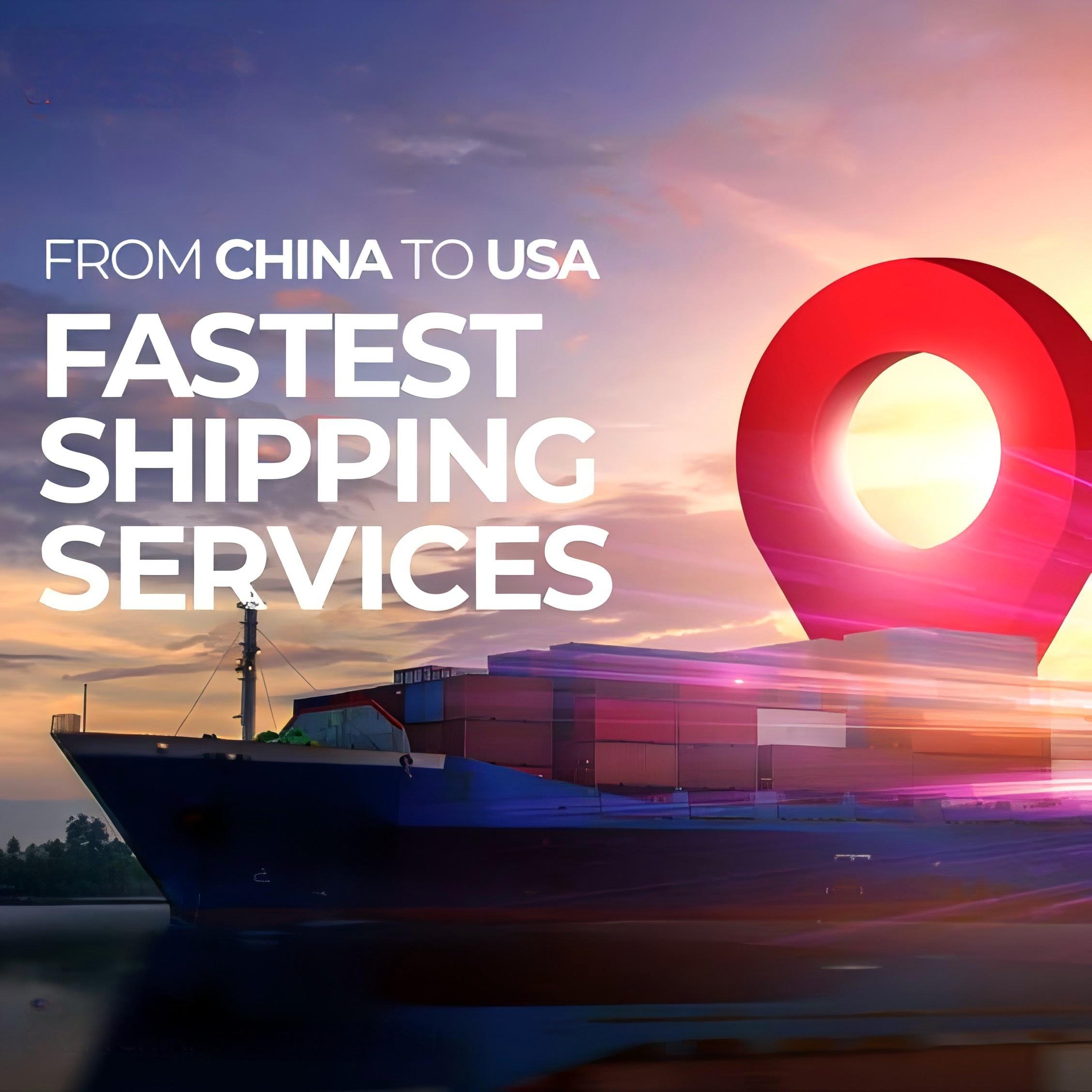

Air Freight China for Ecommerce USA: The Ultimate 2025 Guide
Navigating the complexities of international logistics is vital for any online business owner looking to scale. Utilizing air freight china for ecommerce usa provides the speed and reliability necessary to meet modern consumer expectations. Consequently, understanding how to manage these shipments effectively can significantly improve your bottom line and customer satisfaction levels. This guide explores everything from cost optimization to customs clearance for your US-bound cargo.

Why Choose Air Freight for Your US Ecommerce Business?
Speed remains the primary reason why businesses opt for air freight when moving goods from China to the United States. Furthermore, the ability to restock inventory in days rather than months allows brands to respond quickly to market trends. This agility is particularly crucial for high-demand items or seasonal products that have a short shelf life. Indeed, maintaining a lean supply chain depends heavily on the rapid transit times offered by air transport.
Security is another significant advantage offered by air cargo handling facilities at major hubs like Shanghai and Shenzhen. Moreover, airports maintain strict access controls and advanced monitoring systems to protect valuable merchandise from theft or damage. Consequently, insurance premiums for air shipments are often lower than those for sea freight due to the reduced time spent in transit. Shippers find that the lower risk of cargo damage offsets some of the higher upfront shipping costs.
Reliability in delivery schedules helps ecommerce sellers maintain their reputations on platforms like Amazon and eBay. Additionally, airlines offer frequent flights between major Chinese industrial centers and US gateways like LAX or JFK. This consistency ensures that your products reach customers without the lengthy delays often associated with port congestion or maritime weather issues. Therefore, air freight serves as a premium solution for businesses prioritizing customer experience and brand loyalty.
How Does Air Freight Compare to Other Shipping Options?
Comparing different transportation modes is essential for determining the most cost-effective strategy for your business. While air freight is faster, sea freight remains the standard for large-volume, heavy shipments. Specifically, ocean transport is significantly cheaper but can take up to 40 days to reach the US East Coast. On the other hand, air freight delivers goods in under a week, which is vital for maintaining high inventory turnover rates.
Express services provide a middle ground for very small parcels, often including door-to-door delivery within 3 to 5 days. However, for shipments exceeding 100 kilograms, traditional air freight usually offers better value through consolidated cargo options. Meanwhile, hybrid solutions like sea-air combinations are gaining popularity for those seeking a balance between cost and speed. Choosing the right method depends on your specific cargo size, budget, and urgency requirements.
Market data suggests that air freight is most economical for goods where the shipping cost represents less than 15 percent of the total product value. For instance, high-value electronics and fashion apparel are ideal candidates for air transport. In contrast, low-margin, heavy items like furniture are better suited for sea containers. Shippers must evaluate their profit margins carefully before committing to a specific shipping method for the long term.
| Shipping Method | Cost Range (per kg) | Transit Time | Best For |
|---|---|---|---|
| Air Freight | $5.00 – $9.00 | 5 – 9 Days | High-value, urgent stock |
| Sea Freight (LCL) | $0.50 – $1.50 | 25 – 40 Days | Bulky, low-margin goods |
| Express Service | $8.00 – $15.00 | 3 – 5 Days | Small samples, parcels |
| Sea-Air Hybrid | $2.50 – $4.50 | 15 – 22 Days | Balanced cost and speed |

Understanding Shipping Costs and Factors Influencing Rates
Calculating the total landed cost of your products requires a deep understanding of how freight rates are determined. For example, air carriers use a metric called chargeable weight, which is the greater of the actual weight or the volumetric weight. Consequently, lightweight but bulky items might cost more to ship than small, heavy packages. To optimize costs, importers should focus on efficient packaging that minimizes unused space within boxes.
Fuel surcharges and seasonal demand fluctuations significantly impact the final price you pay for shipping from China to North America. During peak seasons like the Q4 holiday rush, rates can double due to limited cargo space and increased competition. Furthermore, global events and oil price shifts frequently lead to weekly adjustments in carrier pricing. Therefore, booking your shipments well in advance is a smart strategy to secure better rates during busy periods.
Customs duties and taxes are often overlooked but represent a substantial portion of the total import/export expense. Specifically, the US government applies different tariff rates based on the Harmonized System (HS) code of your products. Additionally, certain goods may be subject to Section 301 tariffs, which can add an extra 25 percent to the cost of Chinese imports. To avoid surprises, always verify the current duty rates for your specific product category before placing large orders.
Transit Times: What to Expect for China-US Air Shipments
Transit time for air freight involves more than just the hours spent in the air between continents. Generally, the process includes inland trucking in China, export customs clearance, flight duration, and last-mile delivery in the USA. While the flight itself takes about 12 to 15 hours, the total door-to-door timeline usually spans 5 to 10 days. This schedule depends heavily on the efficiency of the ground handling teams at both the origin and destination airports.
Direct flights from major hubs like Shanghai (PVG) to Los Angeles (LAX) offer the fastest possible service for ecommerce sellers. However, using transshipment routes through cities like Seoul or Tokyo can sometimes be more cost-effective if speed is not the absolute priority. Meanwhile, port congestion at major US gateways can occasionally delay the ground portion of the delivery. As a result, shippers should build a small buffer into their supply chain timelines to account for unforeseen logistics hurdles.
Logistics trends for 2025 indicate that automation in cargo handling is slowly reducing the time spent in warehouses. Furthermore, many carriers are increasing their flight frequencies to accommodate the growing volume of small ecommerce parcels. Consequently, the gap between express courier speeds and standard air freight is narrowing for many routes. Importers who stay informed about these delivery schedule changes can better manage customer expectations and inventory levels.
| Origin (China) | Destination (USA) | Service Type | Total Days |
|---|---|---|---|
| Shenzhen | Los Angeles (LAX) | Direct | 5 – 7 Days |
| Shanghai | New York (JFK) | Direct | 6 – 8 Days |
| Guangzhou | Chicago (ORD) | Transshipment | 8 – 10 Days |
| Hong Kong | Dallas (DFW) | Direct | 6 – 7 Days |
Essential Customs Documentation for US Imports
Proper documentation is the foundation of a smooth customs brokerage process when importing from China. Indeed, missing or incorrect paperwork is the leading cause of shipment delays and expensive storage fees at US airports. The most critical document is the Commercial Invoice, which must clearly state the value, description, and HS code of the goods. Additionally, the Packing List provides details about the weight, dimensions, and contents of each individual carton.
Air Waybills (AWB) serve as the contract of carriage between the shipper and the airline, containing vital tracking information. Furthermore, for shipments valued over $2,500, US Customs and Border Protection (CBP) requires a formal entry and a continuous customs bond. Importers must also ensure that their products comply with specific agency regulations, such as those from the FDA or FCC. Consequently, partnering with an experienced broker can prevent legal complications and ensure your cargo moves through the border without issue.
Electronic filing systems have streamlined the submission process, allowing for pre-clearance while the goods are still in flight. Moreover, the Section 321 de minimis rule allows for duty-free entry of shipments valued under $800, which is a major benefit for many ecommerce businesses. However, recent regulatory changes suggest increased scrutiny on these low-value parcels to ensure compliance with safety standards. Therefore, maintaining accurate records of every transaction is more important now than ever before for long-term success.
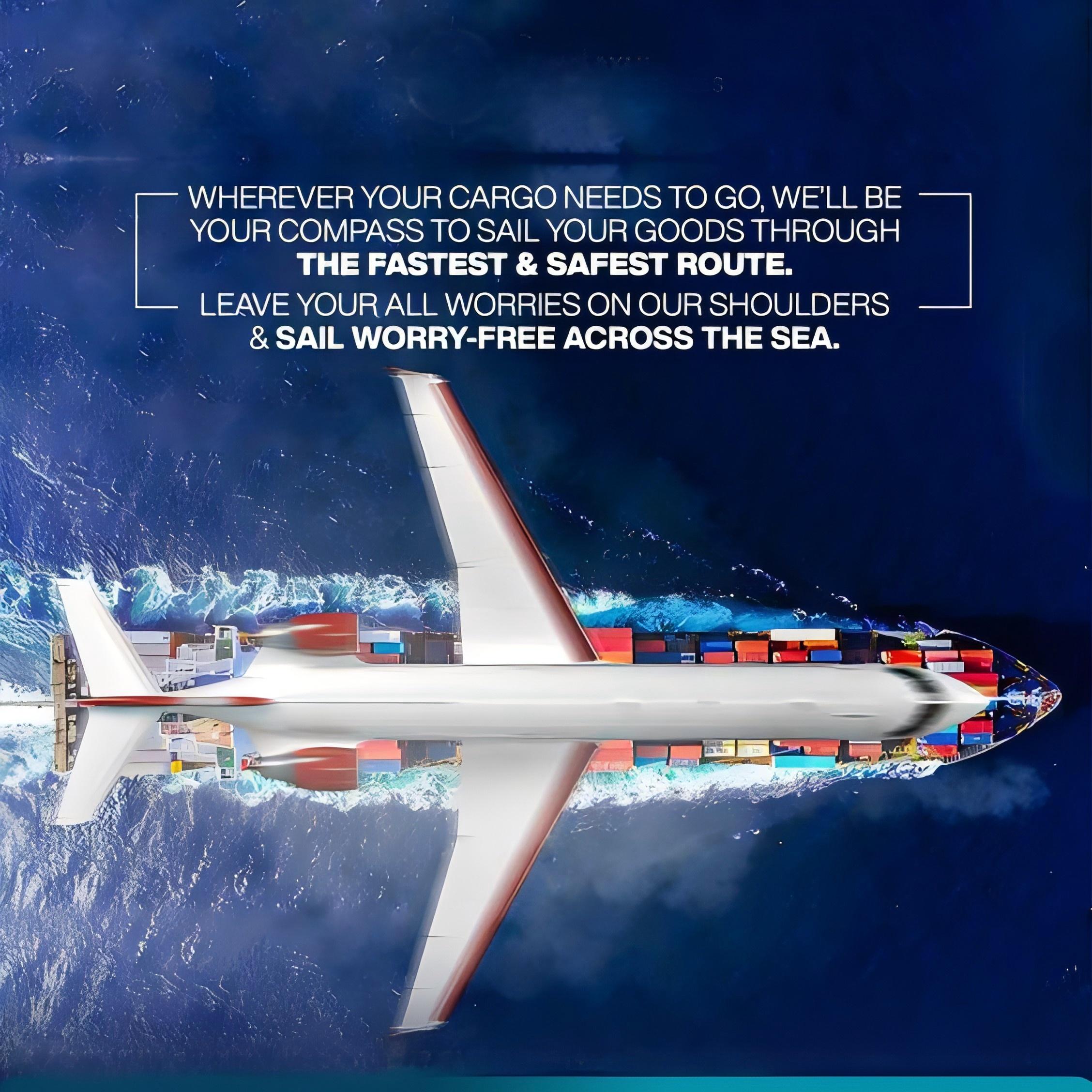
Optimizing Your Amazon FBA Strategy from China
Shipping directly to fulfillment centers requires a specialized approach known as Amazon FBA logistics. Specifically, Amazon has very strict requirements for how products are labeled, boxed, and palletized before they reach their warehouses. Failure to follow these guidelines can result in rejected shipments or additional processing fees that eat into your profits. Many sellers choose to use a prep service in China to ensure every item meets the necessary standards before it leaves the country.
Air freight is the preferred method for FBA sellers who need to maintain a high IPI (Inventory Performance Index) score. Furthermore, fast shipping prevents out-of-stock scenarios that can negatively impact your product’s search ranking on the platform. By utilizing air transport for small, frequent batches, you can reduce the amount of capital tied up in slow-moving inventory. This strategy allows for a more flexible business model that can adapt to changing consumer preferences in real-time.
Consolidated shipping services specifically designed for Amazon sellers help reduce costs by pooling cargo from multiple vendors. Additionally, these services often include final-mile delivery via UPS or FedEx once the goods have cleared customs in the US. Consequently, you get the benefit of lower bulk air freight rates combined with the convenience of domestic courier tracking. This end-to-end visibility is essential for managing a remote supply chain effectively from anywhere in the world.
Real Case Studies: Air Freight Success Stories
Examining real-world examples provides valuable insights into how different businesses utilize air freight to overcome logistics challenges. These cases highlight the importance of choosing the right route and service level based on specific product needs. Note: Freight rates are subject to change based on fuel costs, carrier capacity, and seasonal demand. Contact us for a current quote tailored to your specific shipment.
Case Study 1: High-End Electronics Launch
Route: Shenzhen, China to Los Angeles, USA. Cargo: 500 units of premium wireless headphones, 1.2 CBM, 280 kg. Shipping Method: Standard Air Freight. Carrier: Cathay Pacific. Total Landed Cost: $2,450 (excluding duties). Transit Time: 6 days door-to-door. Key Insight: The client used air freight to meet a strict product launch deadline, ensuring inventory was available for the first day of sales. Based on Q4 2024 market rates.
Case Study 2: Seasonal Fashion Restock
Route: Shanghai, China to New York, USA. Cargo: 1,200 pieces of summer apparel, 3.5 CBM, 650 kg. Shipping Method: Air Freight with Transshipment via Incheon. Carrier: Korean Air. Total Landed Cost: $4,800. Transit Time: 9 days door-to-door. Key Insight: By choosing a transshipment route, the seller saved 15% on freight costs while still receiving the goods in time for the peak summer shopping window. Typical rates as of early 2025.
Alternative Shipping Strategies and Hybrid Solutions
Choosing the right strategy often involves looking beyond traditional air or sea options to find a custom fit. For instance, door to door services simplify the entire process by handling every step from the factory floor to your customer’s doorstep. This all-in-one approach reduces the administrative burden on small business owners who may not have dedicated logistics teams. Furthermore, it provides a single point of contact for tracking and troubleshooting.
Sea-Air hybrid solutions offer a clever way to save money without the long wait times of pure ocean freight. Specifically, goods are shipped by sea from China to a hub like Dubai or Singapore and then flown to the United States for the final leg. This method can reduce costs by up to 40 percent compared to pure air freight while cutting transit time in half compared to sea freight. Shippers often use this for mid-value products that are not extremely time-sensitive.
Direct-to-consumer (DTC) shipping from China warehouses is another trend gaining traction among Shopify and WooCommerce sellers. Instead of importing bulk stock to the US, orders are fulfilled individually and shipped via international express or specialized e-packet services. Consequently, businesses can test new products with minimal upfront investment in inventory. However, this model requires a high level of trust in your Chinese fulfillment partner and clear communication with customers regarding shipping times.
Final Thoughts on Air Freight China for Ecommerce USA
Mastering air freight china for ecommerce usa is a game-changer for businesses looking to compete in the fast-paced American market. By prioritizing speed and reliability, you can ensure your products are always available when customers want them. Moreover, understanding the nuances of chargeable weight and customs documentation will help you avoid unnecessary expenses and delays. As global trade continues to evolve, staying adaptable and informed remains the best strategy for long-term success.
Ultimately, the choice of shipping method should align with your business goals, product margins, and customer expectations. Whether you utilize direct air freight for urgent restocks or hybrid solutions for cost savings, the right logistics partner is essential. We encourage you to evaluate your current shipping processes and consider how air cargo can enhance your operational efficiency. Start optimizing your China-to-USA supply chain today to secure your place in the future of ecommerce.
Ready to streamline your logistics?
Ready to streamline your supply chain and boost your ecommerce growth? Contact the experts at DSV-Freight today for a customized quote on air freight china for ecommerce usa. Let us handle the logistics so you can focus on scaling your brand. Send Inquiry link:
Request Quote