

- By Jaxin
- July 31, 2026
- Amazon FBA
Introduction
Importers often face unexpected logistics expenses because rail freight prices can change due to capacity, fuel costs, seasonal demand, and route conditions. Meanwhile, unclear quotations make it difficult for businesses to prepare accurate transportation budgets.
A container rail freight with fixed pricing solution helps companies achieve better cost control by providing transparent rates and predictable shipping expenses. Moreover, fixed pricing services allow importers to plan supply chain budgets while reducing the risk of unexpected charges.
Therefore, understanding how fixed-price rail freight works can help businesses improve financial planning and create more reliable international transportation strategies.

Why Do Importers Need Container Rail Freight with Fixed Pricing?
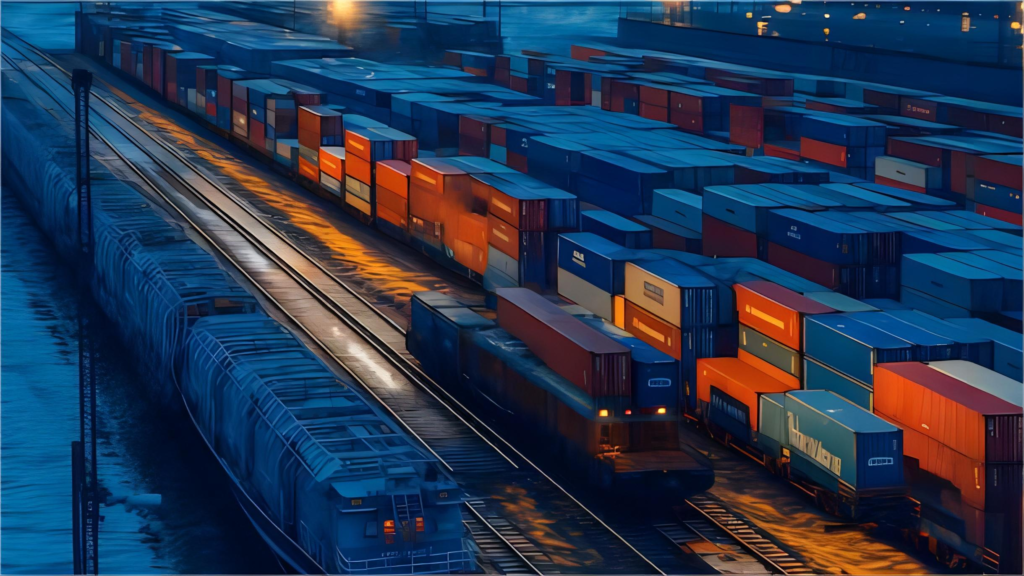
Freight cost uncertainty is a common challenge for international importers. However, many businesses focus only on transportation rates and overlook additional charges that may appear during the shipping process.
A fixed pricing rail freight solution provides clearer cost management by combining transportation services into a predictable quotation.
| Traditional Rail Freight Pricing | Fixed Pricing Rail Freight |
|---|---|
| Rates may change frequently | Stable transportation cost |
| Multiple additional charges | Clear cost structure |
| Difficult budget planning | Easier financial forecasting |
| Higher uncertainty | Better cost control |
Furthermore, fixed pricing is especially valuable for companies with regular shipments.
Key benefits include:
| Benefit | Business Value |
|---|---|
| Predictable expenses | Improves budget planning |
| Transparent quotations | Reduces hidden fees |
| Better supply chain control | Supports long-term operations |
| Easier supplier management | Improves logistics coordination |
Additionally, importers can compare transportation solutions more effectively because they understand the expected total cost before shipment.
For example, a company importing machinery components from China to Europe can use fixed-price rail freight to maintain stable logistics expenses while avoiding unexpected market fluctuations.
How Does Container Rail Freight with Fixed Pricing Work?
A container rail freight with fixed pricing service usually combines railway transportation, operational handling, and related logistics support into one transparent quotation.
Main Pricing Components
Firstly, importers should understand what a fixed-price quotation normally includes.
| Cost Component | Included Service |
|---|---|
| Rail transportation | Main railway freight charge |
| Origin handling | Container preparation and terminal services |
| Documentation | Shipping paperwork support |
| Customs coordination | Export and import assistance |
| Delivery arrangement | Optional inland transportation |
Moreover, fixed pricing does not mean every shipment has the same price. Instead, rates are usually calculated according to shipment conditions.
Factors Affecting Fixed Pricing
Additionally, several factors influence the final quotation.
| Factor | Pricing Impact |
|---|---|
| Container size | Larger containers increase costs |
| Route distance | Longer routes require higher rates |
| Destination country | Affects railway and delivery fees |
| Cargo requirements | Special handling may add costs |
Therefore, professional logistics providers analyze shipment details before confirming fixed pricing.
Furthermore, accurate cargo information helps avoid later adjustments and ensures smoother transportation planning.
What Are the Advantages of Container Rail Freight with Fixed Pricing?
Fixed pricing provides several advantages for businesses that require stable international shipping solutions. Moreover, it improves supply chain visibility by allowing companies to estimate transportation expenses before shipment.
Improve Cost Forecasting
Firstly, predictable pricing helps businesses manage logistics budgets.
| Business Challenge | Fixed Pricing Solution |
|---|---|
| Changing freight rates | Stable quotation period |
| Unclear shipment expenses | Transparent cost structure |
| Difficult financial planning | Better forecasting |
Additionally, companies can improve purchasing decisions because transportation expenses are easier to calculate.
Reduce Logistics Risks
Furthermore, fixed-price rail freight helps reduce financial uncertainty.
| Risk | How Fixed Pricing Helps |
|---|---|
| Market price changes | Provides stable rates |
| Unexpected charges | Defines included services |
| Budget problems | Improves cost visibility |
Consequently, businesses can focus more on supply chain growth instead of constantly monitoring transportation price changes.
How Can Importers Choose the Right Container Rail Freight with Fixed Pricing Service?
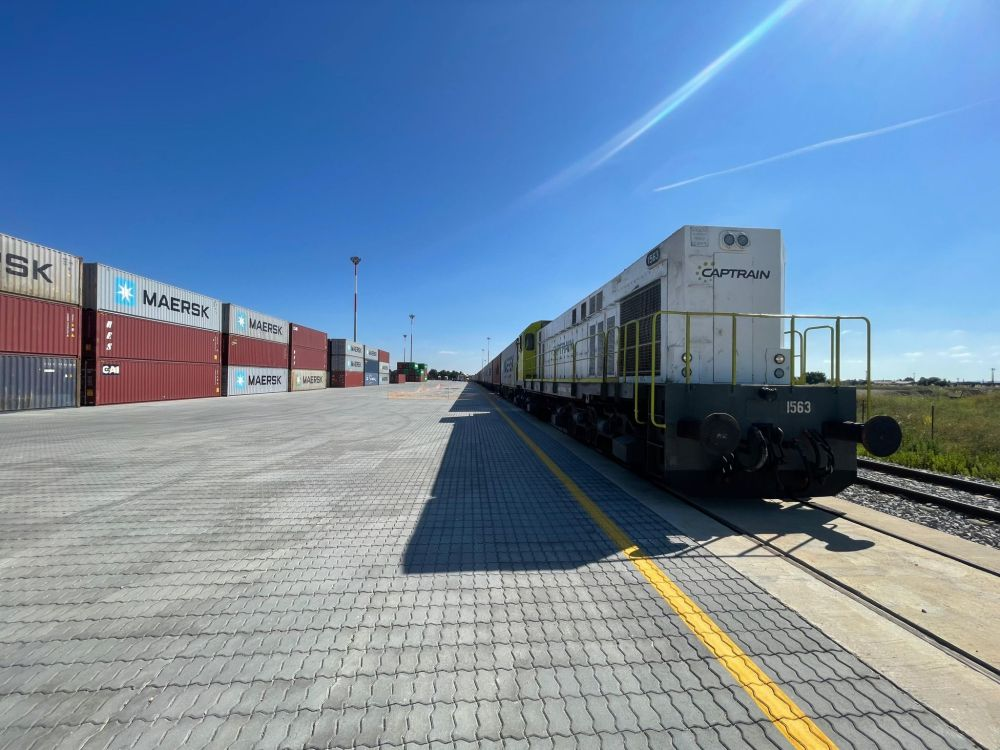
Selecting the right fixed-price rail freight provider requires evaluating more than just the quoted transportation rate. Therefore, importers should consider service coverage, pricing transparency, and operational experience.
Check Pricing Transparency
Firstly, businesses should confirm what services are included in the fixed quotation.
| Evaluation Item | Why It Matters |
|---|---|
| Included services | Prevents unexpected charges |
| Valid pricing period | Helps with shipment planning |
| Route details | Ensures accurate cost comparison |
| Additional fee policy | Reduces financial risks |
Moreover, a reliable provider should clearly explain whether customs, terminal handling, and inland delivery are included.
Evaluate Logistics Capability
Additionally, importers should review the provider’s operational experience.
| Capability | Business Benefit |
|---|---|
| Railway network knowledge | Better route planning |
| Customs experience | Fewer clearance problems |
| Container management | More stable shipment schedules |
| Tracking support | Better shipment visibility |
Furthermore, experienced logistics providers can recommend suitable container solutions based on cargo volume and destination requirements.
Consequently, choosing the right partner helps companies achieve predictable costs without sacrificing transportation quality.
Container Rail Freight with Fixed Pricing Case Studies
Case Study 1: Electronics Importer Controlled Transportation Budget
| Item | Details |
|---|---|
| Origin | Electronics supplier warehouse in Shenzhen → Distribution center in Hungary |
| Cargo | Consumer electronics components |
| Transit Time | 18 days rail transportation + local delivery |
| Cost | Controlled logistics expenses through fixed-price rail planning |
| Transportation Method | Container rail freight + door-to-door trucking |
| Customs Clearance Details | Commercial invoice review, HS code verification, import declaration support |
| Challenge | The importer faced unstable freight costs during frequent international shipments |
| Solution | The logistics provider arranged fixed pricing based on shipment frequency and selected a stable rail route |
| Result | The company improved budget forecasting and reduced unexpected transportation expenses |
Case Study 2: Machinery Manufacturer Improved Cost Predictability
| Item | Details |
|---|---|
| Origin | Manufacturing facility in Jiangsu → Industrial warehouse in Germany |
| Cargo | Machinery parts and equipment components |
| Transit Time | 22 days including customs processing |
| Cost | Reduced cost fluctuations through fixed quotation planning |
| Transportation Method | Full container rail freight + specialized inland transport |
| Customs Clearance Details | Technical document checking, cargo classification support, customs coordination |
| Challenge | The company needed stable logistics costs for long-term production planning |
| Solution | The freight provider created a fixed-price rail transportation plan covering regular shipments |
| Result | The importer achieved better financial planning and more reliable supply chain operations |
How Does Container Rail Freight with Fixed Pricing Support Long-Term Supply Chains?
A container rail freight with fixed pricing strategy provides long-term benefits beyond simple cost control. Moreover, predictable transportation expenses help businesses improve operational planning and supplier coordination.
Improve Supply Chain Stability
Firstly, stable pricing supports better business decisions.
| Supply Chain Area | Improvement |
|---|---|
| Budget management | More accurate cost forecasts |
| Inventory planning | Better replenishment schedules |
| Supplier coordination | Easier shipment planning |
Additionally, companies can create more reliable logistics strategies because transportation expenses become easier to estimate.
Support Business Growth
Furthermore, fixed-price rail solutions help growing companies handle increasing shipment volumes.
Benefits include:
- More predictable logistics expenses
- Easier international expansion
- Better customer delivery planning
- Reduced exposure to market changes
Therefore, container rail freight with fixed pricing is especially valuable for importers seeking stable and scalable transportation solutions.
Conclusion
Container rail freight with fixed pricing helps importers achieve better cost control, predictable transportation expenses, and improved supply chain planning. Moreover, fixed-price solutions reduce uncertainty by providing clearer quotations and more reliable logistics management.
Therefore, businesses that require stable international shipping should consider professional rail freight providers with transparent pricing, customs support, and complete transportation solutions.
Need a container rail freight with fixed pricing solution? Contact our logistics team for customized quotations, route planning, and stable rail shipping options.
FAQs
1. What is container rail freight with fixed pricing?
Container rail freight with fixed pricing provides a stable transportation quotation that helps importers manage shipping expenses without frequent price changes.
2. Does fixed pricing include customs clearance?
It depends on the service package. Many providers include customs coordination, while some quotations only cover railway transportation.
3. Is fixed-price rail freight cheaper than spot pricing?
Fixed pricing may not always be the lowest short-term rate, but it provides better cost stability and reduces risks from market fluctuations.
4. How long does container rail freight from China take?
Transit time depends on destination and route. Generally, China-Europe container rail freight takes around 15–25 days.
5. What affects fixed rail freight pricing?
Pricing depends on container size, route distance, cargo type, destination, railway capacity, and included logistics services.