

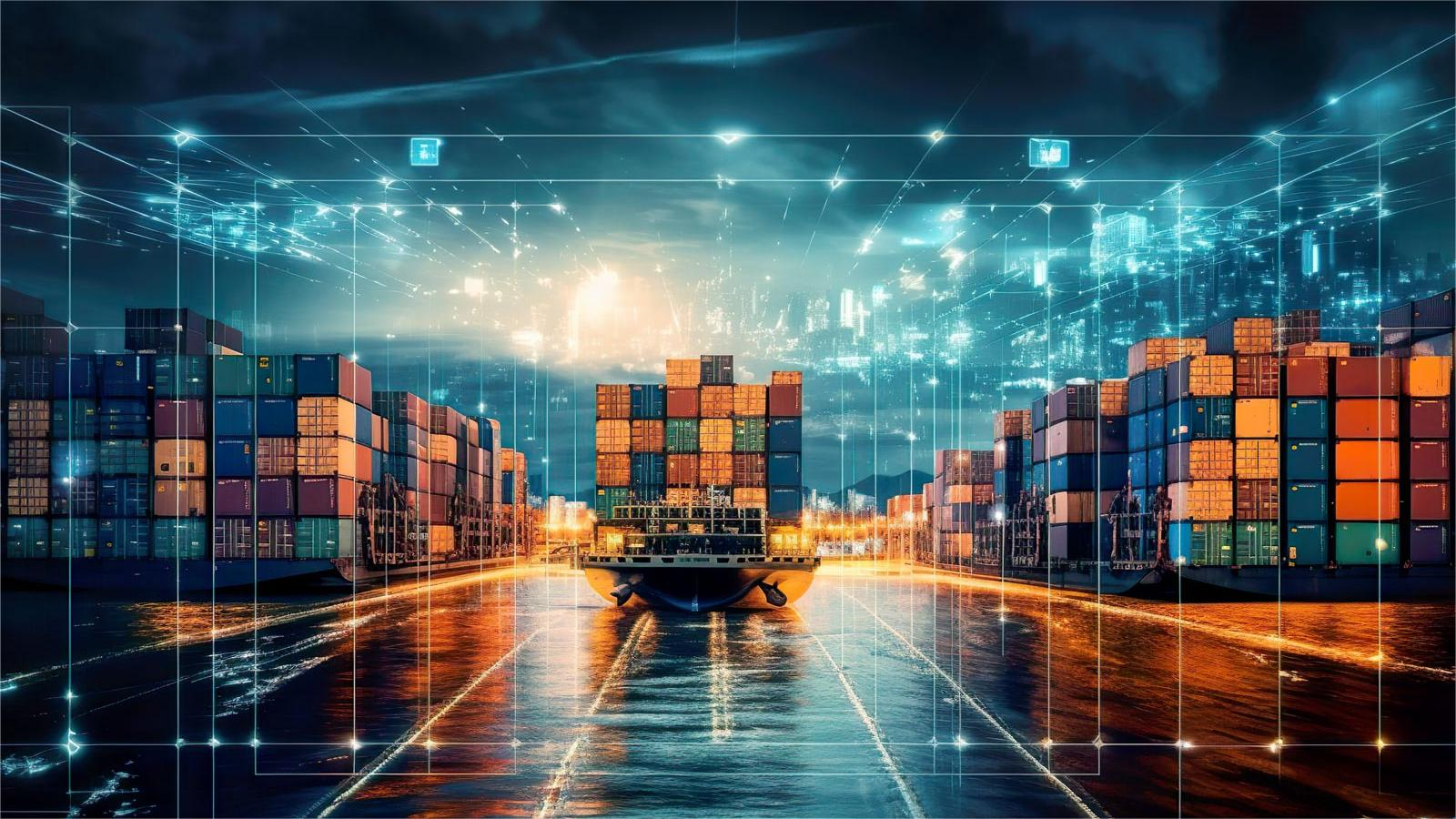
China Export Logistics Delay Customs Inspection Solution for 2026
Managing international trade requires a robust china export logistics delay customs inspection solution to prevent costly bottlenecks. Many importers face significant hurdles when their cargo gets held at major ports like Shanghai or Shenzhen due to regulatory scrutiny. You can streamline your operations by partnering with a reliable freight forwarder like DSV-Freight to navigate these complexities. This guide provides actionable strategies to ensure your goods move across borders without unnecessary interruptions in the 2026 market.

What Causes China Export Logistics Delays in 2026?
Global trade environments have evolved rapidly, leading to new challenges for exporters and importers alike. Increased regulatory requirements and stricter safety protocols often result in extended waiting periods at the port of loading. Consequently, businesses must understand the specific triggers that lead to intensive cargo examinations.
Documentation errors remain a leading cause of logistics friction. Even a minor discrepancy in the commercial invoice or packing list can trigger a full physical inspection. Furthermore, seasonal peaks during the late third quarter often overwhelm port capacity, leading to significant backlogs.
Labor shortages in specific regional hubs have also contributed to slower processing times. Meanwhile, updated environmental regulations require more detailed reporting for certain commodity groups. Therefore, proactive planning is no longer optional for maintaining a healthy supply chain.
The Ultimate China Export Logistics Delay Customs Inspection Solution
Implementing a comprehensive china export logistics delay customs inspection solution involves both digital tools and physical oversight. You should prioritize the accuracy of your HTS codes to avoid immediate red flags from automated systems. Additionally, hiring an experienced customs brokerage service ensures that all paperwork meets the latest 2026 standards.
Pre-filing your documentation is another critical step in the process. By submitting data before the cargo reaches the terminal, you allow authorities to perform preliminary risk assessments. This approach often results in a green light for immediate loading upon arrival.
Digital tracking systems provide real-time visibility into the status of your shipments. These platforms alert you to potential issues before they become major disruptions. Indeed, visibility is the foundation of any modern logistics risk management strategy.
Collaboration with local agents who understand the nuances of regional customs offices is invaluable. These experts can provide on-ground support to resolve disputes or clarify questions from inspectors. Consequently, your cargo spends less time sitting in a warehouse and more time in transit.
How Does Sea Freight Compare to Other Shipping Options?
Choosing the right transport mode is a vital part of your china export logistics delay customs inspection solution. While sea freight offers the lowest cost for high-volume shipments, it is also the most susceptible to port-related delays. On the other hand, faster modes provide a buffer against supply chain variability.
Air transport remains the gold standard for urgent cargo despite its higher price point. If your production schedule falls behind, switching to air freight can save your customer relationships. However, you must balance the speed against your profit margins carefully.
Rail options have gained popularity for shipments destined for Europe due to their balanced cost-to-speed ratio. This method avoids the congestion often found at major sea terminals. Nevertheless, rail infrastructure can still face bottlenecks at border crossings during peak seasons.
| Shipping Method | Cost Range | Transit Time | Best For |
|---|---|---|---|
| Sea Freight (FCL) | $1,500 – $4,500 | 14 – 35 Days | Bulk Goods / Large Volume |
| Air Freight | $5 – $12 per kg | 3 – 7 Days | High Value / Urgent |
| Rail Freight | $2,000 – $3,500 | 18 – 22 Days | Mid-sized Europe Cargo |
| Express Service | $8 – $20 per kg | 2 – 5 Days | Samples / Small Parcels |
Real-World Case Studies for Export Success
Examining actual shipping scenarios helps illustrate the effectiveness of a proactive china export logistics delay customs inspection solution. These examples reflect typical market conditions and costs observed in early 2026. Each case highlights a different strategy for overcoming common logistics obstacles.
Case Study 1: Electronics to Los Angeles. Route: Shenzhen to LA Port. Cargo: 500 units of smart devices, 12 CBM. Method: Sea Freight (LCL). Ocean Freight: $1,200. Origin Charges: $250. Destination Charges: $400. Customs: $1,100. Total Cost: $2,950. Transit: 18 days. Insight: Pre-clearing the LCL shipment saved 4 days of terminal storage fees.
Case Study 2: Apparel to Hamburg. Route: Shanghai to Hamburg. Cargo: 2,000 kg of textiles. Method: Amazon FBA Sea-Air Hybrid. Total Landed Cost: $5,800. Transit: 14 days. Insight: Using a hybrid solution bypassed the congested Suez route while keeping costs lower than pure air freight.
Note: Freight rates are subject to change based on fuel costs, carrier capacity, and seasonal demand. Contact us for a current quote tailored to your specific shipment.
Which Option Should You Choose for Your Business?
Selecting the optimal shipping strategy depends on your specific priorities and budget constraints. If your primary goal is cost reduction, sea freight remains the most viable option for large inventories. However, you must factor in the potential for longer lead times and build a buffer into your schedule.
Speed-sensitive businesses should look toward door to door air services. This method minimizes handling and reduces the risk of damage or theft during transit. Additionally, it simplifies the billing process by consolidating all fees into a single invoice.
Volume thresholds also play a role in your decision-making process. For shipments under 15 CBM, LCL is often more economical than paying for a half-empty 20GP container. Conversely, once you exceed 20 CBM, FCL becomes the more cost-effective and secure choice.
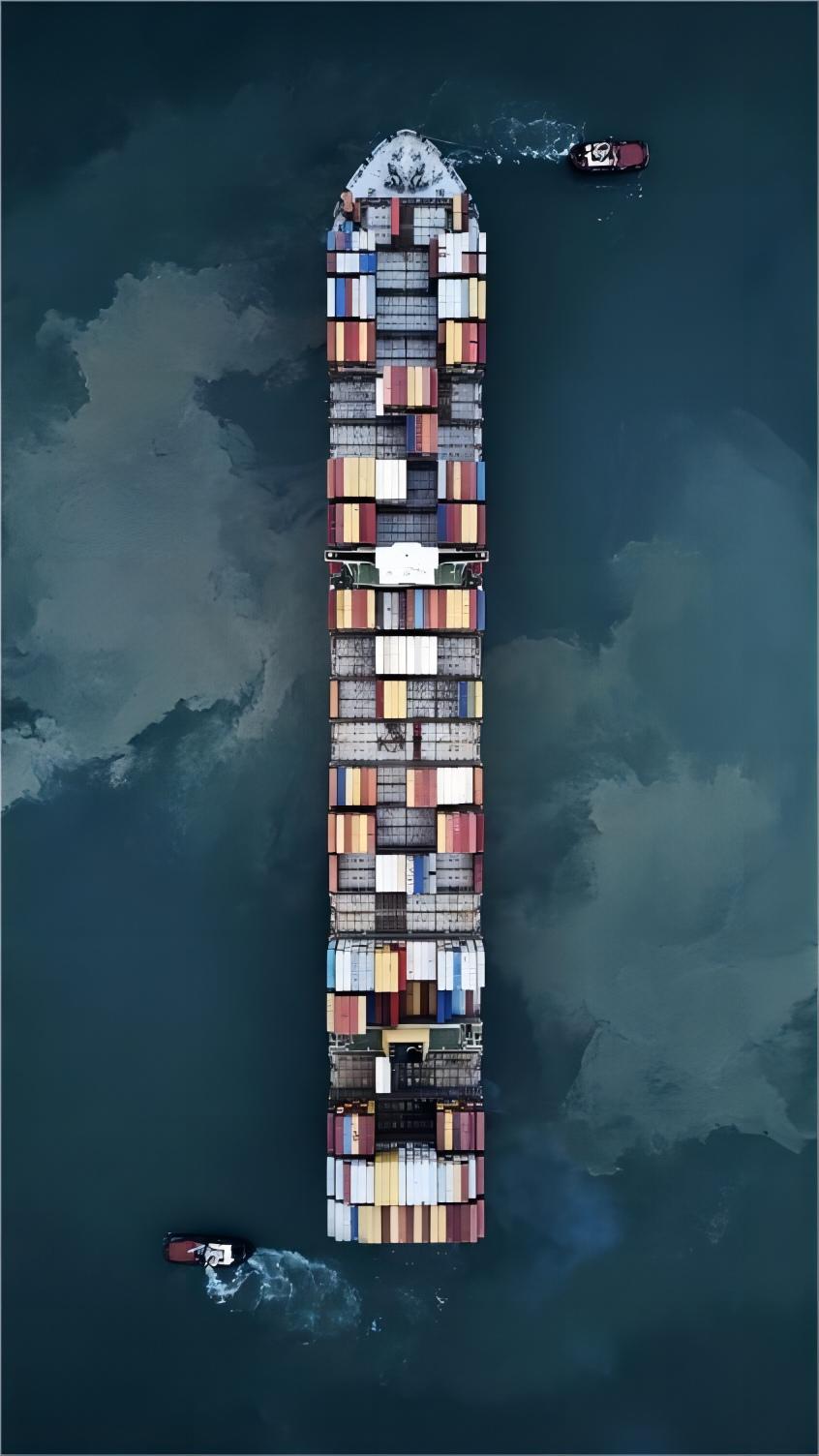
Essential Documentation for Smooth Customs Clearance
Accurate paperwork is the most effective china export logistics delay customs inspection solution available to any business. Authorities in 2026 utilize advanced AI to scan documents for inconsistencies. Therefore, you must ensure that every detail matches across all forms.
The commercial invoice must clearly state the value, origin, and description of every item. Moreover, the packing list should detail the weight and dimensions of each individual carton. Discrepancies between these two documents are the most common reason for physical inspections.
Certain products require specialized certificates, such as CE for Europe or UL for North America. Failing to include these documents will lead to immediate seizure or return of the cargo. Consequently, verifying compliance requirements before the ship departs is a mandatory step.
| Document Name | Purpose | Critical Details | Required By |
|---|---|---|---|
| Commercial Invoice | Valuation | Currency, Unit Price | All Customs |
| Packing List | Cargo Verification | Net/Gross Weight | Port Authority |
| Bill of Lading | Title of Goods | Consignee Details | Carrier |
| Cert. of Origin | Duty Calculation | Country of Manufacture | Import Customs |
Long-term Strategies for Supply Chain Resilience
Building a resilient supply chain requires looking beyond individual shipments. You should diversify your port choices to avoid over-reliance on a single hub. For instance, using Ningbo as an alternative to Shanghai can provide a safety net during local lockdowns or strikes.
Investing in logistics technology allows you to analyze historical data and identify patterns in delays. By understanding which carriers have the best on-time performance, you can make better booking decisions. Furthermore, maintaining a safety stock in local warehouses reduces the impact of any single delay.
Communication with your suppliers is equally important for long-term success. Ensure they understand the importance of proper labeling and packaging to avoid issues during the inspection process. Indeed, a collaborative approach across the entire chain is the best way to mitigate risks.
Final Thoughts on Export Logistics Solutions
Navigating the complexities of international trade requires constant vigilance and expert support. By implementing a comprehensive china export logistics delay customs inspection solution, you can significantly reduce the risk of unexpected costs and transit interruptions. Remember that documentation accuracy and proactive planning are your best tools for success.
As we move through 2026, staying informed about market trends and regulatory changes will remain crucial. Partnering with professional freight experts ensures that your supply chain remains agile and competitive in a global marketplace. Take the first step toward seamless shipping by reviewing your current logistics protocols today.
Get Your Shipping Quote Today
Stop letting border delays impact your bottom line. Our team provides the expert china export logistics delay customs inspection solution you need to keep your business moving. Send Inquiry: Visit alichinafreight.com to get a custom quote and optimize your 2026 shipping strategy today.
Frequently Asked Questions
What is the most common reason for customs delays in China?
The most frequent cause is documentation discrepancy. Inaccurate HTS codes or mismatched values between invoices and packing lists trigger manual inspections.
How long does a typical customs inspection take in 2026?
Routine inspections usually take 2 to 5 days. However, if serious issues are found, the delay can extend to several weeks depending on the port.
Can I avoid inspections by using air freight?
Air freight is not exempt from inspections, but the process is generally faster. Authorities still perform random and risk-based checks on air cargo.
Does a customs broker help reduce logistics delays?
Yes, a professional broker ensures all paperwork is compliant and pre-filed. This proactive approach significantly reduces the likelihood of a hold.
What should I do if my cargo is flagged for inspection?
Immediately provide any requested additional documentation to your agent. Prompt communication with customs officials is key to resolving the issue quickly.
Are there specific ports in China with fewer delays?
Smaller regional ports may have faster processing times than major hubs like Shanghai. However, they often have fewer direct vessel callings.
How do 2026 regulations affect export logistics?
New digital reporting requirements mean that data accuracy is more critical than ever. Automated systems now flag inconsistencies instantly.
Is insurance necessary for delayed shipments?
Standard cargo insurance usually covers damage but not losses due to delays. You may need specific ‘delay in transit’ coverage for high-value goods.