

- By Jaxin
- August 4, 2026
- Amazon FBA
Introduction
Trucking freight after railway cargo delivery is a critical part of modern multimodal logistics, connecting rail terminals with warehouses, distribution centers, factories, and final destinations. Although rail freight provides an efficient solution for long-distance transportation, cargo still requires reliable inland trucking after arriving at the railway terminal.
However, the transition from rail to truck is often where supply chain delays occur. Limited terminal coordination, unclear delivery schedules, customs delays, or insufficient trucking capacity can affect overall shipment performance. Therefore, businesses need a well-organized rail-to-truck logistics plan to ensure smooth cargo movement.
Moreover, professional trucking coordination helps reduce unnecessary handling, improve delivery visibility, and maintain predictable arrival times. By combining railway transportation with flexible trucking services, companies can achieve a complete door-to-door logistics solution.
This guide explains how trucking freight works after railway cargo delivery, common challenges, practical solutions, and how integrated logistics services improve international supply chain efficiency.

Why Is Trucking Freight After Railway Cargo Delivery Important?
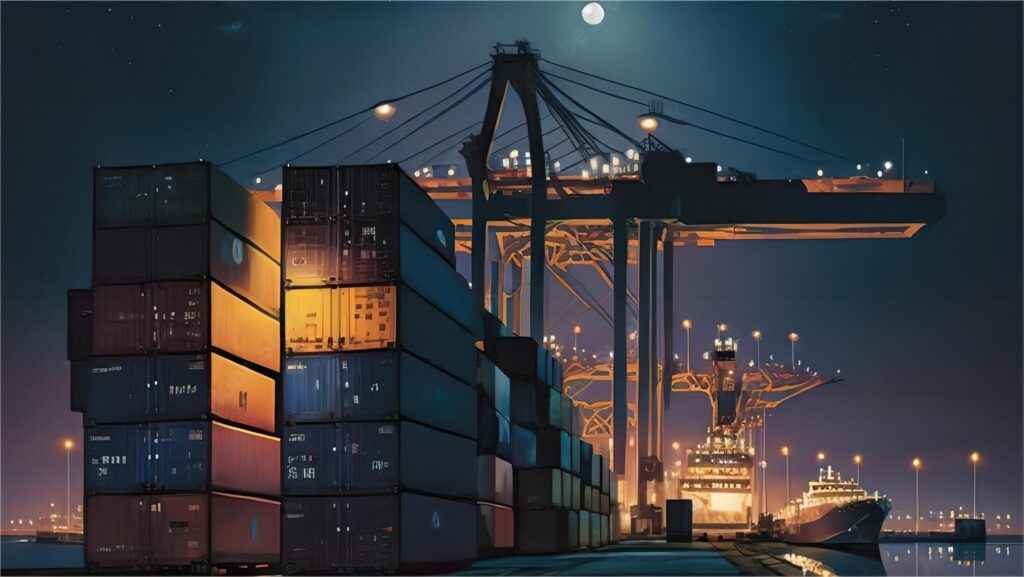
Trucking freight after railway cargo delivery completes the final stage of international transportation. Consequently, businesses can move cargo from inland rail terminals directly to operational locations without arranging multiple transportation providers.
Furthermore, efficient rail-to-truck connections improve delivery speed and reduce unnecessary storage or handling costs.
Key Benefits Of Rail-To-Truck Transportation
| Benefit | Business Value |
|---|---|
| Door-To-Door Delivery | Simplifies logistics management |
| Flexible Destination Options | Supports warehouses and factories |
| Reduced Cargo Handling | Lowers damage risks |
| Faster Local Distribution | Improves delivery efficiency |
| Better Shipment Visibility | Easier supply chain planning |
Common Applications
Trucking after railway delivery is suitable for:
- Factory deliveries
- Warehouse replenishment
- Distribution center transfers
- Retail supply chains
- Project cargo transportation
Therefore, integrating trucking with rail freight creates a more complete transportation solution.
How Does Trucking Freight After Railway Cargo Delivery Work?
The rail-to-truck process requires coordination between railway operators, terminals, trucking companies, customs brokers, and final receivers. Therefore, professional management is essential to avoid unnecessary waiting time.
Standard Rail-To-Truck Workflow
- Railway cargo arrives at terminal
- Terminal unloading and cargo handling
- Customs clearance completion
- Truck assignment and scheduling
- Cargo pickup from terminal
- Final delivery to destination
Transportation Process
| Stage | Description |
|---|---|
| Rail Arrival | Cargo reaches destination terminal |
| Terminal Handling | Container or cargo preparation |
| Customs Processing | Import clearance completed |
| Truck Dispatch | Local transportation arranged |
| Final Delivery | Cargo delivered to customer |
Moreover, real-time communication between all parties helps prevent missed delivery windows.
Consequently, businesses achieve smoother transitions between long-distance rail transport and local distribution.
What Challenges Affect Trucking After Railway Delivery?
Although trucking is flexible, several operational issues can affect delivery performance. Therefore, identifying potential problems early helps businesses create better logistics plans.
Common Challenges
| Challenge | Impact |
|---|---|
| Terminal Congestion | Longer waiting times |
| Truck Availability Issues | Delivery delays |
| Customs Clearance Delays | Cargo cannot be released |
| Poor Scheduling | Missed delivery windows |
| Limited Destination Coverage | Additional transfers |
How To Improve Efficiency
Additionally, businesses should:
- Arrange trucks before rail arrival.
- Confirm terminal operating schedules.
- Prepare customs documents early.
- Use professional local carriers.
- Track shipment status continuously.
As a result, proactive planning reduces delays and improves final delivery reliability.
How Can Integrated Logistics Improve Rail-To-Truck Delivery?
A professional logistics provider combines rail transportation, trucking, customs clearance, and warehouse services into one coordinated solution. Furthermore, this reduces communication complexity and improves shipment control.
Integrated Service Advantages
| Service | Benefit |
|---|---|
| Terminal Coordination | Faster cargo release |
| Local Trucking Network | Reliable delivery capacity |
| Customs Brokerage | Reduced clearance risks |
| Warehouse Support | Flexible cargo handling |
| Shipment Tracking | Better visibility |
Suitable Cargo Types
Integrated rail and trucking solutions are commonly used for:
- Machinery and equipment
- Consumer goods
- Automotive parts
- Electronics
- Industrial materials
Moreover, businesses with regular shipments can benefit from dedicated transportation planning and scheduled trucking capacity.
Therefore, integrated logistics creates a more stable and efficient supply chain.
Real-World Trucking Freight After Railway Cargo Delivery Cases
🚆 Delivering Industrial Equipment From Rail Terminal To Factory
| 📌 Item | Details |
|---|---|
| 📍 Origin & Destination | International Rail Terminal → Manufacturing Facility |
| 📦 Cargo | Industrial Machinery Parts |
| ⏱ Transit Time | 20 Days Rail + 2 Days Trucking |
| 💰 Estimated Cost | USD 8,700 |
| 🚆 Transportation Method | Rail Freight + Heavy-Duty Truck Delivery |
| 🛃 Customs Clearance | Completed before terminal pickup |
| 📝 Overview | The customer required direct delivery from the rail terminal to a production facility to avoid additional warehouse handling. |
| ✅ Result | Equipment arrived safely and production preparation continued without delays. |
📦 Supporting Warehouse Replenishment For Retail Inventory
| 📌 Item | Details |
|---|---|
| 📍 Origin & Destination | Rail Terminal → Regional Distribution Warehouse |
| 📦 Cargo | Consumer Products |
| ⏱ Transit Time | 18 Days Rail + 1 Day Trucking |
| 💰 Estimated Cost | USD 5,400 |
| 🚆 Transportation Method | Rail Freight + Standard Truck Delivery |
| 🛃 Customs Clearance | Import documents prepared before arrival |
| 📝 Overview | A retailer needed consistent inventory replenishment from railway arrival points to regional warehouses. |
| ✅ Result | Warehouse receiving schedules remained stable during peak demand periods. |
🚪 Completing Door-To-Door Delivery For Project Cargo
| 📌 Item | Details |
|---|---|
| 📍 Origin & Destination | Rail Hub → Construction Project Site |
| 📦 Cargo | Construction Materials |
| ⏱ Transit Time | 22 Days Rail + 3 Days Trucking |
| 💰 Estimated Cost | USD 9,200 |
| 🚆 Transportation Method | Rail Freight + Local Project Trucking |
| 🛃 Customs Clearance | Coordinated before final delivery |
| 📝 Overview | The project required direct transportation from the rail hub to a remote construction location. |
| ✅ Result | Materials arrived according to the project schedule without additional transfers. |
How To Choose The Right Trucking Partner After Railway Delivery?
Selecting a reliable trucking provider is essential because the final transportation stage directly affects delivery performance. Therefore, businesses should evaluate local trucking capability together with international logistics experience.
Key Evaluation Factors
| Capability | Business Benefit |
|---|---|
| Rail Terminal Experience | Faster cargo pickup |
| Local Trucking Network | Reliable delivery coverage |
| Container Handling Ability | Safer transportation |
| Customs Coordination | Reduced waiting time |
| Tracking Capability | Better shipment visibility |
Questions To Ask Before Booking
Before choosing a provider, consider:
- Can you arrange trucking after railway cargo delivery?
- Do you provide terminal pickup services?
- Can you coordinate customs clearance?
- Do you offer door-to-door delivery?
- Can you handle different cargo types?
Consequently, choosing an experienced logistics partner improves reliability and reduces final-mile transportation risks.
Conclusion
Trucking freight after railway cargo delivery is an essential connection that transforms rail transportation into a complete door-to-door logistics solution. While railway networks provide efficient long-distance transportation, professional trucking services ensure cargo reaches warehouses, factories, and final destinations smoothly.
Moreover, successful rail-to-truck transportation depends on careful scheduling, terminal coordination, customs management, and reliable local delivery networks. By working with an experienced logistics provider, businesses can reduce delays, minimize handling risks, and improve supply chain visibility.
Whether shipping industrial equipment, consumer goods, or project cargo, integrating trucking with railway transportation creates a flexible and cost-effective logistics strategy for international trade.
🤝 Need Complete Rail + Truck Logistics Support?
Our logistics team can coordinate railway transportation, customs clearance, terminal pickup, and final delivery to create a seamless shipping solution.
FAQs
1. Why is trucking needed after railway cargo delivery?
Rail transport usually ends at a terminal, so trucking is required to move cargo to warehouses, factories, distribution centers, or final destinations.
2. How long does trucking take after railway delivery?
Transit time depends on the distance between the rail terminal and destination, but local trucking is usually completed within a few days.
3. Can rail freight include final trucking delivery?
Yes. Many logistics providers offer combined rail and trucking services for complete door-to-door transportation.
4. What factors affect trucking costs after rail delivery?
Costs depend on distance, cargo type, truck requirements, terminal fees, and delivery location.
5. How can I avoid delays after railway arrival?
Arrange trucking in advance, prepare customs documents early, monitor shipment status, and work with an experienced logistics provider.