

- By Jaxin
- August 7, 2026
- Amazon FBA
Introduction
When ocean freight congestion disrupts global supply chains, businesses often face longer transit times, delayed inventory replenishment, and unexpected logistics costs. A rail freight alternative during ocean freight congestion provides companies with another transportation option to maintain cargo movement and reduce dependence on overloaded sea routes.
Port congestion, vessel schedule changes, container shortages, and terminal delays can create serious challenges for international importers and manufacturers. As a result, companies may struggle to meet production plans, customer delivery deadlines, and inventory requirements.
Although ocean freight remains a cost-effective solution for large-volume shipments, it may become less predictable during periods of heavy congestion. Meanwhile, air freight offers faster transportation but can significantly increase logistics expenses. Therefore, rail freight has become a practical middle solution that balances delivery speed, transportation cost, and supply chain reliability.
This article explains how rail freight works as an alternative during ocean congestion, when businesses should consider switching modes, and how professional logistics support can improve shipment performance.

Why Choose Rail Freight During Ocean Freight Congestion?
A rail freight alternative during ocean freight congestion helps businesses maintain transportation continuity when sea shipping faces delays or capacity pressure. Instead of waiting for uncertain vessel schedules, companies can use rail networks to move cargo through established international transportation channels.
Furthermore, rail freight provides a balance between the low cost of ocean shipping and the high speed of air transportation.
Key Benefits Of Using Rail Freight During Ocean Delays
| Advantage | Business Value |
|---|---|
| Faster Than Congested Sea Routes | Reduces cargo waiting time |
| More Predictable Transit | Supports inventory planning |
| Lower Cost Than Air Freight | Controls transportation expenses |
| Alternative Transportation Capacity | Reduces dependence on ocean routes |
| Multimodal Connection | Enables door-to-door delivery |
Suitable Cargo Types
Rail freight is commonly suitable for:
- Manufacturing components
- Electronics products
- Automotive parts
- Industrial equipment
- Commercial goods
- Ecommerce inventory
- Urgent replenishment cargo
Therefore, companies facing ocean freight disruption can use rail transportation to improve supply chain flexibility.
What Problems Does Ocean Freight Congestion Create?
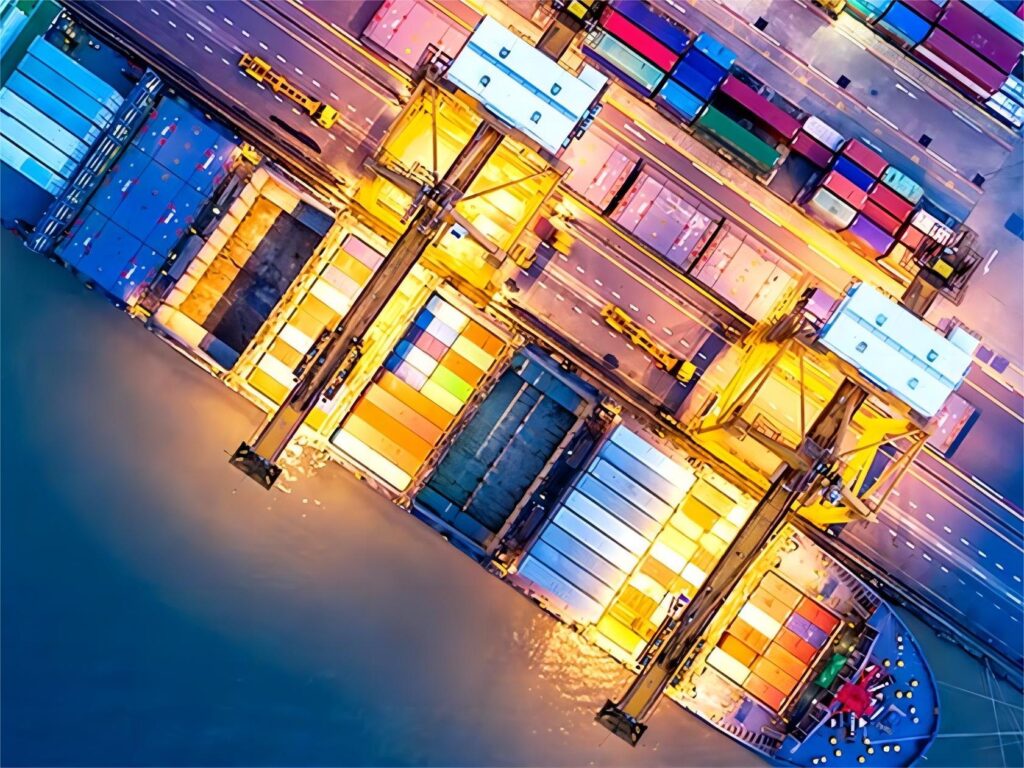
Ocean congestion affects multiple stages of international transportation. Therefore, understanding these challenges helps businesses identify when alternative shipping solutions are needed.
Common Ocean Freight Congestion Problems
| Problem | Impact On Business |
|---|---|
| Port Waiting Time | Delays cargo arrival |
| Vessel Schedule Changes | Reduces delivery predictability |
| Container Availability Issues | Interrupts shipment planning |
| Terminal Backlogs | Increases storage costs |
| Longer Transit Time | Affects inventory supply |
Why Rail Freight Can Help
1. Reduces Dependence On Busy Ports
Rail transportation can avoid some ocean terminal bottlenecks by using inland rail networks and dedicated routes.
2. Provides More Predictable Planning
Rail schedules allow businesses to create clearer transportation plans when ocean timelines become uncertain.
3. Supports Supply Chain Continuity
When ocean delays threaten production or sales operations, rail freight provides another option to keep goods moving.
Consequently, businesses can reduce the impact of ocean congestion without completely changing their logistics strategy.
How Can Businesses Switch From Ocean Freight To Rail Freight?
Moving cargo from sea transportation to rail requires careful planning. Therefore, businesses should evaluate shipment requirements before selecting an alternative route.
Rail Freight Conversion Process
- Analyze current ocean shipping problems
- Review cargo volume and delivery requirements
- Select suitable rail routes
- Arrange container and transportation capacity
- Prepare customs documents
- Coordinate final delivery
Factors To Consider Before Switching
| Factor | Importance |
|---|---|
| Cargo Type | Determines suitable transportation method |
| Delivery Deadline | Affects route selection |
| Budget Requirement | Balances cost and speed |
| Destination Location | Influences rail availability |
| Shipment Volume | Determines container planning |
Moreover, not every shipment requires a complete switch from ocean freight to rail. In many cases, a combined transportation strategy provides better results.
For example, companies may use sea freight for regular inventory and rail freight for urgent or high-value cargo.
How Can Freight Forwarders Support Rail Freight During Ocean Congestion?
A professional freight forwarder helps businesses transition from ocean transportation to rail by managing multiple logistics activities.
Key Services For Ocean Congestion Solutions
| Service | Business Benefit |
|---|---|
| Route Evaluation | Identifies suitable alternatives |
| Rail Booking | Secures transportation capacity |
| Container Coordination | Reduces equipment problems |
| Customs Support | Prevents clearance delays |
| Final Delivery Planning | Completes door-to-door transport |
Additional Support Includes
- Cargo assessment
- Supplier coordination
- Transportation comparison
- Shipment tracking
- Warehouse arrangement
Furthermore, ocean congestion situations often require quick decisions. Therefore, working with an experienced logistics provider allows businesses to respond faster and reduce supply chain disruption.
A reliable partner can transform rail freight from an emergency option into a long-term transportation strategy.
Real-World Rail Freight Alternative During Ocean Freight Congestion Cases
🏭 Case 1: Manufacturing Supply Recovery During Port Congestion
| 📌 Item | Details |
|---|---|
| 🚢 Route | China Factory → European Production Facility |
| 📦 Cargo | Industrial Components |
| ⏱ Transit Time | 18 Days |
| 💰 Cost Impact | Reduced losses caused by production delays |
| 🚆 Transport Method | Rail Freight + Factory Truck Delivery |
| 🛃 Challenge | Ocean shipment delayed due to port congestion |
| 📝 Solution | Shifted critical cargo volume to rail transportation |
| ✅ Result | Production schedule was maintained |
📦 Case 2: Ecommerce Inventory Replenishment Before Sales Peak
| 📌 Item | Details |
|---|---|
| 🚢 Route | China Warehouse → Overseas Fulfillment Center |
| 📦 Cargo | Consumer Products |
| ⏱ Transit Time | 15 Days |
| 💰 Cost Impact | Avoided expensive emergency air shipping |
| 🚆 Transport Method | Consolidated Rail Freight |
| 🛃 Challenge | Ocean delays affected inventory availability |
| 📝 Solution | Used rail freight for urgent stock replenishment |
| ✅ Result | Products arrived before demand increased |
How To Choose A Rail Freight Partner During Ocean Congestion?
Selecting the right logistics provider is important because alternative transportation requires strong planning and execution capability.
Important Selection Factors
| Capability | Business Benefit |
|---|---|
| Rail Network Experience | Better route selection |
| Multimodal Capability | Flexible transportation solutions |
| Container Resources | Improved shipment availability |
| Customs Knowledge | Reduced clearance risks |
| Tracking System | Better shipment visibility |
Questions Before Cooperation
Before choosing a provider, consider:
- Can you provide rail alternatives during ocean delays?
- Do you manage customs procedures?
- Can you arrange container transportation?
- Do you offer door-to-door solutions?
- Can you provide shipment updates?
Therefore, choosing an experienced freight partner helps businesses build stronger supply chain resilience.
Conclusion
A rail freight alternative during ocean freight congestion provides businesses with a reliable way to maintain cargo movement when sea transportation becomes unpredictable. By combining stable rail routes, flexible logistics planning, customs support, and final delivery services, companies can reduce the impact of ocean delays.
Moreover, successful transportation decisions depend on understanding cargo priorities, delivery requirements, and cost objectives. Rail freight is not only an emergency solution but also a strategic option for improving supply chain flexibility.
For manufacturers, importers, and distributors affected by ocean congestion, rail freight offers a balanced approach to achieving more reliable delivery while controlling transportation costs.
🤝 Need A Reliable Alternative To Ocean Shipping?
Our logistics specialists can evaluate your shipment and create a rail freight solution designed around your delivery goals.
FAQs
1. Can rail freight replace ocean shipping during congestion?
Yes. Rail freight can provide an alternative for suitable cargo when ocean routes experience serious delays.
2. Is rail freight faster than ocean freight?
Generally, rail freight offers shorter transit times than traditional ocean transportation on many international routes.
3. What cargo is suitable for switching from sea to rail?
Industrial goods, commercial products, components, and urgent inventory shipments are commonly suitable.
4. Is rail freight more expensive than sea freight?
Usually, rail freight costs more than sea freight but less than air freight, making it a balanced option.
5. Can rail freight provide door-to-door delivery?
Yes. Rail transportation can combine with trucking services to complete full door-to-door logistics.