

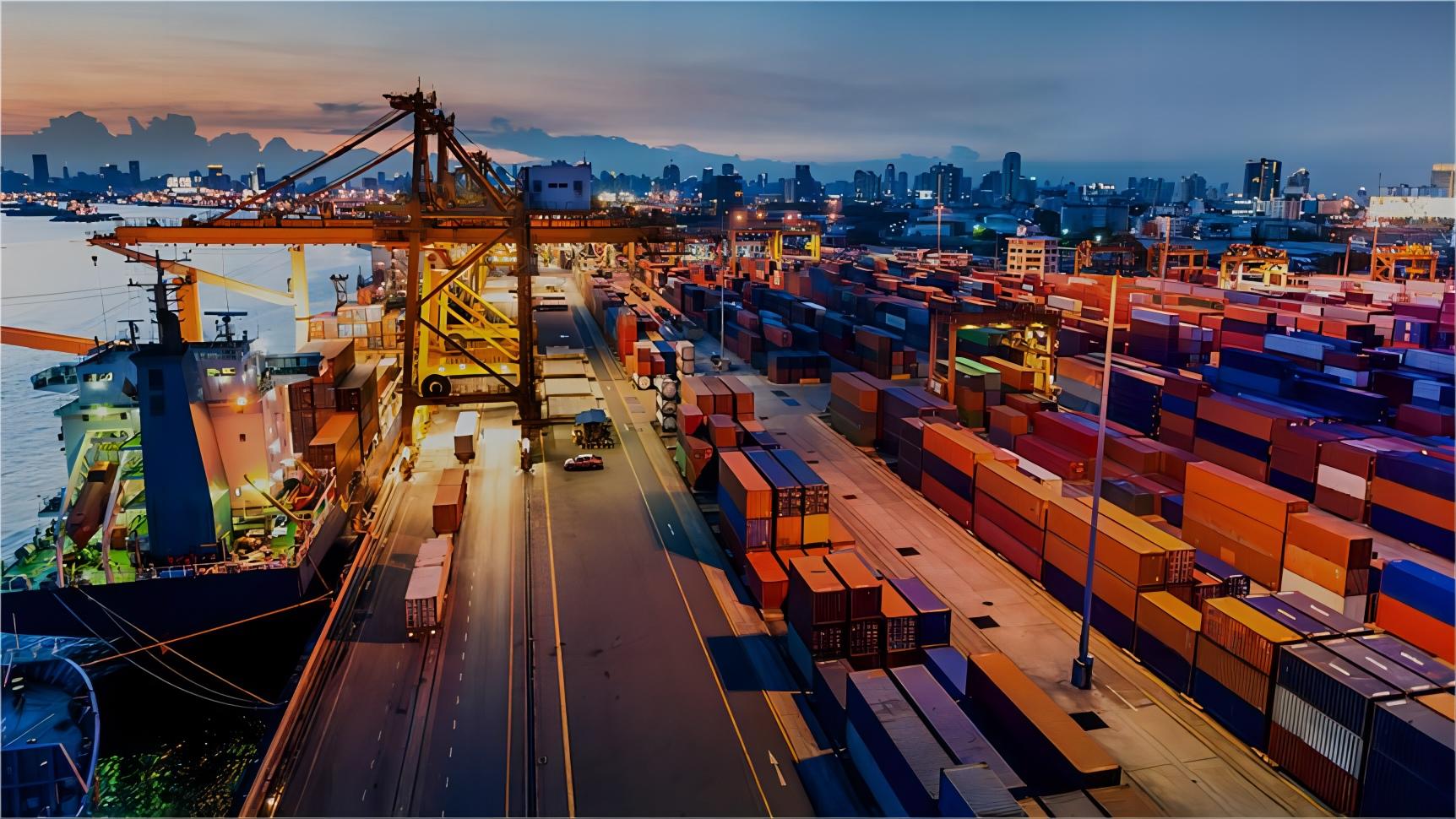
China Freight Rail Sea Air Shipping Forwarder Service 2026 Guide
“Navigating the complexities of global trade requires a reliable china freight rail sea air shipping forwarder service to ensure goods arrive on time. Many businesses struggle with rising costs and unpredictable transit times, which is why choosing the right partner is essential for success. This guide provides a comprehensive overview of how to optimize your logistics strategy in 2026.”
❖
How Does China Freight Rail Sea Air Shipping Forwarder Service Compare to Other Shipping Options?
❖
Selecting the right transport mode is the most critical decision for any importer. However, the choice depends heavily on your budget, cargo volume, and required delivery schedule. For instance, sea freight remains the most cost-effective solution for large-scale shipments despite longer transit times.
In contrast, air freight offers unmatched speed for high-value or perishable items. Rail freight has emerged as a powerful middle ground, particularly for shipments moving between China and Europe. Furthermore, hybrid solutions like sea-air combinations are gaining popularity in 2026 to balance costs and speed.
Market data suggests that freight rates have stabilized in early 2026 compared to previous years. Nevertheless, seasonal fluctuations still require careful planning and early booking. Choosing a versatile china freight rail sea air shipping forwarder service allows you to pivot between these methods as market conditions change.
| Shipping Method | Cost Range | Transit Time | Best For |
|---|---|---|---|
| Sea Freight | Low | 30-45 Days | Bulk Goods |
| Air Freight | High | 3-7 Days | Urgent Cargo |
| Rail Freight | Medium | 15-22 Days | Mid-value Goods |
| Express Service | Very High | 2-5 Days | Small Samples |
Comparison of Shipping Methods
Each shipping method serves a specific purpose in the modern supply chain. Consequently, understanding the trade-offs between cost and speed is vital. Use the following table to compare the primary logistics options available in 2026.
❖
Maximizing Efficiency with Air Freight in 2026
❖
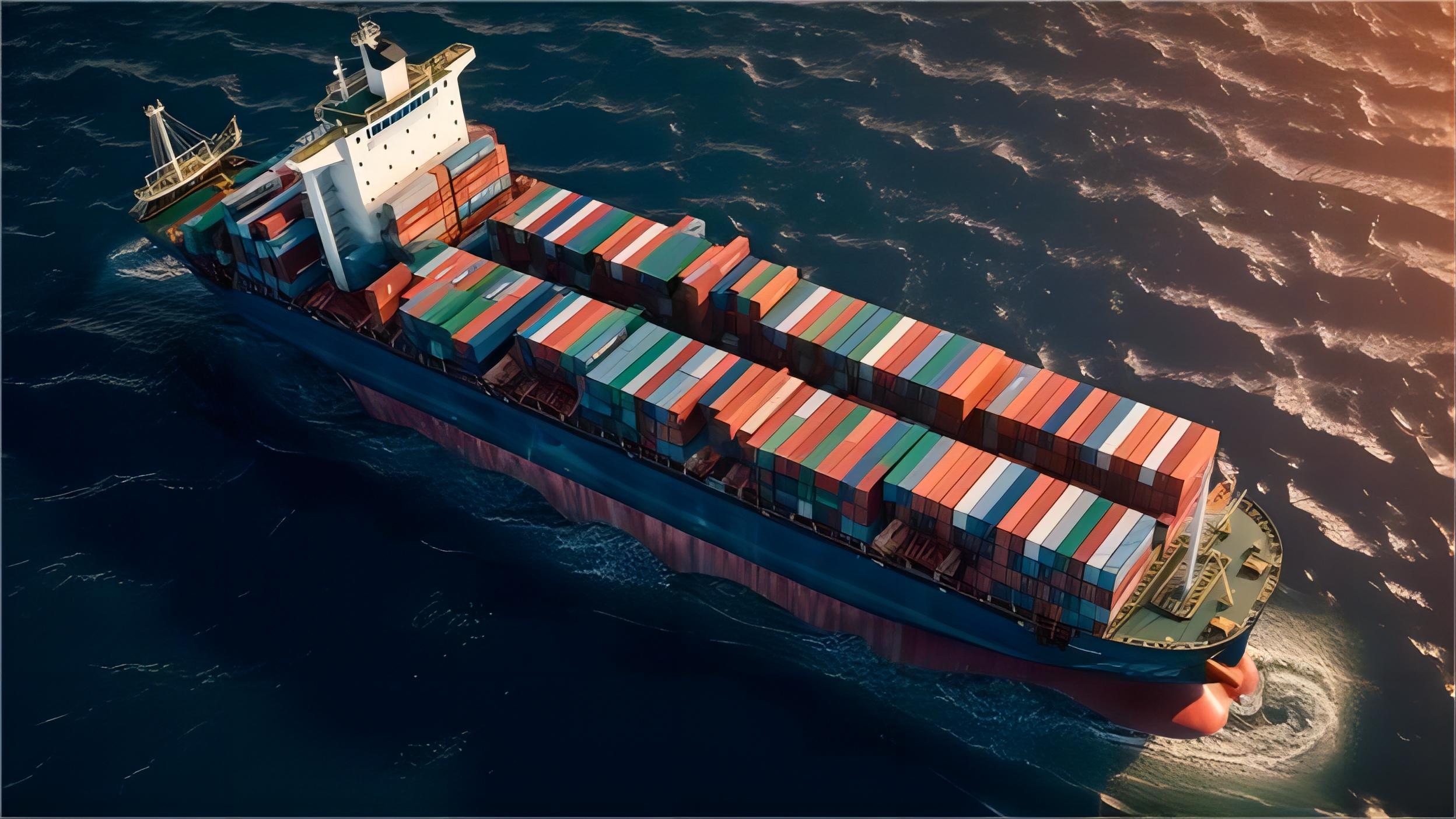
Urgent shipments require the speed and precision of air freight services. While the costs are higher, the reduction in transit time can significantly improve your inventory turnover. Indeed, many electronics and fashion brands prioritize air transport to stay ahead of market trends.
Logistics trends in 2026 indicate a 10 percent increase in air cargo capacity as new carriers enter the market. Additionally, improved cargo handling techniques at major hubs like Shanghai and Shenzhen have reduced ground delays. Therefore, you can expect more reliable delivery schedules for your time-sensitive products.
Shipments under 300 kilograms are often more economical via air when considering the total landed cost. Meanwhile, larger shipments may incur significant surcharges. Always consult your china freight rail sea air shipping forwarder service to determine the exact weight threshold for your specific route.
❖
The Strategic Value of Rail Freight Solutions
❖
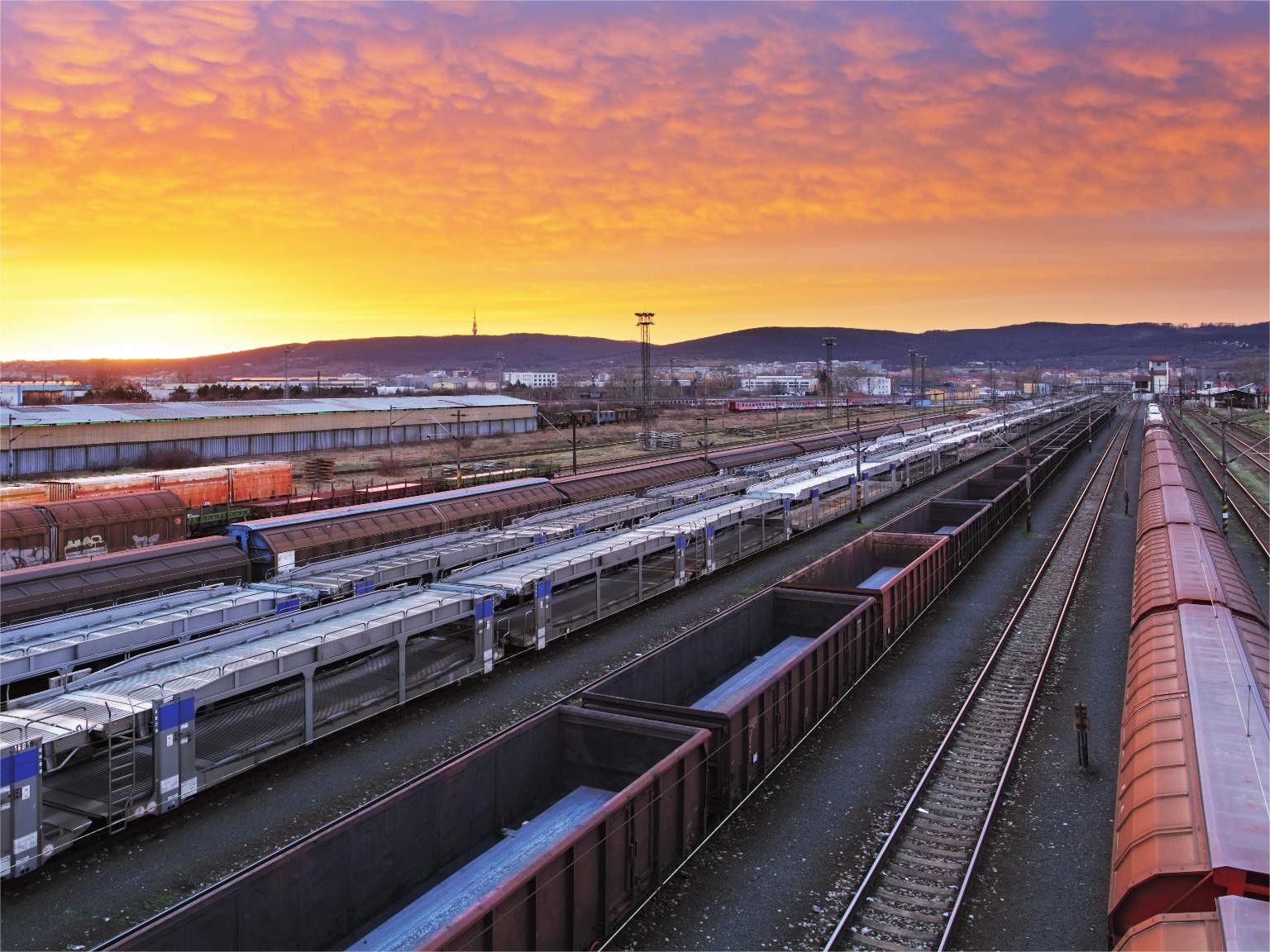
Rail transport has become a cornerstone of the Silk Road economic belt. Specifically, rail freight provides a faster alternative to sea freight without the high expense of air transport. This method is particularly effective for heavy machinery and automotive parts bound for Central Asia and Europe.
Recent infrastructure developments in 2026 have streamlined border crossings and reduced administrative delays. For example, new digital customs systems allow for faster clearance at key rail terminals. Consequently, transit times from China to Germany have dropped to under 18 days in many cases.
Environmental considerations are also driving the shift toward rail. Because rail transport produces significantly lower carbon emissions than air freight, it helps companies meet their sustainability goals. Your china freight rail sea air shipping forwarder service can provide detailed carbon footprint reports for your rail shipments.
❖
Which Option Should You Choose for Your Business?
❖
Decision-making in logistics requires a clear framework based on your specific business priorities. If your primary goal is budget optimization, sea freight is almost always the best choice. On the other hand, if you are facing a stockout, air freight is the only viable solution.
Consider the volume of your cargo before making a final decision. For shipments between 1 and 15 cubic meters, Less than Container Load (LCL) sea freight is highly efficient. However, if your volume exceeds 15 cubic meters, a Full Container Load (FCL) becomes more cost-effective.
Cargo type also dictates the method. Hazardous materials or oversized equipment may face restrictions on rail or air routes. Therefore, verifying the regulations with a professional customs brokerage expert is a necessary step in the planning phase.
Decision Framework Criteria
Budget priority: Recommend Sea Freight (FCL or LCL).
Speed priority: Recommend Air Freight or Express.
Balanced priority: Recommend Rail Freight or Sea-Air hybrid.
Small volume (under 100kg): Recommend Express Service.
❖
Real-World Case Studies: 2026 Shipping Success
❖
Analyzing actual shipping scenarios helps illustrate the practical application of these logistics methods. These examples reflect the current market conditions and typical costs encountered by importers in early 2026.
Case Study 1: Electronics to Germany via Rail. Route: Chengdu, China to Hamburg, Germany. Cargo: Consumer electronics, 12 CBM, 2,500 kg. Container: LCL. Shipping Details: Major rail carrier, direct route. Cost Breakdown: Rail freight $3,200, Origin charges $450, Destination charges $600, Total Landed Cost $4,250. Timeline: 20 days door-to-door. Key Insight: Rail saved 25 days compared to sea freight at 40 percent of the cost of air.
Case Study 2: Apparel to USA via Sea. Route: Ningbo, China to Long Beach, USA. Cargo: Cotton garments, 68 CBM, 15,000 kg. Container: 40HQ. Shipping Details: Direct sea route via COSCO. Cost Breakdown: Ocean freight $3,800, Origin charges $500, Destination charges $850, Total Landed Cost $5,150. Timeline: 18 days port-to-port. Key Insight: Early booking during the 2026 Q1 period secured a rate 15 percent below the seasonal average.
Case Study 3: Urgent Spare Parts to Australia via Air. Route: Shenzhen, China to Sydney, Australia. Cargo: Industrial sensors, 0.5 CBM, 85 kg. Shipping Method: Air Freight. Cost Breakdown: Air freight $650, Handling fees $120, Total Landed Cost $770. Timeline: 4 days door-to-door. Key Insight: Using door to door service eliminated local logistics delays for the client.
❖
Cost-Saving Strategies for International Shipping
❖
Reducing your logistics expenses requires a proactive approach to supply chain management. One effective strategy involves consolidating multiple small shipments into a single larger one. This approach minimizes fixed documentation fees and improves your bargaining power with carriers.
Negotiating long-term contracts with your china freight rail sea air shipping forwarder service can also lead to significant savings. While spot rates are useful for occasional shipments, contract rates provide stability against market volatility. Furthermore, optimizing your packaging to reduce wasted space can lower your dimensional weight charges.
Note: Freight rates are subject to change based on fuel costs, carrier capacity, and seasonal demand. Contact us for a current quote tailored to your specific shipment. Additionally, avoid peak seasons such as the weeks leading up to the Lunar New Year to prevent paying premium surcharges.
| Route | 20GP Container | 40HQ Container | Transit Time |
|---|---|---|---|
| China to UK | $2,200 – $2,800 | $3,800 – $4,600 | 32-38 Days |
| China to USA West | $1,800 – $2,400 | $3,200 – $4,000 | 14-20 Days |
| China to Australia | $900 – $1,300 | $1,600 – $2,200 | 15-22 Days |
| China to Europe (Rail) | N/A | $4,500 – $5,500 | 18-24 Days |
❖
Navigating Customs and Documentation in 2026
❖
Clearance procedures are often the most complex part of the international shipping process. Incomplete or inaccurate documentation can lead to costly delays and storage fees at the port. Therefore, working with an experienced forwarder is crucial for ensuring compliance with local regulations.
Standard requirements include a commercial invoice, packing list, and bill of lading. In 2026, many customs authorities also require digital certificates of origin and electronic manifest filings. Consequently, maintaining organized digital records is more important than ever for modern importers.
Specific products may require additional permits or inspections. For example, food items or medical devices often need approval from health agencies before they can enter the country. Your china freight rail sea air shipping forwarder service will guide you through these specific requirements to avoid any legal complications.
Final Thoughts on Choosing a China Freight Rail Sea Air Shipping Forwarder Service
In conclusion, selecting a professional china freight rail sea air shipping forwarder service is the most effective way to manage international logistics in 2026. By understanding the differences between sea, air, and rail freight, you can make informed decisions that benefit your bottom line.
Reliable shipping partners offer the flexibility needed to navigate the evolving global market. Whether you prioritize speed or cost, the right strategy will ensure your products reach their destination safely and efficiently. Start planning your next shipment with confidence by leveraging expert logistics knowledge.
Ready to streamline your logistics?
Streamline your global supply chain today by partnering with an expert china freight rail sea air shipping forwarder service. Our team provides tailored solutions to meet your specific budget and timeline requirements. Visit alichinafreight.com to request a personalized quote and discover how we can optimize your 2026 logistics operations. Visit: https://alichinafreight.com/
Frequently Asked Questions
What is the cheapest way to ship from China in 2026?
How long does rail freight take from China to Europe?
Can I ship hazardous materials via air freight?
What factors influence 2026 freight rates?
Is door to door service available for all methods?
Do I need cargo insurance for my shipments?
How does LCL shipping work?
What are the benefits of using a freight forwarder?