

- By Jaxin
- August 14, 2026
- logistics process
Introduction
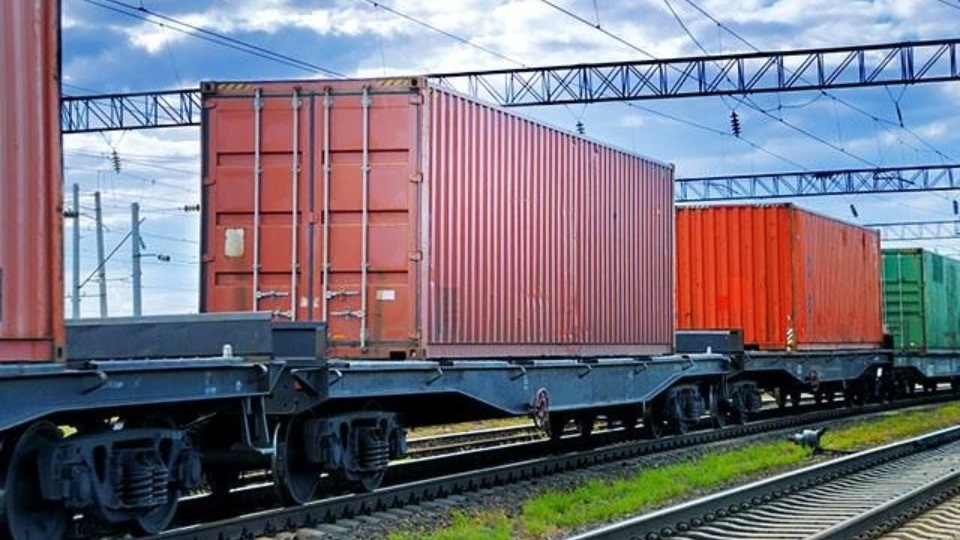
High-value cargo creates a difficult logistics balance: importers want competitive rail freight costs, yet they cannot afford preventable theft, damage, loss, or delivery delays. Therefore, valuable electronics, machinery, precision instruments, and industrial equipment require a more controlled transportation strategy.
Low risk rail logistics for valuable cargo combines secure packaging, controlled handling, shipment monitoring, reliable routes, cargo insurance, customs coordination, and careful final-mile delivery. Moreover, a professional logistics provider should assess the cargo and transportation risks before booking the shipment rather than reacting after a problem occurs.

Why Is Low Risk Rail Logistics for Valuable Cargo Important?
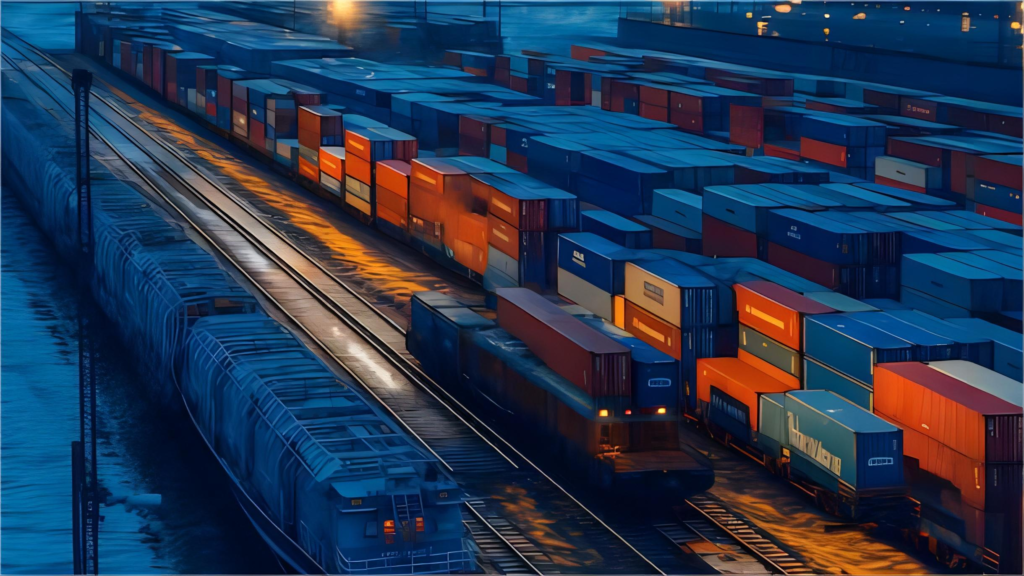
Valuable cargo can create a much greater financial impact when something goes wrong. A small amount of physical damage may also make an expensive machine unusable, while a delayed delivery can interrupt production or customer fulfillment.
Rail shipments can involve multiple logistics stages, including factory pickup, container loading, terminal handling, rail transportation, border procedures, destination unloading, and final delivery. Consequently, risk management must cover the complete route.
| Risk | Potential Impact | Risk Control |
|---|---|---|
| Theft | Financial loss | Secure handling and controlled access |
| Physical damage | Repair or replacement | Reinforced packaging and cargo securing |
| Vibration | Internal component damage | Shock protection |
| Moisture | Corrosion or malfunction | Moisture barriers |
| Customs delay | Storage and delivery delays | Pre-shipment documentation |
| Cargo loss | Major financial exposure | Tracking and insurance |
| Poor final-mile handling | Damage after rail arrival | Specialized trucking |
Furthermore, valuable cargo should not automatically be classified as “safe” simply because it travels inside a sealed container. The container may pass through several facilities, and each transfer introduces another handling point.
Therefore, importers should evaluate security, physical protection, documentation, visibility, and financial recovery together.
How Can Importers Build Low Risk Rail Logistics for Valuable Cargo?
A low-risk rail strategy starts before cargo leaves the supplier. First, identify the cargo’s sensitivity, value, dimensions, packaging requirements, and delivery deadline.
Select the Right Transportation Plan
The route should balance transit time, border procedures, terminal handling, and security considerations. Moreover, fewer unnecessary transfers can reduce handling exposure.
Strengthen Cargo Protection
High-value goods may require:
- Reinforced wooden cases
- Shock-absorbing materials
- Internal bracing
- Anti-static protection
- Moisture barriers
- Tamper-evident seals
- Custom cushioning
- Secure palletization
Control Access to the Cargo
Cargo security should cover the entire logistics chain. Therefore, importers should understand who handles the shipment at pickup, origin terminals, border points, destination terminals, and final delivery.
| Control Area | Recommended Practice |
|---|---|
| Factory loading | Record cargo condition |
| Container sealing | Record seal number |
| Terminal handling | Use controlled procedures |
| Rail movement | Monitor shipment status |
| Customs | Prepare documents in advance |
| Destination | Coordinate secure unloading |
| Final delivery | Use suitable trucking |
| Receiving | Inspect before acceptance |
Consequently, low-risk transportation does not depend on a single security measure. Instead, it uses multiple controls that work together.
What Security Measures Protect Valuable Rail Cargo?
Security requirements depend on cargo value, product type, destination, and route. Nevertheless, importers can establish several practical controls for most high-value shipments.
Use Shipment Visibility
Tracking helps importers identify where cargo is and whether it remains on schedule. However, tracking alone does not prevent theft or damage. It works best as part of a broader security plan.
Record Cargo Condition
Take photographs before container loading, including:
- Product condition
- Packaging
- Container interior
- Cargo arrangement
- Seal number
- Loading completion
Additionally, retain these records until delivery is confirmed. If damage or loss occurs, the evidence can help establish the cargo’s original condition.
Protect Sensitive Information
Valuable cargo can attract unwanted attention when shipment information becomes widely accessible. Therefore, commercial and transportation information should be shared only with the parties that need it for operational purposes.
| Security Measure | Main Benefit |
|---|---|
| Tamper-evident seals | Helps identify unauthorized access |
| Shipment tracking | Improves visibility |
| Loading photos | Establishes original condition |
| Controlled handling | Limits unnecessary access |
| Secure packaging | Reduces physical damage |
| Insurance | Reduces financial exposure |
| Delivery inspection | Identifies problems quickly |
Furthermore, high-value shipments should have a clear escalation process. If tracking stops unexpectedly or the cargo arrives with damaged seals, the logistics team should know who must investigate immediately.
How Should Importers Manage Insurance and Damage Risks?
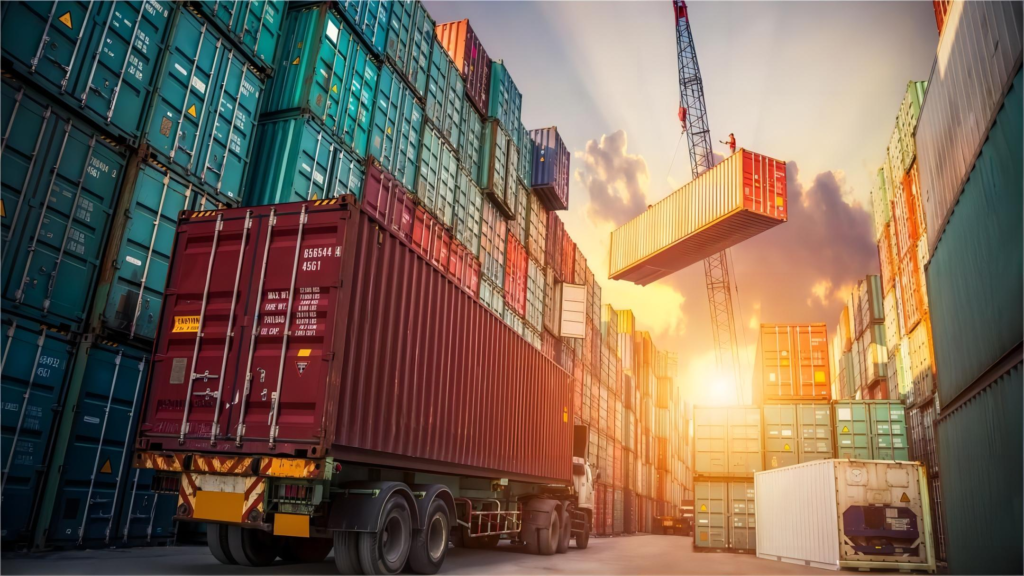
Insurance can provide financial protection, but it should not replace physical risk management. Therefore, importers should combine cargo insurance with appropriate packaging, securing, tracking, and handling procedures.
Review the Coverage Before Shipping
Before booking, confirm:
- Insured cargo value
- Covered transportation mode
- Covered geographical route
- Applicable deductibles
- Damage exclusions
- Theft coverage
- Documentation requirements
- Claim notification procedures
Moreover, cargo value should be declared accurately. Underinsurance can create serious problems when the importer needs to recover the full value of a loss.
Prepare for a Potential Claim
If cargo arrives damaged, the consignee should immediately photograph the shipment and preserve the packaging. Additionally, record the condition on the delivery documentation whenever possible.
| Claim Evidence | Purpose |
|---|---|
| Commercial invoice | Establishes cargo value |
| Packing list | Confirms shipment contents |
| Transport document | Establishes transportation details |
| Photos | Shows cargo condition |
| Delivery record | Records condition at arrival |
| Inspection report | Provides independent evidence |
| Repair quotation | Supports damage calculation |
Consequently, proper preparation can make a potential claim more organized and easier to evaluate.
What Are Real Examples of Low Risk Rail Logistics for Valuable Cargo?
📌 Case Study 1 — High-Value Precision Equipment
| Item | Details |
|---|---|
| 📍 Origin | China factory → European manufacturing facility |
| 📦 Cargo | Precision industrial equipment |
| ⏱️ Transit Time | Approximately 18–25 days |
| 💰 Cost | Rail freight + reinforced packaging + cargo insurance + secure final delivery |
| 🚆 Transportation Method | China-Europe rail freight + controlled destination trucking |
| ⚖️ Customs Clearance Details | Import documentation included commercial invoice, packing list, HS code, product specifications, and applicable certificates |
| 📋 Brief Overview | The equipment was packed in reinforced wooden cases with internal cushioning and bracing. The logistics team recorded the cargo condition and seal information before departure and coordinated controlled destination delivery. |
📌 Case Study 2 — High-Value Electronic Components
| Item | Details |
|---|---|
| 📍 Origin | Asian electronics supplier → European distribution center |
| 📦 Cargo | High-value electronic components |
| ⏱️ Transit Time | Approximately 15–22 days |
| 💰 Cost | Rail freight + anti-static packaging + insurance + secure delivery |
| 🚆 Transportation Method | Rail freight + destination trucking |
| ⚖️ Customs Clearance Details | Commercial invoices, packing lists, HS classifications, and product documentation were prepared before arrival |
| 📋 Brief Overview | The shipment used anti-static protection, moisture control, reinforced packaging, and controlled handling. Shipment status was monitored throughout transportation, while the consignee prepared for immediate receiving inspection. |
How Can Importers Reduce Valuable Cargo Risks Before Departure?
The best time to reduce transportation risk is before the shipment enters the logistics network. Therefore, importers should complete a pre-shipment risk assessment covering both cargo and route.
Pre-Shipment Checklist
| Checkpoint | Recommended Action |
|---|---|
| Cargo value | Confirm accurate declared value |
| Packaging | Select cargo-specific protection |
| Loading | Photograph cargo condition |
| Securing | Prevent movement inside container |
| Container | Inspect before loading |
| Seal | Record seal information |
| Documents | Verify customs information |
| Insurance | Confirm coverage |
| Tracking | Establish shipment visibility |
| Delivery | Prepare secure final-mile transport |
Furthermore, importers should provide detailed cargo information to the logistics provider. Weight, dimensions, fragility, value, packaging type, and handling restrictions can all influence the transportation plan.
Choose a Provider Based on Risk Management
Price should not be the only selection criterion for valuable cargo. Instead, compare providers based on their ability to coordinate:
- Rail transportation
- Customs clearance
- Cargo security
- Packaging
- Tracking
- Insurance
- Terminal handling
- Final-mile delivery
A provider that manages these elements together can reduce communication gaps and improve overall shipment control.
Conclusion
Low risk rail logistics for valuable cargo requires a complete risk-management strategy rather than simply selecting a rail service. Secure packaging, cargo securing, controlled handling, shipment visibility, customs preparation, insurance, and careful final-mile delivery should work together.
Moreover, importers should document cargo condition before departure, verify insurance coverage, maintain consistent customs documentation, and establish a clear response plan for damage, loss, or unexpected delays. Therefore, the right logistics provider should evaluate the complete transportation chain before the shipment moves.
For valuable cargo, a slightly higher logistics cost can be worthwhile when it provides stronger protection, better visibility, and fewer avoidable risks.
Shipping high-value machinery, electronics, precision equipment, or industrial components? Share your cargo value, origin, destination, and requirements to receive a tailored low risk rail logistics for valuable cargo solution.
FAQs
1. Is rail freight safe for valuable cargo?
Yes. Rail can transport valuable cargo safely when the shipment uses appropriate packaging, cargo securing, tracking, insurance, controlled handling, and reliable final-mile delivery.
2. How long does rail freight to Azerbaijan take?
Use secure packaging, tamper-evident seals, controlled handling, shipment monitoring, and reputable logistics providers. Additionally, limit unnecessary access to shipment and cargo information.
3. Should valuable rail cargo have insurance?
Insurance is often advisable for high-value shipments. However, importers should review coverage, exclusions, deductibles, declared value, and claim procedures before transportation begins.
4. How do I protect precision equipment during rail freight?
Use custom packaging, internal cushioning, rigid crates, cargo bracing, moisture protection, and suitable handling procedures. Furthermore, record the equipment condition before loading.
5. Can a freight forwarder provide end-to-end security for valuable cargo?
A forwarder can coordinate transportation, packaging, customs, tracking, insurance, terminal handling, and final delivery. However, no provider can eliminate every transportation risk.