

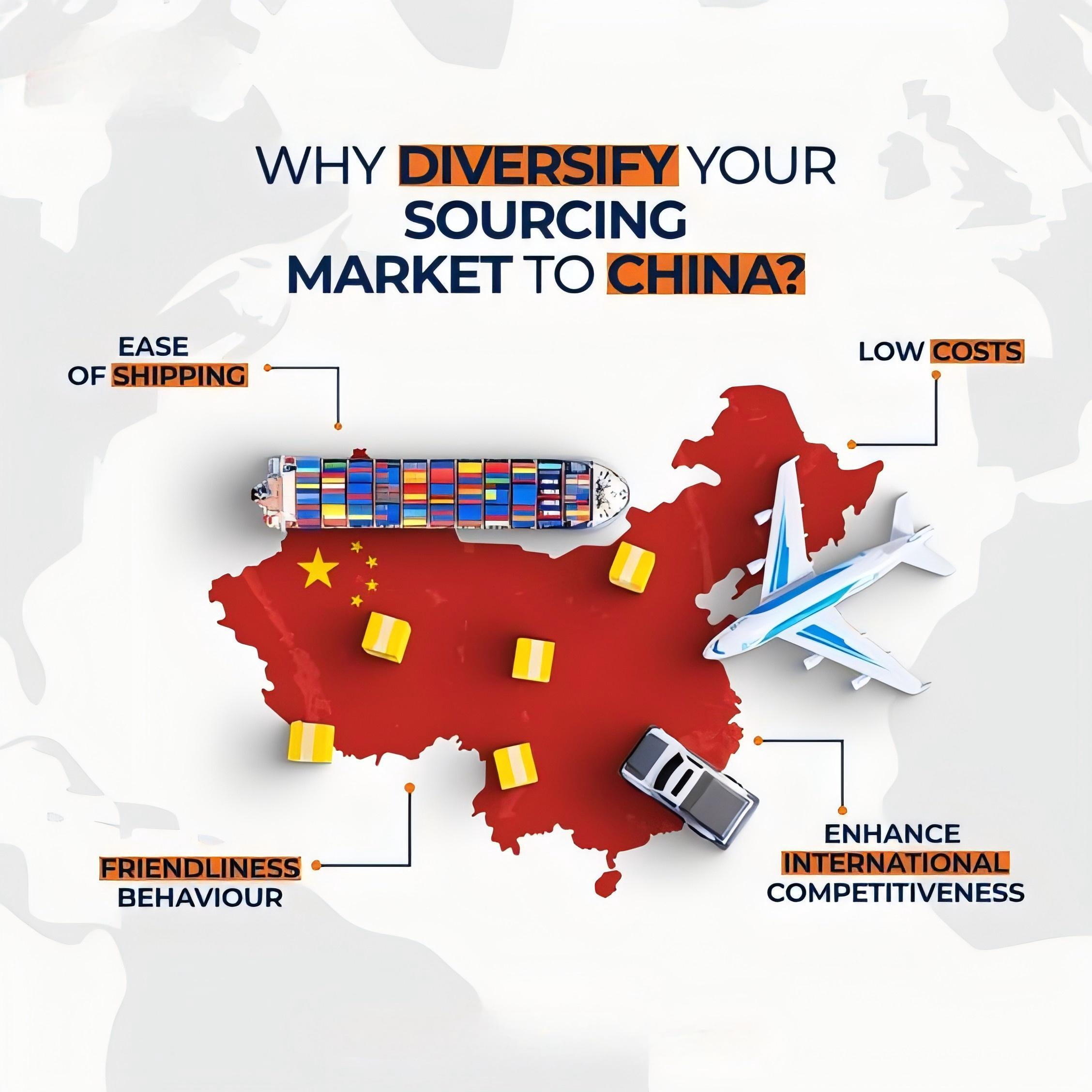
Shipping from China to Canada: A Comprehensive 2026 Logistics Guide
Successfully shipping from China to Canada requires a deep understanding of global supply chain dynamics and local regulatory requirements. Whether you are a first-time importer or a seasoned logistics manager, partnering with a reliable expert like DSV-Freight at https://alichinafreight.com/ ensures your cargo moves efficiently through every checkpoint. This guide covers essential strategies to optimize your import process and minimize landed costs in the current 2026 market environment.

Understanding Shipping Methods from China to Canada
Choosing the right transport mode is the most critical decision for your supply chain. For high-volume inventory, sea freight remains the most cost-effective solution for trans-Pacific routes.
Alternatively, businesses requiring rapid inventory replenishment often utilize air freight. While this method is significantly more expensive, the speed advantage is unmatched for urgent or high-value electronics.
Furthermore, modern shippers are increasingly adopting rail freight as a balanced hybrid option. It provides a faster transit time than ocean shipping while maintaining a lower cost profile compared to air transport.
How Does Sea Freight Compare to Other Shipping Options?
Selecting the optimal shipping method depends on your specific volume requirements and budgetary constraints. The table below highlights the trade-offs between major logistics modes.
Note: Freight rates are subject to change based on fuel costs, carrier capacity, and seasonal demand. Contact us for a current quote tailored to your specific shipment.
| Method | Cost | Transit Time | Best For |
|---|---|---|---|
| Sea Freight | Low | 30-45 days | Bulk/Heavy |
| Air Freight | High | 5-10 days | Urgent/Small |
| Rail Freight | Medium | 18-25 days | Mid-Weight |
| Express | Premium | 3-7 days | Samples/Docs |
Navigating Customs and Compliance
Importing goods into Canada requires strict adherence to CBSA regulations. Utilizing professional customs brokerage services prevents costly delays and ensures your documentation is perfectly aligned with international standards.
Additionally, for e-commerce sellers, leveraging Amazon FBA logistics can streamline your distribution. This allows you to bypass complex warehousing hurdles while maintaining a direct connection to your Canadian customer base.

Real-World Logistics Success Stories
Case Study 1: Electronics Importer. Route: Shenzhen to Vancouver. Cargo: 20 CBM consumer electronics. Method: LCL Sea Freight. Transit Time: 35 days. Result: Successfully optimized landed cost by 15% using expert consolidation.
Case Study 2: Fashion Retailer. Route: Guangzhou to Toronto. Cargo: 500kg apparel. Method: Air Freight. Transit Time: 6 days. Result: Met seasonal demand deadlines, avoiding stockouts during the peak Q4 period.
Summary of Shipping from China to Canada
Navigating the complexities of shipping from China to Canada demands precision, planning, and the right strategic partners. By evaluating your transit time needs against your budget, you can select the most effective transport mode for your business.
Whether you choose ocean, air, or rail, staying informed about current 2026 market trends will keep your cargo moving smoothly. Reach out today to start your next shipment with confidence.
Need a tailored shipping solution?
Ready to optimize your supply chain? Contact our team at DSV-Freight today for a customized logistics strategy. Request your quote now to streamline your shipping from China to Canada .