


Choosing the Best Freight Forwarder China for Your 2026 Logistics
Finding the best freight forwarder China is essential for any business aiming to streamline its import and export operations in 2026. Whether you are scaling your business or managing high-volume cargo, partnering with a reliable logistics provider ensures your supply chain remains resilient. You can explore a wide range of logistics solutions by visiting the homepage of our expert team to get started with your next shipment.
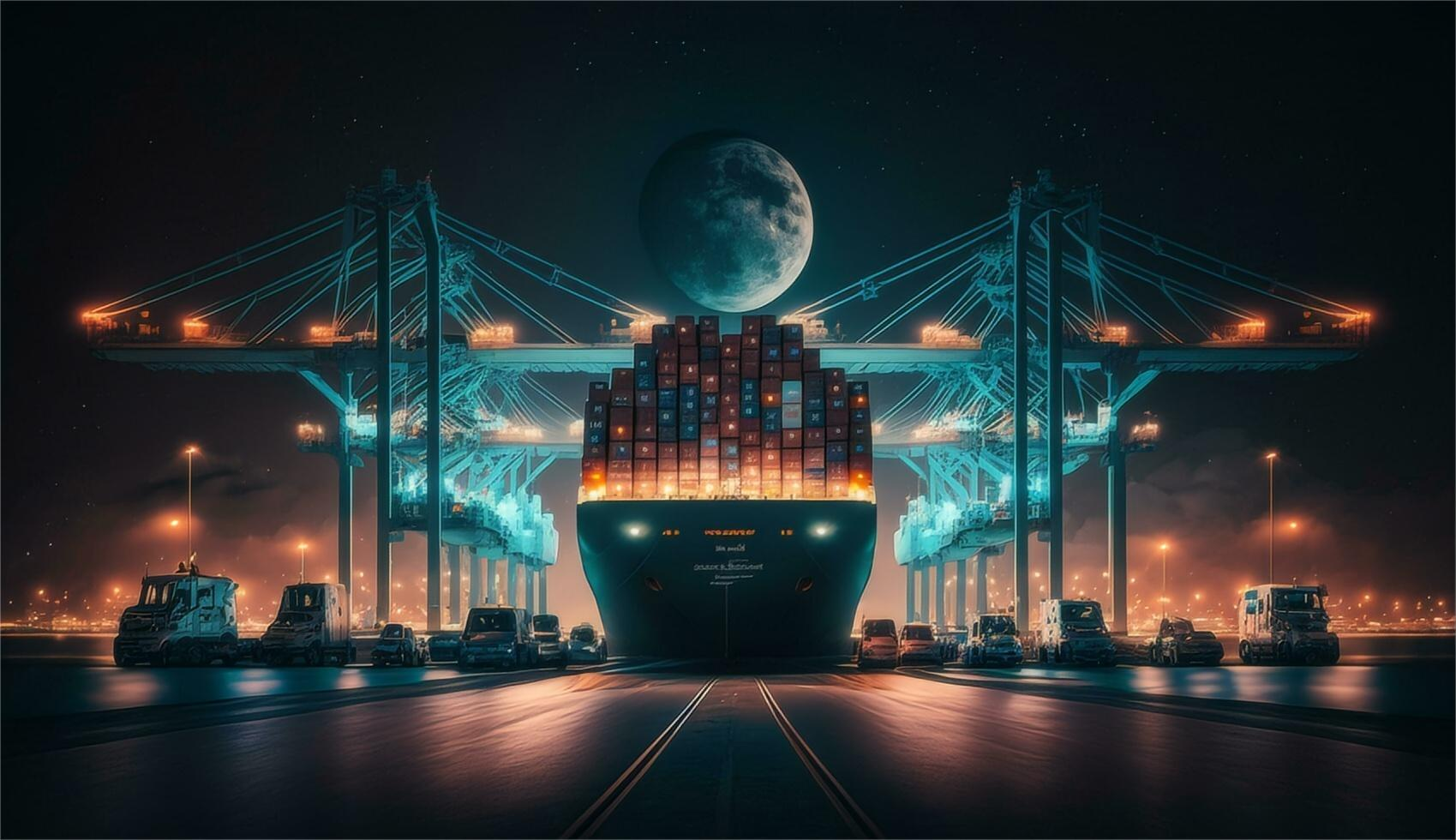
Why You Need the Best Freight Forwarder China for Global Trade
Navigating international trade requires deep expertise in local regulations and global shipping lanes. A professional freight forwarder acts as your bridge, managing complex documentation and cargo handling with precision. Furthermore, they mitigate risks associated with port congestion and fluctuating freight rates.

Working with an experienced partner allows you to focus on your core business goals while they manage the intricacies of logistics. Consequently, you benefit from optimized transit times and reduced operational costs. They provide the necessary oversight to ensure your goods arrive safely and on schedule.
Essential Services to Look for in a Shipping Partner
Selecting a provider requires evaluating their service portfolio. For instance, high-volume shippers should consider sea freight for cost-effective bulk transportation across oceans. Moreover, if your business relies on rapid inventory turnover, air freight offers the speed necessary to meet tight deadlines.
Additionally, modern supply chains often benefit from multimodal transport solutions. You might utilize rail freight for a balanced approach between cost and time when shipping to inland markets. Finally, reliable providers simplify the journey by offering comprehensive door to door delivery services that eliminate the need for third-party handoffs.
| Service | Best For | Transit Time | Cost Level |
|---|---|---|---|
| Sea Freight | Bulk Cargo | 25-40 Days | Low |
| Air Freight | Urgent Items | 3-7 Days | High |
| Rail Freight | Inland Europe | 15-20 Days | Medium |
| Express | Small Parcels | 2-5 Days | Very High |
How Does Sea Freight Compare to Other Shipping Options?
Choosing the right mode of transport depends on your specific budget and delivery schedule requirements. While sea freight remains the most economical choice for large shipments, air freight is superior for time-sensitive cargo. Nevertheless, rail freight has emerged as a consistent middle-ground option for the China-Europe corridor.
Understanding these trade-offs helps you maintain a competitive edge. In addition to transit times, consider the reliability of the carrier and current market trends affecting fuel surcharges. As of early 2026, many businesses are diversifying their transport methods to avoid potential disruptions in global shipping routes.
Real Case Studies in Modern Logistics
Case Study 1: Electronics Export. Route: Shenzhen to Los Angeles. Cargo: 50 CBM electronics. Method: Sea Freight. Total Landed Cost: $4,500. Insights: By utilizing a direct port-to-port route, the client reduced transit time by 5 days compared to transshipment.
Case Study 2: Fashion Retail. Route: Shanghai to Berlin. Cargo: 10 CBM textiles. Method: Rail Freight. Total Landed Cost: $2,200. Insights: Rail provided a consistent delivery schedule, helping the client avoid the peak season sea freight congestion.
Optimizing Your Customs Brokerage and Compliance
Mastering customs brokerage is a critical component of successful international shipping. A competent forwarder ensures that all paperwork, including commercial invoices and packing lists, complies with destination country requirements. Failure to provide accurate documentation often results in costly delays and additional storage fees at the port.
Furthermore, professional agents stay updated on changing import duties and trade regulations. This proactive approach saves your business from unexpected fines and regulatory hurdles. By outsourcing these tasks, you ensure that your cargo clears customs smoothly and remains compliant with regional trade laws.
Final Thoughts on Choosing the Best Freight Forwarder China
Selecting the right partner is a strategic decision that impacts every aspect of your business from bottom-line costs to customer satisfaction. By prioritizing transparency, experience, and service diversity, you can navigate the complexities of international trade with confidence.
Remember that the best freight forwarder China is one that grows alongside your business. Whether you are shipping to North America, Europe, or Australia, having a trusted logistics expert by your side is invaluable. Start your partnership today and secure a more efficient future for your cargo.
Need a tailored shipping solution?
Ready to streamline your logistics and find the best freight forwarder China? Contact our professional team today to request a customized quote for your upcoming shipments and take the next step in optimizing your global supply chain.