

China to Europe Trucking Freight Forwarder: A 2026 Strategic Operational Guide
Navigating the complex logistics of a China to Europe trucking freight forwarder requires precise coordination between origin consolidation hubs and European customs entry points. Many shippers face unexpected delays and rising landed costs due to misaligned documentation or poorly planned gateway selection during peak seasons. By partnering with Ali China Freight, you gain access to vetted multimodal routing and professional oversight that mitigates common transit risks. This guide explores the critical decision frameworks, compliance requirements, and operational milestones necessary to maintain a seamless, cost-effective cargo flow across this vital trade lane.

Key Takeaways
A standard 40HQ container provides approximately 65–70 CBM of usable loading space, while a 20GP container is capped at 26–28 CBM.
Door-to-door transit times typically range between 28 and 35 days, encompassing port dwell, ocean transit, and final-mile European inland distribution.
Mandatory documentation for European entry includes a validated EORI number, an ENS filing via the ICS2 system, and a complete commercial invoice.
Peak-season surcharges and GRI adjustments should be factored into your landed cost estimates at least 45 days prior to cargo-ready dates.
Who Is This China to Europe Trucking Forwarder Corridor and Mode Best Suited For?

The China to Europe trade lane is optimized for high-volume manufacturers, wholesale distributors, and retailers seeking a balance between cost-efficiency and transit reliability. This corridor is particularly suited for organizations moving large quantities of general cargo that do not require the extreme velocity of air freight but demand more predictability than fragmented, multi-modal ad-hoc shipping. By centralizing your logistics through a dedicated China to Europe trucking freight forwarder, you can effectively manage large-scale replenishment while maintaining visibility across multiple inland European distribution points.
Decision-makers in the electronics, automotive components, and consumer goods sectors consistently utilize this lane to handle high-density shipments that fit efficiently into 40HQ or 20GP containers. The operational model relies on the consolidation of smaller shipments at major hubs like Shanghai or Ningbo, followed by a streamlined transit to major European gateways such as Rotterdam or Hamburg. Failure to align your cargo volume with the appropriate equipment type often leads to inefficient space utilization, which directly inflates your per-unit landed cost and complicates final-mile trucking scheduling.
To maximize the utility of this service, importers must ensure that their cargo-ready dates are synchronized with the carrier’s fixed sailing schedules. This alignment allows for better planning of destination customs clearance and final-mile distribution, reducing the risk of demurrage at the port of discharge. Shippers who prioritize long-term supply chain stability over short-term spot market fluctuations find that this structured approach provides the consistency needed to meet retail demand cycles throughout the fiscal year.
Field note: Ensure EORI registration is active before cargo departs China.
Common mistake: Neglecting to synchronize cargo-ready dates with weekly carrier sailing cut-offs.
Risk alert: Unplanned storage charges at port terminals can exceed base freight costs.
What Is the Optimal Mode Mix for Your Inventory on This Lane?
Determining the optimal mode mix requires a rigorous evaluation of your inventory turnover rates and the specific urgency of your replenishment cycles. While the primary mode for this corridor remains ocean freight, advanced supply chain strategies often incorporate short-sea shipping or rail segments to bridge the gap between initial port arrival and final inland delivery. The core objective is to minimize the total landed cost while ensuring that inventory levels at your regional European warehouses remain adequate to meet market demand without incurring excessive storage fees.
For bulk commodities and standard retail merchandise, utilizing full container load (FCL) shipping from gateways like Yantian or Shanghai provides the most significant economies of scale. When volume requirements are lower, LCL (Less than Container Load) services offer a viable alternative, provided that your forwarder maintains robust consolidation processes at the origin. Mismanaging this mode selection can lead to significant transit time variability, which is often the primary driver of supply chain friction for importers operating on tight margins in competitive European markets.
Shippers should also consider the role of inland trucking as a critical extension of the ocean leg, particularly when delivering to landlocked regions within the EU. Integrating your ocean booking with a reliable trucking service ensures that your container is drayed from the port immediately upon clearance, minimizing exposure to detention fees. By adopting a unified logistics plan that orchestrates the handoff from ocean carrier to inland road transport, you effectively remove the operational bottlenecks that frequently plague fragmented, multi-vendor supply chains.
| Equipment Type | Internal Volume (CBM) | Max Payload (kg / lbs) | Optimal Commodity Fit |
|---|---|---|---|
| 20ft Standard (20GP) | 28–30 CBM (26 usable) | 21,800 kg / 48,000 lbs | Dense, heavy cargo (machinery, auto parts, metals) |
| 40ft Standard (40GP) | 58–60 CBM (54 usable) | 26,500 kg / 58,400 lbs | General packaged cargo, standard palletized loads |
| 40ft High Cube (40HQ) | 68–76 CBM (68 usable) | 26,500 kg / 58,400 lbs | Bulky, lightweight goods (furniture, textiles, electronics) |
| 45ft High Cube (45HQ) | 85–86 CBM (78 usable) | 27,500 kg / 60,600 lbs | High-volume consumer retail distribution |
Field note: Use sea freight services for bulk reliability.
Common mistake: Treating ocean and inland trucking as separate, uncoordinated logistics silos.
Risk alert: Inland capacity shortages can stall containers even after successful customs release.
China–Europe Rail vs Ocean: Transit and Cost Trade-offs on This Lane
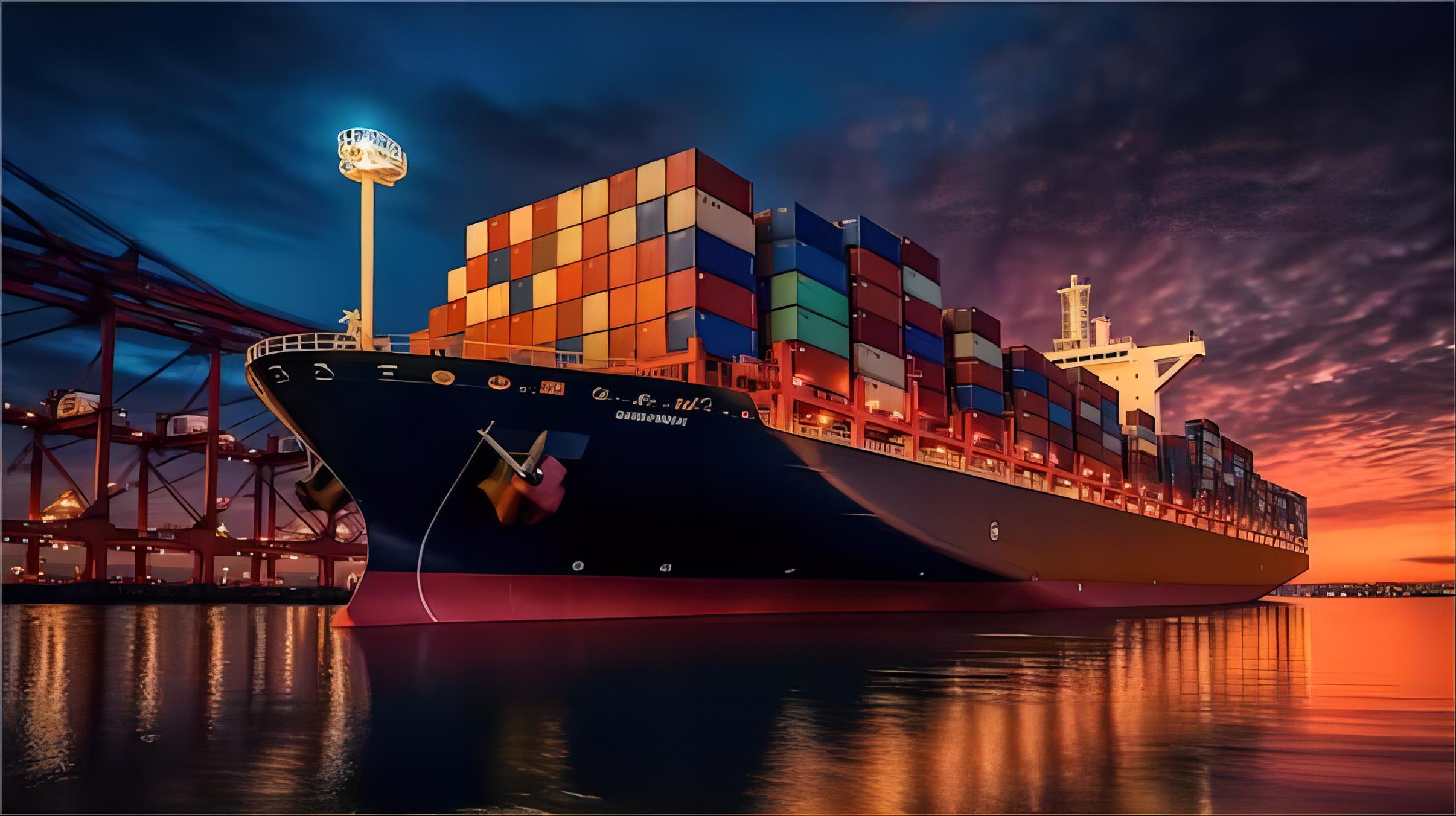
Selecting the right mode mix involves weighing the trade-offs between transit speed and total cost, specifically focusing on the final-mile delivery capabilities of your logistics partner. For businesses requiring rapid response to fluctuating retail trends, a hybrid model that combines ocean transit with expedited trucking from key EU gateways can provide the necessary flexibility. This approach allows you to maintain base inventory levels via ocean while utilizing air or express road services to address urgent, high-priority demand spikes that occur suddenly during the peak retail season.
When evaluating options, you must assess the reliability of your service providers at both the origin and destination ends of the corridor. A high-performing China to Europe trucking freight forwarder will offer transparent tracking, clear communication regarding cut-off times, and a proven network of European carriers capable of navigating local traffic and regulatory constraints. Failing to vet these capabilities can result in significant delays at the port of discharge, where lack of available trucking chassis or driver shortages can leave containers sitting for days after they have been cleared for release.
Finally, always conduct a cost-benefit analysis that accounts for the hidden expenses associated with each mode, such as terminal handling charges, document processing fees, and insurance premiums. While ocean freight remains the most cost-effective solution for large volumes, the total cost of capital tied up in slow-moving inventory must be factored into your decision. By working with a provider like Ali China Freight, you can develop a tailored strategy that balances capital efficiency with the operational agility required to succeed in the dynamic European market.
Field note: Always compare total landed cost, not just port-to-port rates.
Common mistake: Overlooking the impact of destination CFS fees on LCL shipments.
Risk alert: Mode-mix changes mid-transit often incur heavy administrative penalties.
Strategic Gateway Routing for Europe Trucking Cargo
Gateway selection is a critical strategic decision that significantly influences your total transit time and exposure to port congestion. Major hubs such as Shanghai, Ningbo, and Yantian offer the highest frequency of sailings to primary European ports like Rotterdam, Antwerp, and Hamburg, making them the default choice for most high-volume shippers. However, depending on your final inland destination, secondary ports might offer faster clearance times and more direct access to regional rail or road networks, thereby reducing the transit time between port discharge and final door delivery.
Operational efficiency at your chosen gateway depends heavily on your ability to coordinate with local customs authorities and terminal operators. By leveraging the expertise of a professional freight forwarder, you can navigate the nuances of each port’s unique operational procedures, including container weight verification, customs filing requirements, and terminal gate-in windows. This proactive management prevents common pitfalls such as missed sailing cut-offs or improper container stowage, which can cause significant delays and increase the risk of damage to your cargo during the long-haul transit.
As we look toward the 2026 shipping landscape, shippers must also consider the impact of environmental regulations and port infrastructure investments on their routing strategies. Some gateways are increasingly prioritizing sustainable, rail-connected transit, which can provide a more reliable and eco-friendly alternative to traditional road-only inland transport. Integrating these modern routing options into your logistics framework not only improves your operational resilience but also aligns your supply chain with evolving European sustainability standards, providing a competitive advantage in an increasingly carbon-conscious marketplace.
| Gateway | Mode | Est. Transit | Risk Factor |
|---|---|---|---|
| Shanghai | Ocean FCL | 30 Days | High Volume |
| Ningbo | Ocean FCL | 32 Days | Congestion |
| Yantian | Ocean LCL | 35 Days | CFS Bottleneck |
| Qingdao | Ocean FCL | 33 Days | Seasonal Weather |
Field note: Use warehouse services to pre-stage cargo near gateways.
Common mistake: Selecting a port based solely on lowest ocean freight without considering inland trucking costs.
Risk alert: Port congestion at major European hubs can add 7-10 days to your transit timeline.
End-to-End Transit Milestones and Dwell Times
Understanding the end-to-end transit lifecycle is essential for maintaining a predictable supply chain. This process begins with the timely coordination of cargo pickup and export documentation in China, followed by the main-haul ocean journey and the critical destination customs clearance phase. Each milestone, from initial booking to final delivery, introduces specific variables such as peak-season carrier capacity, port dwell times, and the availability of inland transport, all of which must be actively managed to prevent disruption in your inventory availability.
Dwell time—the period your cargo spends at the terminal—is a particularly important metric to track, as it often correlates with port congestion and operational inefficiencies. A well-managed shipment should ideally move through the port of discharge within 48 to 72 hours of vessel arrival, provided that all customs documentation is filed and approved in advance. By working with a partner who provides real-time visibility into these milestones, you can anticipate potential delays and intervene before they escalate into costly storage or demurrage charges at the terminal gate.
To ensure that your shipment remains on schedule, establish clear communication protocols with your forwarder regarding expected transit milestones. Request weekly updates that compare your cargo’s progress against the initial booking plan, and be prepared to take corrective action if significant slippage occurs. This disciplined approach to milestone tracking is the hallmark of a sophisticated supply chain, enabling you to maintain tight control over your inventory and provide accurate delivery estimates to your customers, regardless of the underlying market volatility.
Field note: Request automated status alerts from your logistics provider.
Common mistake: Failing to account for weekend or holiday closures at customs offices.
Risk alert: Tracking gaps occur frequently during the handoff from ocean carrier to inland trucking.
Landed Cost Anatomy: Surcharges and Duty for This Corridor
Analyzing the anatomy of landed costs is vital for accurate budgeting and financial planning in your import operations. Beyond the base freight rate, your total cost includes terminal handling charges, documentation fees, bunker adjustment factors, and the mandatory duties and taxes applicable in the destination European country. Each of these components can fluctuate based on market demand and carrier strategies, making it imperative to receive itemized, transparent quotes that clearly delineate every expected cost prior to the start of the shipment.
Duty and VAT represent a significant portion of your landed cost, and they must be calculated accurately to avoid unexpected financial burdens upon arrival. Because customs valuation is based on the CIF (Cost, Insurance, and Freight) value of the goods, any inaccuracies in your documentation can lead to customs audits, fines, and delayed cargo release. Ensuring that your commercial invoice and packing list are perfectly aligned with your HS codes and product descriptions is the most effective way to maintain compliance and keep your duty costs predictable throughout the fiscal year.
Finally, be wary of ‘all-in’ pricing that hides accessorial charges, as these are often the primary source of invoice shock in international logistics. A professional forwarder will provide a comprehensive cost breakdown that includes estimated destination fees, allowing you to establish a realistic cost baseline for each product line. By maintaining this level of transparency, you not only protect your profit margins but also cultivate a more reliable and trusting partnership with your logistics provider, ensuring that both parties are aligned on the financial expectations for every shipment.
| Cost Component | Typical Assessment Base | Who Usually Pays | Planning Note |
|---|---|---|---|
| CIF / customs value | Goods value + freight + insurance (as declared) | Importer of record | Wrong valuation drives duty and VAT/GST miscalc |
| Import duty / tariff | % of customs value by HS chapter | Importer / DDP seller (by Incoterms) | Confirm HS binding before award |
| VAT / GST / sales tax | Duty-paid value (or local statutory base) | Importer / fiscal representative | Registration and reclaim rules vary by market |
| Customs broker / clearance fee | Per entry or per shipment band | Importer / nominating party | Separates from freight; exams add extras |
| Exam / storage / disbursement | Event-driven (exam, demurrage, advance) | Importer / broker client account | Often outside base ocean/truck quote |
Field note: Verify HS codes with your broker before cargo leaves the factory.
Common mistake: Ignoring the impact of exchange rate fluctuations on final duty payments.
Risk alert: Incomplete documentation leads to automatic customs holds at European entry points.
VAT, EORI, and Destination Clearance Windows on This Lane
Compliance is the bedrock of a successful China to Europe supply chain, requiring strict adherence to both export regulations in China and import requirements in the European Union. Central to this is the ICS2 (Import Control System 2) filing, which mandates the submission of Entry Summary Declarations (ENS) for all goods entering the EU. Failure to provide accurate, timely data for these security filings can result in immediate cargo holds, significant fines, and potential blacklisting of your import entity, making it essential to partner with a forwarder who is deeply familiar with these digital customs protocols.
In addition to security filings, you must ensure that your documentation package is complete and consistent across all platforms. This includes the Commercial Invoice, which must detail the value, origin, and nature of the goods, and the Packing List, which provides the precise CBM and weight measurements necessary for terminal handling and customs assessment. Any discrepancy between these documents and the physical cargo will inevitably trigger an inspection by local customs officials, causing delays that can quickly ripple through your entire inventory replenishment schedule.
To streamline the compliance process, maintain a digital repository of all shipping documents for each shipment. This allows for rapid retrieval if questions arise during customs clearance or if you need to provide proof of origin for preferential trade agreements. By adopting a proactive documentation strategy—where every piece of paperwork is reviewed for accuracy before the cargo is even gated into the port—you minimize the risk of human error and ensure that your goods move through the regulatory checkpoints without unnecessary intervention.
Field note: Visit our blog for updates on EU customs regulations.
Common mistake: Using generic product descriptions that do not meet detailed customs requirements.
Risk alert: Customs audits can lock your cargo for weeks if descriptions are vague.
Capacity Disruptions, GRI, and Peak-Season Management
Managing capacity disruptions and General Rate Increases (GRI) is a necessary skill for any importer operating in the current global freight environment. Carriers frequently adjust their capacity based on seasonal demand, often leading to space shortages during peak retail periods when inventory replenishment is at its most critical. Effective peak-season management requires booking your space well in advance—often 6 to 8 weeks ahead of your cargo-ready date—to ensure that your containers are prioritized by the shipping lines even when demand is at its absolute highest point.
GRI announcements can also create financial uncertainty, as they often apply to shipments moving during the peak season. To mitigate this impact, negotiate long-term service contracts that include fixed rate structures, or at least establish a predictable surcharge framework with your forwarder. By planning for these cost increases in your annual budget, you avoid the need for last-minute pricing adjustments that can erode your product margins and force you to pass costs on to your customers in a way that might not reflect your competitive strategy.
Finally, during periods of extreme capacity disruption, consider diversifying your carrier mix to avoid over-reliance on a single shipping line. Working with a global freight forwarder like Ali China Freight gives you access to a broader network of carrier options, allowing you to pivot quickly if one carrier experiences significant delays or capacity constraints. This agility is your best defense against market volatility, ensuring that your supply chain remains resilient and responsive, even when faced with the inevitable disruptions that characterize the global logistics landscape.
Field note: Always secure written confirmation of your booking space.
Common mistake: Waiting until the last minute to book space during the fourth quarter.
Risk alert: Carrier blank sailings can disrupt your delivery schedule by 14+ days.
Decision Framework
By volume: Low CBM favors LCL or groupage into an EU hub; full wagon / 40HQ lots justify direct China–EU rail or ocean with scheduled last-mile trucking.
By speed: Urgent windows use air or expedited truck from the first EU hub; standard replenishment rides ocean/rail once ENS and EORI are locked.
By cargo profile: Confirm EORI, ENS/ICS2, and any product conformity marks before hub discharge.
Real-World Corridor Case Studies
A home goods brand moved mixed-SKU cartons from Ningbo to Hamburg. Origin CFS consolidation and destination free-time tracking kept demurrage exposure inside the quoted all-in ocean band.
An industrial machinery importer booked a 40HQ from Shenzhen to Rotterdam on a direct Far East–North Europe string. The forwarder aligned commercial invoice, packing list, and B/L data before CY gate-in so EU customs release and inland drayage stayed inside free time.
Execution Checklist for China to Europe Trucking Freight Forwarder
Treat your China to Europe trucking freight forwarder engagement as an execution brief: confirm readiness data, validate the corridor plan, and book with written cut-offs. By maintaining strict control over your documentation and monitoring milestone progress, you can ensure that your cargo moves predictably from origin to final door.
Keep accessorial scope explicit before cargo moves so that destination invoices remain predictable. A disciplined approach to logistics management, paired with a trusted partner, transforms the complexity of international shipping into a clear, manageable competitive advantage for your European operations.
Process and Checkpoints
Shipment Profile Capture
Confirm cargo-ready date, CBM/weight, commodity, HS code, and Incoterms.
Mode & Service Scope Selection
Compare air / LCL / FCL (or specialty) against transit and landed-cost targets.
Documentation & Compliance Gate
Align commercial invoice, packing list, and any specialty filings before booking.
Space Booking & Cut-off Lock
Reserve carrier/co-loader space and confirm export cut-off windows in writing.
Mainhaul & Milestone Tracking
Monitor departure, arrival, and exception alerts against the awarded transit plan.
Destination Release & Delivery
Clear destination formalities and complete final-mile delivery to the agreed door.
Confirm the right route for your shipment
Ready for a scoped proposal on your next shipment? Share your origin, destination, and cargo details to receive a comprehensive, itemized logistics solution.
Request a route reviewFrequently Asked Questions
Which USMCA documentation supports duty-free cross-border truck moves on US–Canada lanes?
Certified origin statements and commercial invoices must support USMCA claims; brokers may request production records on audit.
How does pallet height and density change LTL freight class on US–Canada lanes?
Non-stackable or oversized pallets can reclass freight and trigger re-weigh fees—declare dimensions before tender.
Which export documentation must align before US AES or origin customs release?
Commercial invoice, packing list, HS codes, and Incoterms should match the physical load before AES filing and port gate-in.
When must ICS2 ENS data be lodged for EU-bound cargo?
Carriers or declarants lodge ENS to the mode-specific pre-arrival cut-off; late or incomplete data risks do-not-load or diversion holds.
Why is an EORI number required before the first EU import?
Without EORI the broker cannot complete the import declaration; cargo remains uncleared until registration is active.
What causes border dwell when trucking pallets between the US and Canada?
Exam holds, incomplete customs data, or missed delivery appointments at the consignee dock extend border-to-door transit.
Freight rates and surcharges fluctuate due to market demand; please contact Ali China Freight for an itemized, current quotation.
This guide is for informational purposes only and does not constitute binding legal, tax, or customs advice.
Benchmarks provided reflect standard 2026 industry practices for the China-to-Europe trade lane.