

- By Jaxin
- August 7, 2026
- Amazon FBA, Service
Introduction
Global supply chains often face unexpected disruptions, and rail freight service avoiding container delay risks has become an important solution for businesses that need more predictable cargo transportation. When containers are unavailable, delayed, or stuck during transit, companies may experience production interruptions, inventory shortages, and additional logistics costs.
Unlike traditional shipping methods that may be affected by port congestion, equipment shortages, and changing schedules, rail freight provides businesses with alternative transportation flexibility. However, simply choosing rail freight does not automatically eliminate delays. Effective shipment planning, container management, customs coordination, and route selection are still essential.
Therefore, companies need a logistics partner that can manage the entire transportation process rather than only arrange rail movement. With professional support, businesses can reduce container-related risks, improve delivery reliability, and maintain smoother international supply chains.
This article explains how rail freight services help avoid container delay risks, what causes container disruptions, and how companies can improve shipment efficiency.

Why Choose Rail Freight Service To Avoid Container Delay Risks?
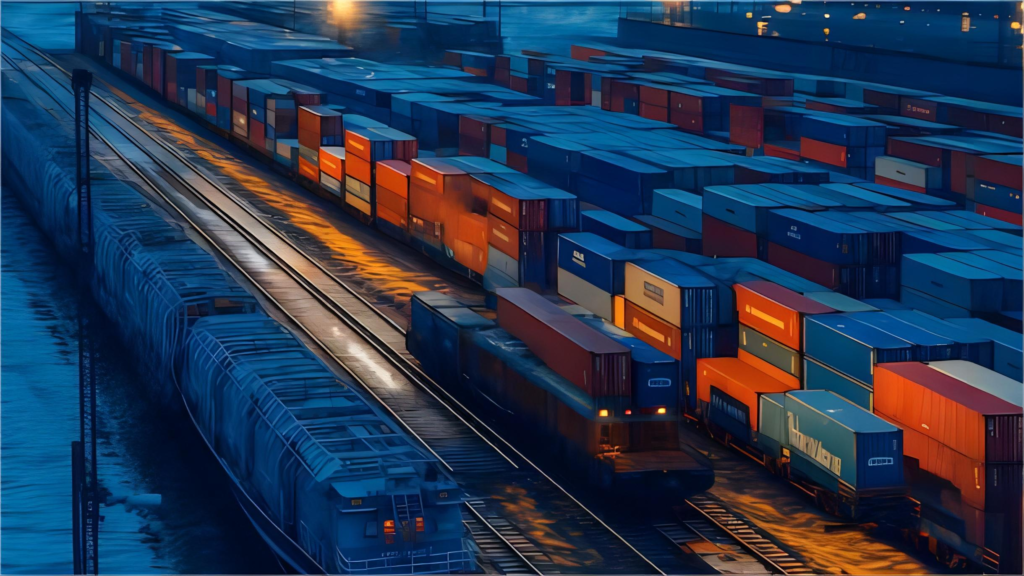
Rail freight service avoiding container delay risks helps businesses reduce dependence on uncertain transportation conditions by improving shipment planning and equipment coordination. As a result, importers and manufacturers can maintain better control over delivery schedules.
Furthermore, rail freight offers an alternative solution when ocean transportation faces congestion or limited container availability.
Main Benefits Of Rail Freight For Delay Prevention
| Advantage | Business Value |
|---|---|
| More Predictable Scheduling | Supports production and inventory planning |
| Better Equipment Coordination | Reduces container waiting time |
| Multiple Route Options | Improves transportation flexibility |
| Lower Delay Exposure | Avoids some port-related disruptions |
| Integrated Logistics Support | Simplifies shipment management |
Suitable Cargo Types
Rail freight solutions are commonly used for:
- Industrial components
- Electronics products
- Machinery parts
- Consumer goods
- Automotive supplies
- Ecommerce inventory
Moreover, companies with regular shipping demand can use rail freight as part of a diversified logistics strategy.
What Causes Container Delays In International Shipping?
Container delays usually happen because of multiple factors throughout the supply chain. Therefore, understanding the causes helps businesses develop better prevention strategies.
Common Container Delay Risks
| Risk Factor | Impact On Shipment |
|---|---|
| Equipment Shortage | Cargo cannot depart on schedule |
| Port Congestion | Increases waiting time |
| Documentation Errors | Causes customs delays |
| Poor Shipment Planning | Creates unnecessary storage time |
| Peak Season Demand | Reduces available capacity |
How Rail Freight Helps Reduce These Risks
Rail transportation can help businesses avoid some common delay problems by providing:
1. Better Shipment Scheduling
Rail services often operate according to planned routes and departure schedules. Therefore, businesses can organize cargo preparation more efficiently.
2. Improved Container Planning
Professional freight forwarders can arrange suitable containers according to cargo volume and shipping requirements.
3. Alternative Transportation Options
When ocean routes experience congestion, rail freight can provide another transportation channel to maintain supply chain continuity.
Consequently, rail freight becomes a valuable option for companies looking to improve logistics stability.
How Does A Professional Rail Freight Service Prevent Container Delays?
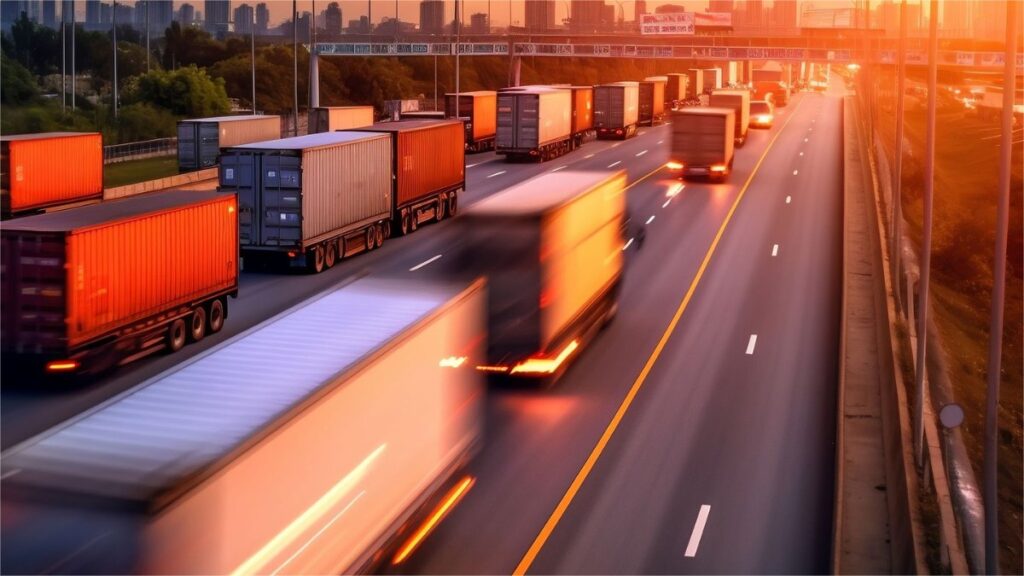
Avoiding container delays requires coordination before, during, and after transportation. Therefore, experienced logistics providers focus on the complete shipping process.
Container Delay Prevention Process
- Analyze cargo requirements
- Select suitable container type
- Confirm transportation capacity
- Prepare customs documents
- Monitor shipment progress
- Arrange final delivery
Complete Risk Management Workflow
| Stage | Preventive Action |
|---|---|
| Before Shipment | Confirm equipment and booking availability |
| During Transportation | Track cargo movement |
| Customs Stage | Review documents in advance |
| Final Delivery | Prepare local transportation resources |
In addition, proactive communication between suppliers, carriers, and logistics teams helps identify potential issues earlier.
As a result, businesses can reduce unexpected waiting time and improve delivery performance.
How Can Freight Forwarders Support Rail Freight Without Container Delays?
A professional freight forwarder provides more than transportation booking. Instead, they manage resources, schedules, and communication throughout the shipment process.
Key Services For Delay Prevention
| Service | Business Benefit |
|---|---|
| Container Planning | Ensures suitable equipment availability |
| Route Optimization | Improves transportation efficiency |
| Customs Assistance | Reduces clearance problems |
| Shipment Tracking | Provides better visibility |
| Final Delivery Coordination | Prevents last-mile delays |
Additional Support Includes
- Cargo preparation guidance
- Container allocation management
- Documentation review
- Transportation monitoring
- Warehouse coordination
Moreover, different cargo types require different transportation approaches. For example, oversized machinery, fragile goods, and standard commercial products may need different container solutions.
Therefore, selecting a logistics provider with strong operational experience can significantly reduce container delay risks.
Real-World Rail Freight Service Avoiding Container Delay Risks Cases
🏭 Case 1: Preventing Production Delays For Automotive Components
| 📌 Item | Details |
|---|---|
| 🚢 Route | China Supplier → Overseas Vehicle Assembly Plant |
| 📦 Cargo | Automotive Components |
| ⏱ Transit Time | 17 Days |
| 💰 Cost Impact | Reduced production interruption risks |
| 🚆 Transport Method | Rail Freight + Factory Delivery |
| 🛃 Challenge | Factory required continuous component supply |
| 📝 Solution | Reserved container capacity and planned shipment schedules |
| ✅ Result | Production materials arrived according to manufacturing plans |
📦 Case 2: Maintaining Retail Inventory During Peak Season
| 📌 Item | Details |
|---|---|
| 🚢 Route | China Distribution Center → Overseas Warehouse |
| 📦 Cargo | Consumer Products |
| ⏱ Transit Time | 15 Days |
| 💰 Cost Impact | Avoided expensive emergency transportation |
| 🚆 Transport Method | Consolidated Rail Freight |
| 🛃 Challenge | Seasonal demand increased shipping pressure |
| 📝 Solution | Arranged container planning before peak demand |
| ✅ Result | Inventory replenishment remained stable |
How To Select A Rail Freight Partner For Stable Cargo Delivery?
Choosing the right logistics provider directly affects shipment reliability. Therefore, businesses should evaluate transportation experience, resource availability, and problem-solving capability.
Important Selection Factors
| Capability | Business Value |
|---|---|
| Rail Network Experience | Better route management |
| Container Resources | Improved equipment availability |
| Customs Knowledge | Reduced clearance risks |
| Tracking Capability | Better shipment visibility |
| Multimodal Services | Flexible delivery solutions |
Questions To Ask Before Cooperation
Before selecting a provider, consider:
- Can you help avoid container availability issues?
- Do you provide shipment tracking?
- Can you arrange suitable containers?
- Do you support door-to-door delivery?
- Can you manage customs procedures?
Consequently, working with an experienced rail freight provider helps businesses create a more stable international logistics system.
Conclusion
Rail freight service avoiding container delay risks provides businesses with a practical approach to improving transportation reliability. By combining better container planning, professional coordination, and flexible delivery solutions, companies can reduce the impact of equipment shortages and unexpected shipment disruptions.
Furthermore, avoiding delays requires more than selecting a transportation method. Effective logistics management, accurate documentation, and proactive communication all contribute to successful cargo delivery.
For manufacturers, importers, and distributors that depend on stable supply chains, rail freight offers a reliable alternative that helps control costs while improving delivery confidence.
🤝 Need A Rail Freight Plan With Lower Delay Risks?
Our team can support container planning, route selection, customs coordination, and final delivery management.
FAQs
1. Can rail freight completely eliminate container delays?
No transportation method can remove all risks, but professional planning can significantly reduce delay possibilities.
2. Why do container delays happen?
Common causes include equipment shortages, congestion, documentation issues, and poor shipment coordination.
3. Is rail freight more reliable than sea freight?
Rail freight can provide more predictable schedules on certain routes and reduce exposure to some ocean shipping disruptions.
4. Can freight forwarders arrange containers for rail shipments?
Yes. Experienced providers can coordinate suitable containers based on cargo requirements.
5. Does rail freight support door-to-door delivery?
Yes. Rail transportation can be combined with trucking services to provide complete delivery solutions.