
Shipping from China to UAE Cargo Shipping: 2026 Logistics Guide
Shipping from China to UAE cargo shipping remains a vital link for global trade in 2026 as businesses seek efficient ways to navigate the Middle Eastern market. Finding a reliable freight forwarder is essential for managing complex customs regulations and volatile market rates. At DSV-Freight, we specialize in streamlining these processes to ensure your goods arrive on time and within budget. This guide provides a comprehensive analysis of the current shipping landscape, helping you choose the best transport method for your specific business needs.

How Does Shipping from China to UAE Cargo Shipping Compare to Other Methods?
Determining the most effective transport mode requires a careful balance between budget constraints and delivery speed requirements. Consequently, businesses often choose between sea freight, air freight, and express courier services based on the volume and urgency of their inventory.
Moreover, 2026 market trends show a significant shift toward hybrid logistics solutions that combine different transport modes to optimize costs. Furthermore, understanding the trade-offs between these options is critical for maintaining a competitive advantage in the UAE market.
Therefore, we have compiled a comparison of the primary shipping methods to help you evaluate which strategy aligns best with your operational goals.
| Shipping Method | Cost Range | Transit Time | Best For | Limitations |
|---|---|---|---|---|
| Sea Freight (FCL) | $1,500 – $2,800 | 18 – 25 Days | Large volumes | Longer lead times |
| Air Freight | $3.50 – $6.50/kg | 3 – 7 Days | High-value goods | Higher cost |
| Express Service | $7.00 – $12.00/kg | 2 – 4 Days | Samples/Documents | Weight limits |
| Sea-Air Hybrid | $2.50 – $4.00/kg | 10 – 14 Days | Medium urgency | Complex booking |
What are the Primary Shipping Options from China to the UAE?
Selecting the right method involves evaluating the specific characteristics of your cargo and the final destination in the Emirates. Additionally, sea freight remains the most popular choice for bulk commodities and heavy machinery due to its cost-effectiveness.
However, for time-sensitive electronics or fashion items, air freight provides the speed necessary to meet tight market demands. In contrast, businesses shipping smaller parcels often prefer an express service for its convenience and speed.
Indeed, each method serves a distinct purpose within the global supply chain, and your choice will directly impact your landed cost and customer satisfaction.
Sea Freight Solutions: FCL vs LCL
Full Container Load (FCL) shipping is ideal for businesses that have enough goods to fill a 20ft or 40ft container. Consequently, this method offers better security and faster transit times because the container is not opened until it reaches its final destination.
On the other hand, Less than Container Load (LCL) allows you to share container space with other shippers, making it a budget-friendly option for smaller volumes. Nevertheless, LCL may involve slightly longer transit times due to the consolidation and deconsolidation processes at the ports.
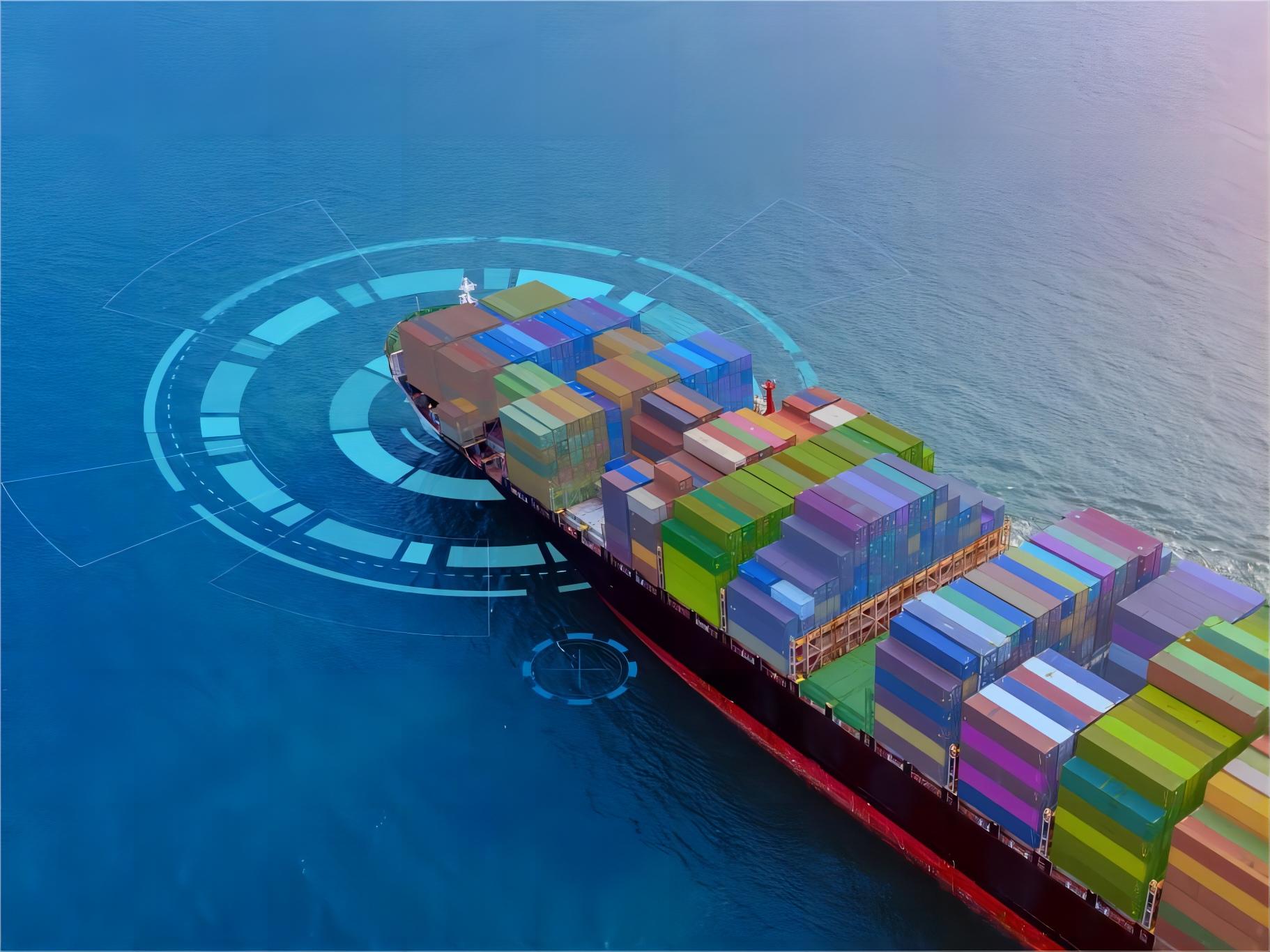
Why Choose Door to Door Shipping from China to UAE Cargo Shipping?
Managing the logistics chain from factory to warehouse can be incredibly complex for many importers. Therefore, door to door shipping has become the preferred choice for companies looking to simplify their operations.
Additionally, this service covers everything from pickup in China to final delivery in cities like Dubai, Abu Dhabi, or Sharjah. As a result, you do not have to worry about coordinating multiple carriers or managing local transport at the destination.
Furthermore, our integrated systems provide real-time tracking, giving you full visibility over your shipment’s progress throughout its journey.
Navigating Customs Brokerage and Documentation
Customs regulations in the UAE are strict, and any errors in documentation can lead to costly delays or fines. Consequently, utilizing a professional customs brokerage service is vital for ensuring compliance with local laws.
Moreover, you must prepare essential documents such as the Commercial Invoice, Packing List, and Certificate of Origin before the cargo departs China. In addition, certain products may require special permits from UAE authorities, including the Ministry of Health or the Emirates Authority for Standardization and Metrology.
Accordingly, our team assists you in verifying all paperwork to facilitate a smooth clearance process at Jebel Ali or Dubai World Central.
| Document Name | Purpose | Required By | Timeline |
|---|---|---|---|
| Commercial Invoice | Value declaration | UAE Customs | Before departure |
| Packing List | Cargo details | Port Authorities | Before departure |
| Bill of Lading | Title of goods | Shipping Line | At departure |
| Certificate of Origin | Source verification | UAE Customs | Before arrival |
What are the Costs for Shipping from China to UAE Cargo Shipping in 2026?
Pricing in 2026 is influenced by fuel surcharges, seasonal demand, and port congestion levels across major Chinese hubs. For instance, shipping costs typically peak during the months leading up to the Chinese New Year and the year-end holidays.
Additionally, sea freight rates for a 40HQ container from Ningbo to Jebel Ali currently range between $2,500 and $3,800 depending on the carrier. Meanwhile, air freight rates remain relatively stable but are subject to fluctuations based on jet fuel prices.
Note: Freight rates are subject to change based on fuel costs, carrier capacity, and seasonal demand. Contact us for a current quote tailored to your specific shipment.
| Route | 20GP Container | 40HQ Container | Transit Time |
|---|---|---|---|
| Shanghai to Jebel Ali | $1,600 – $2,200 | $2,800 – $3,600 | 22 Days |
| Shenzhen to Dubai | $1,400 – $2,000 | $2,500 – $3,300 | 18 Days |
| Ningbo to Abu Dhabi | $1,700 – $2,300 | $2,900 – $3,700 | 24 Days |
| Qingdao to Sharjah | $1,800 – $2,400 | $3,000 – $3,900 | 26 Days |

Real-World Case Studies for UAE Cargo Shipping
Examining real-world examples provides valuable insights into the practical challenges and successful strategies used in modern logistics. Consequently, we have documented two recent shipments to illustrate the efficiency of our 2026 shipping protocols.
Moreover, these cases highlight the importance of choosing the right shipping method and preparing documentation accurately to avoid port delays.
Case Study 1: Electronics from Shenzhen to Dubai
———————————————————–
Route: Shenzhen, China to Dubai, UAE
Cargo: Smart Home Devices, 12 CBM, 2400 kg
Container: LCL 12 CBM
Shipping Details:
– Carrier: COSCO Shipping
– Port of Loading: Shenzhen (Yantian)
– Port of Discharge: Jebel Ali
– Route Type: Direct Service
Cost Breakdown:
– Ocean Freight: $1,150
– Origin Charges: $350
– Destination Charges: $420
– Customs and Duties: $1,200
– Total Landed Cost: $3,120
Timeline:
– Booking to Loading: 3 days
– Sea Transit: 19 days
– Customs Clearance: 2 days
– Total Door-to-Door: 24 days
Key Insight: Using LCL saved the client 40 percent compared to a dedicated 20GP container.
———————————————————–
Case Study 2: Commercial Furniture from Foshan to Abu Dhabi
———————————————————–
Route: Foshan via Guangzhou, China to Abu Dhabi, UAE
Cargo: Office Furniture, 65 CBM, 8500 kg
Container: 40HQ Full Container
Shipping Details:
– Carrier: Maersk Line
– Port of Loading: Nansha, Guangzhou
– Port of Discharge: Khalifa Port
– Route Type: Direct
Cost Breakdown:
– Ocean Freight: $3,450
– Origin Charges: $480
– Destination Charges: $550
– Customs and Duties: $2,100
– Total Landed Cost: $6,580
Timeline:
– Booking to Loading: 5 days
– Sea Transit: 23 days
– Customs Clearance: 3 days
– Total Door-to-Door: 31 days
Key Insight: Direct routing to Khalifa Port reduced inland trucking costs by 15 percent for the Abu Dhabi destination.
———————————————————–
Which Option Should You Choose? Decision Framework
Choosing the right shipping strategy depends entirely on your business priorities and the nature of your products. For instance, if your primary goal is cost reduction, sea freight FCL or LCL is the clear winner for large volumes.
In contrast, if you are launching a new product and need to hit a specific marketing date, air freight is the most reliable option despite the higher cost. Furthermore, businesses with consistent, medium-sized shipments should consider a door-to-door DDP service to minimize administrative overhead.
Additionally, we recommend evaluating your supply chain every quarter to adjust for seasonal rate changes and new logistics trends in 2026.
Mastering Your Cargo Strategy in 2026
Summarizing the logistics landscape, shipping from China to UAE cargo shipping requires a mix of strategic planning and expert execution. By understanding the differences between air and sea freight, you can make informed decisions that benefit your bottom line.
Moreover, staying updated on customs regulations and market rates will prevent unexpected costs and delays. Consequently, partnering with an experienced freight forwarder is the most effective way to manage these complexities.
Ultimately, your success in the UAE market depends on a resilient and efficient shipping from China to UAE cargo shipping strategy that can adapt to the evolving global trade environment.
Need a tailored shipping solution?
Ready to optimize your supply chain? Contact our logistics experts today for a personalized quote on shipping from China to UAE cargo shipping and discover how we can save you time and money. Send Inquiry Visit: https://alichinafreight.com/