

2026 Guide to China Logistics Provider Global Shipping Solutions
Navigating the complex landscape of international trade requires a strategic china logistics provider global shipping partner to ensure your supply chain remains resilient and cost-effective. Many businesses face significant hurdles such as fluctuating freight rates and complex customs regulations that can disrupt delivery schedules and impact profitability. Consequently, finding a reliable partner who understands the nuances of global trade is essential for maintaining a competitive edge in the 2026 marketplace. This comprehensive guide will provide the insights needed to master your logistics strategy.
Why You Need a China Logistics Provider Global Shipping Partner in 2026?
Reliability serves as the cornerstone of any successful import-export operation in the current economic climate. Furthermore, the global shipping landscape has evolved significantly over the last year, with new environmental regulations and digital tracking technologies becoming the industry standard. Choosing an experienced provider allows you to leverage their extensive network of carriers and deep local knowledge of Chinese manufacturing hubs.
Moreover, the integration of advanced logistics software has made real-time visibility a mandatory requirement for modern shippers. Additionally, a dedicated partner can help you navigate the complexities of air freight for high-priority shipments that require rapid delivery to maintain inventory levels. Specifically, having a point of contact on the ground in China ensures that any production delays are communicated and managed before they affect your global distribution.
Efficiency in cargo handling remains a top priority for businesses looking to minimize overhead costs. Consequently, professional logistics firms provide the expertise needed to optimize container space and reduce the likelihood of damage during transit. By outsourcing these tasks, you can focus on core business activities like product development and marketing while your logistics partner handles the heavy lifting.
What Key Services Does a China Logistics Provider Global Shipping Firm Offer?
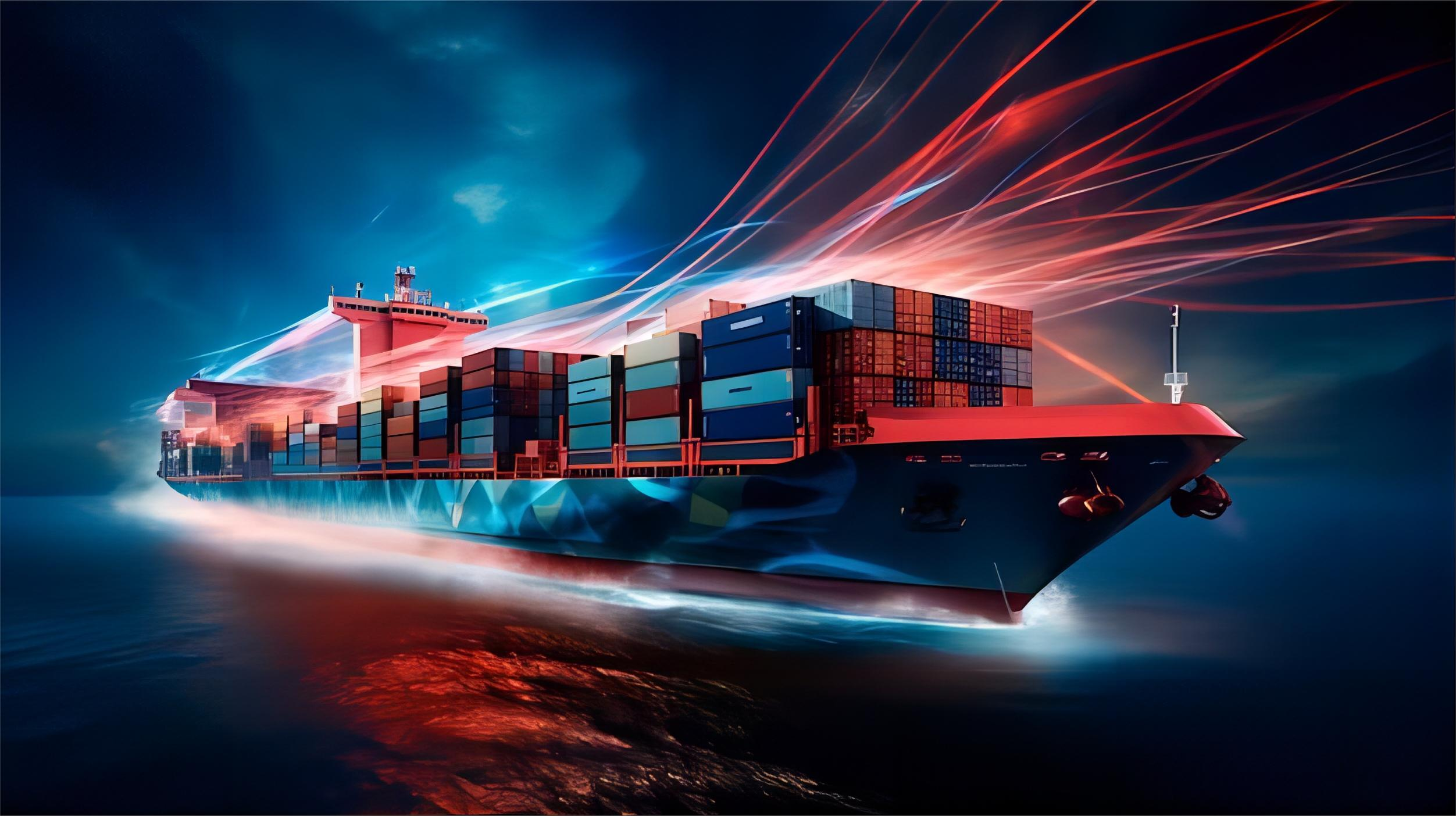
Comprehensive logistics companies provide a diverse suite of services designed to simplify the entire shipping journey. Most providers offer sea freight as their primary method for transporting large volumes of goods economically across the world’s oceans. This service is particularly beneficial for bulky items or large-scale manufacturing orders that do not require immediate delivery.
Furthermore, many firms now include value-added services such as warehousing, consolidation, and specialized labeling. For sellers operating on digital platforms, specialized Amazon FBA logistics solutions are crucial for meeting the strict requirements of international fulfillment centers. These services ensure that products are prepped, packed, and shipped according to precise platform specifications, reducing the risk of rejection at the warehouse.
Additionally, the rise of e-commerce has led to an increased demand for integrated supply chain solutions. Modern logistics providers act as a bridge between Chinese factories and global consumers, managing everything from the initial pickup to the final delivery. This end-to-end approach minimizes the number of intermediaries involved, which often leads to lower costs and fewer communication errors.
How Does Sea Freight Compare to Other Shipping Options?
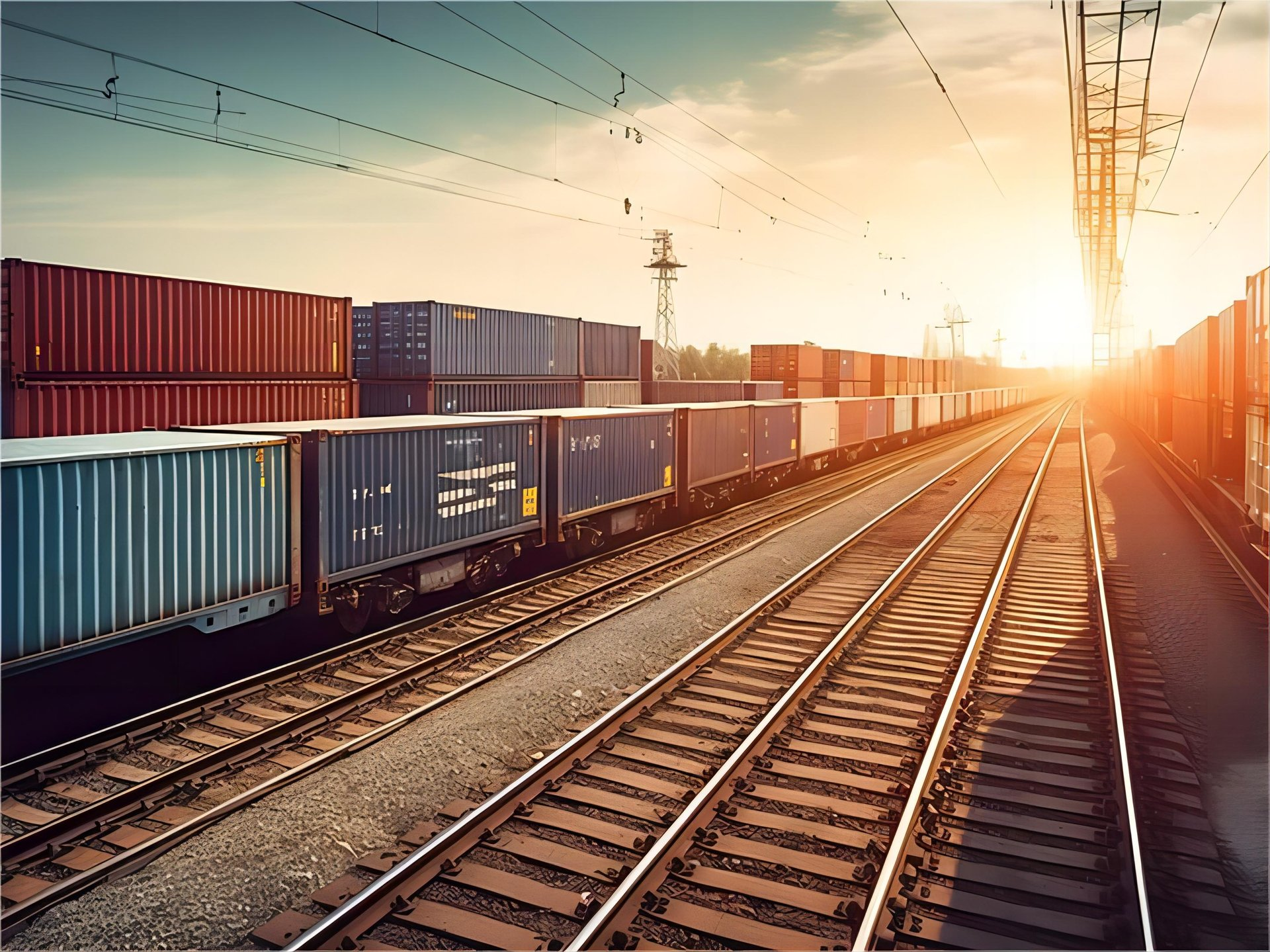
Understanding the differences between transport modes is essential for effective budget planning and inventory management. While sea freight remains the most cost-effective solution for massive shipments, it is often the slowest method available. In contrast, rail freight offers a compelling middle ground for shipments traveling from China to Europe, providing faster transit times than the ocean while remaining cheaper than air cargo.
Illustratively, companies must weigh the urgency of their inventory needs against their available logistics budget. During peak seasons, such as the lead-up to the holidays, air freight rates can spike significantly, making sea freight even more attractive for those who planned ahead. Nevertheless, for high-value electronics or perishable goods, the speed of air transport often justifies the higher expense.
Comparatively, express services are best suited for small parcels or urgent documentation that must reach its destination within a matter of days. These services utilize the networks of major global couriers to provide door-to-door delivery with minimal involvement from the shipper. However, for shipments exceeding 100 kilograms, traditional freight forwarding methods usually offer much better value.
| Shipping Method | Cost Range | Transit Time | Best For |
|---|---|---|---|
| Sea Freight (FCL) | $2,500 – $4,200 | 25 – 40 Days | Bulk Inventory |
| Air Freight | $5.50 – $12.00/kg | 3 – 7 Days | High-Value Goods |
| Rail Freight | $1,800 – $2,600 | 18 – 24 Days | China to Europe |
| Express Courier | $9.00 – $16.00/kg | 2 – 5 Days | Samples and Docs |
Which Option Should You Choose for Your Business?
Decision-making in logistics depends on several critical factors including cargo volume, total budget, and the required speed of delivery. If you are shipping less than 15 cubic meters of goods, door to door LCL (Less than Container Load) services might be the most efficient and economical choice for your business. This allows you to share container space with other shippers, paying only for the volume you actually use.
Conversely, large-scale manufacturers typically prefer Full Container Load (FCL) to maximize security and minimize the handling of their products. FCL shipping reduces the risk of damage because the container remains sealed from the point of origin to the final destination. Ultimately, your choice should align with your broader business objectives and the expectations of your end customers regarding delivery speed.
Specifically, businesses should consider hybrid solutions like sea-air combinations to balance cost and speed. This strategy involves shipping goods by sea to a major hub like Dubai or Singapore and then flying them to the final destination. This approach can save up to 40% compared to pure air freight while still being twice as fast as traditional sea freight.
How to Navigate Customs Clearance from China Effectively?
Successful international shipping depends heavily on accurate documentation and strict adherence to global regulatory compliance. Utilizing a professional customs brokerage service can prevent costly delays and potential seizures at the port of entry. These experts stay updated on the latest tariff changes and trade agreements that might affect your total landed cost in 2026.
Furthermore, ensuring that all commercial invoices and packing lists are meticulously prepared is vital for a smooth customs process. Any discrepancies in product descriptions or valuations can lead to intensive inspections and unexpected storage fees at the terminal. Consequently, proactive communication with your logistics provider regarding the nature of your cargo is essential for avoiding these common pitfalls.
Historically, customs regulations have been a major bottleneck for small and medium-sized enterprises entering the global market. However, modern digital customs platforms have streamlined the submission process, allowing for faster clearances than ever before. Therefore, choosing a partner who utilizes these digital tools can significantly reduce your overall transit time and improve supply chain predictability.
| Document | Purpose | Requirement | Importance |
|---|---|---|---|
| Commercial Invoice | Value Declaration | Mandatory | Critical |
| Packing List | Itemized Contents | Mandatory | High |
| Bill of Lading | Title of Goods | Mandatory | Critical |
| Certificate of Origin | Duty Assessment | Optional | Variable |
What Are the 2026 Trends in China Logistics Provider Global Shipping?
Sustainability has moved to the forefront of the logistics industry as carriers invest in LNG-powered vessels and carbon-offset programs. Many shippers now prioritize partners who can provide detailed reports on the carbon footprint of their shipments. Additionally, the adoption of blockchain technology is improving transparency in the supply chain, providing an immutable record of a product’s journey from factory to doorstep.
Moreover, the automation of warehouses in major Chinese ports like Shanghai and Ningbo has drastically increased throughput capacity. These technological advancements allow for faster loading times and more accurate inventory tracking. Consequently, businesses can expect more reliable schedules and fewer instances of port congestion compared to previous years.
Meanwhile, the shift toward regionalized supply chains is prompting many logistics providers to expand their warehousing capabilities in destination countries. This trend allows businesses to keep inventory closer to their customers, facilitating faster last-mile delivery and reducing the impact of international transit delays. Staying informed about these trends is crucial for any business looking to optimize its global shipping strategy.
Real-World Case Studies in Global Logistics Success
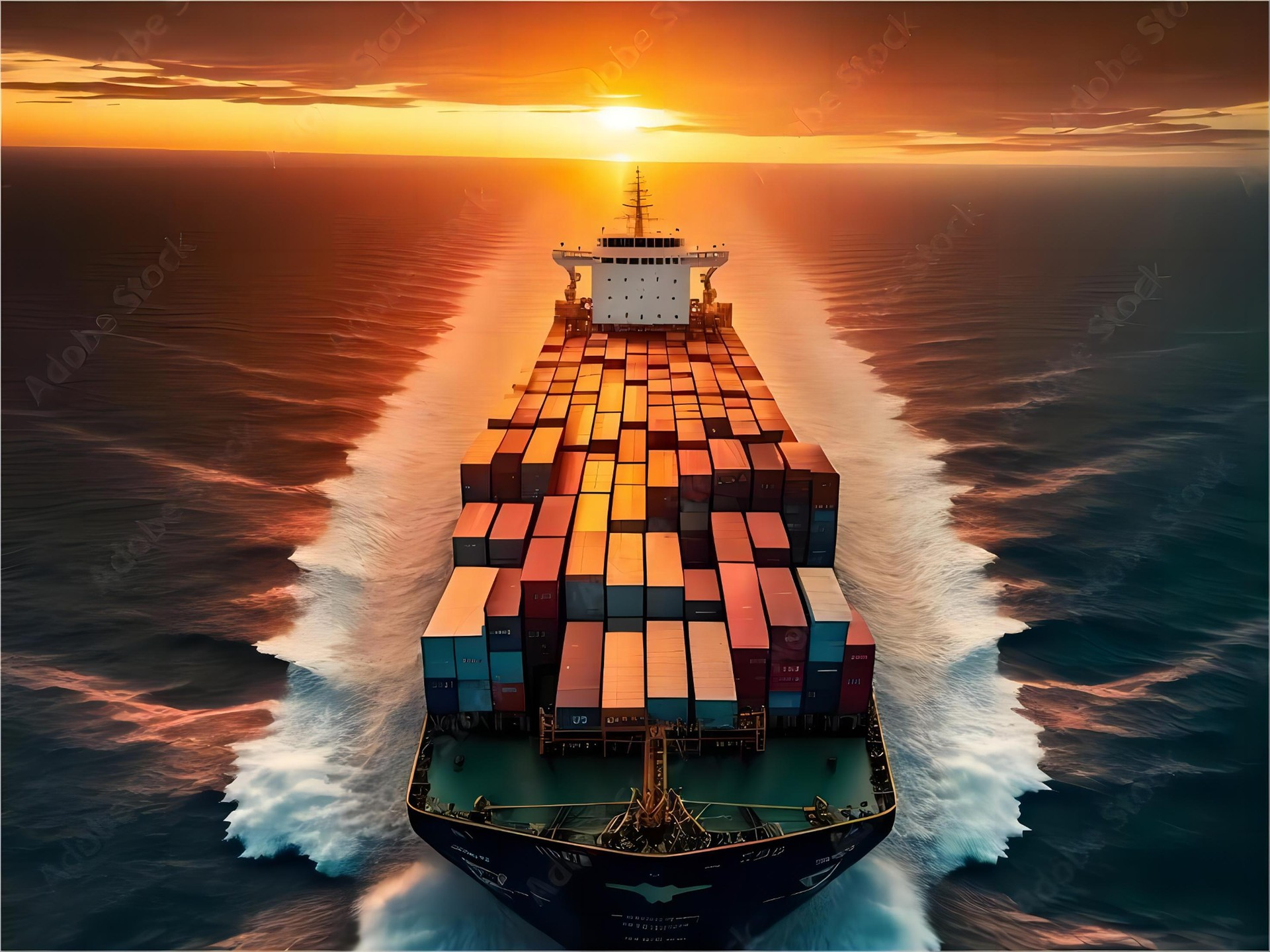
Case Study 1: High-Volume Electronics to USA. Route: Shenzhen, China to Los Angeles, USA. Cargo: Consumer Electronics, 68 CBM, 14,000 kg. Container: 40HQ. Shipping Details: Major trans-Pacific carrier, Direct route. Cost Breakdown: Ocean Freight $3,450, Origin Charges $420, Destination Charges $550, Customs and Duties $1,200. Total Landed Cost: $5,620. Timeline: Booking to Loading 4 days, Sea Transit 15 days, Customs Clearance 2 days. Total Door-to-Door: 21 days. Key Insight: Early booking in late 2025 secured competitive 2026 rates before the Q1 peak season.
Case Study 2: Industrial Components to Europe. Route: Ningbo, China to Rotterdam, Netherlands. Cargo: Machinery Parts, 14 CBM, 8,500 kg. Container: LCL (Less than Container Load). Shipping Details: Transshipment via Singapore. Cost Breakdown: Ocean Freight $1,250, Origin Charges $310, Destination Charges $480, Customs $900. Total Landed Cost: $2,940. Timeline: Booking to Loading 5 days, Sea Transit 31 days, Customs Clearance 3 days. Total Door-to-Door: 39 days. Key Insight: Utilizing LCL for mid-sized cargo saved the client over $1,000 compared to booking a full 20GP container.
Note: Freight rates are subject to change based on fuel costs, carrier capacity, and seasonal demand. Contact us for a current quote tailored to your specific shipment.
Mastering Global Trade with the Right Partner
Mastering the nuances of international trade involves selecting a competent china logistics provider global shipping partner who understands the dynamic market of 2026. By balancing cost, speed, and reliability, you can build a resilient supply chain that supports long-term growth and customer satisfaction. Remember to stay informed about emerging market trends and maintain flexibility in your logistical planning to adapt to any unforeseen challenges.
Ultimately, the right shipping strategy will serve as a powerful engine for your global business expansion. Whether you are shipping small parcels or massive industrial equipment, the principles of transparency and efficiency remain the same. Partnering with experts allows you to navigate the complexities of global shipping with confidence and ease.

Get Your Shipping Quote Today
Ready to streamline your international supply chain with a trusted china logistics provider global shipping expert? Contact us today to receive a customized quote and discover how our tailored solutions can reduce your shipping costs and improve transit times in 2026. Visit our inquiry page to get started: Send Inquiry
Request Quote