

2026 Shipping Cost Calculator China Freight Guide for Global Business
Managing international logistics requires a precise shipping cost calculator China freight tool to navigate the complex world of global trade. Business owners must understand how various factors influence the final price of moving goods from Chinese manufacturing hubs to world markets. By partnering with DSV-Freight, you can access transparent pricing and expert logistics coordination for your 2026 shipments.

Why You Need a Shipping Cost Calculator China Freight Tool in 2026
Modern supply chains demand accuracy and speed to maintain competitive margins in an ever-shifting global economy. Consequently, using a reliable shipping cost calculator China freight resource allows importers to estimate their landed costs before placing large manufacturing orders. This foresight prevents unexpected expenses that could erode profit margins during the transit process.
Furthermore, the logistics landscape in 2026 has become increasingly digitized, requiring real-time data to make informed decisions. Specifically, fluctuations in fuel prices and seasonal demand mean that static price lists are no longer sufficient for professional planning. Therefore, having access to dynamic pricing tools ensures your business stays agile and responsive to market changes.
Additionally, these calculators help in comparing different service levels, such as economy versus express options. Indeed, understanding the trade-off between speed and price is essential for optimizing inventory turnover. Most importantly, a comprehensive tool accounts for hidden fees like terminal handling charges and documentation costs.
How Does Sea Freight Compare to Other Shipping Options?
Choosing the right transportation mode depends heavily on your specific cargo volume, budget constraints, and delivery deadlines. While sea freight remains the most cost-effective solution for large-scale shipments, it requires the longest lead times. However, for many businesses, the significant cost savings justify the extended transit period.
Alternatively, rail and air options provide middle-ground and premium solutions for urgent inventory needs. Each method has a distinct pricing structure that a shipping cost calculator China freight tool must analyze carefully. Below is a comprehensive comparison of the primary shipping methods available in 2026.
| Shipping Method | Cost Range | Transit Time | Best For |
|---|---|---|---|
| Sea Freight (FCL) | $1,500 – $6,000 | 14 – 40 Days | Bulk goods and large volumes |
| Air Freight | $4.50 – $9.00/kg | 3 – 7 Days | High-value or urgent items |
| Rail Freight | $1.20 – $2.50/kg | 15 – 22 Days | Inland Europe destinations |
| Express Service | $7.00 – $15.00/kg | 2 – 5 Days | Small parcels and samples |
Understanding the Components of China Freight Costs
Calculating the total expense of a shipment involves much more than just the base port-to-port rate. In fact, origin charges such as trucking from the factory to the port and export customs clearance play a significant role. Moreover, carriers often apply various surcharges like the Bunker Adjustment Factor (BAF) to account for fuel price volatility.
Meanwhile, destination fees can surprise unprepared importers if they are not included in the initial quote. These typically include port congestion fees, terminal handling, and warehouse storage if the cargo is not cleared promptly. Consequently, a thorough shipping cost calculator China freight analysis must incorporate these variables to provide a realistic total.
Additionally, the type of container used significantly impacts the final price. For instance, a 40HQ container offers more volume for a marginally higher price than a standard 20GP, often providing better value per cubic meter. Therefore, optimizing your packaging and container utilization is a key strategy for reducing overall logistics expenditure.
Air Freight vs. Sea Freight: Which One Fits Your Budget?
Deciding between air freight and ocean transport is often the most critical choice for logistics managers. Air transport offers unparalleled speed, which is vital for electronics, fashion, or seasonal products with short lifecycles. However, the cost per kilogram is substantially higher than sea transport, making it less viable for heavy or low-margin goods.
On the other hand, ocean freight allows for massive economies of scale that are impossible to achieve via air. For example, shipping a full container of furniture across the Pacific is a fraction of the cost of airlifting the same volume. Nevertheless, you must account for the capital tied up in inventory during the month-long sea transit.
Ultimately, many businesses adopt a hybrid strategy, using sea freight for the bulk of their stock and air freight for emergency replenishments. This balanced approach ensures product availability while keeping the average shipping cost per unit within an acceptable range. Indeed, market data suggests that hybrid logistics models will be the standard for resilient supply chains throughout 2026.
Calculating Rail Freight and Door to Door Costs
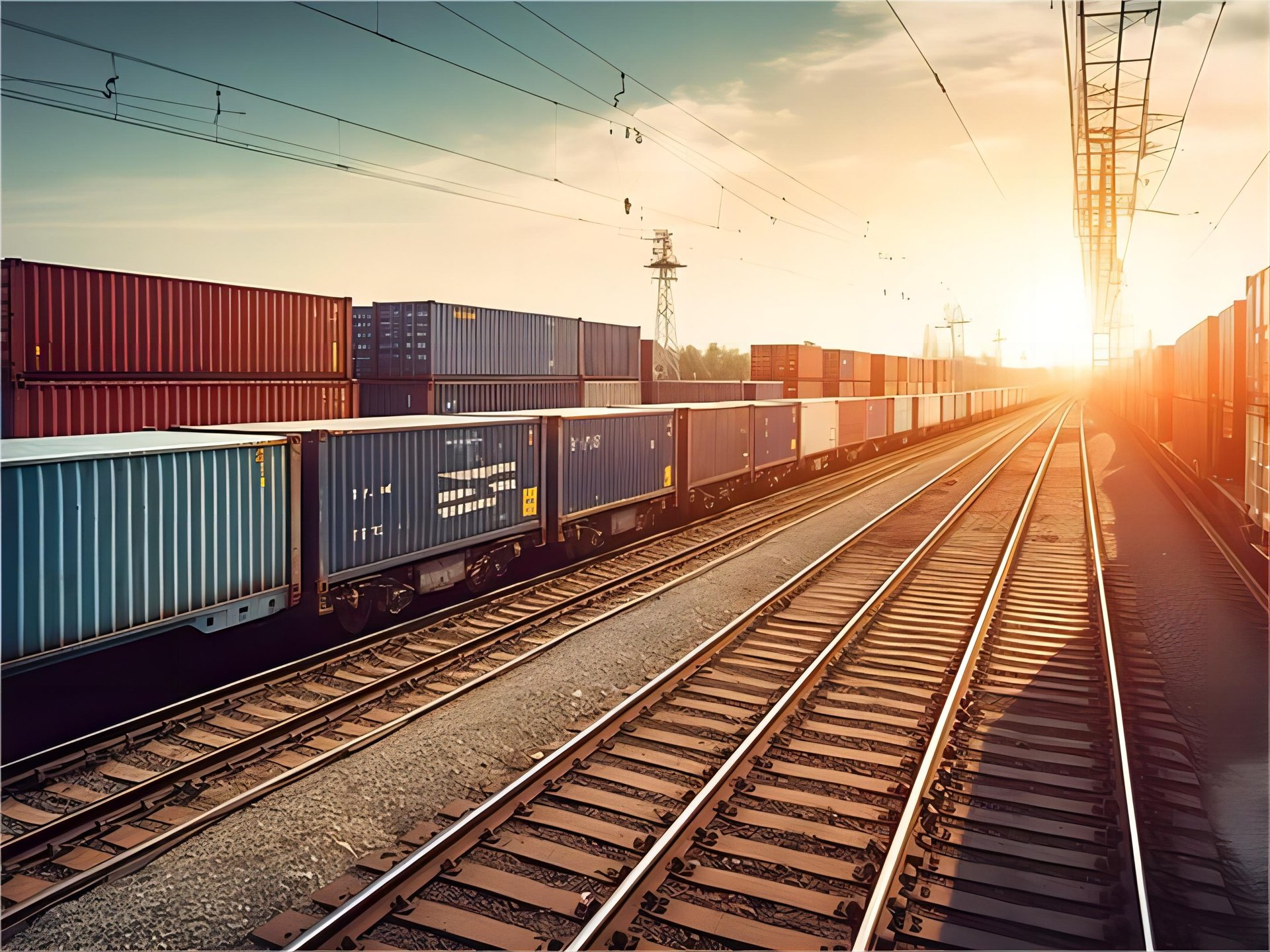
For shipments moving from China to Europe, rail freight has emerged as a powerful alternative to both sea and air. It offers a transit time that is roughly half that of sea freight at a cost much lower than air transport. Consequently, it has become a favorite for automotive parts and industrial machinery manufacturers.
Furthermore, many modern businesses prefer door to door services to simplify their operations. This comprehensive service covers everything from the factory pickup in China to the final delivery at your warehouse. Although the upfront quote might seem higher, it eliminates the need for managing multiple vendors and reduces the risk of hidden destination fees.
Specifically, door-to-door pricing includes customs brokerage, local trucking, and all port formalities. Therefore, using a shipping cost calculator China freight tool that offers all-in rates can save hours of administrative work. Without a doubt, the convenience of a single point of contact is often worth the premium for growing e-commerce brands.
Amazon FBA and Express Shipping Estimates
E-commerce sellers frequently utilize Amazon FBA services to streamline their fulfillment processes. Shipping directly from China to an FBA warehouse requires strict adherence to labeling and palletization standards. Failure to comply can result in rejected shipments and additional handling fees that a standard calculator might not predict.
Moreover, for small shipments or urgent samples, an express service like DHL or FedEx is usually the most practical choice. These services provide the fastest possible transit times and include basic customs clearance in their rates. However, for shipments over 100kg, the price gap between express and standard air freight becomes significant.
In addition, e-commerce logistics in 2026 heavily rely on specialized freight forwarders who understand the nuances of platform-specific requirements. Consequently, choosing a partner who specializes in FBA can prevent costly delays at the border. Indeed, the right shipping cost calculator China freight strategy for Amazon sellers focuses on total landed cost rather than just the shipping rate.
Real-World Case Studies: 2026 Logistics Scenarios
To illustrate how these costs manifest in real-world operations, we have compiled several scenarios based on early 2026 market data. These examples reflect typical routes, cargo types, and the resulting financial breakdowns. Please note that these figures are representative and subject to change based on current market conditions.
Case Study 1: Electronics from Shenzhen to Los Angeles
Route: Shenzhen, China to Los Angeles, USA. Cargo: Consumer Electronics, 25 CBM, 4500 kg. Container: 1 x 20GP. Shipping Details: Major carrier, direct route. Ocean Freight: $2,100. Origin Charges: $450. Destination Charges: $600. Customs and Duties: $1,200. Total Landed Cost: $4,350. Timeline: 16 days door-to-door. Key Insight: Using a direct route saved 5 days of transit time compared to transshipment options.
Case Study 2: Industrial Parts from Ningbo to Hamburg
Route: Ningbo, China to Hamburg, Germany. Cargo: Steel Components, 2 CBM, 800 kg. Method: LCL (Less than Container Load). Shipping Details: Transshipment via Singapore. Ocean Freight: $180. Origin Charges: $120. Destination Charges: $250. Customs and Duties: $400. Total Landed Cost: $950. Timeline: 38 days door-to-door. Key Insight: LCL was the most economical choice for this volume despite the longer transit time.
Case Study 3: Urgent Apparel from Shanghai to London
Route: Shanghai, China to London, UK. Cargo: Designer Clothing, 500 kg. Method: Air Freight. Shipping Details: Direct air cargo service. Air Freight: $3,250. Origin Charges: $150. Destination Charges: $200. Customs and Duties: $850. Total Landed Cost: $4,450. Timeline: 4 days door-to-door. Key Insight: High-margin goods justified the premium cost for rapid market entry.
Which Option Should You Choose? Decision Framework
Selecting the optimal shipping method requires a systematic evaluation of your business priorities. If your primary concern is minimizing expenditure and you have flexible deadlines, sea freight is the undisputed winner. However, if you are launching a new product and need to test the market quickly, air freight provides the necessary speed.
Furthermore, you should consider the volume of your cargo before making a final decision. For shipments between 1 and 15 CBM, LCL sea freight is usually more cost-effective than renting a full container. Conversely, once you exceed 15 CBM, the security and per-unit cost of an FCL shipment often make it the superior choice.
Finally, always factor in the reliability of the carrier and the complexity of customs in the destination country. Indeed, a slightly more expensive route with a reputable carrier may save money in the long run by avoiding port delays. Therefore, use your shipping cost calculator China freight data as a starting point, but consider qualitative factors as well.
| Priority | Recommended Method | Key Benefit | Trade-off |
|---|---|---|---|
| Lowest Cost | Sea Freight (LCL/FCL) | Maximum savings | Long transit time |
| Maximum Speed | Air Freight / Express | Rapid delivery | Highest price |
| Balance | Rail Freight | Faster than sea | Limited routes |
| Convenience | Door to Door | Simplified process | Service premium |
Strategies to Reduce Your Total Landed Cost
Reducing your logistics spend requires a proactive approach to supply chain management. One effective strategy is to consolidate multiple small orders from different suppliers into a single FCL shipment. This reduces the number of individual documentation fees and maximizes container space utilization.
Moreover, negotiating Incoterms carefully with your suppliers can lead to significant savings. For example, switching from CIF to FOB terms allows you to maintain control over the freight costs and choose your own forwarder. Consequently, you can avoid the hidden markups that suppliers often add to shipping quotes.
Additionally, investing in better packaging design can reduce the volumetric weight of your goods. Since air and express carriers charge based on the larger of actual or volumetric weight, smaller boxes can lead to direct cost reductions. Ultimately, a combination of these tactics, supported by accurate data from a shipping cost calculator China freight tool, will strengthen your bottom line.
Mastering Your Logistics Budget with a Shipping Cost Calculator China Freight
In summary, understanding the various factors that influence international shipping rates is essential for any successful import business. By utilizing a shipping cost calculator China freight tool, you can accurately predict your expenses and choose the transportation mode that best aligns with your goals. Whether you prioritize the speed of air freight or the economy of sea transport, staying informed about 2026 market trends is the key to success.
As global trade continues to evolve, partnering with a knowledgeable logistics provider like DSV-Freight ensures that your cargo moves efficiently across borders. Remember to account for all components of the landed cost, from origin charges to destination duties, to maintain healthy profit margins. Start planning your 2026 shipments today with the right tools and expertise to stay ahead of the competition.

Need a tailored shipping solution?
Ready to optimize your global supply chain with precise logistics data? Our team provides customized quotes and expert guidance to help you navigate the complexities of 2026 international trade. Contact us today to receive a detailed breakdown from our shipping cost calculator China freight experts and start saving on your next shipment. Send Inquiry: Visit alichinafreight.com/contact-us/