
5 Best Tips for Finding a Reliable China Freight Forwarder Europe
Finding a reliable china freight forwarder europe is the cornerstone of a successful international trade operation in 2026. However, the complexity of modern logistics means that businesses must look beyond simple price quotes to find partners who truly understand the nuances of the Eurasian corridor. Consequently, this guide provides a comprehensive framework for selecting the right logistics provider to ensure your cargo moves efficiently across borders.
✦
What Defines a Reliable China Freight Forwarder Europe in 2026?
Reliability in the logistics sector is measured by consistency and transparency throughout the entire shipping process. Furthermore, a top-tier partner must demonstrate a deep understanding of both Chinese export regulations and the specific import requirements of various European Union member states. Indeed, the ability to anticipate potential delays and provide proactive solutions is what separates an average agent from a truly professional partner.
Moreover, the technological capabilities of your forwarder play a significant role in modern supply chain management. Digital tracking systems and automated documentation handling are no longer optional features but essential tools for maintaining visibility. Therefore, you should prioritize companies that invest in robust IT infrastructure to provide real-time updates on your cargo status.
Additionally, local expertise in both regions is indispensable for navigating the complexities of international trade. A forwarder with physical offices or strong partnerships in major Chinese hubs like Shenzhen and Ningbo, as well as European ports like Rotterdam or Hamburg, can handle local issues much more effectively. Without a doubt, this dual-region presence significantly reduces the risk of communication breakdowns and logistical bottlenecks.
Comparing Shipping Methods for European Destinations
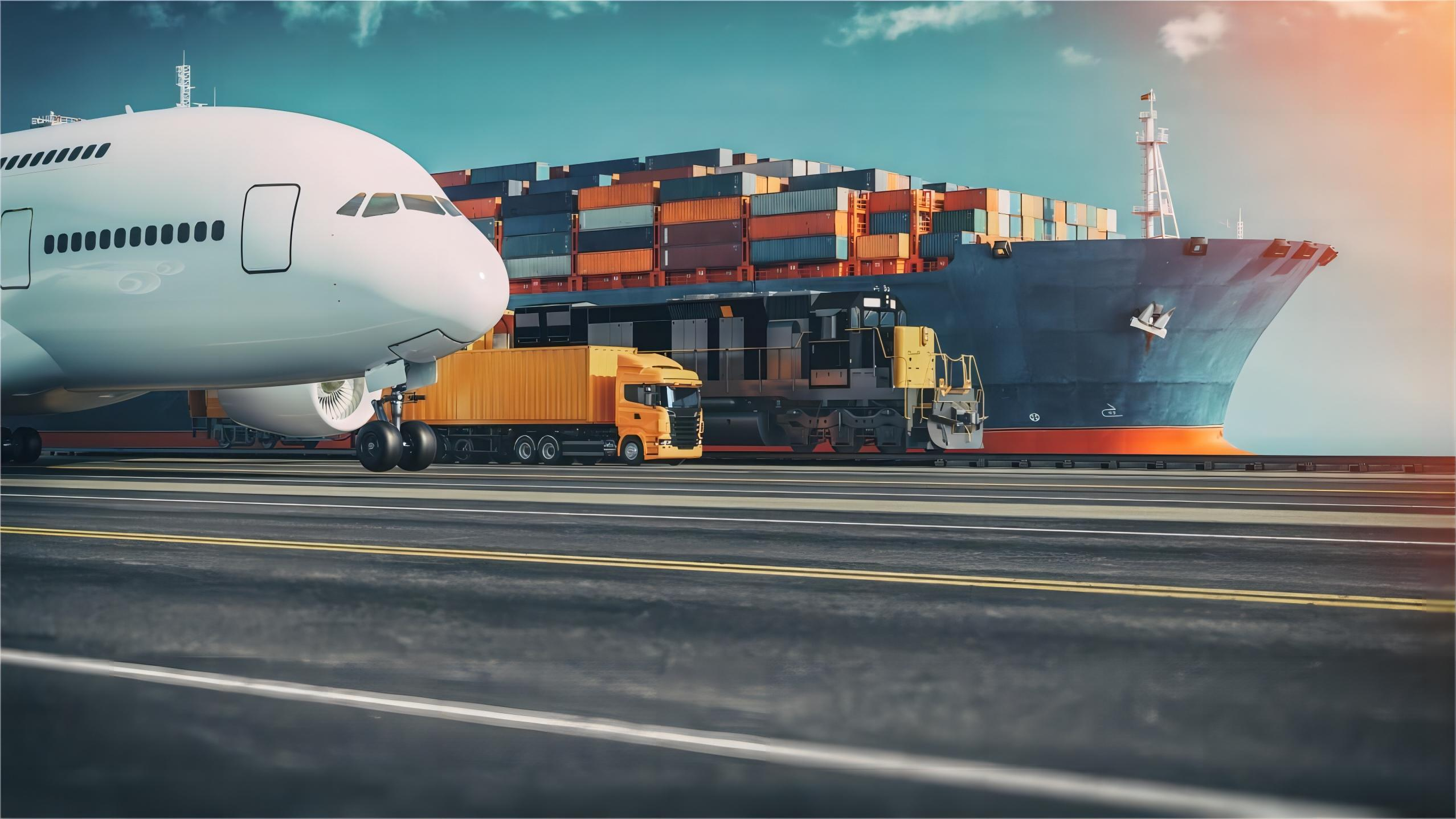
Choosing the right transportation mode is essential for balancing cost and speed in your 2026 logistics strategy. For instance, sea freight remains the most popular choice for high-volume shipments due to its unmatched cost-effectiveness. In contrast, businesses with urgent inventory needs often turn to more expensive but faster alternatives like air or express services.
Meanwhile, the choice between Full Container Load (FCL) and Less than Container Load (LCL) depends heavily on your specific volume requirements. If you are moving more than 15 cubic meters of goods, FCL is generally more economical and offers better security for your cargo. However, smaller businesses often find LCL to be a flexible solution that allows them to maintain lower inventory levels while still accessing competitive international rates.
| Method | Transit Time | Cost Level | Ideal Cargo |
|---|---|---|---|
| Sea Freight | 30 to 45 Days | Low | Bulk goods, furniture |
| Rail Freight | 18 to 22 Days | Medium | Electronics, machinery |
| Air Freight | 5 to 8 Days | High | High-value, urgent items |
| Express | 3 to 5 Days | Very High | Samples, small parcels |
How Does Sea Freight Compare to Other Shipping Options?
While sea freight is the traditional backbone of global trade, it is important to analyze it objectively against newer alternatives. According to industry benchmarks for 2026, ocean transport costs significantly less than air transport, often representing a savings of 70 to 80 percent for large shipments. Nevertheless, the longer transit times require more advanced inventory planning to avoid stockouts during peak seasons.
On the other hand, the rise of trans-Eurasian rail networks has provided a compelling middle ground for many importers. Rail transport is roughly twice as fast as sea freight while costing only a fraction of air freight prices. Consequently, many businesses are adopting a hybrid strategy, using sea freight for their baseline inventory and rail for mid-season replenishments to balance their budget and speed requirements.
| Method | Cost Range (2026) | Transit Time | Best For |
|---|---|---|---|
| Sea Freight | $3,000 to $4,500 per 40HQ | 30 to 40 Days | Cost-sensitive bulk |
| Rail Freight | $5,500 to $7,500 per 40HQ | 16 to 22 Days | Time-sensitive retail |
| Air Freight | $4.50 to $7.00 per kg | 5 to 7 Days | Urgent high-value |
| Sea-Air Hybrid | $2.50 to $3.50 per kg | 15 to 20 Days | Balanced priority |
The Strategic Importance of Rail Freight in 2026
In the current economic landscape, rail freight has emerged as a vital link for the China-Europe corridor. This method offers a more stable schedule compared to ocean shipping, which can be affected by port congestion or maritime disruptions. Furthermore, the environmental impact of rail is significantly lower than air freight, making it an attractive option for companies focused on sustainability goals.
Additionally, the development of new rail terminals in inland China and Eastern Europe has expanded the reach of this service. Shippers can now access direct routes from cities like Xi’an or Chengdu to major European hubs like Warsaw, Duisburg, and Madrid. Therefore, if your suppliers are located in central or western China, rail might actually offer a more efficient door-to-door solution than trucking goods to a coastal seaport.
Why Customs Brokerage is Critical for EU Compliance
Navigating the complex regulatory environment of the European Union requires specialized knowledge that only a professional customs brokerage service can provide. Each member state may have slightly different interpretations of EU directives, and incorrect documentation can lead to costly delays or fines. Consequently, a reliable forwarder must ensure that all HS codes are classified correctly and that all necessary certifications are in order before the cargo arrives at the border.
Moreover, the implementation of new digital customs systems across Europe in 2025 and 2026 has changed how data is submitted. Your logistics partner must be fully integrated with these systems to facilitate smooth clearance. Indeed, having a forwarder who can handle both the Chinese export clearance and the European import entry provides a seamless experience that minimizes the risk of administrative errors.
Real-World Logistics: Case Studies for European Routes
Case Study 1: Electronics from Shenzhen to Hamburg. A German retailer needed to transport 68 cubic meters of consumer electronics. We utilized a 40HQ container via sea freight with a major carrier. The ocean freight cost was $3,950, with origin and destination charges totaling $850. The total transit time from booking to door delivery was 38 days, including 3 days for customs clearance. Key Insight: Early booking during the Q3 peak season saved the client 15 percent compared to spot rates.
Case Study 2: Industrial Machinery from Xi’an to Warsaw. An automotive supplier required faster delivery than sea freight but couldn’t afford air rates. We opted for rail freight for two 20GP containers. The total landed cost per container was $4,200. The transit time from the Xi’an terminal to the Warsaw warehouse was exactly 20 days. Key Insight: Rail provided the necessary speed to keep the production line running without the extreme cost of air transport.
Case Study 3: Fashion Apparel from Ningbo to Paris. Using an LCL service for 12 CBM of seasonal clothing, we managed the entire door-to-door process. The total cost was $1,450, including local trucking in France. The shipment arrived in 42 days. Key Insight: Consolidating LCL shipments allowed the boutique to maintain fresh inventory without committing to a full container. Note: Freight rates are subject to change based on fuel costs, carrier capacity, and seasonal demand. Contact us for a current quote tailored to your specific shipment.
Which Option Should You Choose for Your Cargo?
Decision making in logistics should be guided by your primary business objectives. If your main priority is budget conservation, sea freight is almost always the recommended option, especially for non-perishable goods. However, if you are launching a new product or responding to an unexpected surge in demand, the speed of air or rail freight may justify the higher expenditure.
Furthermore, consider the nature of your cargo when selecting a method. Heavy industrial equipment is best suited for FCL sea freight, while small, high-value electronics benefit from the security and speed of air express. Additionally, volume thresholds are important; for shipments under 100kg, express services are often more cost-effective than sea freight due to the minimum handling fees associated with ocean transport.
Cost-Saving Strategies for Importing to Europe
Reducing your total landed cost requires a proactive approach to logistics management. For instance, optimizing your packaging to maximize container utilization can significantly lower your per-unit shipping cost. Moreover, consolidating shipments from multiple suppliers into a single FCL container is a highly effective way to reduce documentation fees and local handling charges.
Another effective strategy involves negotiating long-term contracts with your forwarder rather than relying solely on the spot market. While spot rates can sometimes be lower, a fixed-rate agreement provides budget stability and guaranteed space during peak shipping seasons. Consequently, businesses that plan their shipping volumes at least six months in advance typically see a 10 to 20 percent reduction in annual logistics spend.
Streamlining Your Supply Chain with Amazon FBA Services
For e-commerce sellers, utilizing a specialized Amazon FBA shipping service is essential for meeting the strict requirements of European fulfillment centers. These services include palletizing goods to Amazon’s exact specifications and managing the appointment scheduling for delivery. Without a doubt, using a forwarder who understands these specific rules prevents the costly rejection of shipments at the warehouse gate.
Additionally, many forwarders now offer value-added services such as labeling and quality inspections at their Chinese warehouses. This allows sellers to identify and fix product issues before the goods are shipped halfway across the world. Therefore, integrating these steps into your logistics flow can improve your customer satisfaction ratings and reduce the rate of returns on the Amazon platform.
Final Thoughts on Choosing a Logistics Partner
Selecting a reliable china freight forwarder europe is a strategic decision that impacts your entire business performance. By focusing on transparency, technological capability, and local expertise, you can build a resilient supply chain that withstands global disruptions. Furthermore, staying informed about the latest trends in sea and rail transport will allow you to adapt your strategy as market conditions evolve.
Ultimately, the goal is to find a partner who acts as an extension of your own team. Whether you are shipping to <a href=”https://alichinafreight.com/shipping-from-china-to-europe/”>Europe</a> or other global markets, the right forwarder will provide the peace of mind needed to focus on growing your business. Start your search today by evaluating potential partners against the criteria outlined in this guide.
Streamline your international logistics today by partnering with a reliable china freight forwarder europe. Our team provides customized shipping solutions and real-time tracking to ensure your cargo arrives on time and within budget. Visit alichinafreight.com to request a competitive quote for your next shipment. Send Inquiry: https://alichinafreight.com/contact-us/
Request Quote