

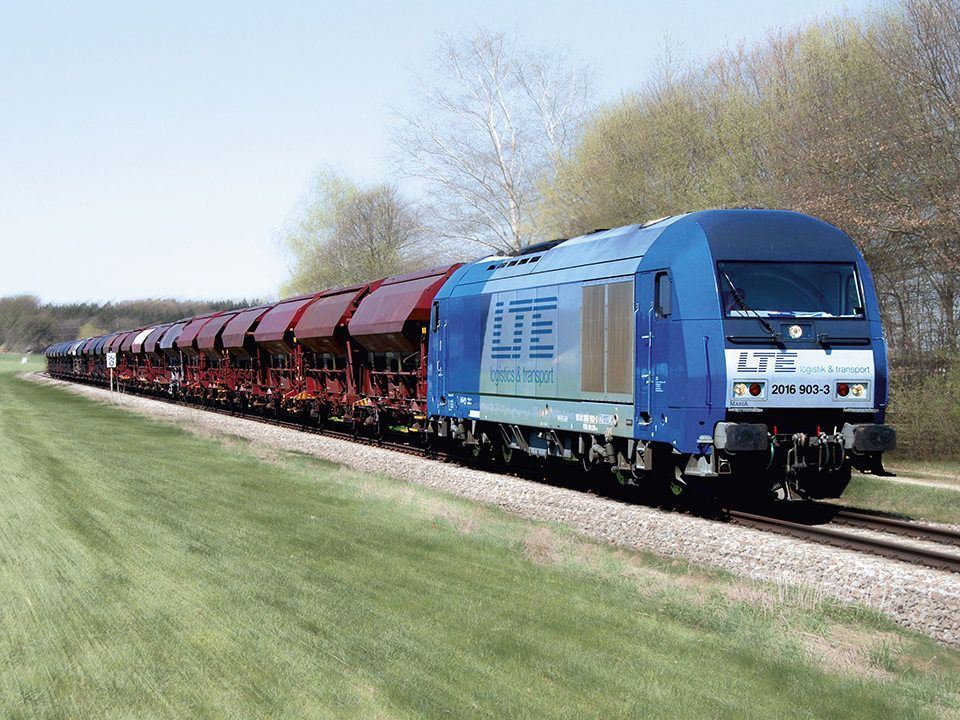
Rising freight rates rail shipping alternative solutions are becoming increasingly important for businesses facing higher transportation costs. Ocean freight prices continue to fluctuate because of fuel increases, port congestion, capacity shortages, and seasonal demand. As a result, importers and exporters are looking for more reliable ways to control logistics expenses while maintaining delivery schedules.
Fortunately, rail freight offers a practical alternative for many international shipments. It combines faster transit times than ocean freight with significantly lower costs than air freight. Moreover, businesses can maintain more predictable delivery schedules while reducing the financial impact of freight rate increases.
This guide explains why freight rates continue to rise, when rail shipping is the best alternative, how much businesses can save, and which cargo benefits most from switching to rail transportation.

Why Are Freight Rates Rising and Why Consider a Rail Shipping Alternative?
Freight rates rarely increase because of one single factor. Instead, global logistics costs are influenced by multiple supply chain challenges occurring simultaneously. Therefore, understanding these factors helps businesses choose the most cost-effective transportation strategy.
Main Factors Driving Higher Freight Rates
| Factor | Impact on Freight Costs | Rail Shipping Advantage |
|---|---|---|
| Port Congestion | High | Avoids major seaports |
| Fuel Price Increases | High | Lower fuel exposure than air freight |
| Container Equipment Shortages | High | Independent rail capacity on many routes |
| Peak Season Demand | High | Stable scheduled departures |
| Labor Disruptions | Medium | Alternative transportation network |
| Geopolitical Events | Medium–High | Flexible multimodal routing |
Meanwhile, rising ocean freight rates often create additional expenses beyond transportation itself. Businesses may also experience higher storage fees, inventory shortages, production delays, and missed customer deadlines.
As a result, many companies now evaluate rail freight before freight costs become unmanageable.
Is Rail Shipping the Best Alternative to Rising Freight Rates?
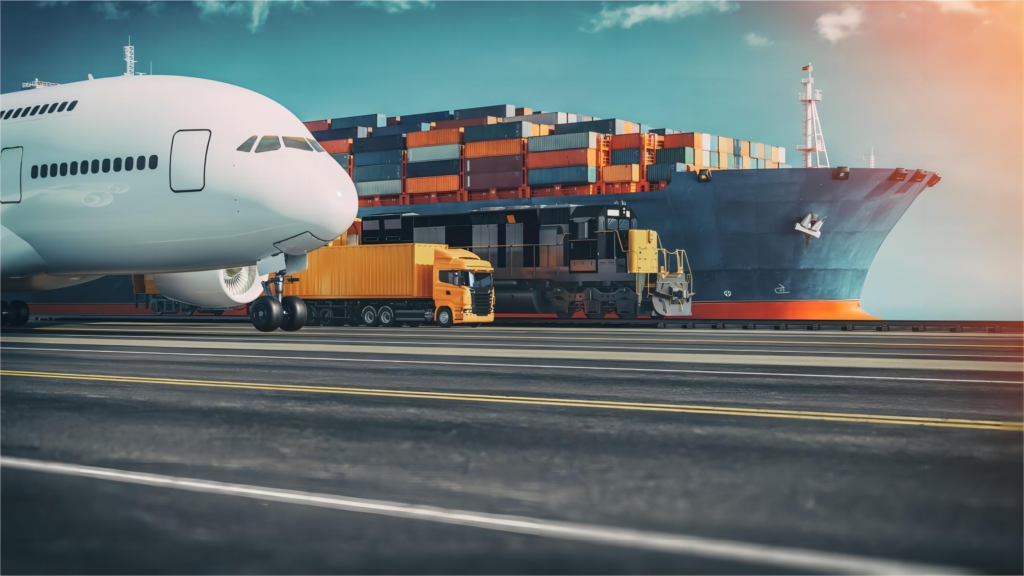
For many Asia-Europe shipments, the answer is yes. Rail freight provides an excellent balance between transportation cost, delivery speed, and operational reliability.
Unlike ocean freight, rail services are less affected by port congestion. Furthermore, rail transportation is considerably more affordable than air freight while still reducing transit time by nearly two weeks on many routes.
Comparing Shipping Methods
| Shipping Method | Average Transit Time | Cost Level | Reliability | Best Use |
|---|---|---|---|---|
| Ocean Freight | 30–45 Days | Low | Medium | Bulk cargo |
| Rail Freight | 15–22 Days | Medium | High | Medium-value and time-sensitive cargo |
| Air Freight | 3–7 Days | High | Very High | Emergency shipments |
Rail freight is particularly valuable for businesses that need predictable delivery without paying premium air freight rates.
Rail Freight Is Ideal For
- Consumer electronics
- Automotive components
- Industrial machinery
- Retail merchandise
- Furniture
- E-commerce inventory
However, oversized project cargo or hazardous goods may require different transportation solutions depending on destination regulations.
Looking for a Better Freight Rate?
Our logistics specialists can compare rail and ocean options to help you reduce transportation costs without sacrificing delivery reliability.
How Much Can Businesses Save with a Rail Shipping Alternative?
Although rail freight usually costs more than ocean freight, it often reduces the overall supply chain expense. Instead of comparing freight charges alone, businesses should calculate the total cost of ownership.
Total Logistics Cost Comparison
| Expense Category | Ocean Freight | Rail Freight |
|---|---|---|
| Freight Charge | Lower | Medium |
| Inventory Holding Cost | Higher | Lower |
| Warehouse Storage | Higher | Lower |
| Production Delay Risk | High | Low |
| Emergency Air Freight | Often Required | Rarely Required |
| Overall Cost Efficiency | Medium | High |
For example, a shipment delayed by three weeks may force a manufacturer to purchase emergency inventory or suspend production. Consequently, those indirect costs often exceed the difference between ocean and rail freight rates.
Moreover, earlier delivery allows businesses to replenish inventory sooner, improve cash flow, and reduce customer backorders.
Estimated Transit Time Comparison
| Route | Ocean Freight | Rail Freight |
|---|---|---|
| China → Germany | 35–45 Days | 16–20 Days |
| China → Poland | 30–40 Days | 15–18 Days |
| China → Hungary | 32–42 Days | 17–20 Days |
| China → Kazakhstan | 18–25 Days | 7–10 Days |
Therefore, choosing a rising freight rates rail shipping alternative often improves both operational efficiency and long-term logistics costs.
Want an Accurate Rail Freight Quote?
Every shipment is different. Share your cargo details, destination, and delivery deadline, and our logistics team will prepare a customized rail shipping solution.
Which Cargo Benefits Most from a Rail Shipping Alternative?
Not every shipment requires rail transportation. Nevertheless, many products benefit from the combination of moderate cost and reliable transit times.
Recommended Cargo Types
| Cargo Type | Rail Freight Recommendation | Reason |
|---|---|---|
| Electronics | ✅ Excellent | High value and moderate urgency |
| Automotive Parts | ✅ Excellent | Supports continuous production |
| Industrial Equipment | ✅ Recommended | Reliable delivery schedule |
| Retail Products | ✅ Recommended | Seasonal inventory replenishment |
| Furniture | ✅ Recommended | Balanced transportation costs |
| Bulk Minerals | ❌ Limited | Better suited to ocean freight |
| Oversized Machinery | ⚠ Depends | Route restrictions may apply |
Additionally, businesses shipping seasonal products often choose rail freight to avoid losing sales opportunities because of delayed ocean deliveries.
Meanwhile, manufacturers increasingly use rail transportation to stabilize supply chains during periods of volatile freight pricing.
How Can Businesses Reduce Rising Freight Costs with Rail Shipping?
Managing freight expenses requires more than choosing the cheapest transportation method. Instead, businesses should optimize their entire logistics strategy. A well-planned rising freight rates rail shipping alternative helps reduce overall supply chain costs while maintaining reliable delivery performance.
Build a Smarter Shipping Strategy
Businesses can reduce freight costs by:
- Booking transportation capacity several weeks before peak seasons.
- Combining rail and ocean freight based on delivery priorities.
- Consolidating multiple shipments into larger loads.
- Selecting inland rail terminals closer to the final destination.
- Planning inventory based on realistic transit times.
- Working with a freight forwarder experienced in multimodal transportation.
Furthermore, reviewing shipping data regularly helps identify opportunities to reduce recurring logistics expenses.
Cost-Saving Strategies Comparison
| Strategy | Potential Benefit | Recommended For |
|---|---|---|
| Early Booking | Avoids peak season surcharges | All businesses |
| Rail + Truck Delivery | Faster final delivery | Europe & Central Asia |
| Shipment Consolidation | Lower unit transportation cost | Regular importers |
| Flexible Delivery Schedule | Better freight pricing | Non-urgent cargo |
| Multimodal Transportation | Higher supply chain resilience | Manufacturers & distributors |
By combining these strategies, companies can improve transportation efficiency while protecting profit margins during periods of rising freight costs.
Real-World Examples of Reducing Freight Costs
Replacing Expensive Ocean Freight During Peak Season
| Item | Details |
|---|---|
| Origin | Chengdu, China → Duisburg, Germany |
| Cargo | Consumer Electronics |
| Transit Time | 18 Days |
| Estimated Cost | Approximately USD 6,900 |
| Transportation Method | China-Europe Railway Express + Truck Delivery |
| Customs Clearance | German import customs completed within one business day |
| Overview | The importer experienced repeated ocean freight price increases during the holiday shipping season. Instead of paying premium ocean rates and accepting uncertain vessel schedules, the company shifted high-demand products to rail freight. As a result, inventory reached distribution centers on time while transportation remained within budget. |
| Result | Reduced overall logistics costs, maintained seasonal inventory, and avoided emergency air freight expenses. |
Keeping Retail Prices Competitive Despite Freight Rate Increases
| Item | Details |
|---|---|
| Origin | Zhengzhou, China → Warsaw, Poland |
| Cargo | Home Appliances |
| Transit Time | 16 Days |
| Estimated Cost | Approximately USD 6,300 |
| Transportation Method | International Rail Freight |
| Customs Clearance | Polish customs released cargo within 36 hours after arrival |
| Overview | Rising ocean freight rates threatened the retailer’s profit margins before a major sales campaign. Consequently, the business transferred selected product lines to rail freight to balance transportation costs with delivery speed. This approach ensured products arrived before demand increased without significantly increasing logistics expenses. |
| Result | Maintained competitive retail pricing, improved inventory availability, and reduced dependence on fluctuating ocean freight rates. |
Ready to Lower Your Freight Costs?
Whether you’re shipping electronics, machinery, retail goods, or industrial products, our logistics specialists can compare rail and ocean options to find the most cost-effective solution.
How to Prepare for Future Freight Rate Increases
Freight markets are cyclical, and transportation costs will continue to fluctuate. Therefore, businesses should focus on long-term planning instead of reacting only after prices rise.
Practical Recommendations
To build a more resilient supply chain:
- Diversify transportation methods instead of relying solely on ocean freight.
- Monitor freight market trends and seasonal demand.
- Secure transportation capacity before peak seasons.
- Maintain flexible inventory planning.
- Evaluate transportation performance regularly.
- Establish long-term partnerships with reliable freight forwarders.
Choosing the Right Shipping Method
| Business Priority | Recommended Solution |
|---|---|
| Lowest Freight Cost | Ocean Freight |
| Fastest Delivery | Air Freight |
| Best Balance of Cost and Speed | Rail Freight |
| Stable Supply Chain | Rail + Ocean Combination |
| Seasonal Inventory Replenishment | Rail Freight |
| Emergency Deliveries | Air Freight |
Businesses that include a rising freight rates rail shipping alternative in their logistics strategy are often better prepared to manage market fluctuations while maintaining customer satisfaction.
Conclusion
A rising freight rates rail shipping alternative provides businesses with an effective way to control logistics costs without sacrificing delivery reliability. While ocean freight remains suitable for many bulk shipments, rail transportation offers faster transit times, more predictable schedules, and greater supply chain flexibility when freight rates increase.
Moreover, companies that combine rail and ocean transportation can better manage inventory, reduce indirect logistics costs, and respond quickly to changing market conditions. By evaluating freight costs beyond transportation charges alone, businesses can make smarter shipping decisions and improve long-term operational efficiency.
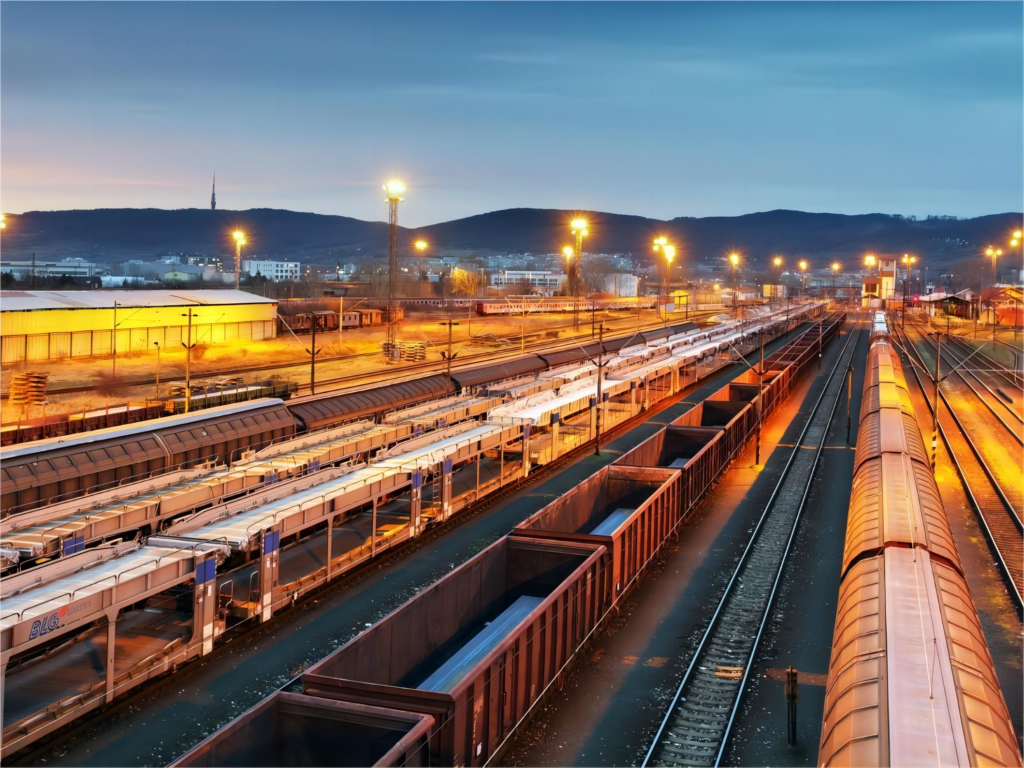
Need help finding the best rising freight rates rail shipping alternative for your business?
FAQ:
Q1.Why are international freight rates increasing?
Freight rates are influenced by fuel prices, port congestion, equipment shortages, seasonal demand, labor disruptions, and geopolitical events. These factors reduce transportation capacity and increase shipping costs across global supply chains.
Q2.Is rail freight cheaper than ocean freight?
Not always. Ocean freight usually has a lower base transportation cost. However, rail freight can reduce total logistics expenses by shortening transit times, lowering inventory holding costs, and minimizing the risk of costly delivery delays.
Q3.Which products are best suited for rail shipping?
Rail freight is ideal for electronics, automotive parts, machinery, furniture, retail merchandise, and other medium- to high-value cargo that benefits from reliable transit times and balanced transportation costs.
Q4.How much time can rail freight save compared with ocean shipping?
For many China–Europe routes, rail freight typically takes 15–22 days, while ocean freight often requires 30–45 days. Actual transit times vary depending on the destination, customs procedures, and rail corridor.Lorem ipsum dolor sit amet, consectetur adipiscing elit. Ut elit tellus, luctus nec ullamcorper mattis, pulvinar dapibus leo.
Q5.How do I choose the right freight forwarder for rail shipping?
Look for a freight forwarder with strong rail carrier partnerships, multimodal transportation expertise, transparent pricing, customs clearance experience, cargo tracking capabilities, and proven experience handling international rail freight shipments.