

- By Jaxin
- July 27, 2026
- Amazon FBA, shipping
Introduction
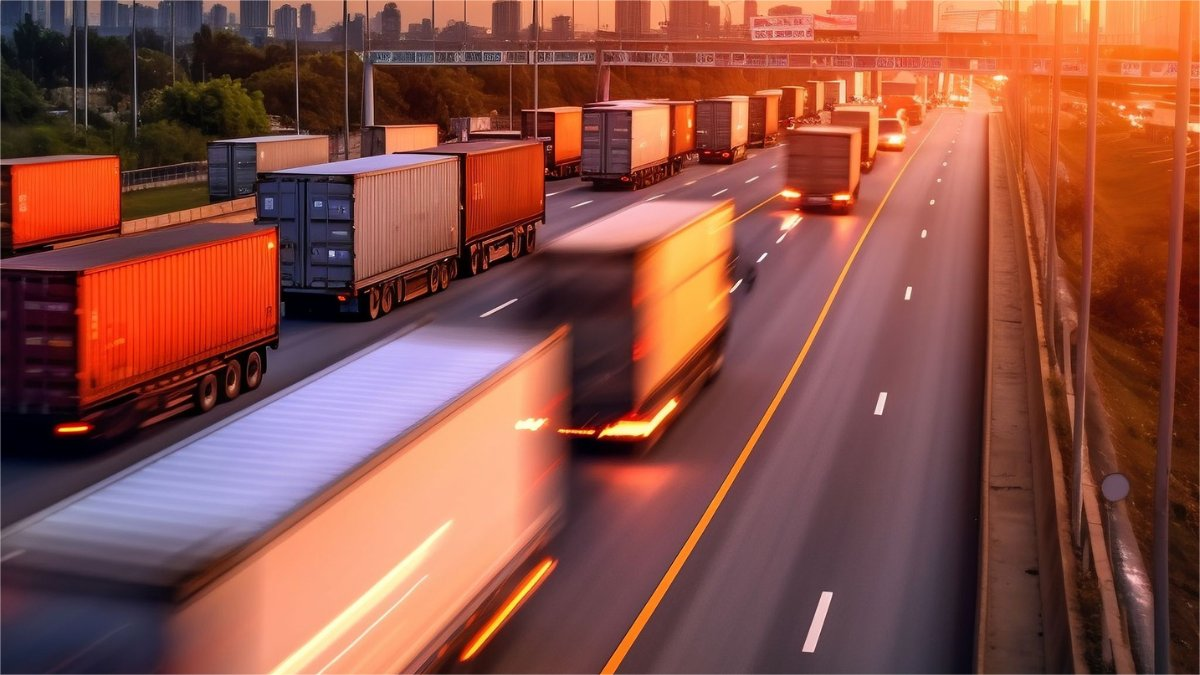
trucking freight from china border delivery is an important logistics solution for companies that need reliable cross-border transportation from China to international markets. Many importers choose border trucking services because they provide faster regional delivery, flexible routing options, and better control over shipments compared with traditional transportation methods.
However, international border transportation involves more than arranging a truck. Customs clearance procedures, documentation accuracy, border waiting times, and local delivery coordination can directly affect shipment efficiency. Moreover, unexpected issues at border checkpoints may increase costs and delay customer deliveries.
Therefore, businesses need a professional cross-border trucking strategy that connects Chinese suppliers, border facilities, and final destinations smoothly. This article explains how China border trucking works, which routes are commonly used, how costs are calculated, and how companies can improve delivery reliability through efficient logistics planning.

Why Is China Cross-Border Trucking Important for Global Trade?
Cross-border transportation plays a critical role in international trade, especially for countries connected to China through land routes. While ocean and rail freight are effective for long-distance transportation, trucking provides the flexibility needed for regional distribution and final-mile delivery.
Main Reasons Businesses Choose Border Trucking
| Advantage | Business Benefit |
|---|---|
| Flexible Routes | Trucks can adjust delivery locations easily |
| Faster Border Transportation | Suitable for regional shipments |
| Door-to-Door Capability | Reduces transfer complexity |
| Smaller Shipment Flexibility | Works for partial loads and urgent cargo |
| Better Regional Coverage | Connects remote areas |
Furthermore, trucking is often the missing link between international transportation and final delivery. For example, cargo arriving at a border railway terminal still requires local transportation before reaching the customer’s warehouse.
Common Applications
Trucking freight from China border delivery is commonly used for:
- Industrial equipment
- Electronics
- Automotive parts
- Consumer products
- E-commerce inventory
- Machinery components
- Raw materials
Additionally, many companies use trucking as part of a multimodal logistics solution, combining truck, rail, and warehouse services to improve transportation efficiency.
What Are the Main Trucking Routes From China to Border Destinations?
China has developed extensive land transportation networks connecting major manufacturing regions with international border crossings. Therefore, selecting the correct route can significantly influence transit time and transportation costs.
Popular China Border Trucking Routes
| Route | Main Border Point | Destination Region | Average Transit Time |
|---|---|---|---|
| China → Kazakhstan | Khorgos / Alashankou | Central Asia | 5–10 Days |
| China → Kyrgyzstan | Irkeshtam / Torugart | Central Asia | 7–12 Days |
| China → Mongolia | Erenhot | Mongolia | 3–7 Days |
| China → Vietnam | Guangxi Border | Southeast Asia | 2–5 Days |
| China → Russia | Manzhouli | Russia | 7–14 Days |
The most suitable route depends on cargo type, destination, border conditions, and customs requirements.
Major Trucking Departure Areas in China
| Region | Main Export Industries |
|---|---|
| Shenzhen / Guangzhou | Electronics, consumer goods |
| Yiwu | General merchandise |
| Shanghai | Industrial products |
| Qingdao | Machinery and equipment |
| Xinjiang | Central Asia trade |
Moreover, choosing a departure city close to the supplier can reduce domestic transportation costs before the cargo reaches the border.
Need the Right Border Trucking Route?
Every shipment requires a different route strategy. Our logistics specialists can evaluate your cargo destination and recommend the most efficient cross-border trucking solution.
How Does Trucking Freight From China Border Delivery Work?
A successful border trucking shipment requires coordination between suppliers, carriers, customs teams, and final delivery providers. Therefore, understanding each step helps businesses avoid unnecessary delays.
Step 1: Cargo Pickup in China
The process begins when a truck collects cargo from the supplier’s factory or warehouse.
Before pickup, logistics teams confirm:
- Cargo dimensions
- Weight information
- Packaging condition
- Loading requirements
- Delivery destination
Additionally, proper cargo preparation reduces loading problems and transportation risks.
Step 2: Domestic Transportation to Border
After pickup, the truck moves cargo toward the selected border checkpoint.
Common preparation includes:
- Export documentation review
- Customs declaration
- Route planning
- Border appointment scheduling
Furthermore, experienced freight forwarders monitor border conditions to select efficient crossing points.
Step 3: Border Customs Clearance
Customs clearance is one of the most important stages in cross-border trucking.
| Required Document | Purpose |
|---|---|
| Commercial Invoice | Determines cargo value |
| Packing List | Confirms shipment details |
| Export Declaration | Chinese export compliance |
| Certificate of Origin | Trade qualification |
| HS Code Information | Product classification |
| Transport Documents | Cargo movement verification |
Incorrect documentation can result in inspection delays, additional storage fees, or shipment interruptions.
Step 4: Final Delivery After Border Crossing
After customs clearance, cargo continues to the final destination warehouse or customer location.
Many trucking services provide:
- Door-to-door delivery
- Warehouse unloading
- Local distribution
- Delivery confirmation
- Cargo tracking
Consequently, businesses can avoid arranging multiple transportation providers separately.
How Much Does Trucking Freight From China Border Delivery Cost?
Transportation costs depend on several factors, including distance, cargo weight, border conditions, fuel prices, and customs requirements.
Instead of focusing only on the trucking rate, businesses should evaluate the total logistics cost.
Main Cost Factors
| Cost Factor | Impact Level |
|---|---|
| Distance | High |
| Cargo Weight | High |
| Truck Type | Medium |
| Border Waiting Time | Medium–High |
| Customs Complexity | Medium |
| Seasonal Demand | High |
Estimated Cost Comparison
| Transportation Option | Cost Level | Transit Speed |
|---|---|---|
| Standard Trucking | Medium | Fast |
| Rail Freight | Medium | Moderate |
| Ocean Freight | Low | Slow |
| Air Freight | High | Fastest |
Although trucking may cost more than ocean transportation, it often provides faster delivery for regional shipments and avoids additional inland transportation arrangements.
Is Trucking Freight From China Border Delivery Better Than Rail Freight?
Choosing between trucking and rail freight depends on shipment distance, delivery requirements, cargo type, and border conditions. While rail freight is effective for long-distance international transportation, trucking provides greater flexibility for shorter routes and direct delivery.
Trucking vs Rail Freight Comparison
| Factor | Cross-Border Trucking | Rail Freight |
|---|---|---|
| Flexibility | High | Medium |
| Door-to-Door Delivery | Excellent | Requires truck connection |
| Transit Time | Fast for regional routes | Stable for long-distance routes |
| Cargo Volume | Small to Medium Loads | Medium to Large Loads |
| Route Availability | Extensive near borders | Limited railway corridors |
| Best For | Regional delivery and urgent cargo | Long-distance scheduled transport |
For example, shipments from western China to Central Asia may benefit from trucking because border crossings can provide direct access to nearby markets. Meanwhile, cargo traveling thousands of kilometers across Eurasia may achieve better cost efficiency through rail transportation.
Therefore, businesses should not view trucking and rail as competing options. Instead, combining both methods often creates a stronger multimodal logistics solution.
How Can Businesses Reduce Risks in Border Trucking?
Although trucking offers flexibility, international border transportation involves several risks. Delays at customs checkpoints, incorrect documentation, and unexpected border congestion can increase transportation costs.
Common Border Trucking Risks
| Risk | Possible Impact | Recommended Solution |
|---|---|---|
| Customs Documentation Errors | Clearance delays | Verify documents before shipment |
| Border Congestion | Longer waiting time | Select alternative checkpoints |
| Driver Restrictions | Delivery delays | Work with experienced carriers |
| Cargo Inspection | Additional costs | Prepare compliance documents |
| Weather Conditions | Route disruption | Monitor conditions in advance |
Moreover, choosing a logistics provider with local border experience can significantly improve shipment reliability.
Recommended Risk Management Practices
Businesses should:
- Confirm HS codes before shipping.
- Prepare customs documents early.
- Select suitable border crossings.
- Track shipment progress regularly.
- Maintain communication with suppliers and receivers.
Additionally, companies should consider backup routes when shipping during peak seasons.
Real-World Success Stories of China Border Trucking Solutions
Supporting Retail Distribution Between China and Southeast Asia
| Item | Details |
|---|---|
| Origin | Shenzhen, China → Hanoi, Vietnam |
| Cargo | Consumer Electronics |
| Transit Time | 3 Days |
| Estimated Cost | Approximately USD 1,900 |
| Transportation Method | China-Vietnam Cross-Border Trucking |
| Customs Clearance | Electronic customs declaration completed before border arrival |
| Overview | An electronics distributor required frequent replenishment shipments to regional warehouses. Because ocean transportation schedules were too slow for inventory needs, the company switched to scheduled trucking services across the China-Vietnam border. |
| Result | Reduced replenishment time, improved inventory availability, and created a more stable regional supply chain. |
Maintaining Delivery Reliability for Agricultural Equipment
| Item | Details |
|---|---|
| Origin | Urumqi, China → Bishkek, Kyrgyzstan |
| Cargo | Agricultural Machinery Parts |
| Transit Time | 9 Days |
| Estimated Cost | Approximately USD 3,600 |
| Transportation Method | International Trucking Through Central Asia Border Crossing |
| Customs Clearance | Customs documents prepared before arrival to minimize border waiting time |
| Overview | A supplier needed to deliver spare parts to agricultural customers before the farming season. Therefore, the company selected trucking instead of slower multimodal options. The direct route allowed better control over delivery timing. |
| Result | Customers received parts before seasonal demand increased, improving supplier reliability and customer satisfaction. |
Need the Right Border Trucking Route?
Every shipment requires a different route strategy. Our logistics specialists can evaluate your cargo destination and recommend the most efficient cross-border trucking solution.
How Can Businesses Improve Future Border Delivery Performance?
Successful cross-border transportation requires long-term planning rather than only reacting to urgent shipments. Therefore, companies should build a reliable logistics strategy that includes flexible transportation options.
Best Practices for Future Shipments
| Strategy | Benefit |
|---|---|
| Work With Experienced Border Carriers | Faster customs coordination |
| Prepare Documents Early | Reduce clearance delays |
| Use Multiple Routes | Avoid border congestion |
| Track Shipment Status | Improve delivery visibility |
| Combine Truck and Rail Services | Increase flexibility |
Furthermore, companies that regularly ship from China should evaluate their transportation performance and identify opportunities to optimize costs.
For example, businesses may use trucking for urgent regional shipments while using rail freight for larger scheduled cargo. This combination creates a more balanced supply chain.
Conclusion
Trucking freight from china border delivery provides businesses with a flexible and efficient solution for international cargo movement, especially when direct transportation speed and door-to-door delivery are important. Compared with traditional shipping methods, cross-border trucking offers better route flexibility, faster regional transportation, and easier final-mile coordination.
However, successful border delivery depends on more than selecting a truck. Proper documentation, customs preparation, route planning, and experienced logistics management are essential for avoiding unnecessary delays.
By choosing the right transportation method and working with reliable logistics partners, businesses can improve delivery reliability, reduce supply chain risks, and create a more efficient cross-border shipping process.
FAQ:
Q1.How long does trucking freight from China border delivery take?
Transit time depends on the destination and border route. Regional routes such as China-Vietnam may take 2–5 days, while Central Asia routes usually require 5–12 days including customs procedures.
Q2.Is cross-border trucking cheaper than rail freight?
For shorter regional routes, trucking can be more cost-effective because it provides direct delivery without additional transfers. However, rail freight may be more economical for long-distance shipments with larger cargo volumes.
Q3.What documents are needed for China border trucking?
Common documents include commercial invoices, packing lists, export declarations, HS codes, certificates of origin when required, and transportation documents. Accurate preparation helps prevent border clearance delays.
Q4.Which China border routes are popular for trucking?
Popular routes include China-Kazakhstan through Khorgos, China-Vietnam through Guangxi border crossings, China-Mongolia through Erenhot, and China-Kyrgyzstan through western border routes.
Q5.How do I choose a reliable border trucking freight forwarder?
Select a provider with experienced customs teams, local border knowledge, reliable trucking partners, shipment tracking capability, transparent pricing, and experience handling international cross-border cargo.