

- By Jaxin
- July 27, 2026
- Amazon FBA
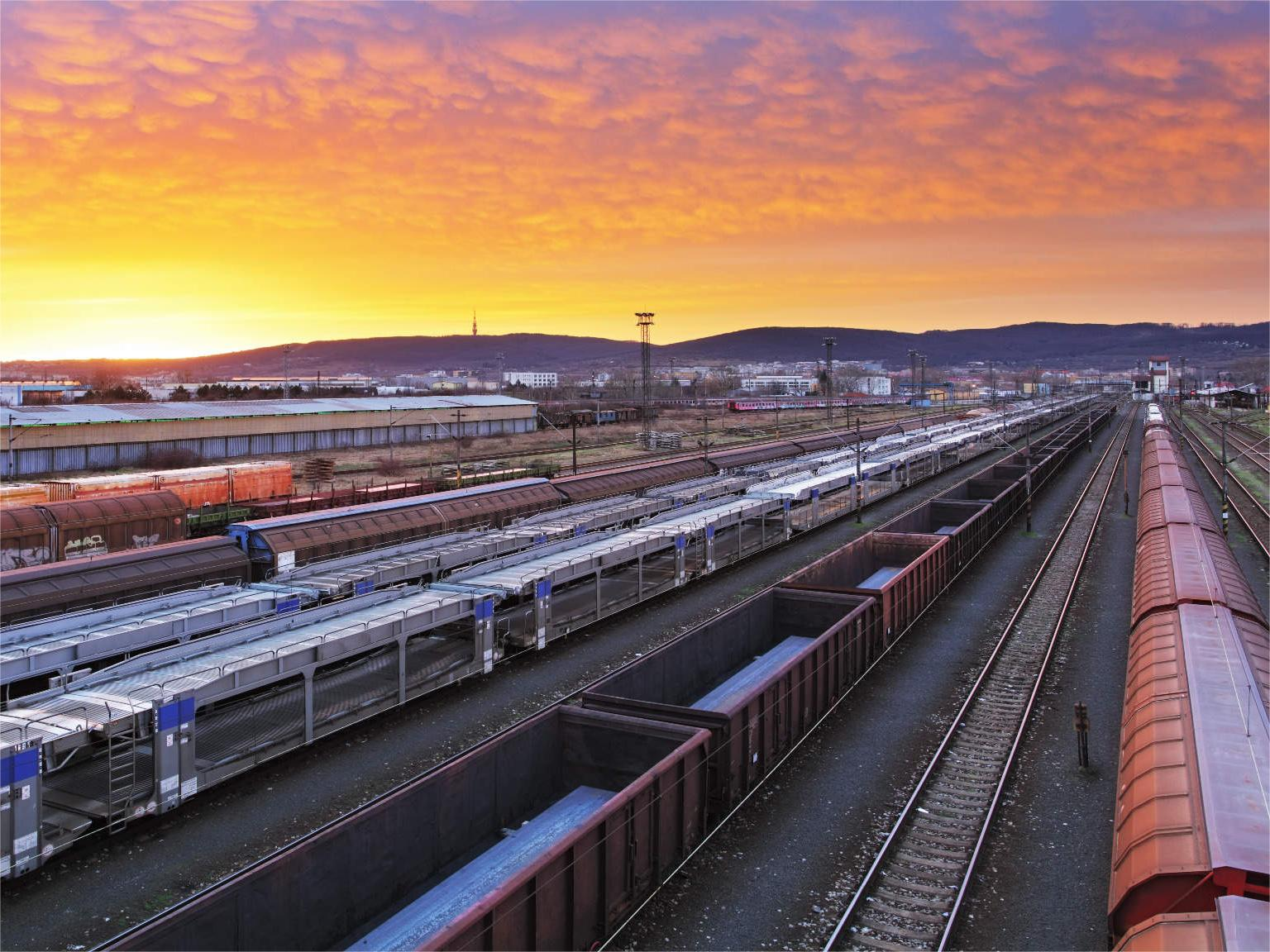
road freight connection after rail transport is a critical logistics solution for businesses that need to move cargo from rail terminals to final destinations efficiently. Although rail freight provides reliable long-distance transportation, many shipments still require trucks for warehouse delivery, distribution centers, or customer locations.
However, the final stage after rail arrival can create unexpected challenges. Limited terminal access, customs procedures, local transportation capacity, and delivery scheduling may affect overall shipment performance. Therefore, companies need a coordinated rail-to-road transportation strategy to avoid delays and improve supply chain efficiency.
Moreover, combining rail freight with road transportation creates a flexible multimodal logistics solution. Businesses can benefit from the cost advantages of rail while using trucks to complete door-to-door delivery. This approach is especially valuable for international shipments where cargo travels thousands of kilometers before reaching the final customer.
This article explains how rail-to-truck connections work, when businesses should use them, how costs are calculated, and how professional logistics providers optimize final delivery after rail transportation.

Why Is a Road Freight Connection After Rail Transport Important?
Rail freight is highly effective for long-distance cargo movement. However, most railway networks cannot directly reach every warehouse or customer location. As a result, road transportation becomes an essential connection between rail terminals and final delivery points.
The Role of Rail-to-Road Transportation
| Transportation Stage | Function | Main Benefit |
|---|---|---|
| Factory Pickup | Collect cargo from supplier | Flexible origin handling |
| Rail Transport | Long-distance movement | Lower cost and stable schedules |
| Rail Terminal Handling | Cargo transfer point | Regional distribution access |
| Road Freight Delivery | Final destination transport | Door-to-door capability |
Furthermore, road freight after rail transport allows companies to avoid relying on expensive air freight when faster delivery is needed. Instead, businesses can use rail for the majority of the journey and trucks for the final connection.
Common Applications
A rail-to-road connection is widely used for:
- China-Europe railway shipments
- Central Asia land transportation
- Automotive supply chains
- Electronics distribution
- Industrial equipment delivery
- Retail inventory replenishment
Additionally, this transportation model helps companies balance transportation costs and delivery speed.
How Does Rail-to-Truck Transportation Work After Rail Arrival?
A successful rail-to-road delivery process requires coordination between railway operators, trucking companies, customs teams, and warehouse facilities.
Step 1: Rail Arrival and Terminal Handling
After international rail transportation reaches the destination terminal, cargo must go through several procedures:
- Cargo unloading
- Terminal inspection
- Customs processing
- Transportation arrangement
- Truck scheduling
Moreover, early coordination helps prevent storage fees caused by waiting time at rail terminals.
Step 2: Customs Clearance and Documentation
Before cargo can move by truck, import procedures must be completed.
| Document | Purpose |
|---|---|
| Commercial Invoice | Confirms cargo value |
| Packing List | Provides shipment details |
| Rail Waybill | Proves rail transportation |
| Import Declaration | Customs compliance |
| HS Code Information | Product classification |
| Delivery Order | Authorizes cargo release |
Incorrect documentation can delay truck pickup and increase additional handling costs.
Step 3: Final Truck Delivery
Once customs clearance is completed, trucks transport cargo to the final destination.
Common delivery options include:
| Delivery Type | Suitable For |
|---|---|
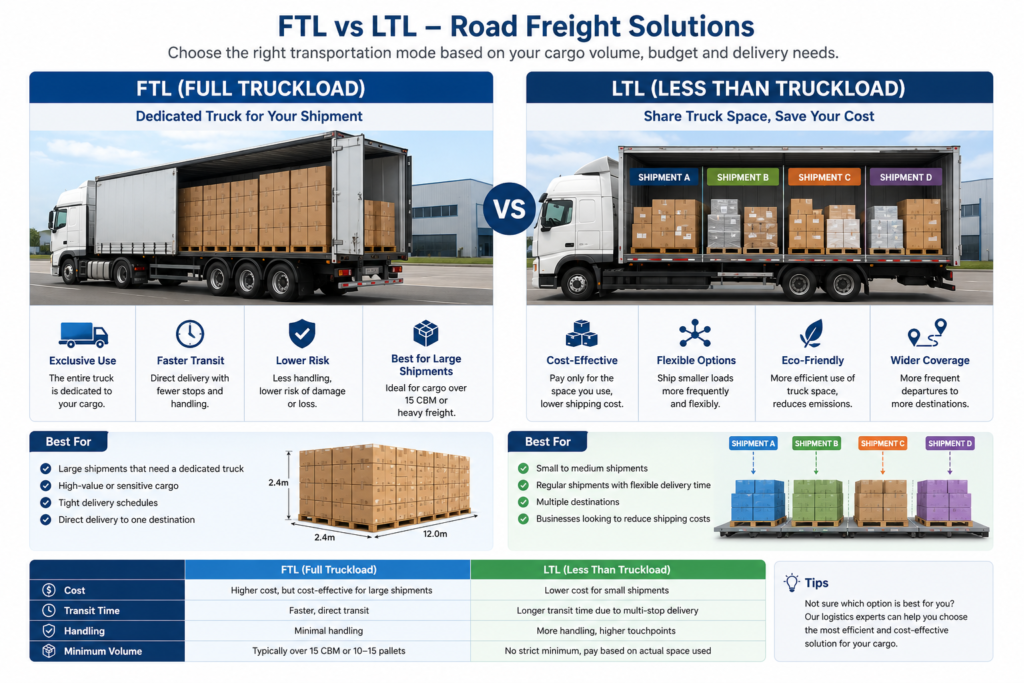
| Full Truckload (FTL) | Large shipments |
| Less Than Truckload (LTL) | Smaller cargo |
| Dedicated Truck Service | Time-sensitive shipments |
| Warehouse Distribution | Multiple delivery locations |
Therefore, selecting the correct trucking solution directly affects delivery efficiency.
Is Rail Freight Combined With Trucking Better Than Traditional Shipping?
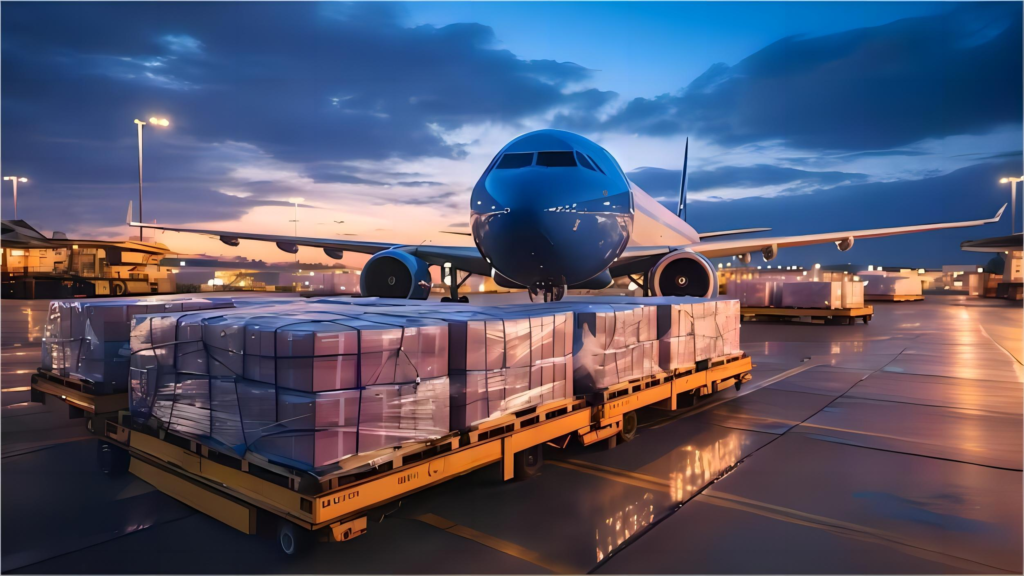
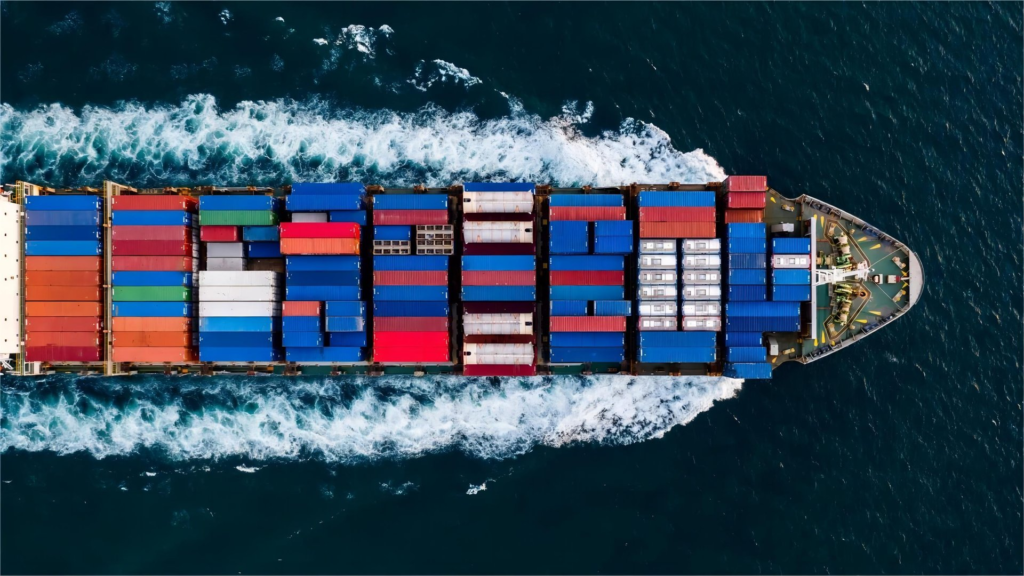
Businesses often compare rail + truck transportation with ocean freight and air freight. The best option depends on cargo requirements, budget, and delivery deadlines.
Transportation Comparison
| Method | Transit Time | Cost Level | Delivery Flexibility |
|---|---|---|---|
| Ocean + Truck | 30–45 Days | Low | Medium |
| Rail + Truck | 15–25 Days | Medium | High |
| Air + Truck | 3–7 Days | High | Very High |
Rail plus trucking provides a strong balance between speed and cost. Therefore, many companies choose this solution when ocean freight is too slow but air freight is too expensive.
When Should Businesses Choose Rail-to-Truck Solutions?
Rail and road combinations are especially suitable when:
- Cargo needs faster delivery than ocean freight.
- Customers require predictable arrival times.
- Warehouses are located far from ports.
- Inventory shortages create business risks.
- Transportation costs must remain controlled.
Moreover, companies can reduce supply chain uncertainty by creating multiple transportation options instead of relying on a single method.
How Much Does a Road Freight Connection After Rail Transport Cost?
The cost of post-rail road transportation depends on several factors, including delivery distance, cargo type, truck availability, and local regulations.
Instead of considering trucking costs alone, businesses should calculate the complete logistics expense.
Main Cost Factors
| Cost Factor | Impact |
|---|---|
| Distance From Terminal | High |
| Cargo Weight | High |
| Truck Type | Medium |
| Fuel Price | Medium |
| Waiting Time | Medium |
| Delivery Location | High |
Example Cost Structure
| Service | Estimated Cost Range |
|---|---|
| Short-distance Terminal Delivery | $300–$800 |
| Regional Truck Delivery | $800–$2,000 |
| Long-distance Inland Delivery | $2,000+ |
Additionally, professional logistics providers can reduce unnecessary costs through route planning, shipment consolidation, and efficient terminal coordination.
Real-World Examples of Successful Rail-to-Road Connections
Completing Retail Distribution After European Rail Arrival
| Item | Details |
|---|---|
| Origin | Yiwu, China → Prague, Czech Republic |
| Cargo | Consumer Goods |
| Transit Time | 21 Days |
| Estimated Cost | Approximately $6,800 |
| Transportation Method | China-Europe Rail + Regional Truck Distribution |
| Customs Clearance Details | EU import clearance completed before warehouse delivery |
| Overview | A retailer required consistent inventory replenishment before a seasonal sales period. After rail arrival, dedicated trucks transported products from the terminal to regional warehouses. |
| Result | Improved inventory availability and maintained sales schedules. |
Delivering Equipment to Remote Industrial Projects
| Item | Details |
|---|---|
| Origin | Qingdao, China → Almaty, Kazakhstan |
| Cargo | Construction Equipment Components |
| Transit Time | 18 Days |
| Estimated Cost | Approximately $5,200 |
| Transportation Method | Rail Transport + Cross-Border Trucking |
| Customs Clearance Details | Border and import procedures completed with pre-verified documentation |
| Overview | A construction company needed equipment components delivered to a remote project site. Because the final location was away from the rail terminal, trucking was arranged immediately after cargo release. |
| Result | Delivered equipment on schedule and reduced project delays. |
How Can Businesses Improve Road Freight Connection After Rail Transport?
A successful road freight connection after rail transport depends not only on selecting the right truck but also on planning the entire delivery process before cargo reaches the destination terminal. Although rail freight provides stable long-distance transportation, poor coordination during the final stage can still create delays and additional costs.
Therefore, businesses should focus on improving communication between railway operators, customs teams, trucking providers, and final receivers.
Key Strategies to Improve Rail-to-Road Efficiency
| Strategy | Business Benefit |
|---|---|
| Reserve Trucks Before Rail Arrival | Prevents delays caused by limited capacity |
| Prepare Customs Documents Early | Speeds up cargo release |
| Monitor Rail Schedule Changes | Allows faster delivery adjustments |
| Choose Experienced Local Carriers | Improves route reliability |
| Use Digital Tracking Systems | Provides shipment visibility |
Moreover, companies should evaluate delivery performance regularly. By analyzing transportation time, customs waiting periods, and final-mile costs, businesses can identify areas for improvement.
Common Problems and Solutions
| Challenge | Possible Impact | Recommended Solution |
|---|---|---|
| Rail Arrival Delays | Truck scheduling problems | Monitor train status in advance |
| Terminal Congestion | Additional storage fees | Arrange pickup windows early |
| Customs Errors | Cargo release delays | Verify documents before arrival |
| Remote Delivery Locations | Higher trucking costs | Plan optimized inland routes |
Additionally, working with a logistics provider that manages both rail and road transportation can simplify operations. Instead of coordinating multiple suppliers, businesses gain a single point of contact for the entire shipment.
What Are the Best Routes for Rail and Road Freight Connections?
The effectiveness of a rail-to-truck solution depends heavily on the destination market, terminal infrastructure, and local transportation network. Therefore, route selection should consider not only rail availability but also final delivery conditions.
Popular Rail-to-Road Transportation Corridors
| Rail Route | Final Truck Delivery Area | Suitable Cargo |
|---|---|---|
| China–Central Asia Rail Routes | Kazakhstan, Uzbekistan, Kyrgyzstan | Machinery, industrial goods |
| China–Europe Railway Express | Germany, Poland, Czech Republic | Electronics, retail products |
| Western China Rail Corridors | Regional Asian Markets | Manufacturing supplies |
| China–Russia Rail Routes | Russian distribution centers | Industrial and consumer goods |
Furthermore, choosing the correct rail terminal can significantly influence final delivery costs.
For example:
- A terminal near the customer reduces trucking distance.
- A well-developed logistics hub improves cargo handling speed.
- A reliable local carrier reduces delivery risks.
Factors to Consider Before Selecting a Route
Businesses should evaluate:
- Distance between rail terminal and warehouse
- Local trucking availability
- Customs requirements
- Cargo handling conditions
- Seasonal transportation demand
Consequently, a professional freight forwarder can help select the most efficient combination of rail and road services.
How Does Multimodal Logistics Reduce Transportation Risks?
Modern supply chains require flexibility because international transportation conditions can change quickly. Therefore, combining rail and road freight helps businesses maintain stable delivery performance.
A multimodal approach allows companies to use rail for long-distance transportation while relying on trucks for flexible regional distribution.
Benefits of Rail and Truck Integration
| Benefit | Impact on Business |
|---|---|
| Lower Transportation Costs | Reduces dependence on expensive air freight |
| Faster Than Ocean Shipping | Improves inventory turnover |
| Flexible Final Delivery | Reaches warehouses and factories directly |
| Multiple Route Options | Reduces supply chain disruptions |
Moreover, businesses can create backup transportation plans by combining different shipping methods.
For example:
- Use rail for standard inventory replenishment.
- Use trucking for urgent regional delivery.
- Use alternative routes during congestion periods.
Additionally, professional logistics providers can coordinate customs, terminal handling, and inland transportation together, reducing operational complexity.
How Can Companies Select the Right Freight Forwarder for Rail-to-Road Delivery?
Choosing the right logistics partner is essential because rail and road transportation involve multiple operational stages. A reliable provider should have experience managing both international rail movements and local trucking networks.
Important Selection Criteria
| Criteria | Why It Matters |
|---|---|
| Rail Transportation Experience | Ensures reliable international movement |
| Trucking Network Coverage | Supports final delivery flexibility |
| Customs Expertise | Reduces clearance risks |
| Shipment Tracking Ability | Improves visibility |
| Transparent Pricing | Helps control logistics costs |
Furthermore, companies should avoid selecting providers based only on the lowest transportation price. A cheaper option may create higher costs if it causes delays, poor communication, or customs problems.
Questions to Ask a Freight Partner
Before cooperation, businesses should ask:
- Do you provide door-to-door delivery?
- Can you arrange trucking after rail arrival?
- How do you handle customs delays?
- Can you provide shipment tracking?
- Do you support multiple destinations?
As a result, selecting an experienced partner improves shipment reliability and reduces long-term logistics risks.
Conclusion
Road freight connection after rail transport creates an efficient bridge between long-distance rail transportation and final delivery destinations. While rail freight offers cost advantages and stable transportation schedules, trucking provides the flexibility needed to reach warehouses, factories, and customers directly.
However, successful rail-to-road transportation requires more than arranging a truck after rail arrival. Businesses must coordinate customs clearance, terminal operations, route planning, and local delivery services to achieve reliable results.
By combining rail and road transportation through a professional multimodal logistics strategy, companies can reduce delivery risks, control transportation costs, and build a more flexible international supply chain.
Need a quote?
📞 Need a reliable rail-to-road transportation solution? Our logistics specialists can evaluate your shipment route, cargo requirements, customs needs, and final destination to design an optimized delivery plan.
FAQs
1. Why is trucking needed after rail transportation?
Rail networks usually connect major terminals instead of final destinations. Trucking is required to move cargo from rail terminals to warehouses, factories, and customer locations.
2. Is rail and truck transportation cheaper than air freight?
Yes. Rail combined with trucking is generally more affordable than air freight while providing faster delivery compared with many ocean shipping options.
3. How long does road delivery take after rail arrival?
The final trucking stage usually takes 1–5 days depending on delivery distance, customs clearance, terminal conditions, and destination requirements.
4. What documents are required for rail-to-road transportation?
Common documents include commercial invoices, packing lists, rail waybills, import declarations, HS codes, and delivery authorization documents.
5. How do I choose a freight forwarder for rail-to-road shipping?
Choose a provider with rail experience, reliable trucking partners, customs knowledge, tracking systems, and experience managing multimodal international shipments.