

- By Jaxin
- August 12, 2026
- Amazon FBA
Introduction
International rail transportation can become complicated when customs procedures are handled separately from the freight movement. A rail freight company with customs brokerage can simplify this process by coordinating transportation and customs as part of one logistics solution.
For importers and exporters, customs clearance is not simply an administrative step. Documentation accuracy, cargo classification, declared values, inspection requirements, and clearance timing can all affect when goods are released.
Meanwhile, rail cargo often passes through several logistics stages before reaching its final destination. Cargo may need supplier pickup, export customs, rail transportation, import clearance, and destination trucking. Therefore, separating each service can create communication gaps and unnecessary delays.
By combining rail freight with customs brokerage, businesses can work with one logistics provider that understands both the transportation route and the customs requirements surrounding the shipment.
This article explains how rail freight and customs brokerage work together, what services importers should expect, and how to choose a reliable provider.

Why Combine Rail Freight With Customs Brokerage?
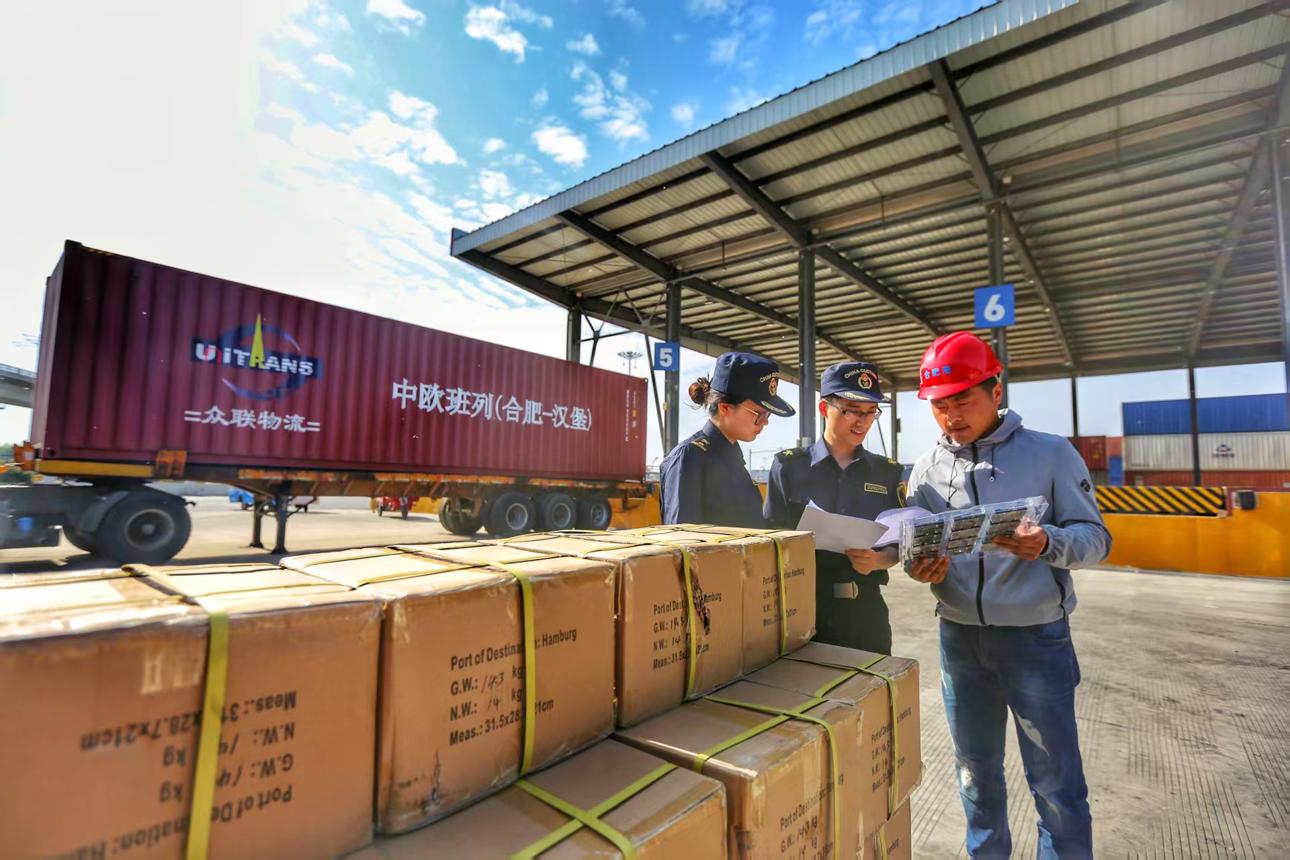
Rail transportation and customs clearance are closely connected. A shipment cannot move efficiently if the transportation schedule is ready but the required customs documents are incomplete.
For this reason, combining both services can improve coordination from the beginning of the shipment.
Key Benefits
| Benefit | Business Value |
|---|---|
| 🚆 Rail Coordination | Aligns transportation with customs preparation |
| 🛃 Customs Brokerage | Supports import and export clearance |
| 📄 Documentation Review | Helps identify missing information |
| 📍 Shipment Visibility | Provides updates across logistics stages |
| 🚛 Delivery Coordination | Connects customs release with final trucking |
Common Customs Issues
Importers may encounter problems involving:
- Incorrect commercial invoices
- Incomplete packing lists
- Product classification
- Declared cargo values
- Missing certificates
- Customs inspections
- Additional documentation requests
Consequently, customs preparation should begin before the cargo reaches the destination.
Moreover, a freight company that understands the shipment details can communicate more effectively with the customs broker because transportation information and cargo documentation are handled together.
What Customs Brokerage Services Should A Rail Freight Company Provide?
A professional rail freight company with customs brokerage should support the customs procedures connected with the shipment rather than simply handing documents to another party.
The exact services vary by country and cargo type. However, several areas are commonly important.
Export Customs Support
Before cargo leaves China, export documentation must be prepared correctly.
The logistics provider can coordinate the required commercial documents and customs declaration information before the cargo reaches the departure terminal.
Import Customs Clearance
At destination, the provider can coordinate customs declaration, document submission, duty and tax information, and communication regarding the shipment.
Documentation Coordination
Common documents may include:
- Commercial invoice
- Packing list
- Bill of lading or rail transport document
- Product information
- Certificates when required
- Customs declaration information
Inspection Coordination
If customs selects a shipment for examination, the logistics provider can coordinate the relevant transportation and documentation steps.
However, customs decisions remain with the relevant government authorities.
Customs Release And Delivery
Once the cargo is released, destination trucking can be arranged immediately according to the delivery plan.
Therefore, integrating customs brokerage with rail transportation can create a smoother transition from rail arrival → customs release → final delivery.
How Does Rail Freight With Customs Brokerage Work?
A coordinated rail and customs service should follow a clear process.
1. Cargo Information Collection
First, the forwarder collects information about the commodity, quantity, weight, value, origin, destination, and packaging.
This information helps the logistics team identify potential documentation requirements.
2. Export Documentation
Next, the required export documents are prepared and reviewed.
If information is incomplete, corrections can be made before the shipment reaches the departure stage.
3. Rail Transportation
After export procedures are completed, the cargo moves through the selected rail route.
Meanwhile, destination customs preparation can continue while the shipment is in transit.
4. Import Customs Declaration
Once the cargo approaches the destination, the required import documentation is submitted according to local procedures.
5. Customs Examination If Required
If customs requires additional information or physical examination, the logistics team coordinates the relevant steps.
6. Cargo Release
After customs clearance, the shipment is released for onward transportation.
7. Final Delivery
Finally, trucking moves the cargo from the destination terminal or warehouse to the consignee.
As a result, the customer can manage transportation and customs through one coordinated logistics process.
How To Choose A Rail Freight Company With Customs Brokerage?
Not every freight forwarder that offers rail transportation has the same customs capabilities. Therefore, businesses should carefully evaluate the provider before booking.
1. Check Customs Experience
Ask whether the company regularly handles the customs procedures associated with your cargo type and destination.
2. Review Documentation Support
A good provider should clearly explain which documents are required and when they need to be submitted.
3. Evaluate Rail And Customs Coordination
The provider should understand how customs timing affects rail transportation and final delivery.
4. Ask About Inspection Handling
Customs inspections cannot always be predicted. Therefore, ask how the company communicates and coordinates when an examination occurs.
5. Confirm Destination Delivery
After customs release, the cargo still needs to reach the consignee. Destination trucking should therefore be included in the overall logistics plan when required.
| 🔍 Evaluation Factor | What To Check |
| 🚆 Rail Experience | Relevant international rail routes |
| 🛃 Customs Capability | Import and export support |
| 📄 Documentation | Document preparation and review |
| 🔎 Inspection Support | Coordination if examination occurs |
| 🚛 Trucking | Post-clearance delivery |
| 📍 Tracking | Shipment visibility |
| 💬 Communication | Clear updates and response |
Ultimately, the best provider should understand the shipment from both the transportation and customs perspectives.
Real-World Rail Freight Company With Customs Brokerage Cases
🏭 Case 1: Machinery Shipment Requiring Import Clearance
| 📌 Item | Details |
| 🚢 Route | China Factory → Overseas Manufacturing Plant |
| 📦 Cargo | Industrial Machinery |
| ⏱ Transit Time | 20 Days |
| 💰 Cost Impact | Avoided unnecessary emergency air transportation |
| 🚆 Transport Method | Factory Pickup + Rail + Customs + Trucking |
| 🛃 Challenge | Import documents required additional preparation |
| 📝 Solution | Reviewed cargo documentation before arrival and coordinated clearance |
| ✅ Result | Cargo was released and delivered according to the planned schedule |
📦 Case 2: Commercial Goods Selected For Customs Examination
| 📌 Item | Details |
| 🚢 Route | China Distribution Warehouse → Overseas Import Warehouse |
| 📦 Cargo | Consumer Products |
| ⏱ Transit Time | 16 Days + Examination |
| 💰 Cost Impact | Reduced additional coordination costs |
| 🚆 Transport Method | Rail Freight + Customs Brokerage + Trucking |
| 🛃 Challenge | Shipment was selected for customs inspection |
| 📝 Solution | Coordinated document submission and examination arrangements |
| ✅ Result | Cargo was released after the required customs procedures |
How Can Businesses Prepare For Smoother Rail Customs Clearance?
Good customs preparation begins before the shipment departs. Therefore, importers should provide accurate cargo information as early as possible.
Recommended Preparation Process
Cargo Details → Document Review → Customs Preparation → Rail Shipment → Clearance → Delivery
First, provide a clear description of the cargo.
Next, confirm the required commercial and customs documents.
Then, review the information before the shipment departs.
Meanwhile, the logistics provider can prepare the destination customs process while the cargo is moving.
Information Your Forwarder May Need
- 📦 Product description
- 🔢 Quantity
- ⚖️ Gross and net weight
- 💰 Declared value
- 📄 Commercial invoice
- 📋 Packing list
- 🏷 Product classification information
- 📍 Origin and destination
- 🚪 Final delivery address
Furthermore, businesses should avoid assuming that every shipment will follow the same customs procedure. Requirements can vary according to commodity, destination, value, and applicable regulations.
If customs requests additional documents or selects the shipment for examination, the forwarder should communicate the situation clearly and coordinate the next steps.
Therefore, accurate preparation and responsive communication are just as important as the rail transportation itself.
Conclusion
A rail freight company with customs brokerage can simplify international cargo transportation by combining railway logistics with customs coordination and final delivery.
Instead of arranging rail transportation, customs clearance, and destination trucking separately, businesses can work with one logistics provider that manages the connected stages of the shipment.
Moreover, customs preparation can begin before the cargo reaches its destination. Document review, declaration coordination, inspection support, and post-clearance delivery all contribute to a smoother logistics process.
However, businesses should still evaluate customs capability carefully. Relevant experience, documentation support, communication, inspection coordination, tracking, and destination trucking should all be considered before selecting a provider.
For importers and exporters moving commercial cargo internationally, integrated rail freight and customs brokerage can reduce coordination complexity while improving shipment visibility.
With the right logistics partner, businesses can manage the complete journey from supplier → rail → customs → final delivery through one coordinated transportation solution.
🤝 Ready To Combine Rail Freight And Customs Brokerage?
Send us your cargo details, origin, destination, and delivery requirements. Our team can evaluate the transportation and customs process for your shipment.
FAQs
1. Does rail freight include customs brokerage?
It can. Some freight forwarders provide customs brokerage as part of an integrated rail freight service.
2. Can a rail freight company handle both export and import customs?
Yes. Depending on the countries involved and the provider’s service scope, customs support can be arranged at both ends.
3. What documents are needed for rail customs clearance?
Common documents include a commercial invoice, packing list, transport document, and other documents required for the specific cargo and destination.
4. What happens if customs examines my rail shipment?
The logistics provider can coordinate document submission, inspection arrangements, and communication with the relevant parties. The final customs decision remains with the authorities.
5. Can customs brokerage be combined with door-to-door rail delivery?
Yes. Rail transportation, customs clearance, destination trucking, and final delivery can be combined into an integrated door-to-door logistics solution.