

- By Jaxin
- August 14, 2026
- Amazon FBA, Trade Terms
When an importer needs to solve DDP customs clearance failure quickly, every hour matters because a customs hold can trigger storage fees, delivery delays, missed production schedules, and unhappy customers. Moreover, the longer a shipment remains unresolved, the more complicated the final delivery can become.
A failed DDP customs clearance does not always mean the cargo must be returned or abandoned. Instead, importers can usually identify the failure point, correct the documentation or classification issue, coordinate with the customs broker, and arrange the next clearance step. Therefore, this guide explains how to diagnose common DDP customs problems and accelerate cargo release without creating additional compliance risks.

How Can Importers Solve DDP Customs Clearance Failure Quickly?
The first step is to determine why customs rejected, suspended, or held the shipment. Importers should avoid immediately changing documents or paying additional charges without understanding the actual customs requirement.
Usually, a DDP customs clearance failure falls into one of several categories:
| Failure Point | Typical Problem | Immediate Action |
|---|---|---|
| Documentation | Missing or inconsistent documents | Correct and resubmit |
| HS Classification | Incorrect product code | Review classification |
| Customs Value | Declared value questioned | Provide supporting evidence |
| Import Tax | Duty or VAT issue | Confirm assessment and payment |
| Product Compliance | Permit or certificate missing | Submit required documentation |
| Customs Inspection | Cargo selected for inspection | Coordinate inspection |
| Consignee Information | Incorrect importer details | Correct declaration |
| Delivery Arrangement | Customs released but delivery blocked | Coordinate final-mile delivery |
Furthermore, the importer should request a written explanation or status update from the customs broker whenever possible. This information helps separate a customs compliance problem from a transportation or destination-handling problem.
For example, if customs has already approved the declaration but the cargo remains at a terminal, the solution may involve destination handling rather than another customs submission.
What Causes DDP Customs Clearance Failure and How Can You Fix It?
A DDP shipment can fail for several reasons. However, the most common problems usually involve information that does not match across the commercial invoice, packing list, customs declaration, and physical cargo.
Incorrect HS Codes
An incorrect HS code can affect duty rates, import restrictions, and product compliance requirements. Therefore, importers should review the product description and classification before submitting a correction.
Incomplete Documentation
Missing commercial invoices, packing lists, certificates, licenses, or product information can prevent customs from completing the declaration. Additionally, inconsistent quantities, values, or descriptions may trigger further questions.
Incorrect Customs Value
Customs authorities may question a declared value when it appears inconsistent with the transaction, product type, or supporting documents. Consequently, the importer may need purchase orders, invoices, payment records, or other evidence.
Tax and Duty Problems
DDP normally involves the seller-side arrangement covering import duties and taxes according to the agreed terms. Nevertheless, the actual customs assessment remains subject to destination-country rules.
Product Compliance Issues
Some products require special approvals, registrations, labeling, testing, or import permits. Therefore, a shipment can remain blocked even when the transportation and customs documents appear complete.
The fastest solution is to identify the exact failure category first and then submit only the documents or corrections required by customs.
How Does an Emergency DDP Customs Clearance Process Work?
When cargo is already held at customs, speed depends on coordination. Therefore, the importer, DDP logistics provider, customs broker, supplier, and consignee should work from the same information.
A practical emergency process is:
- Confirm the customs hold reason.
- Review the declaration and supporting documents.
- Identify incorrect or missing information.
- Confirm the required correction with the customs broker.
- Prepare revised documents or supporting evidence.
- Submit the correction through the appropriate customs channel.
- Pay officially assessed duties, taxes, or applicable charges.
- Coordinate inspection if customs requires physical examination.
- Confirm customs release.
- Arrange final delivery immediately after release.
Moreover, the logistics provider should maintain a clear communication chain during the process. A daily or milestone-based update can help the importer understand whether the shipment is waiting for documents, customs review, payment, inspection, or terminal processing.
| Emergency Stage | Main Objective | Importer Should Confirm |
| Diagnosis | Identify the hold reason | Exact customs requirement |
| Correction | Fix the underlying problem | Revised information |
| Submission | Send documents to customs | Submission confirmation |
| Assessment | Confirm duties/taxes | Official amount |
| Inspection | Complete examination if required | Inspection status |
| Release | Obtain customs clearance | Release confirmation |
| Delivery | Move cargo from terminal | Delivery appointment |
Importantly, speed should not come at the expense of accuracy. Submitting inaccurate replacement documents simply to accelerate release can create greater compliance problems later.
Can a DDP Logistics Company Solve Customs Clearance Failure Quickly?
An experienced DDP logistics company can often accelerate problem resolution because it coordinates the customs broker, carrier, destination warehouse, trucking provider, and importer. However, no logistics provider can guarantee that customs authorities will approve a correction within a specific timeframe.
The provider should instead focus on removing avoidable delays.
What a Capable Provider Should Handle
A strong DDP logistics partner can help with:
- Customs status verification
- Document discrepancy checks
- HS code review
- Customs broker coordination
- Import duty and tax confirmation
- Inspection coordination
- Terminal communication
- Revised document submission
- Final-mile delivery planning
Furthermore, the provider should tell the importer what information is still missing instead of simply reporting that the shipment is “stuck.”
For high-value or urgent shipments, importers should also ask whether the provider has a dedicated escalation process. A named contact can make a significant difference when several parties must coordinate quickly.
How to Choose the Right Emergency Partner
Before selecting a provider, check its experience with the destination country, cargo category, customs procedures, and final delivery requirements.
| Selection Factor | What to Ask |
| Customs capability | Who handles destination customs? |
| Response time | How quickly can the case be escalated? |
| Documentation | Can the team review discrepancies? |
| Tax handling | Are duties and import taxes coordinated? |
| Inspection support | Can the provider coordinate physical inspection? |
| Delivery | Is final trucking arranged after release? |
Consequently, the best emergency partner is not necessarily the cheapest forwarder. Instead, prioritize destination customs experience, communication speed, documentation capability, and transparent problem-solving.
What Are Real Examples of DDP Customs Clearance Failure?
📌 Case Study 1 — Industrial Machinery Held Over HS Classification
| Item | Details |
| 📍 Origin | China factory → European industrial warehouse |
| 📦 Cargo | Machinery components |
| ⏱️ Transit Time | Planned 18–22 days; customs hold added several days |
| 💰 Cost | DDP quotation covering freight, customs clearance, applicable duties/taxes and delivery |
| 🚆 Transportation Method | Rail freight + destination trucking |
| ⚖️ Customs Clearance Details | Customs questioned the declared HS classification; broker reviewed product specifications and supporting documents before submitting clarification |
| 📋 Brief Overview | The shipment was held because the original classification did not adequately match the product description. The DDP provider coordinated the classification review and customs response before arranging final delivery. |
📌 Case Study 2 — Electronics Shipment Delayed by Missing Compliance Documents
| Item | Details |
| 📍 Origin | Southeast Asian supplier → Middle Eastern distribution center |
| 📦 Cargo | Consumer electronic accessories |
| ⏱️ Transit Time | Planned 10–14 days; additional customs processing required |
| 💰 Cost | DDP door-to-warehouse service with customs-related charges included according to the agreed scope |
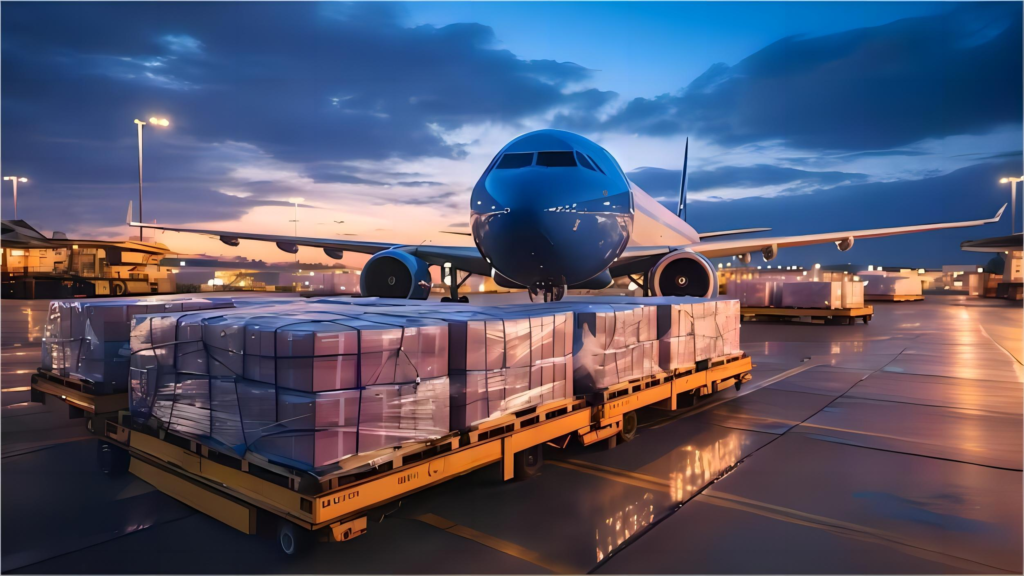
| 🚚 Transportation Method | Air freight + customs clearance + local delivery |
| ⚖️ Customs Clearance Details | Customs requested additional product and compliance documentation; the importer and logistics provider coordinated the required documents with the supplier |
| 📋 Brief Overview | The shipment could not complete clearance because supporting compliance information was incomplete. Additional documentation was collected and submitted before release and final-mile delivery. |
📌 Case Study 3 — Commercial Value Questioned During Import Clearance
| Item | Details |
| 📍 Origin | China supplier → North American importer warehouse |
| 📦 Cargo | Industrial spare parts |
| ⏱️ Transit Time | Planned 25–35 days; customs review extended the clearance period |
| 💰 Cost | DDP landed-cost quotation based on cargo value, destination, duties/taxes, and delivery requirements |
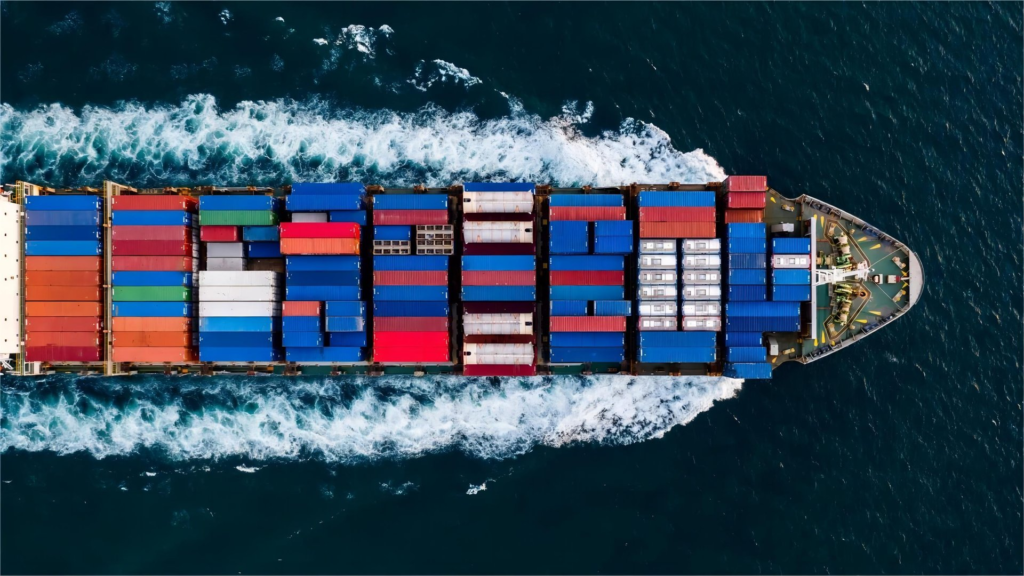
| 🚢 Transportation Method | Ocean FCL + destination customs clearance + trucking |
| ⚖️ Customs Clearance Details | Customs requested additional evidence supporting the declared transaction value; commercial documentation and payment-related evidence were reviewed |
| 📋 Brief Overview | The importer faced a customs valuation question. The DDP provider coordinated the broker and importer to provide supporting evidence and complete the clearance process. |
How Can Importers Prevent Another DDP Customs Clearance Failure?
Solving an immediate customs problem is only half the job. Moreover, importers should identify what caused the failure so the same issue does not appear on the next shipment.
Before cargo departure, create a pre-clearance review covering product information, customs classification, documentation, and destination requirements.
Pre-Shipment Checks
| Check | Recommended Action |
| Product description | Use specific, commercially accurate descriptions |
| HS code | Verify classification before shipment |
| Customs value | Ensure the declared value matches supporting records |
| Invoice | Check price, quantity, currency, and buyer/seller details |
| Packing list | Match quantities and package information |
| Certificates | Confirm destination requirements |
| Import permits | Check whether the product is regulated |
| Consignee | Verify legal name and delivery details |
| Tax estimate | Confirm applicable duty and VAT/GST treatment |
| Delivery | Confirm warehouse or appointment requirements |
Additionally, importers should keep a record of previous customs issues. This creates a useful compliance history and helps the logistics provider prepare future declarations more accurately.
For recurring imports, a standardized document checklist can reduce human error. Furthermore, sending shipment information to the customs broker before departure gives the broker more time to identify potential problems.
The most effective approach is therefore prevention plus rapid escalation: check the shipment before departure, monitor customs status during import, and maintain a clear escalation procedure when something goes wrong.
Conclusion
To solve DDP customs clearance failure quickly, importers should first identify the precise reason for the customs hold and then correct the underlying documentation, classification, valuation, tax, or compliance issue. Furthermore, close coordination between the importer, supplier, customs broker, and DDP logistics provider can prevent unnecessary delays.
A capable DDP logistics company should provide more than transportation. It should coordinate customs clearance, duties and taxes, document correction, inspection support, and final delivery when problems occur. Therefore, choosing a provider with strong destination-side capabilities can reduce both immediate disruption and future customs risk.
Need a quote?
📞 If your cargo is currently held at customs, share the shipment origin, destination, cargo type, current customs status, and available documents. A ddp logistics company for asian importers can review the clearance problem and help coordinate the next practical step.
FAQs
1. What is the fastest way to solve DDP customs clearance failure?
First identify the official hold reason, then correct the specific document, classification, valuation, tax, or compliance issue. Therefore, avoid submitting unrelated documents that may create further discrepancies.
2. Can incorrect HS codes cause DDP customs clearance failure?
Yes. An incorrect HS code can affect duties, restrictions, and required permits. Consequently, the classification should be reviewed against the actual product specifications before submitting a customs correction.
3. Who pays customs duties after a DDP clearance problem?
Under agreed DDP terms, the seller-side arrangement generally covers applicable import duties and taxes. However, the quotation should clearly define responsibility for reassessments, penalties, inspections, and additional charges.
4. How long does emergency DDP customs clearance take?
There is no universal timeframe because customs processing depends on the destination, issue type, documentation, inspection requirements, and authority workload. Nevertheless, accurate corrections can prevent avoidable delays.
5. Can a freight forwarder handle customs inspection?
Yes. A capable DDP logistics provider can coordinate the customs broker, terminal, inspection arrangements, documentation, and subsequent delivery. However, the customs authority controls the inspection and release decision.