

- By Jaxin
- August 14, 2026
- Trade Terms
A ddp logistics company for asian importers can simplify international purchasing when buyers want predictable landed costs instead of coordinating freight, customs, taxes, and final delivery separately. However, choosing an unsuitable provider can lead to hidden charges, customs delays, documentation problems, or unexpected delivery costs.
For Asian importers sourcing machinery, electronics, spare parts, consumer products, or industrial materials, DDP shipping can combine transportation, import clearance, applicable duties and taxes, and door delivery into one coordinated service. Therefore, this guide explains how DDP works, what to verify before booking, which transport method may fit different shipments, and how to reduce logistics risks.

How Can a DDP Logistics Company for Asian Importers Simplify International Shipping?
The main advantage of DDP is coordination. Instead of hiring separate companies for transportation, customs brokerage, tax handling, and inland delivery, an importer can work with one logistics partner.
Moreover, this model helps buyers forecast their total logistics expenditure. A suitable provider should calculate the quotation according to the origin, destination, cargo type, customs requirements, and final delivery address.
What Does a Typical DDP Process Include?
The process normally starts with factory pickup or cargo collection. Next, the logistics provider arranges export documentation and international transportation.
At the destination, customs clearance follows. Applicable duties and taxes are then handled according to the agreed DDP arrangement. Finally, the cargo moves to the consignee through local trucking or another last-mile service.
| DDP Element | Importer Responsibility | Logistics Provider Responsibility |
|---|---|---|
| Export booking | Limited | ✓ |
| Main transportation | Limited | ✓ |
| Export customs | Limited | ✓ |
| Import customs | Usually limited | ✓ |
| Duties and taxes | According to agreed terms | ✓ |
| Final delivery | Limited | ✓ |
| Landed-cost coordination | Shared | ✓ |
Nevertheless, DDP does not mean every possible expense is automatically included. Therefore, buyers should request a written quotation that clearly identifies included services, excluded charges, taxes, customs fees, and delivery conditions.
What Should Asian Importers Check Before Choosing a DDP Logistics Provider?
A low DDP price may look attractive at first, yet it does not necessarily indicate the best logistics solution. Consequently, importers should evaluate destination expertise, customs capability, pricing transparency, and delivery coverage before making a decision.
Does the Provider Understand Your Destination?
First, verify whether the logistics company regularly handles shipments to your destination country. Local customs knowledge matters because certain products may require permits, certificates, registrations, or specific import procedures.
Destination experience also helps when customs authorities request additional information. Furthermore, an established local delivery network can reduce problems during the final-mile stage.
Is the DDP Quotation Transparent?
Next, review the quotation carefully. A professional DDP logistics company should explain transportation charges, customs services, duties, taxes, brokerage, destination handling, and final delivery.
| Selection Factor | What to Verify | Why It Matters |
| Destination expertise | Customs and delivery network | Reduces clearance problems |
| DDP quotation | Taxes, duties, fees and exclusions | Prevents unexpected costs |
| Documentation | Invoice, packing list and permits | Supports customs clearance |
| Tracking | Shipment milestones | Improves visibility |
| Cargo experience | Similar product shipments | Reduces handling risks |
| Final delivery | Warehouse, door or appointment delivery | Avoids delivery failures |
| Claims process | Damage and loss procedures | Protects cargo value |
Additionally, ask whether the provider genuinely offers DDP or simply uses the term to describe a low freight quotation. Clear service boundaries make supplier comparisons much easier.
How Does a DDP Logistics Company for Asian Importers Manage Customs and Taxes?
Customs clearance is one of the most important parts of DDP shipping because incorrect classification, incomplete documents, or inaccurate customs values can delay cargo.
A capable DDP logistics company for Asian importers should collect the necessary shipment information before departure. Typically, this includes the commercial invoice, packing list, product description, HS code, country of origin, consignee information, and any required import permits or certificates.
Moreover, the importer should provide accurate product information rather than relying on a forwarder to guess the HS classification. Incorrect information can result in reassessment, additional duties, penalties, or customs inspections.
What Documents Are Normally Required?
| Document / Information | Typical Purpose |
| Commercial invoice | Establishes transaction value |
| Packing list | Identifies package contents |
| HS code | Supports tariff classification |
| Country of origin | Determines origin treatment |
| Import permits | Required for regulated products |
| Product certificates | Supports compliance where applicable |
| Consignee details | Enables customs and delivery processing |
Meanwhile, tax treatment depends heavily on the destination country and product category. Therefore, a DDP quote should explain whether import duty, VAT/GST, brokerage, port charges, and other destination costs are included.
Importers should also confirm who is legally responsible for the import declaration. This point is particularly important because DDP arrangements can involve different local entities, customs brokers, or tax representatives depending on the destination.
Which Transport Method Should a DDP Logistics Provider Use for Asian Imports?
No single transport method works for every shipment. Instead, the right choice depends on cargo volume, urgency, destination, product value, and budget.
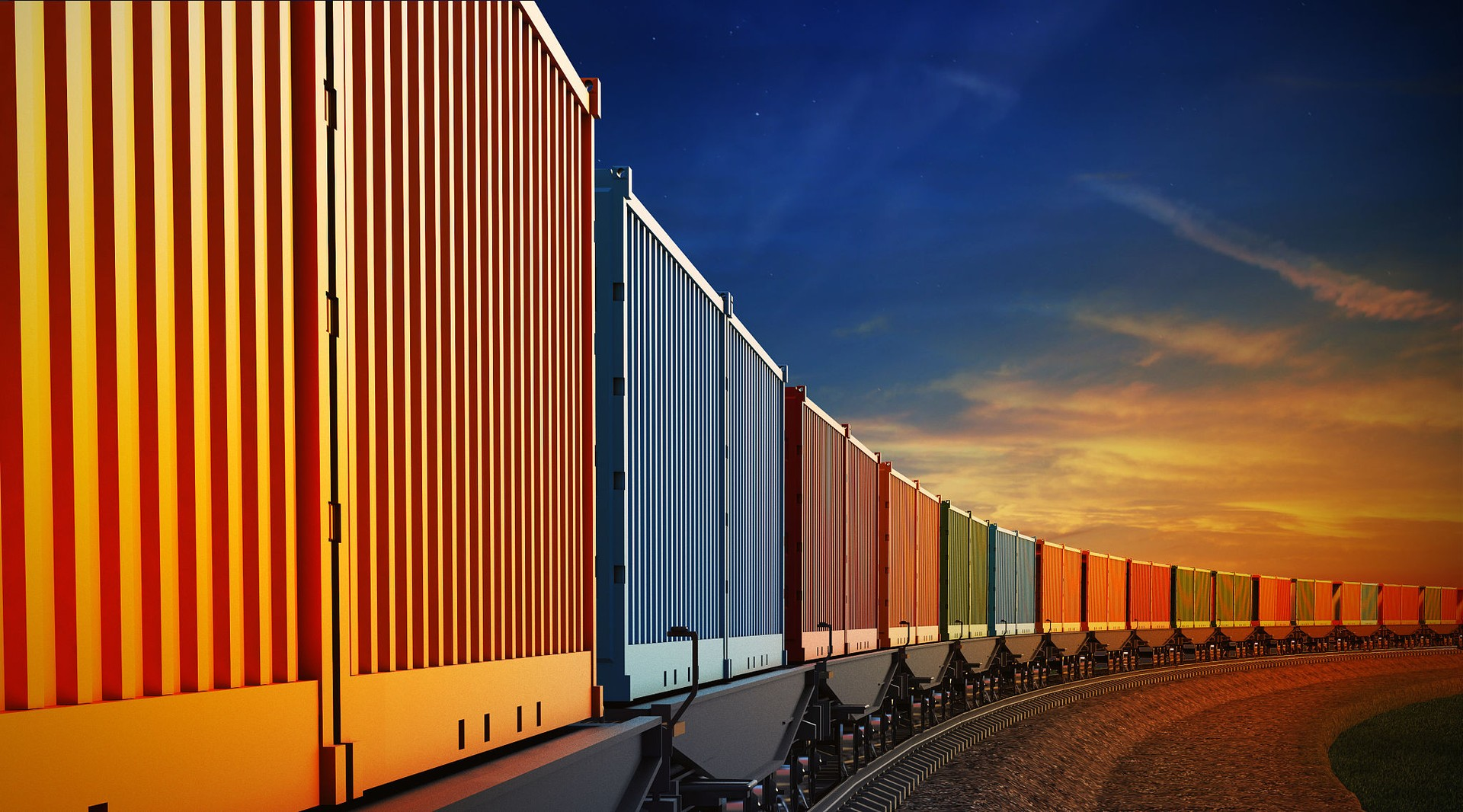
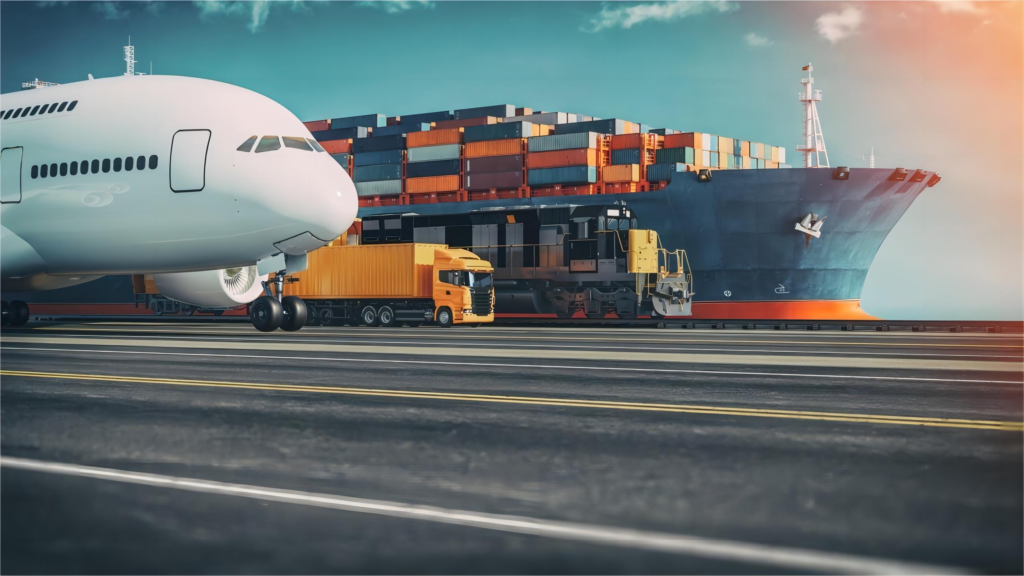
Air freight usually suits urgent and lightweight shipments. By comparison, ocean freight works well for larger commercial volumes. Rail can offer a useful balance between speed and cost on suitable corridors, while multimodal transportation can connect factory pickup with international freight and final delivery.
| Method | Indicative Transit Time* | Cost Position | Best For | Main Limitation |
| Air Freight | 3–10 days | High | Urgent, high-value cargo | Higher freight cost |
| Rail Freight | 12–25 days | Medium | Time-sensitive FCL cargo | Route availability |
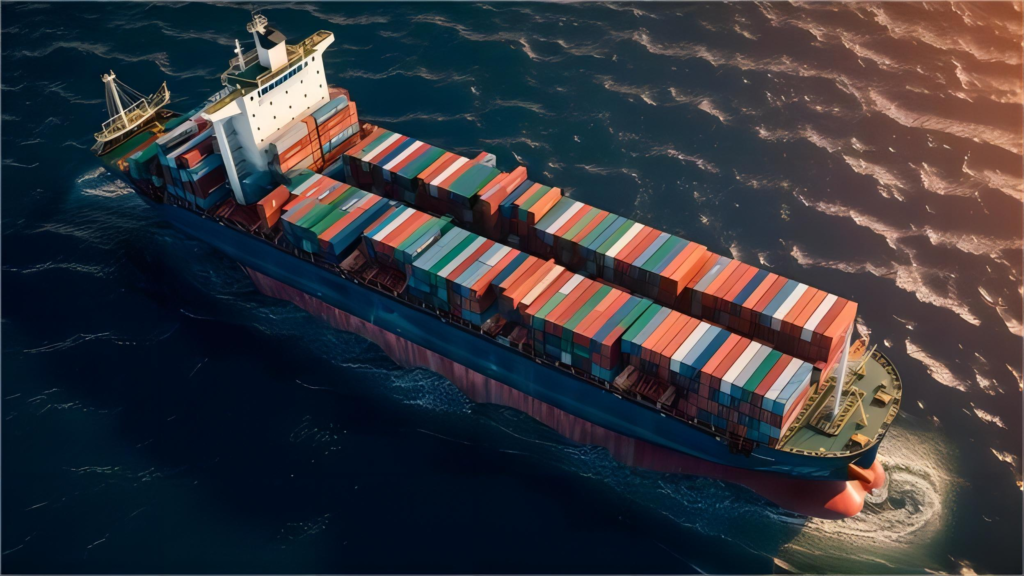
| Ocean Freight | 25–50 days | Low–Medium | Large-volume cargo | Longer transit |
| Multimodal | 15–40 days | Medium | Flexible door delivery | More coordination |
*Indicative ranges only. Actual transit depends on origin, destination, routing, customs processing, schedules, and seasonal conditions.
Why Should Importers Compare Landed Cost?
The international freight rate alone does not show the real cost of importing. For instance, a low ocean freight quotation may become less competitive after destination charges, customs fees, taxes, and inland transportation are added.
Rail may cost more than ocean freight in some cases. Nevertheless, its shorter transit time can provide value for buyers with tighter inventory cycles.
For that reason, importers should compare the complete landed-cost structure rather than selecting the lowest headline freight rate.
What Does a Real DDP Logistics Company for Asian Importers Solution Look Like?
📌 Case Study 1 — Machinery Components for a European Distributor
| Item | Details |
| 📍 Origin | China factory → European distribution warehouse |
| 📦 Cargo | Industrial machinery components |
| ⏱️ Transit Time | Approximately 18–25 days |
| 💰 Cost | DDP door delivery with duties and applicable taxes included |
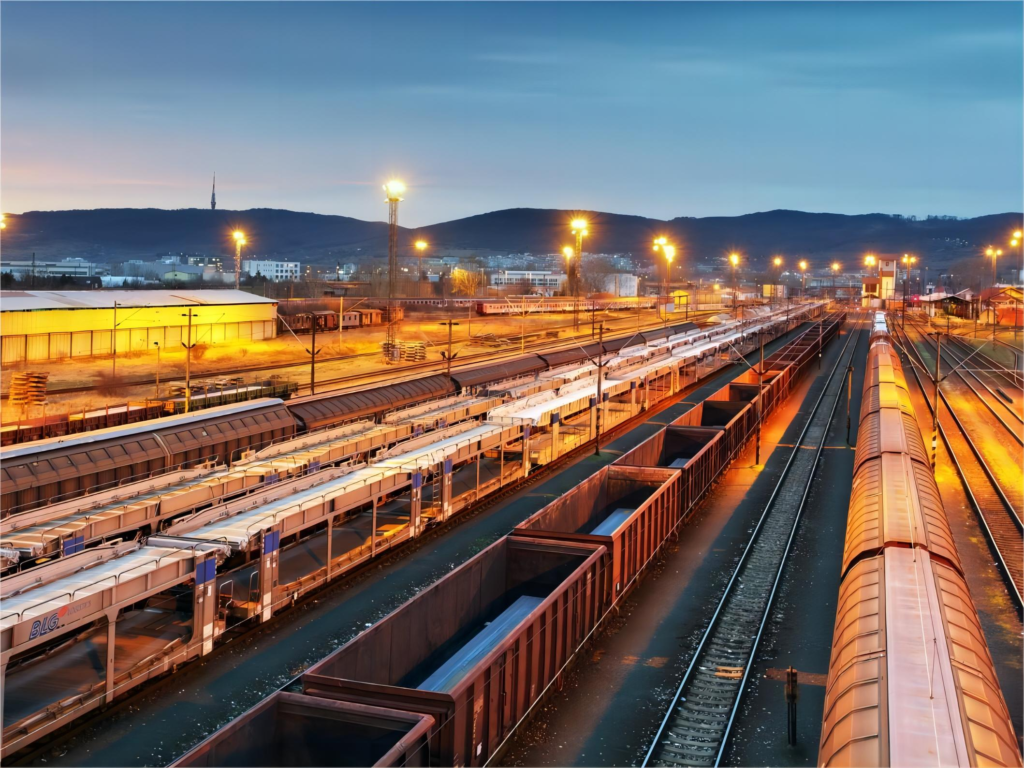
| 🚆 Transportation Method | China–Europe rail freight + customs clearance + final trucking |
| ⚖️ Customs Clearance Details | Export declaration, destination import declaration, HS classification review, applicable duties/taxes, customs broker coordination |
| 📋 Brief Overview | The distributor wanted predictable landed costs and preferred one logistics quotation covering transportation, customs, import charges, and final delivery. |
📌 Case Study 2 — Consumer Electronics for an Asian E-Commerce Importer
| Item | Details |
| 📍 Origin | Shenzhen supplier → Southeast Asian e-commerce warehouse |
| 📦 Cargo | Consumer electronics and accessories |
| ⏱️ Transit Time | Approximately 7–12 days |
| 💰 Cost | DDP door-to-warehouse pricing based on shipment volume and destination |
| 🚚 Transportation Method | Trucking + cross-border road transportation + local last-mile delivery |
| ⚖️ Customs Clearance Details | Export customs declaration, import documentation preparation, HS code verification, applicable import duties and taxes, destination customs clearance |
| 📋 Brief Overview | The importer needed a simple door-to-door solution without separately arranging customs clearance, tax payment, and local transportation for frequent replenishment shipments. |
📌 Case Study 3 — Industrial Equipment for a Middle Eastern Importer
| Item | Details |
| 📍 Origin | Eastern China factory → Middle Eastern industrial site |
| 📦 Cargo | Industrial equipment and spare parts |
| ⏱️ Transit Time | Approximately 28–40 days |
| 💰 Cost | DDP landed-cost quotation covering international freight, customs-related charges, and final delivery |
| 🚢 Transportation Method | Ocean freight FCL + destination customs clearance + inland trucking |
| ⚖️ Customs Clearance Details | Commercial invoice and packing list review, HS code verification, import declaration, applicable duties/taxes, customs broker coordination |
| 📋 Brief Overview | The buyer required delivery directly to an industrial facility and wanted to avoid managing multiple destination-side logistics providers and unpredictable customs-related expenses. |
How Can Asian Importers Control DDP Costs and Risks?
A reliable DDP arrangement should reduce uncertainty, but importers still need to control commercial and operational risks. Therefore, the first step is to request a detailed quotation instead of accepting a single unexplained total price.
Ask the provider to state the cargo assumptions, transport mode, delivery location, customs scope, tax treatment, quotation validity, and excluded charges. Additionally, clarify what happens if customs authorities inspect the shipment or request additional documentation.
How Should Importers Compare Landed Costs?
The most useful comparison considers the complete cost of getting the cargo from the supplier to the final destination.
Product Cost + International Freight + Customs Duties + Import Taxes + Destination Charges + Final Delivery = Landed Cost
However, not every charge can always be predicted precisely before customs processing. Therefore, the provider should explain which amounts are fixed, estimated, or subject to official assessment.
How Can Importers Reduce Operational Risk?
Importers can improve reliability by:
- Providing accurate commercial invoices and product descriptions.
- Confirming HS codes before shipment departure.
- Checking whether products require import licenses.
- Confirming the exact final delivery address.
- Requesting milestone tracking from pickup to delivery.
- Establishing a written process for customs inspections.
- Reviewing cargo insurance options for high-value shipments.
Moreover, avoid selecting a provider solely because its DDP rate is dramatically lower than competing quotations. An unusually low quotation may exclude important destination costs or assume unrealistic customs conditions.
Ultimately, the strongest DDP provider is the one that combines transparent pricing, destination expertise, reliable transportation, customs capability, and clear communication.
Conclusion
A ddp logistics company for asian importers can simplify international trade by coordinating transportation, customs clearance, applicable duties and taxes, and final delivery through one logistics solution. However, importers should look beyond the headline freight price.
By comparing landed costs, checking customs capabilities, reviewing documentation requirements, and selecting the right transportation mode, buyers can reduce unexpected charges and delivery risks. Furthermore, a transparent DDP quotation allows importers to make better sourcing decisions while maintaining greater control over international logistics.
If your priority is predictable delivery rather than simply the lowest freight rate, DDP can provide a practical framework for managing complex Asian import shipments.
- Consult Ali China Freight Forwarding for the lowest quote. They will provide you with reliable, cost-effective service.
FAQs:
Q1.How much does DDP shipping from Asia cost?
DDP cost depends on cargo volume, destination, transport mode, product classification, duties, taxes, and delivery requirements. Therefore, importers should request a complete landed-cost quotation rather than comparing freight alone.
Q2.How long does DDP shipping from Asia take?
Transit time varies by route and transport mode. Generally, air freight is fastest, rail is suitable for selected corridors, and ocean freight offers lower costs for larger shipments.
Q3.Can a DDP logistics provider combine rail and trucking?
Yes. DDP rail freight can combine factory pickup, international rail transportation, customs clearance, and final-mile trucking. Consequently, importers can receive door-to-door delivery through one coordinated logistics process.
Q4.What documents are required for DDP import clearance?
Common documents include a commercial invoice, packing list, HS code information, country of origin, consignee details, and applicable permits or certificates. However, requirements vary by destination and product.
Q5.Who pays import duties and taxes under DDP?
Under standard DDP terms, the seller or its appointed logistics arrangement bears responsibility for import clearance, duties, and taxes. Nevertheless, the exact commercial and legal structure should be confirmed in writing.