

China to Europe Rail Freight Quote: 2026 Cost & Logistics Guide
Navigating the complexities of a China to Europe rail freight quote often exposes importers to opaque pricing structures where transit promises, surcharge bands, and compliance duties remain poorly defined. This friction is frequently caused by a lack of visibility into Eurasian transit milestones and incomplete shipment profiles that fail to account for gauge transitions at border crossings. By working with a specialist like Ali China Freight, you can transform fragmented, high-risk quotes into auditable, cost-efficient booking decisions. This 2026 handbook outlines the critical checkpoints and landed-cost variables necessary to ensure your overland logistics remain transparent and fully comparable.

Key Takeaways
Standard 40HQ rail containers for this corridor typically maintain a usable capacity of 65-70 CBM for efficient palletized loading.
Expect a standard door-to-door transit window of 28-35 days, accounting for gauge-change dwell at the Alashankou or Khorgos border crossings.
Rail freight rates are highly sensitive to seasonal congestion; booking block-train space at least 14 days before cargo-ready dates is recommended.
The CIM/SMGS rail consignment note acts as the primary title document for this mode, replacing the traditional ocean Bill of Lading.
When Does Rail Freight Beat Ocean or Air on China to Europe Rail Quote?
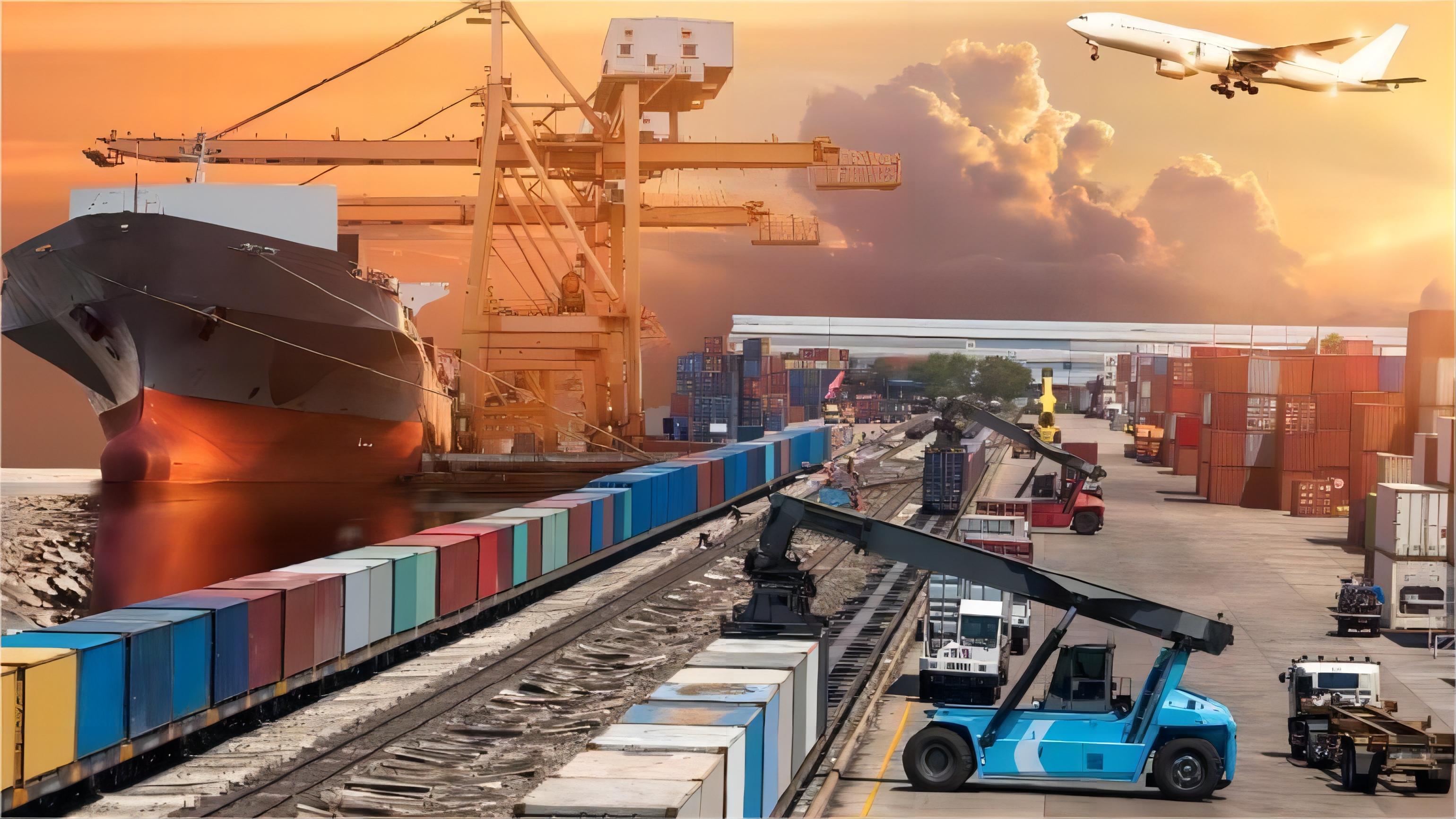
Determining the optimal transport mode requires a rigorous cost-benefit analysis of your replenishment cycle and inventory carrying costs. Rail freight serves as the essential middle ground, offering transit times roughly 50% faster than ocean shipping while maintaining a cost profile significantly lower than air freight. This mode is particularly advantageous for high-value electronics, automotive parts, or seasonal goods that require faster turnarounds than ocean transit permits but cannot justify the premium of air cargo.
When analyzing a China to Europe rail freight quote, balance the total landed cost against the opportunity cost of tied-up capital in slow-moving ocean containers. Rail transit typically averages 28 to 35 days, providing a predictable schedule that helps manufacturers avoid the volatility of ocean port congestion. By moving your cargo via the Eurasian land bridge, you reduce the risk of long-term inventory stockouts while avoiding the high peak-season surcharges that often plague traditional seafaring routes.
To decide if rail is the right choice, evaluate your cargo’s sensitivity to transit time versus its density and value. Low-margin, high-volume commodities may still favor ocean consolidation, but for time-sensitive replenishment, rail offers a superior balance of reliability and speed. Consult with your logistics provider to compare these modes based on your specific Shanghai/Ningbo in China and your final destination terminal in Europe, ensuring that your choice aligns with your current supply chain velocity goals.
Field note: Rail is the strategic buffer between ocean transit and air speed.
Common mistake: Failing to account for the total cost of capital during extended ocean transit.
Risk alert: Monitor rail terminal capacity at Shanghai/Ningbo to avoid unexpected dwell.
All-In vs Itemized Billing: Which Quote Structure Fits Your Budget?

Choosing between an all-in and an itemized billing structure depends on your organization’s need for fiscal control versus administrative simplicity. An all-in quote provides a single, predictable number that covers the entire journey, reducing the burden of invoice reconciliation. However, this structure often includes a risk premium that the forwarder adds to cover potential market fluctuations, meaning you might pay more than necessary if the actual costs remain stable throughout the transit period.
Conversely, an itemized quote offers granular visibility into every service component, allowing you to identify exactly where your logistics spend is going. This approach is highly recommended for larger shippers who want to benchmark individual costs such as rail traction, terminal handling, and customs brokerage fees. While it requires more time to process and audit, itemized billing prevents excessive markups and provides the flexibility to switch individual service providers if certain legs of the journey become inefficient or overpriced.
We recommend requesting both formats during the initial inquiry phase to compare the delta between a simplified all-in cost and a detailed breakdown. Use this comparison to assess the forwarder’s transparency and to identify if they are hiding excessive surcharges under a broad all-in umbrella. Regardless of the structure, ensure that all terms are documented in your service agreement to prevent disputes when the final logistics services invoice is generated and audited against the original booking.
Field note: Itemized billing is superior for long-term supply chain auditing.
Common mistake: Accepting an all-in quote without asking for a breakdown of included surcharges.
Risk alert: All-in quotes may mask underlying market volatility.
What Documents Does China Rail Export Require?
Precise documentation is the cornerstone of a successful rail shipment, as incorrect filings can lead to significant delays at border crossings like Alashankou or Khorgos. The primary document on this corridor is the CIM/SMGS rail consignment note, which serves as both a contract of carriage and a transport document. Unlike ocean freight, which relies on the Bill of Lading, the rail note must be completed with absolute accuracy, as it dictates the legal handling of your cargo across multiple jurisdictional borders.
In addition to the rail consignment note, you must provide a comprehensive commercial invoice and an itemized packing list that clearly defines the contents, weight, and value of every pallet. For exports from China, you will also need a valid customs export declaration, which must be filed and accepted by the local authorities before the cargo can be released for rail transport. Failure to align your HS codes across these documents will almost certainly trigger a customs hold, resulting in daily storage charges and potential schedule slippages.
Maintain a strict document checklist for every shipment to ensure compliance with both Chinese export regulations and European import standards, such as the ICS2 entry summary. If you are shipping to the EU, ensure your EORI number is active and clearly stated on all documents to facilitate smooth clearance at the destination terminal. Working with Ali China Freight ensures that all your filings meet the specific requirements of the Eurasian rail corridor, minimizing the risk of documentation-related transit interruptions.
| Document / Filing | Lead Time | Responsible Party | Hold if Missing |
|---|---|---|---|
| ICS2 Entry Summary (ENS) | Pre-arrival cut-off by mode | Carrier / Declarant | Do-not-load / diversion |
| EORI number | Before first EU import | Importer | Unable to lodge entry |
| Import declaration (national) | At clearance | Importer / Broker | Bonded hold |
| Commercial invoice + packing list | With entry packet | Exporter | Valuation delay |
Field note: Inaccurate HS codes are the #1 cause of border-crossing delays.
Common mistake: Assuming documents for ocean freight are interchangeable with rail.
Risk alert: Missing EORI numbers frequently stall cargo at the EU entry point.
How Are Rail Rates and Capacity Typically Structured?
Rail capacity on the China-Europe lane is structured around block-train allocations, which are often reserved weeks in advance by major forwarders. Rates are typically determined by the volume of space booked, with 40HQ containers serving as the standard unit of measurement. During peak seasons, capacity becomes extremely tight, and rates can fluctuate based on the availability of rail platform space at primary hubs like Chongqing, Chengdu, or Xi’an. Understanding this structure helps you time your shipments to avoid the most expensive booking windows.
The pricing model often includes a base freight rate plus variable surcharges that account for fuel, terminal, and seasonal demand. Because rail transit is a premium service compared to ocean, forwarders often employ a ‘first-come, first-served’ model for space allocation. If your cargo is not ready by the designated cut-off, you risk missing the block-train, which could lead to your container being rolled to the next available departure, potentially adding a week or more to your transit time and incurring additional storage fees.
To secure favorable rates, aim to provide your forwarder with a rolling forecast of your shipping volume. This allows them to secure long-term space allocations, which are significantly more cost-effective than spot-market bookings. When negotiating your freight forwarding services, ask about the forwarder’s relationship with the rail operators, as those with direct blocks are better equipped to protect your space during high-demand periods or unexpected corridor congestion.
Field note: Volume forecasting is the secret to securing lower rail rates.
Common mistake: Waiting until the last minute to book during peak seasons.
Risk alert: Space rolling is common if documentation is not finalized at cut-off.
How Do Duty, GST/VAT, and Broker Fees Enter the True Landed Cost?
True landed cost calculation must include all destination-specific taxes and clearing fees, which are often excluded from the initial China to Europe rail freight quote. In the EU, imported goods are subject to VAT and, depending on the commodity and origin, applicable customs duties. These costs are calculated based on the CIF value of the shipment (cost of goods + insurance + freight), making the freight rate a critical component of your total tax liability. Properly declaring these values is essential to avoid retroactive audits and fines.
Brokerage fees are another variable that must be integrated into your financial model. Whether you use a third-party customs broker or your forwarder’s internal clearing team, these services carry a cost that varies based on the number of HS lines and the complexity of the entry. If you are shipping to multiple EU countries, ensure that you understand the different VAT registration requirements, as clearing cargo in one member state for transit to another can involve specific T1 document filings and bond requirements.
To maintain accuracy, ask your freight experts to provide a landed-cost simulation that breaks down the estimated duty and tax burden for your specific HS codes. By proactively identifying these costs, you can avoid cash-flow issues at the destination terminal and ensure that your pricing to end-customers reflects the true cost of importing. Always confirm that your chosen forwarder is capable of managing the full scope of your customs entry, including any specialized documentation required for your product category.
| Cost Component | Typical Assessment Base | Who Usually Pays | Planning Note |
|---|---|---|---|
| CIF / customs value | Goods value + freight + insurance (as declared) | Importer of record | Wrong valuation drives duty and VAT/GST miscalc |
| Import duty / tariff | % of customs value by HS chapter | Importer / DDP seller (by Incoterms) | Confirm HS binding before award |
| VAT / GST / sales tax | Duty-paid value (or local statutory base) | Importer / fiscal representative | Registration and reclaim rules vary by market |
| Customs broker / clearance fee | Per entry or per shipment band | Importer / nominating party | Separates from freight; exams add extras |
| Exam / storage / disbursement | Event-driven (exam, demurrage, advance) | Importer / broker client account | Often outside base ocean/truck quote |
Field note: VAT and duty are calculated on the CIF value, not just the cargo value.
Common mistake: Ignoring the cost of customs brokerage in the total landed-cost model.
Risk alert: Incorrect HS tariff classification leads to significant tax penalties.
How Should You Stage Cargo for Rail Booking Cutoffs?
Staging cargo for rail transport requires strict adherence to booking cut-offs, as the rail industry operates on a fixed schedule that does not offer the same flexibility as ocean freight. You must ensure that your cargo is ready at the consolidation warehouse at least 48 to 72 hours before the container’s scheduled gate-in time. This buffer allows for thorough inspection, proper loading, and the finalization of the CIM/SMGS documentation, ensuring that your cargo is ready to move the moment the rail platform becomes available.
The loading process is critical for rail, as the cargo will be subjected to significant vibration and shifting during the long journey across Eurasia. Ensure that all pallets are tightly braced, shrink-wrapped, and weight-distributed within the container to prevent load-shifting. Any damage caused by improper loading is typically not covered by carrier liability, so investing in high-quality dunnage and load securement is a non-negotiable step in the staging process. Your warehousing services partner should be well-versed in these specific rail requirements.
Finally, communicate your cargo-ready date clearly to your forwarder and confirm the specific rail terminal receiving hours. Some terminals have limited operating windows, and failing to deliver your cargo within these times can result in gate-in rejections and additional truck waiting fees. By synchronizing your production schedule with the rail cut-off, you ensure a seamless handoff from your warehouse to the rail carrier, keeping your supply chain moving according to the planned transit schedule.
Field note: Rail cut-offs are rigid; missing one often results in a 7-day delay.
Common mistake: Underestimating the time required for proper pallet loading and bracing.
Risk alert: Improper load securement is the leading cause of in-transit cargo damage.
What Is the Step-by-Step Rail Booking SOP?
The standard operating procedure for rail booking begins with the initial corridor and hub feasibility check. Your forwarder will confirm the availability of rail space from your Shanghai/Ningbo, such as Chengdu or Xi’an, to your destination terminal in Europe. Once the route is validated, you will receive a booking confirmation detailing the cut-off dates and the necessary documentation requirements. This initial stage is crucial for ensuring that all stakeholders are aligned on the shipment timeline and the specific requirements for your cargo type.
Following the booking confirmation, the next steps involve the issuance of the CIM/SMGS rail consignment note and the coordination of the export customs filing. Your forwarder will work with the rail carrier to generate the necessary transit documentation, which must be verified against your commercial invoice and packing list. Simultaneously, your team must ensure that the cargo is delivered to the consolidation point, where it will be inspected for compliance and loaded into the rail container for its journey across the Eurasian land bridge.
The final phases of the SOP include monitoring the shipment during its transit, particularly during the gauge-change process at the border. Your forwarder will provide regular updates on the container’s status, allowing you to plan for the final destination release and trucking. Once the container arrives at the European terminal, the customs entry must be finalized to authorize the release of the goods. By following this structured logistics process, you minimize the potential for exceptions and ensure that your goods are delivered efficiently and reliably.
Field note: A clear SOP is your best defense against transit exceptions.
Common mistake: Failing to verify the CIM/SMGS data against the invoice before submission.
Risk alert: Customs clearance delays at the destination terminal are common if filings are late.
Decision Framework
By volume: Low CBM favors LCL or groupage into an EU hub; full wagon / 40HQ lots justify direct China–EU rail or ocean with scheduled last-mile trucking.
By speed: Urgent windows use air or expedited truck from the first EU hub; standard replenishment rides ocean/rail once ENS and EORI are locked.
By cargo profile: Confirm EORI, ENS/ICS2, and any product conformity marks before hub discharge.
Real-World Corridor Case Studies
A tier-1 automotive supplier moved JIT aftermarket components on a China–Europe block-train string from Chongqing to Duisburg. The forwarder locked rail consignment notes, HS chapter accuracy, and terminal free-time windows before departure so inland EU distribution stayed inside the quoted mainhaul band.
A consumer electronics shipper routed battery-declared cartons via Chengdu to Hamburg on a scoped rail corridor. Documentation and packing-list alignment preceded block-train departure, keeping terminal dwell inside negotiated free time.
Rail Execution Checklist for China to Europe Rail Freight Quote
Securing a reliable China to Europe rail freight quote requires a disciplined approach to documentation, booking cut-offs, and landed-cost transparency. By prioritizing clear communication with your forwarder and auditing every line item in your quote, you can avoid the common pitfalls of this complex Eurasian transit lane. Remember to treat rail as a strategic middle ground, maintaining ocean and air freight as explicit backups only when the corridor faces extreme weather or capacity constraints.
As you finalize your logistics plan, ensure that your team is prepared for the specific requirements of the CIM/SMGS system and the nuances of European customs clearance. With the right planning and a trusted partner like Ali China Freight, you can leverage the speed and efficiency of rail to maintain a competitive edge in your supply chain. Start your booking process today by verifying your cargo-ready dates and securing your space well in advance of the seasonal peak.
Process and Checkpoints
Corridor & Hub Feasibility
Confirm Eurasian/overland feasibility; name origin rail hub and destination terminal.
Capacity & Cut-off Lock
Reserve block-train / platform space before cargo-ready and documentation cut-offs.
CIM/SMGS & Export Pack
Issue rail consignment note data with invoice, packing list, and HS alignment.
Border / Gauge Handoff
Plan Alashankou/Khorgos gauge change and transit filings.
In-Transit Exception Watch
Monitor congestion, winter holds, and schedule recovery options.
Terminal Release & Last Mile
Clear destination rail terminal, arrange trucking, and capture POD.
Confirm the right route for your shipment
Need a China rail freight plan for your upcoming shipments? Share your Shanghai/Ningbo, destination terminal, cargo-ready date, CBM/weight, and whether you need door delivery after rail release for a scoped proposal.
Request a route reviewFrequently Asked Questions
What triggers a customs exam and who pays related fees?
Random or risk-based selection; importers typically pay exam, demurrage, and broker coordination fees.
Which export documentation must align before US AES or origin customs release?
Commercial invoice, packing list, HS codes, and Incoterms should match the physical load before AES filing and port gate-in.
How long do China–Europe rail block-train transits typically take door-to-door?
Many strings run roughly 15–22 days rail mainhaul, with total door times depending on border and last-mile legs.
How does Costa Rica TICA customs registration affect consignee clearance at Caldera or Moín?
Consignees need valid TICA/DUA alignment; mismatched commercial invoice party data delays release at Puerto Caldera or Port of Moín.
What AES or EEI filing steps apply before a US-origin ocean export sails to Costa Rica?
US exporters file AES via the Census Bureau before departure; incorrect Schedule B or value data triggers holds and penalties.
Which shipping marks must match the house Bill of Lading for LCL cargo?
Carton and pallet marks must match the house B/L description exactly to avoid relabel fees.
Rates and surcharges fluctuate; request an itemized quote.
Informational only; not binding legal/tax/customs advice.
Benchmarks reflect standard 2026 practice for this corridor.