

- By Jaxin
- August 15, 2026
- Amazon FBA
Introduction
Bulk cargo can quickly increase logistics costs when importers rely on expensive transport modes or inefficient container planning. Moreover, large-volume shipments often involve repeated containers, heavy cargo, and complex delivery requirements, so even a small cost difference per container can significantly affect the total landed cost.
Affordable rail freight for bulk cargo can provide a practical middle ground between ocean and air freight for importers that need competitive pricing without accepting the longer transit times associated with some ocean routes. Furthermore, rail can support recurring FCL shipments and multimodal delivery when importers select suitable routes, container configurations, and service plans.
Why Can Affordable Rail Freight for Bulk Cargo Reduce Logistics Costs?
Bulk shipments create economies of scale, but they also magnify inefficiencies. Therefore, importers should evaluate the total logistics cost per container and per unit, rather than focusing only on the headline freight rate.
Rail freight can become particularly attractive when transit speed matters more than ocean freight but air freight is too expensive. However, the actual advantage depends on the route, cargo characteristics, container availability, and destination delivery requirements.
| Transportation | Relative Cost | Transit Speed | Best For | Main Limitation |
|---|---|---|---|---|
| Ocean freight | Low | Slow | Large non-urgent volumes | Longer transit |
| Rail freight | Medium | Medium-fast | Bulk and time-sensitive cargo | Route-dependent |
| Air freight | High | Fast | Urgent/high-value goods | High cost |
| Road freight | Medium-high | Flexible | Regional delivery | Long-distance costs |
Moreover, bulk cargo often requires several containers. Consequently, negotiating recurring rail capacity can produce better budget predictability than repeatedly purchasing individual spot shipments.
Importers should also compare origin pickup, rail handling, destination trucking, customs clearance, and other charges before deciding whether a rail solution is genuinely affordable.
How Can Importers Get Affordable Rail Freight for Bulk Cargo?
The cheapest rail solution is not always the best one. Instead, importers should optimize several cost factors simultaneously.
Consolidate Regular Shipments
When cargo moves regularly, predictable volume can help support better commercial terms. For example, an importer shipping several containers every month may have more negotiating leverage than a company booking one container occasionally.
Select the Appropriate Container
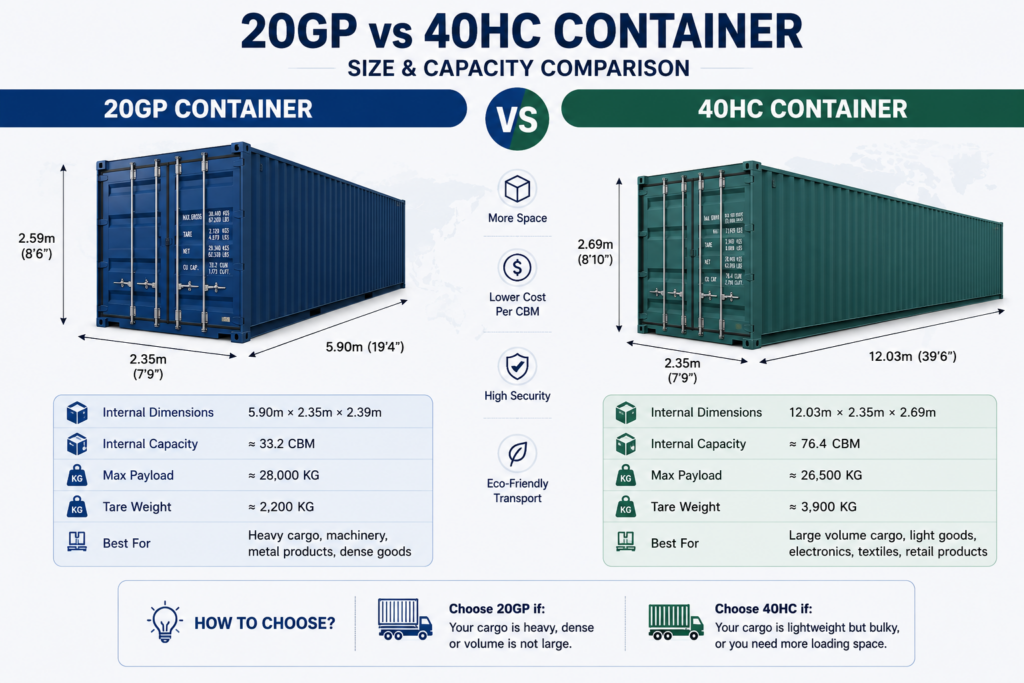
Container selection should match the cargo’s dimensions and weight.
| Container Type | Typical Application | Cost Consideration |
|---|---|---|
| 20GP | Dense/heavy cargo | Efficient for high-weight goods |
| 40GP | Larger general cargo | More volume |
| 40HC | Bulky cargo | Higher cubic capacity |
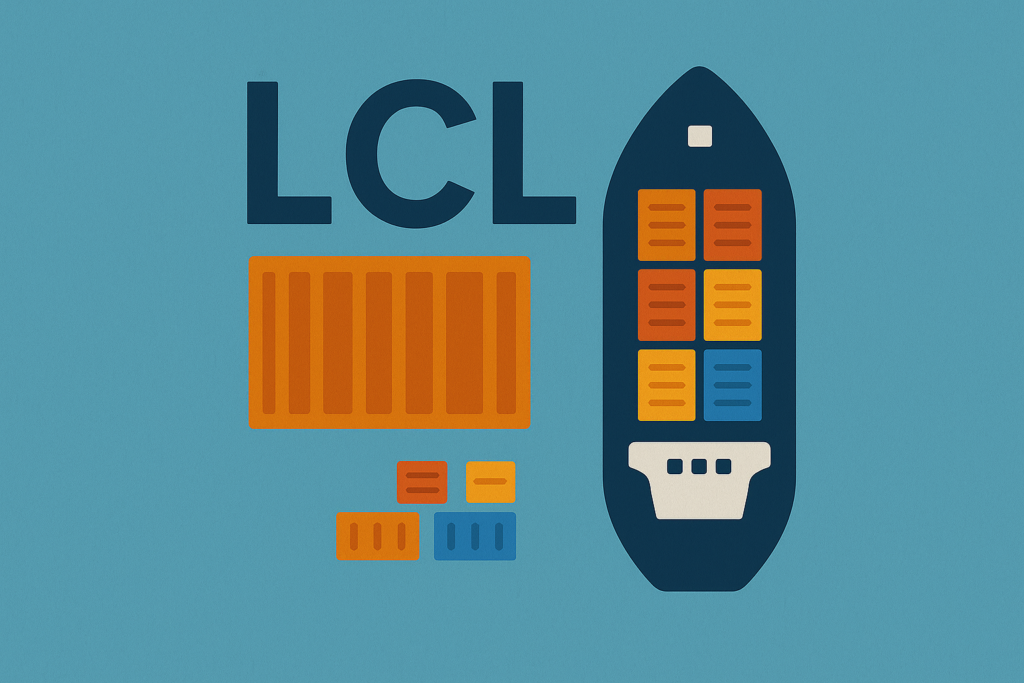
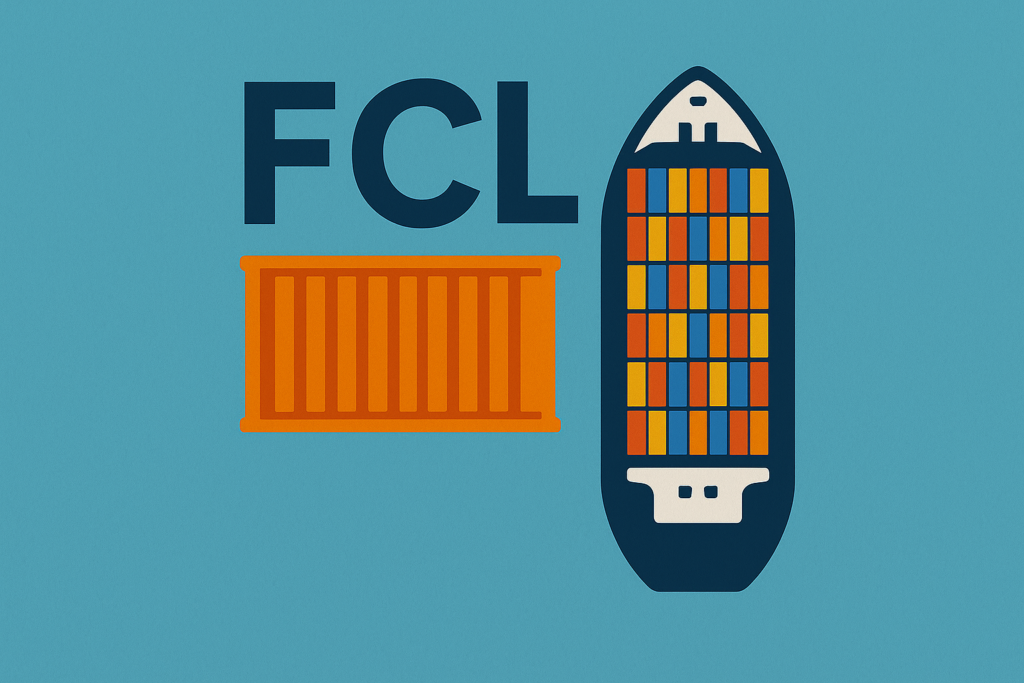
| LCL | Smaller shipments | Useful when FCL is not economical |
Furthermore, overusing 40HC containers for dense cargo can create unnecessary costs if weight limits prevent efficient loading.
Reduce Unnecessary Handling
Every additional transfer can increase handling expenses and cargo risk. Therefore, importers should compare direct rail solutions with routes requiring multiple intermediate movements.
What Bulk Cargo Is Suitable for Affordable Rail Freight?
Rail freight can work well for many manufactured and industrial products, especially when the cargo is non-perishable and requires faster transportation than traditional ocean freight.
Common examples include:
- Machinery components
- Automotive parts
- Consumer electronics
- Furniture
- Industrial equipment
- Building materials
- Packaged consumer goods
- Electrical products
- E-commerce inventory
- General manufactured products
However, cargo acceptance depends on the specific route, railway operator, packaging, weight, dimensions, and applicable regulations.
Heavy and Dense Cargo
Dense products require careful weight distribution. Moreover, container weight restrictions can affect how much cargo an importer can load into each container.
Bulky Cargo
Bulky goods may benefit from higher-capacity containers, particularly 40HC equipment. Nevertheless, dimensions should be checked before booking to ensure the cargo can be loaded safely.
Recurring Commercial Cargo
Regular shipments can make rail particularly attractive because the importer can plan inventory replenishment around predictable departures.
| Cargo Profile | Rail Suitability | Main Consideration |
|---|---|---|
| Heavy machinery parts | High | Weight distribution |
| Consumer goods | High | Volume planning |
| Electronics | High | Packaging and security |
| Furniture | High | Cubic capacity |
| Industrial components | High | Container loading |
| Perishable cargo | Limited | Transit and temperature requirements |
| Oversized cargo | Route-dependent | Equipment and clearance |
Therefore, affordability should always be evaluated together with cargo compatibility.
How Can Bulk Importers Lower Rail Freight Costs?
Cost optimization does not necessarily require choosing the cheapest rail provider. Instead, importers can reduce total expenditure through better planning.
Improve Container Utilization
Poor loading can leave valuable container space unused. Consequently, importers should optimize pallet dimensions, carton sizes, stacking patterns, and cargo distribution whenever possible.
Plan Shipments Earlier
Advance planning can provide more opportunities to compare routes and equipment availability. Furthermore, it reduces the likelihood of relying on expensive last-minute transportation.
Use a Multimodal Strategy
Rail does not have to operate independently. A cost-effective shipment may combine factory trucking, international rail, customs clearance, and destination delivery.
| Logistics Stage | Cost Optimization Opportunity |
|---|---|
| Factory pickup | Consolidate supplier collections |
| Origin handling | Use efficient rail terminal |
| Main rail | Negotiate recurring volume |
| Border | Prepare documents early |
| Destination | Pre-book trucking |
| Final delivery | Combine warehouse deliveries |
Additionally, importers should compare the landed logistics cost rather than only the international rail charge.
For example, a slightly higher rail rate may still be cheaper overall if it includes more origin handling or reduces destination trucking expenses.
What Are Real Examples of Affordable Rail Freight for Bulk Cargo?
📌 Case Study 1 — Machinery Components
| Item | Details |
|---|---|
| 📍 Origin | China factory → European distribution warehouse |
| 📦 Cargo | Machinery components |
| ⏱️ Transit Time | Approximately 18–25 days |
| 💰 Cost | Negotiated FCL rail rate based on recurring container volume |
| 🚆 Transportation Method | Factory pickup + international rail + destination trucking |
| ⚖️ Customs Clearance Details | Commercial invoice, packing list, HS codes, and product specifications prepared before arrival |
| 📋 Brief Overview | The importer moved multiple containers regularly and improved cost efficiency through volume planning, optimized loading, and coordinated destination trucking. |
📌 Case Study 2 — Consumer Goods
| Item | Details |
|---|---|
| 📍 Origin | Multiple China suppliers → Central European warehouse |
| 📦 Cargo | Packaged consumer products |
| ⏱️ Transit Time | Approximately 16–23 days |
| 💰 Cost | Consolidated rail transportation with destination delivery |
| 🚆 Transportation Method | Supplier pickup + consolidation + rail + final-mile trucking |
| ⚖️ Customs Clearance Details | Commercial invoices, packing lists, HS classifications, and importer information prepared for customs |
| 📋 Brief Overview | Several supplier shipments were coordinated into a structured logistics plan, reducing fragmented transportation and improving container utilization. |
📌 Case Study 3 — Industrial Equipment
| Item | Details |
|---|---|
| 📍 Origin | South China factory → Eastern European production facility |
| 📦 Cargo | Industrial equipment |
| ⏱️ Transit Time | Approximately 20–28 days |
| 💰 Cost | FCL rail freight + negotiated trucking and delivery |
| 🚆 Transportation Method | China rail terminal + international rail + European trucking |
| ⚖️ Customs Clearance Details | Import documentation included invoice, packing list, HS codes, equipment descriptions, and required certificates |
| 📋 Brief Overview | The importer selected rail instead of air for recurring industrial shipments and reduced transportation costs by combining full-container loading with scheduled rail departures. |
How Should Importers Compare Affordable Rail Freight Rates?
A low quotation can become expensive when important services sit outside the advertised rate. Therefore, importers should request a complete cost breakdown.
Compare the Same Service Scope
| Cost Item | Quote A | Quote B | Quote C |
|---|---|---|---|
| Origin pickup | Included? | Included? | Included? |
| Rail freight | — | — | — |
| Origin handling | — | — | — |
| Border charges | — | — | — |
| Customs clearance | — | — | — |
| Destination handling | — | — | — |
| Final trucking | — | — | — |
| Storage/free time | — | — | — |
| Insurance | — | — | — |
| Total landed logistics cost | — | — | — |
The figures should be completed according to the actual shipment rather than relying on generic online estimates.
Moreover, ask the forwarder how long the quotation remains valid and whether fuel, terminal, congestion, or other surcharges can change.
Evaluate Cost Per Unit
Bulk importers should also calculate:
Total logistics cost ÷ total units shipped = logistics cost per unit
This figure provides a better basis for purchasing decisions. Furthermore, it can reveal whether a slightly more expensive rail service actually produces lower unit costs through better container utilization or fewer handling charges.
Conclusion
Affordable rail freight for bulk cargo can help importers balance transportation cost, transit speed, and supply-chain reliability. However, the best results come from optimizing the entire logistics process rather than simply selecting the lowest rail quotation.
Therefore, importers should focus on container utilization, recurring shipment volume, route selection, multimodal coordination, customs preparation, and destination delivery. Moreover, comparing total landed logistics costs can reveal savings that are not visible in the headline freight rate.
For businesses moving machinery, consumer goods, industrial components, or other recurring cargo from China, a well-planned rail program can provide a practical alternative to both slow ocean transportation and expensive air freight.
👉 Moving large volumes from China and looking for a more cost-effective alternative to air freight?
FAQs
Q1: Is rail freight affordable for bulk cargo?
Rail can offer competitive pricing for bulk shipments when the route, container utilization, shipment frequency, and destination delivery are optimized. However, costs vary by origin, destination, equipment, and service scope.
Q2: Which container is best for bulk rail freight?
20GP containers can suit dense cargo, while 40GP and 40HC containers offer greater volume. Therefore, container selection should consider both cargo weight and cubic capacity.
Q3: Can bulk importers negotiate rail freight rates?
Yes. Regular shipping volumes can provide stronger negotiating opportunities. Moreover, importers can discuss quarterly or annual shipping programs with logistics providers to improve cost predictability.
Q4: Is rail cheaper than air freight for bulk cargo?
Rail is generally more cost-effective than air freight for larger non-urgent shipments. However, ocean freight may remain cheaper when transit time is less important.
Q5: Can rail freight include door-to-door delivery?
Yes. A forwarder can combine factory pickup, international rail, customs clearance, destination handling, and final-mile trucking into one coordinated logistics solution.