
Amazon FBA Labeling Prep China Shipping Guide for 2026
“Succeeding as an e-commerce seller requires a seamless logistics strategy that starts at the point of origin. Navigating the complexities of Amazon FBA labeling prep China shipping can be the difference between a profitable quarter and a logistical nightmare. In 2026, Amazon has tightened its compliance standards, making accurate preparation more critical than ever before. This guide provides actionable insights to help you streamline your supply chain and ensure your products meet every requirement before they leave Chinese shores.”
Why Amazon FBA Labeling Prep in China is Vital for Your Business
❖Effective inventory management begins with ensuring your products are ready for the fulfillment center immediately upon arrival. Utilizing a professional Amazon FBA prep service in China allows you to catch manufacturing defects before the goods cross the ocean. Moreover, China-based prep is significantly more cost-effective than using a domestic prep center in the USA or Europe.
Consequently, you reduce the risk of Amazon rejecting your shipment due to labeling errors or damaged packaging. Furthermore, having your goods prepped at the source ensures that your shipping from China to Amazon FBA remains efficient and predictable. Indeed, many top-tier sellers now consider source-side prep a non-negotiable part of their global supply chain.
Understanding Amazon FBA Labeling Requirements in 2026
❖Amazon requires specific barcodes for every unit, including the FNSKU, which identifies the product as belonging to your specific seller account. Additionally, every outer carton must feature a unique FBA box ID label that matches the digital shipment plan. Therefore, failing to apply these correctly can lead to unplanned service fees or even account suspension.
Meanwhile, you must ensure that each label is printed clearly with a thermal printer to prevent smudging during transit. For example, if a barcode is unscanable upon arrival at the fulfillment center, Amazon will charge a labeling fee per item. To summarize, precision in the labeling phase prevents costly delays in the final delivery schedule.
| FNSKU Barcode | Each Unit | Scannable/Unique | Product Tracking |
| Box ID Label | Outer Carton | One per Box | Shipment Identification |
| Pallet Labels | All 4 Sides | Visible | Large Shipment Handling |
| Warning Labels | Poly Bags | Suffocation Warning | Safety Compliance |
Choosing the Best Shipping Method for FBA Inventory
❖Selecting the right transit mode depends on your budget, volume, and how quickly you need to restock your inventory. For massive volumes, sea freight remains the most economical choice for sellers looking to maximize their profit margins. However, if you are launching a new product or facing a stockout, air freight provides the speed necessary to stay competitive.
Additionally, many sellers in 2026 are opting for sea-plus-delivery hybrid solutions to balance cost and speed. Without a doubt, the choice between FCL and LCL shipping will impact your total landed cost and transit time. For instance, LCL shipments may take longer due to the consolidation and deconsolidation processes at the ports.
| Sea Freight | Low | 25-40 Days | Bulk Inventory |
| Air Freight | High | 5-9 Days | Urgent Restocks |
| Express | Very High | 3-5 Days | Small Samples |
| Rail Freight | Medium | 18-25 Days | Europe Shipments |
How Does Sea Freight Compare to Other Shipping Options?
❖While sea freight offers the lowest cost per unit, it requires much longer lead times compared to air or rail options. For example, shipping a 40HQ container from Shanghai to Los Angeles might cost $3,500 in early 2026, whereas air freight for the same weight would exceed $20,000. On the other hand, air freight ensures your goods are available for sale within a week, which is vital for high-demand trends.
Furthermore, rail freight serves as a middle ground for sellers targeting the European market, offering faster transit than sea at a lower price than air. Nevertheless, sea freight remains the backbone of the Amazon FBA labeling prep China shipping industry due to its reliability for large-scale operations. Consequently, most established brands plan their inventory cycles around 30-day ocean transit windows.
| Sea Freight | $1,500 – $4,500 | 14 – 45 Days | Long Lead Times |
| Air Freight | $5.50 – $12.00/kg | 3 – 7 Days | High Expense |
| Rail Freight | $1,200 – $2,800 | 18 – 28 Days | Limited to Eurasia |
| Express | $8.00 – $15.00/kg | 2 – 5 Days | Weight Restrictions |
Common Labeling and Prep Pitfalls to Avoid in China
❖One of the most frequent mistakes is placing barcodes on the seams of a package, which makes them impossible to scan. Additionally, using low-quality adhesives can cause labels to fall off during the humid conditions of ocean transit. Therefore, it is essential to use high-tack, permanent labels that can withstand the rigors of the global supply chain.
Another significant issue involves incorrect carton dimensions or weight, leading to unexpected surcharges from Amazon. For instance, if a box exceeds 22.5kg in the UK or 50lbs in the USA without a ‘Heavy Package’ label, it may be rejected. Accordingly, working with a prep center that understands these regional nuances is vital for your success.
The Benefits of Using a Professional Prep Service in China
❖Outsourcing your prep to a specialized facility in China streamlines your operations by centralizing quality control and logistics. Instead of shipping raw goods to your home, a prep center handles the unboxing, inspection, and re-labeling of your entire inventory. Moreover, they can perform bundle or kitting services, which are often too expensive to do in the destination country.
Consequently, you save on double-handling fees and minimize the carbon footprint of your shipping route. Furthermore, these facilities often have direct relationships with carriers, providing you with better freight rates and priority loading. Indeed, a professional prep partner acts as your eyes and ears on the ground in China.
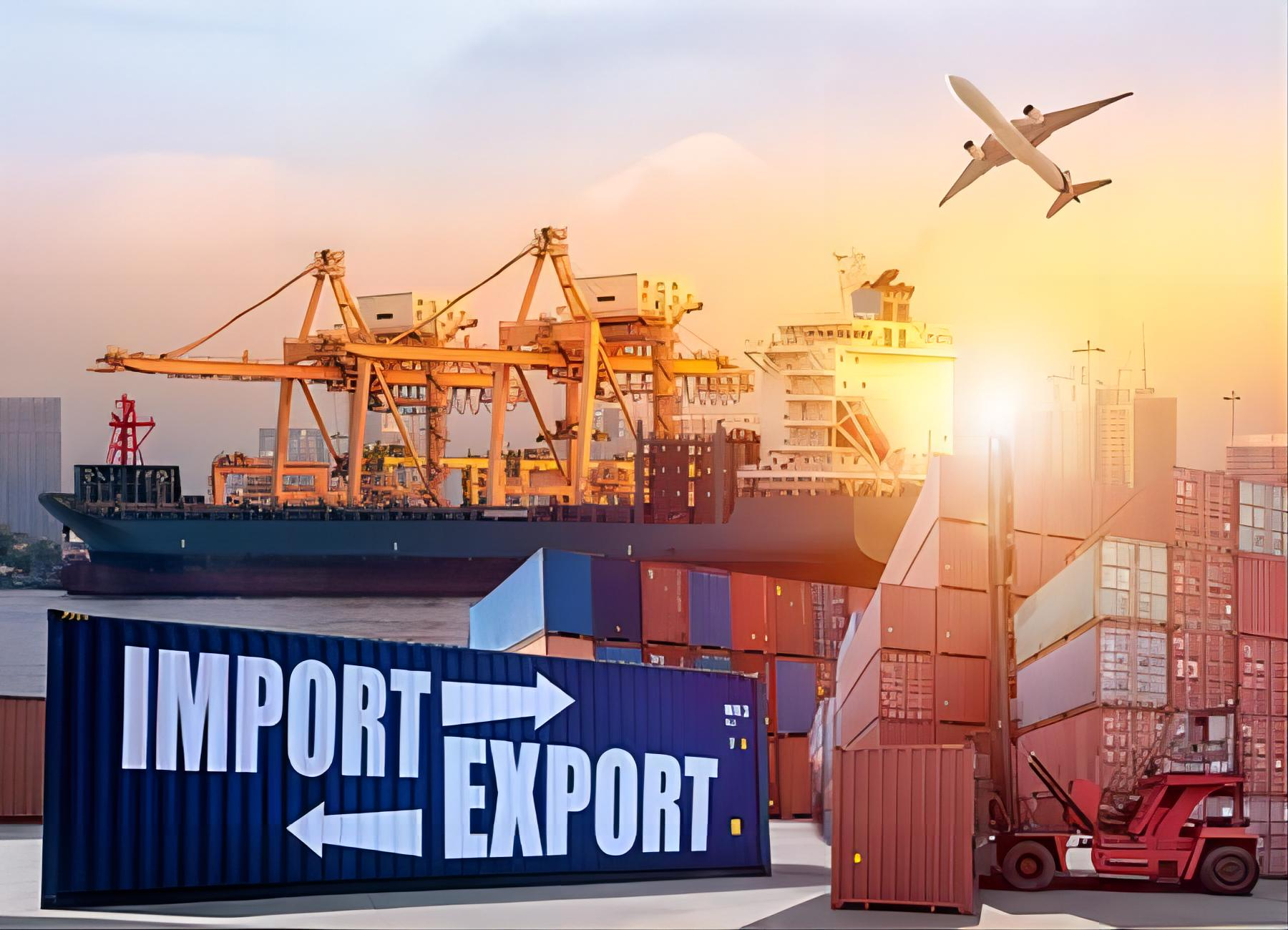
Step-by-Step Guide to Amazon FBA Labeling Prep China Shipping
❖The process begins with creating a shipment plan in Amazon Seller Central to generate your FNSKU and box labels. Next, you must provide these digital files to your prep center or supplier in China for application. Additionally, you should request a photo of the first labeled unit to verify the placement and scannability before the full production run is prepped.
Once the labeling is complete, your customs brokerage partner will handle the export documentation required for Chinese customs. Subsequently, the goods are loaded onto the vessel or aircraft for their journey to the destination fulfillment center. Finally, ensure all tracking information is updated in Seller Central to maintain visibility throughout the transit.
Real-World Case Studies of FBA Prep and Shipping Success
❖Case Study 1: Electronics from Shenzhen to Los Angeles. Route: Shenzhen, China to Los Angeles, USA. Cargo: Wireless Earbuds, 12 CBM, 2,200 kg. Container: LCL 12 CBM. Shipping Details: Carrier: Matson Express. Port of Loading: Shenzhen. Port of Discharge: Los Angeles. Route Type: Direct. Cost Breakdown: Ocean Freight: $2,850. Origin Charges: $450. Destination Charges: $600. Customs and Duties: $1,200. Total Landed Cost: $5,100. Timeline: Booking to Loading: 3 days. Sea Transit: 14 days. Customs Clearance: 2 days. Total Door-to-Door: 19 days. Key Insight: Using a fast sea carrier saved 15 days compared to traditional lines.
Case Study 2: Home Decor from Ningbo to Hamburg. Route: Ningbo, China to Hamburg, Germany. Cargo: Ceramic Vases, 28 CBM, 4,500 kg. Container: 20GP Full Container. Shipping Details: Carrier: Hapag-Lloyd. Port of Loading: Ningbo. Port of Discharge: Hamburg. Route Type: Direct via Suez. Cost Breakdown: Ocean Freight: $2,100. Origin Charges: $350. Destination Charges: $550. Customs and Duties: $900. Total Landed Cost: $3,900. Timeline: Booking to Loading: 5 days. Sea Transit: 32 days. Customs Clearance: 3 days. Total Door-to-Door: 40 days. Key Insight: FCL shipping was 25 percent cheaper per unit than LCL for this volume.
Which Shipping Option Should You Choose for Your FBA Business?
❖Deciding on a shipping strategy requires an honest assessment of your cash flow and inventory turnover rates. If your priority is budget and you have high-volume goods, sea freight is the clear winner for long-term sustainability. However, for high-value electronics or seasonal items, the speed of air freight justifies the higher investment to avoid missing sales windows.
Additionally, you should consider door to door services to simplify the logistics chain and reduce administrative overhead. For instance, a DDP (Delivered Duty Paid) agreement allows you to pay one price that covers shipping, prep, and all taxes. To summarize, the best option is one that aligns with your specific product margins and delivery requirements.
Final Thoughts on FBA Prep and Shipping from China
Navigating the world of Amazon FBA labeling prep China shipping requires a blend of meticulous planning and reliable partnerships. By focusing on accurate labeling at the source, you eliminate the most common causes of shipment delays and Amazon penalties. Moreover, staying informed about 2026 shipping trends and costs allows you to make data-driven decisions that protect your bottom line.
Whether you choose the speed of air or the economy of sea freight, the key is consistency and compliance. Therefore, invest in a professional prep strategy today to build a more resilient and profitable Amazon business for the future. Always remember that in the world of FBA, preparation is the foundation of every successful delivery.
Ready to streamline your logistics?
Streamline your Amazon FBA labeling prep China shipping today. Our expert team is ready to help you navigate 2026 logistics with ease. Contact us now for a custom quote and ensure your inventory arrives at Amazon fulfillment centers without a hitch. Visit our website to learn more about our comprehensive prep and shipping solutions.
Request Quote