

- By Jaxin
- July 9, 2026
- Amazon FBA
Introduction
Amazon inventory replenishment by rail freight is becoming a preferred solution for sellers who need faster restocking without the high costs of air freight. Ocean freight may arrive too late, while air freight can seriously reduce profit margins.
For sellers shipping from China to overseas markets, amazon inventory replenishment by rail freight offers a practical middle option. It helps maintain stock availability with shorter transit times than sea freight and lower costs than air shipping. This guide explains when rail freight works best, how to plan shipments, and how to reduce replenishment risks.
Why Choose Amazon Inventory Replenishment by Rail Freight?
Amazon sellers usually rely on sea freight because of its low cost. However, long transit times can create inventory gaps, especially when demand changes or peak seasons approach.
Rail freight fills the gap between air and ocean transportation. It provides a faster replenishment cycle while keeping shipping expenses under control.
| Shipping Method | Average Transit Time | Cost Level | Suitable Scenario |
|---|---|---|---|
| Air Freight | 5–10 days | High | Emergency stock replenishment |
| Rail Freight | 15–25 days | Medium | Regular FBA inventory planning |
| Sea Freight | 35–50 days | Low | Large-volume slow-moving products |
Moreover, rail freight offers more predictable schedules on many China-Europe routes. Therefore, sellers can create more accurate inventory plans instead of reacting to shortages after they happen.
Key benefits include:
- Shorter lead time compared with ocean freight
- Lower transportation costs than air freight
- Better inventory visibility
- More stable capacity during busy periods
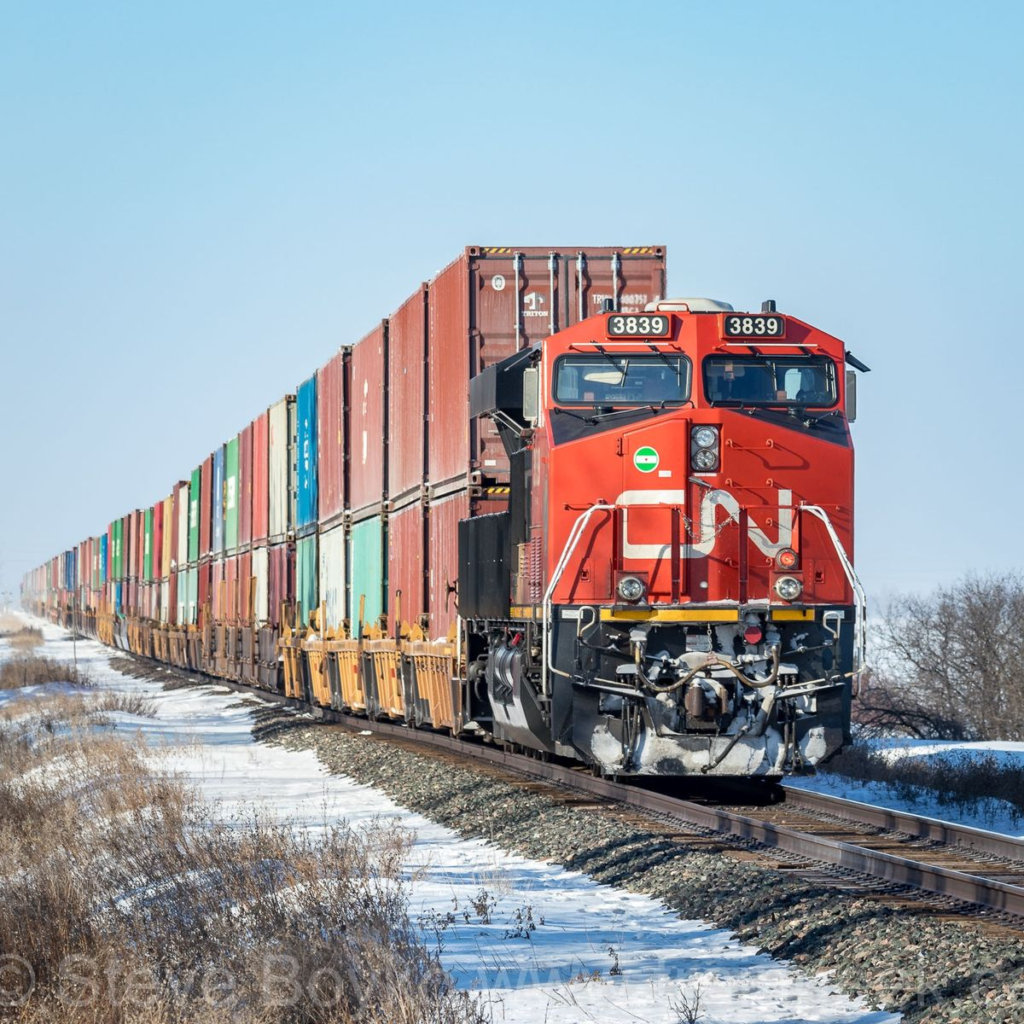
However, rail freight is not a replacement for every shipment. Products with extremely high urgency or unpredictable demand may still require air transportation.
How Does Amazon Inventory Replenishment by Rail Freight Work?
Understanding the shipment process helps sellers avoid delays and unexpected costs.
The typical rail freight replenishment process includes supplier pickup, export handling, railway transportation, customs clearance, and final delivery to the Amazon warehouse.
| Shipping Stage | Estimated Time | Important Action |
|---|---|---|
| Factory pickup | 1–3 days | Confirm cargo readiness |
| Export customs | 1–2 days | Prepare shipping documents |
| China-Europe rail transit | 15–25 days | Track route progress |
| Import clearance | 2–5 days | Verify HS codes and duties |
| Amazon delivery | 2–7 days | Arrange warehouse appointment |
Before shipment departure, sellers should prepare:
- Commercial invoice
- Packing list
- HS code information
- Product compliance documents
- Import clearance details
Additionally, accurate product information helps prevent customs inspections caused by incorrect declarations.
For Amazon sellers, the most common mistake is booking transportation only after inventory becomes critical. Instead, replenishment planning should start based on sales speed and expected transportation time.
What Products Are Suitable for Amazon Inventory Replenishment by Rail Freight?
Not every Amazon product requires the fastest shipping method. In many cases, rail freight works well for products with stable demand and predictable sales cycles.
| Product Type | Rail Freight Suitability | Reason |
|---|---|---|
| Home accessories | High | Stable demand and moderate value |
| Consumer electronics accessories | High | Suitable for planned restocking |
| Fitness products | Medium-High | Works with seasonal forecasting |
| Fashion products | Medium | Requires demand prediction |
| Limited-time promotional items | Low | May need faster delivery |
Furthermore, sellers should evaluate products based on inventory turnover.
A simple planning formula is:
Reorder Point = Average Daily Sales × Transportation Lead Time + Safety Stock
For example, if a product sells 100 units daily and rail transportation requires 20 days, the seller should consider ordering before inventory falls below the estimated 2,000-unit demand period.
Therefore, rail freight is most effective when sellers plan ahead rather than use it as an emergency solution.
How Can Amazon Inventory Replenishment by Rail Freight Reduce Stockout Risks?
Stockouts often happen because sellers focus only on production time and ignore transportation uncertainty.
However, a reliable replenishment strategy considers the entire supply chain.
Build a Balanced Inventory Plan
Amazon sellers should monitor:
- Current FBA inventory
- Supplier production schedule
- Rail transit time
- Customs clearance risks
- Seasonal sales changes
| Situation | Recommended Action |
|---|---|
| Stable monthly sales | Use regular rail replenishment |
| Upcoming peak season | Reserve rail space earlier |
| Unexpected sales growth | Combine rail with air freight |
| New product launch | Keep additional safety stock |
Moreover, sellers should avoid depending on one shipping method. A mixed transportation strategy is often more effective.
For example:
- Rail freight handles planned inventory replenishment
- Air freight covers urgent shortages
- Sea freight manages large-volume shipments
This approach reduces both logistics costs and inventory pressure.
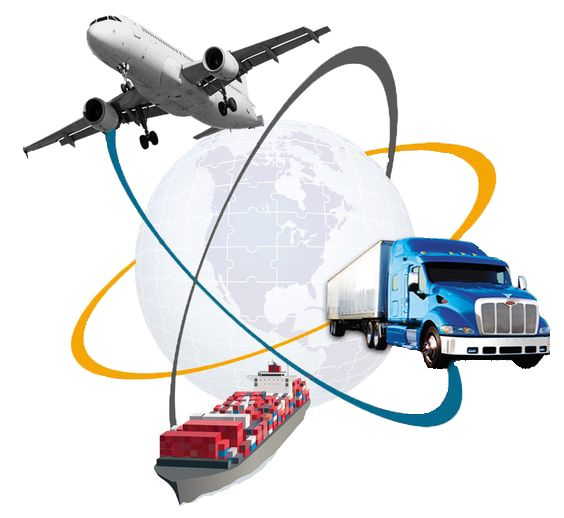
Amazon Inventory Replenishment by Rail Freight vs Sea Freight vs Air Freight
Choosing the right transportation method depends on product value, sales speed, and available inventory.
| Comparison Factor | Air Freight | Rail Freight | Sea Freight |
|---|---|---|---|
| Delivery Speed | Fastest | Medium | Slowest |
| Shipping Cost | Highest | Moderate | Lowest |
| Inventory Planning Difficulty | Low | Medium | Higher |
| Suitable Volume | Small | Medium | Large |
| Risk During Peak Season | Medium | Lower | Higher |
Although sea freight remains the cheapest option, long transportation cycles may force sellers to hold more inventory.
Meanwhile, air freight solves urgent shortages but can significantly increase product costs.
Rail freight provides a middle solution. It allows sellers to replenish inventory faster without paying premium air shipping prices.
Additionally, during periods when ocean schedules become unstable, rail freight can become a valuable alternative for maintaining product availability.
Case Study: Amazon Inventory Replenishment by Rail Freight for European FBA Stock
📦 Case Card: Outdoor Equipment Seller Avoids Inventory Gap
| Category | Details |
|---|---|
| 🚩 Origin | Ningbo, China |
| 📍 Destination | Amazon Warehouse, Poland |
| 📦 Cargo | Portable camping equipment |
| ⏱ Transit Time | 21 days |
| 💰 Cost Impact | Reduced shipping cost by around 45% compared with air freight |
| 🚆 Transportation Method | China-Europe Railway + European truck delivery |
| 🛃 Customs Issue | Previous ocean shipments faced unpredictable arrival delays during peak season |
| ✅ Solution | Switched regular replenishment orders to rail freight and prepared customs documents before departure |
| 📈 Result | Maintained stable inventory levels and reduced emergency shipments |
How to Select a Partner for Amazon Inventory Replenishment by Rail Freight?
A freight provider should understand both international transportation and Amazon delivery requirements.
However, many general logistics companies lack experience with FBA-related processes.
Before choosing a provider, sellers should evaluate:
| Evaluation Point | Why It Matters |
|---|---|
| Amazon FBA experience | Reduces warehouse delivery issues |
| Customs capability | Prevents clearance delays |
| Tracking visibility | Improves shipment control |
| Rail route experience | Ensures stable transportation |
| Final-mile delivery | Supports warehouse appointments |
Furthermore, sellers should confirm whether the provider offers complete transportation management.
A suitable partner should handle:
- Supplier pickup
- Export customs
- Rail booking
- Import clearance
- Local trucking
- Amazon warehouse delivery
Therefore, selecting a specialized rail freight provider can reduce operational pressure and improve replenishment consistency.
How Should Sellers Plan Amazon Inventory Replenishment by Rail Freight?
Successful rail replenishment depends on timing.
Sellers should not wait until inventory reaches a critical level before arranging transportation.
A practical planning schedule:
| Planning Stage | Recommended Timing |
|---|---|
| Review sales data | Monthly |
| Forecast inventory needs | 45–60 days before shortage |
| Reserve rail capacity | Before peak periods |
| Prepare documents | Before shipment departure |
Moreover, sellers should regularly review product performance.
Products with faster sales growth may require additional safety stock, while slower products can use longer transportation cycles.
By combining accurate forecasting with reliable rail transportation, sellers can maintain inventory availability without excessive logistics spending.
Conclusion
Amazon inventory replenishment by rail freight gives Amazon sellers a balanced way to maintain inventory availability while controlling logistics costs.With proper forecasting, document preparation, and logistics planning, rail freight can reduce stockout risks while keeping transportation costs under control.
For Amazon businesses shipping from China, rail freight is not only a transportation option but also an inventory management strategy that improves supply chain flexibility.
If you need support with amazon inventory replenishment by rail freight, our team can help analyze your shipping route, estimate transit options, and arrange FBA delivery solutions. Contact us to build a more stable replenishment plan and reduce unnecessary inventory risks.
FAQ
Q1: How early should Amazon sellers book rail freight before inventory runs out?
Most sellers should begin planning 45–60 days before expected stock depletion. This allows enough time for production, rail booking, customs clearance, and warehouse delivery preparation.
Q2: Is rail freight suitable for products with unpredictable Amazon sales?
Rail freight is less suitable for highly unpredictable demand. Sellers should combine rail shipments with flexible backup options such as small air freight orders.
Q3: What factors affect the final cost of Amazon rail freight shipments?
Costs depend on cargo volume, route selection, customs requirements, destination country, and last-mile delivery method rather than transportation distance alone.
Q4: How can sellers handle rail freight delays during peak Amazon seasons?
Sellers should reserve capacity early, maintain safety stock, and prepare alternative transportation plans before peak demand periods create pressure on logistics networks.
Q5: What should Amazon sellers check before hiring a rail freight forwarder?
They should verify FBA delivery experience, customs handling ability, tracking systems, destination coverage, and whether the provider manages the complete transportation process.