

Cargo Inspection China Export Delay: 2026 Guide to Faster Shipping
Navigating international trade in 2026 requires precision, especially when a cargo inspection china export delay threatens your supply chain timeline. Unexpected hold-ups at major ports like Shanghai or Shenzhen can disrupt inventory flow and increase operational costs significantly. Fortunately, understanding the current regulatory landscape allows businesses to implement proactive measures that minimize these risks and ensure timely deliveries.
What Causes a Cargo Inspection China Export Delay in 2026?
Several factors contribute to the selection of shipments for physical or digital examination by Chinese customs authorities. Primarily, the accuracy of your export documentation plays a pivotal role in whether your goods move quickly or face a cargo inspection china export delay. If the declared value, weight, or item description does not match the physical contents, officials will likely flag the container for a secondary review.
Moreover, the current geopolitical climate and updated 2026 trade regulations have led to stricter enforcement of environmental and safety standards. Customs agents now utilize advanced AI-driven screening tools that identify anomalies in shipping patterns or cargo types more efficiently than in previous years. Consequently, even minor discrepancies in paperwork can trigger a comprehensive audit of your entire shipment.
Additionally, random spot checks remain a standard part of the customs clearance process to ensure overall compliance with national export laws. While these are unpredictable, maintaining a high compliance rating as an exporter can reduce the frequency of such interventions. Utilizing a professional customs brokerage service is often the most effective way to navigate these complexities and maintain a clean shipping record.
Furthermore, seasonal peaks such as the period leading up to the Lunar New Year often see an increase in inspection rates. During these times, the sheer volume of cargo can overwhelm port facilities, making any inspection-related hold-up feel even more impactful on your delivery schedule. Planning your production and shipping cycles around these peak windows is essential for avoiding unnecessary bottlenecks.
Understanding the 2026 Customs Landscape and Inspection Types
Customs procedures in 2026 have become more digitized, yet physical inspections still occur for high-risk categories or flagged shipments. Specifically, the General Administration of Customs in China employs a multi-tiered approach to screening that includes X-ray scanning and manual unpacking. Understanding which type of inspection your cargo might undergo helps in estimating the potential duration of any cargo inspection china export delay.
Non-intrusive inspections, such as large-scale X-ray scanning, are the most common and typically add only a few hours to the transit time. However, if the X-ray image reveals suspicious shapes or densities, the authorities will escalate the process to a physical examination. This transition from digital to manual inspection is where most significant delays occur, often extending the process by several days.
To clarify, a full physical inspection requires the container to be moved to a designated examination area where workers unload and verify the contents. This labor-intensive process not only causes delays but also incurs additional handling fees that the shipper must cover. Therefore, ensuring that your packaging and labeling are crystal clear can help customs agents verify the cargo quickly without needing to unpack every single carton.
| Inspection Type | Average Duration | Primary Purpose | Risk Level |
|---|---|---|---|
| X-Ray Scanning | 2-6 Hours | Visual verification of density | Low |
| Random Spot Check | 1-2 Days | General compliance audit | Medium |
| Physical Examination | 3-7 Days | Detailed verification of goods | High |
| Document Audit | 1-3 Days | Verification of licenses/values | Medium |
How Does Sea Freight Compare to Other Shipping Options?
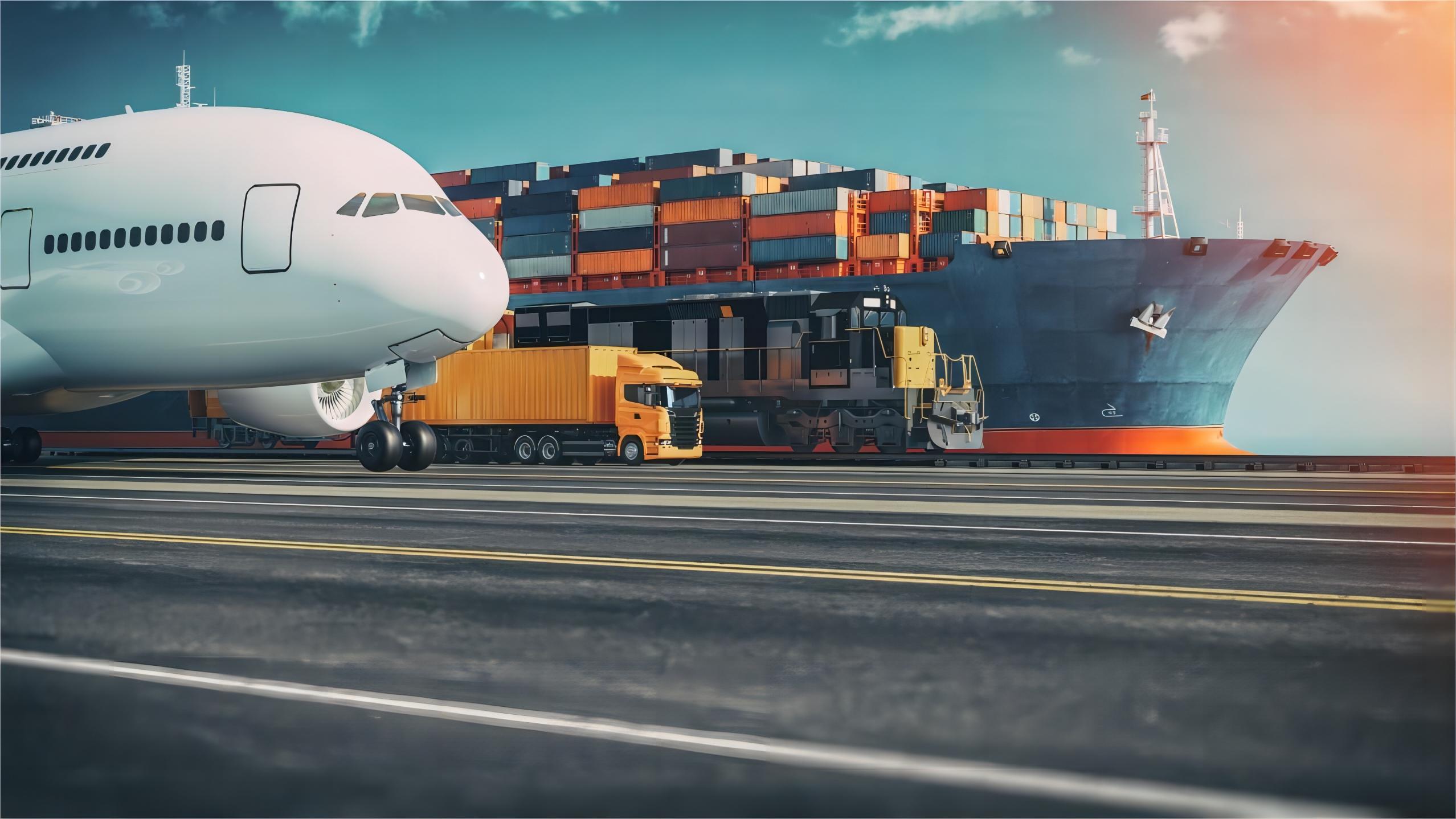
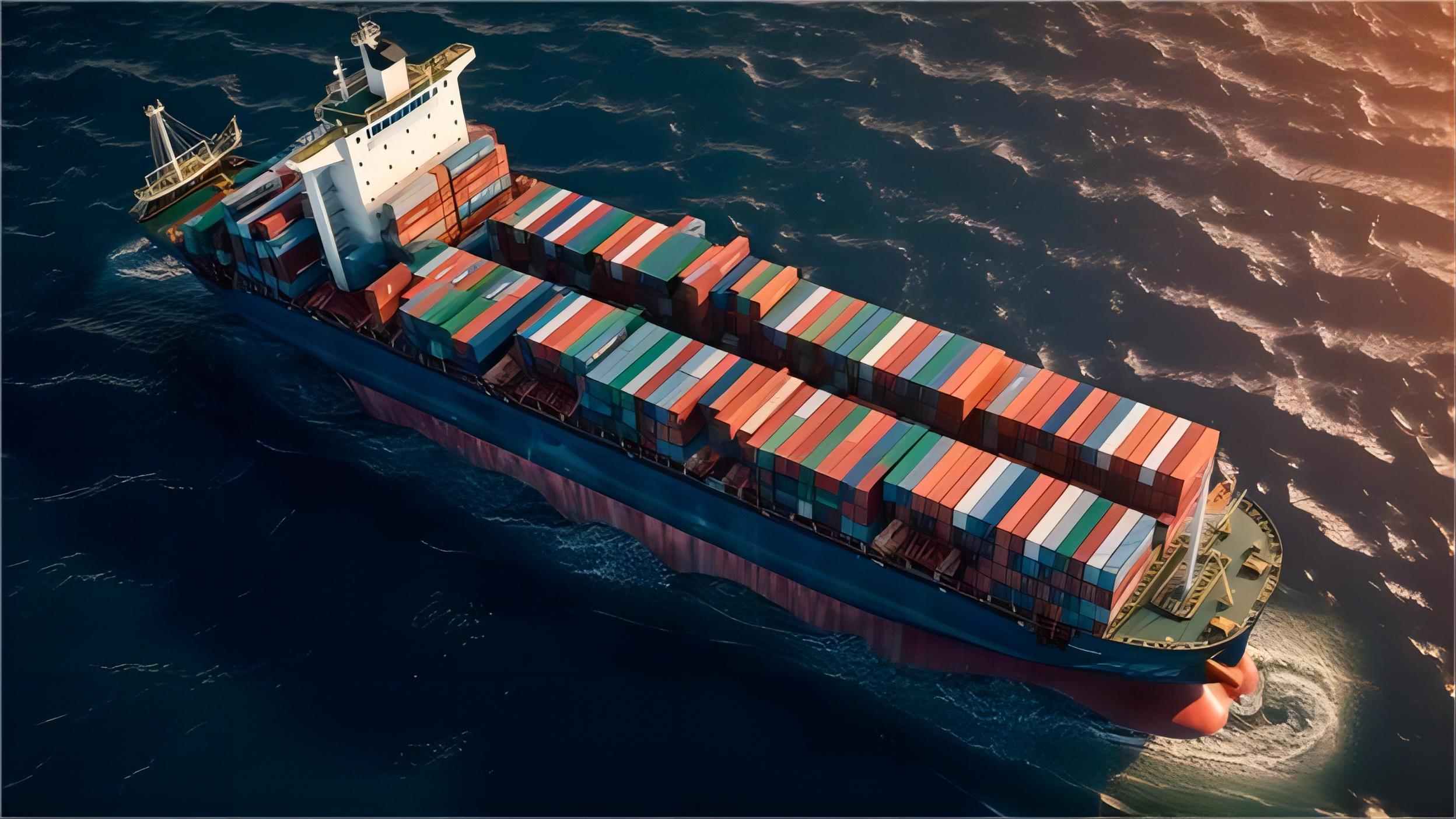
When planning your logistics strategy, it is vital to compare how different transport modes interact with customs procedures. While sea freight is the most economical choice for large volumes, it is also the most susceptible to port-side inspections. The massive scale of maritime terminals means that once a container is flagged, the logistical movement to an inspection bay can take considerable time.
In contrast, air transport often experiences faster clearance due to the time-sensitive nature of the cargo and the smaller volumes involved. Although the costs are significantly higher, the likelihood of a prolonged cargo inspection china export delay is generally lower in air hubs compared to sea ports. This makes air freight a preferred choice for high-value electronics or urgent medical supplies that cannot afford a week-long hold-up.
Alternatively, rail freight has emerged as a balanced middle ground for shipments moving from China to Europe. The customs process at land borders is highly streamlined in 2026, though it still requires meticulous documentation to avoid border delays. Choosing the right mode depends entirely on your budget, the nature of your cargo, and your tolerance for potential transit time variations.
| Shipping Method | Cost Range | Transit Time | Notes |
|---|---|---|---|
| Sea Freight | $1,500 – $4,500 | 14-38 Days | Best for bulk; highest delay risk |
| Air Freight | $5,000 – $15,000 | 3-7 Days | Fastest; expensive; low delay risk |
| Rail Freight | $2,500 – $6,000 | 18-25 Days | Reliable for Europe; mid-range cost |
| Express Service | $200 – $1,000 | 2-5 Days | Best for samples; pre-cleared |
Which Shipping Option Should You Choose?
Selecting the ideal shipping method requires a careful analysis of your specific business needs and the current market conditions. If your primary goal is cost reduction and you have a flexible delivery window, sea freight remains the industry standard despite the risk of a cargo inspection china export delay. However, you must factor in at least a 7-day buffer in your supply chain to account for potential customs interventions.
For businesses prioritizing speed and reliability, air freight is the superior option, especially for seasonal product launches. While the landed cost per unit will increase, the reduced risk of long-term storage fees and lost sales often justifies the investment. Indeed, many companies in 2026 use a hybrid model, sending a small portion of stock via air and the remainder via sea.
Cargo type also dictates the best approach, as hazardous materials or oversized machinery require specialized handling and face more frequent inspections. For these complex shipments, a door to door service can simplify the process by handling all intermediate logistics and customs hurdles on your behalf. Ultimately, the decision should be based on a combination of transit time requirements, cargo sensitivity, and total landed cost projections.
Strategies to Minimize the Risk of a Cargo Inspection China Export Delay
Implementing a rigorous documentation review process is the first step toward ensuring your cargo moves through Chinese ports without issue. Every commercial invoice, packing list, and certificate of origin must be double-checked for accuracy and consistency across all forms. Specifically, ensure that the Harmonized System (HS) codes used are the most current versions for 2026 to avoid classification disputes.
Another effective strategy involves building a strong relationship with a reputable freight forwarder who has local expertise in Chinese customs regulations. These professionals can provide pre-shipment audits of your paperwork and offer advice on how to pack containers to facilitate easier inspections. Consequently, if an inspection does occur, your forwarder can advocate on your behalf and provide the necessary information to officials immediately.
Furthermore, consider the benefits of shipping to different regions based on their current customs efficiency. For instance, shipping from China to Europe might involve different regulatory hurdles than shipping to North America. Staying informed about regional trade agreements and local port conditions allows you to divert cargo to less congested terminals when necessary.
Finally, utilizing technology like GPS trackers and smart seals can provide real-time visibility into your shipment’s status. If a container stops moving at a port for an unusual amount of time, you will know immediately and can contact your agent to investigate. This proactive approach allows you to notify customers of potential delays before they become a major problem for their own operations.
Case Studies: Navigating Real-World Customs Challenges
Case Study 1: Electronics Shipment to Los Angeles. Route: Shenzhen to Los Angeles. Cargo: Smart Home Devices, 65 CBM, 12,000 kg. Container: 40HQ. Shipping Details: Major carrier via direct route. Cost Breakdown: Ocean Freight $3,200, Origin Charges $450, Destination Charges $600, Customs $1,200. Total Landed Cost: $5,450. Timeline: Booking to Loading 4 days, Sea Transit 16 days, Customs Clearance 8 days (due to inspection), Total 28 days. Key Insight: A random physical inspection added 5 days to the timeline, but accurate labeling prevented a longer delay.
Case Study 2: Industrial Machinery to Germany. Route: Ningbo to Hamburg. Cargo: Precision Lathes, 12 CBM, 4,500 kg. Container: LCL. Shipping Details: Transshipment via Singapore. Cost Breakdown: Ocean Freight $1,450, Origin Charges $300, Destination Charges $550, Customs $900. Total Landed Cost: $3,200. Timeline: Booking to Loading 5 days, Sea Transit 32 days, Customs Clearance 2 days, Total 39 days. Key Insight: Despite the long transit time, the documentation was perfect, resulting in immediate customs release without a cargo inspection china export delay.
Note: Freight rates are subject to change based on fuel costs, carrier capacity, and seasonal demand. Contact us for a current quote tailored to your specific shipment.
What Documents Are Required to Avoid a Cargo Inspection China Export Delay?
Maintaining a comprehensive set of documents is the best defense against prolonged customs holds in 2026. The core requirements include the Commercial Invoice, Packing List, Bill of Lading, and the Export License. Depending on the product category, you may also need specialized certificates such as the CCC (China Compulsory Certificate) for electronics or phytosanitary certificates for agricultural goods.
To clarify, the packing list must be incredibly detailed, specifying the contents of every individual carton within the container. If a customs agent finds an item not listed on the paperwork, it can lead to a total cargo inspection china export delay and potential fines. Therefore, ensuring that your warehouse team and your documentation team are perfectly aligned is critical for export success.
Moreover, the Bill of Lading must accurately reflect the weight and volume measurements provided in the other documents. Any discrepancy between the carrier’s weight and the shipper’s declared weight is a major red flag for customs officials. Consequently, using certified scales and professional packing services can help eliminate these common errors before the cargo reaches the port.
| Document Name | Purpose | Critical Detail | Delay Risk |
|---|---|---|---|
| Commercial Invoice | Value declaration | Correct HS Codes | High |
| Packing List | Content verification | Carton-level detail | High |
| Bill of Lading | Title to goods | Accurate weights | Medium |
| Export License | Legal permission | Validity dates | Extreme |
Managing Your Export Strategy for 2026
To summarize, avoiding a cargo inspection china export delay requires a combination of meticulous planning, accurate documentation, and the right logistical partnerships. While customs inspections are an inherent part of international trade, their impact can be significantly mitigated through proactive management. By staying informed about 2026 regulations and maintaining high standards of compliance, you can ensure that your goods reach their destination on time.
Ultimately, the goal is to create a resilient supply chain that can withstand occasional disruptions without compromising your business objectives. Whether you choose sea, air, or rail freight, the key is to remain flexible and prepared for any regulatory changes. Partnering with a professional logistics provider will give you the peace of mind needed to focus on growing your business in the global marketplace.
Need a tailored shipping solution?
If you are concerned about a cargo inspection china export delay, our expert logistics team is here to help you navigate the 2026 shipping landscape. We provide comprehensive freight forwarding and customs support to ensure your goods move efficiently across borders. Contact us today to receive a customized quote and learn how we can optimize your global supply chain.