

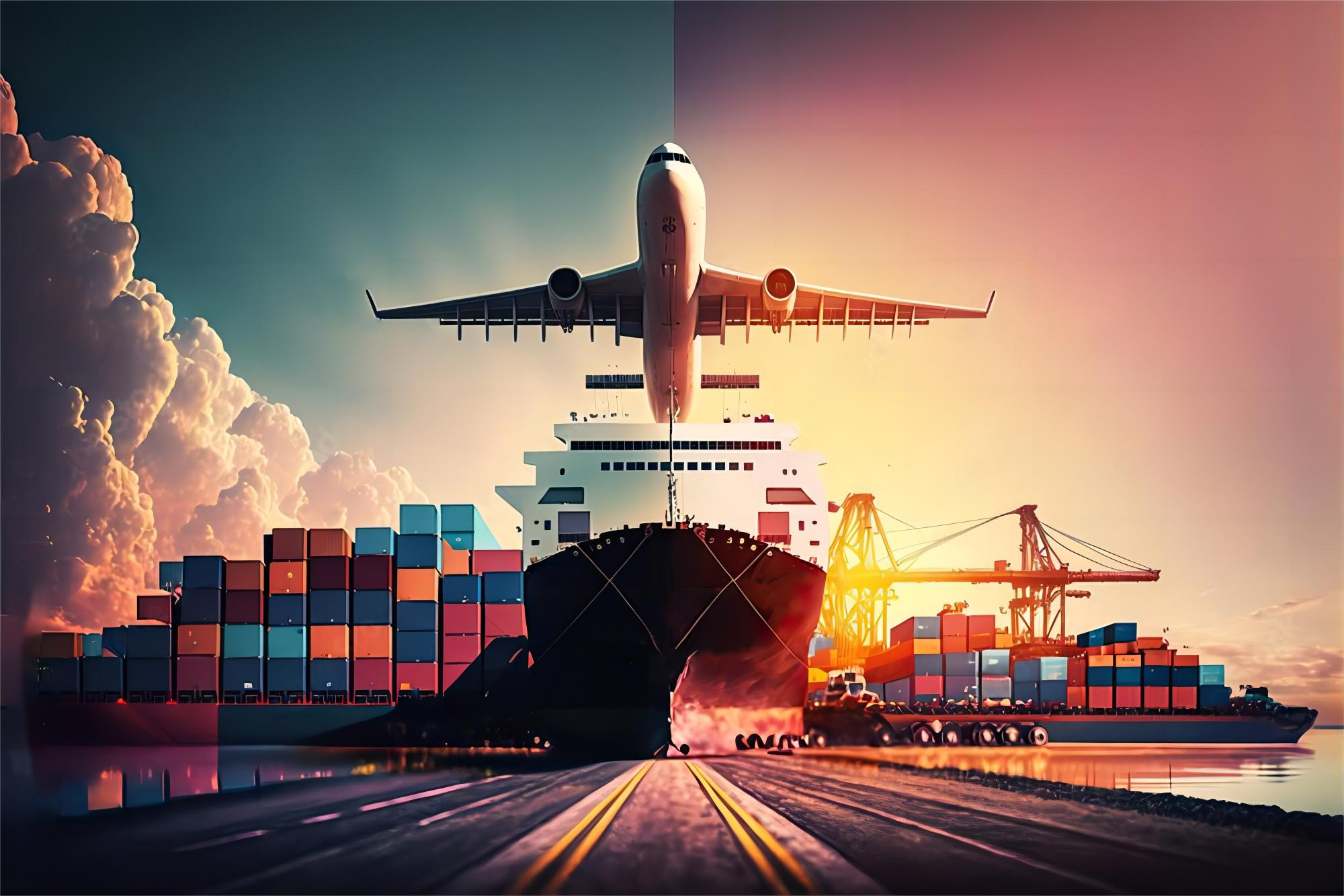
China Cargo Shipping Rail Sea Air Freight Forwarder 2026 Guide
Navigating the complexities of international logistics requires a reliable China cargo shipping rail sea air freight forwarder to ensure your goods arrive safely and on time. As global trade dynamics shift in 2026, businesses must adapt to new supply chain challenges by choosing the most efficient transport modes available. At alichinafreight.com, we provide integrated solutions that streamline the movement of goods from major Chinese manufacturing hubs to every corner of the globe. This guide explores the diverse options available for modern importers who seek to balance cost, speed, and reliability in their shipping operations.
How Does Sea Freight Compare to Other Shipping Options?
Sea freight remains the backbone of international trade because it offers the lowest cost per unit for large volumes of goods. Businesses typically choose this method when shipping bulky items or high-quantity orders that do not require immediate delivery. Furthermore, ocean transport provides the capacity to handle hazardous materials and oversized machinery that other modes cannot accommodate easily.
In contrast, the primary trade-off for these low rates is the significantly longer transit time compared to air or rail alternatives. Consequently, companies must plan their inventory cycles months in advance to account for potential port congestion or seasonal weather delays. Nevertheless, sea freight continues to be the most sustainable and economical choice for the majority of global shipments departing from China.
Consider utilizing sea freight when your priority is maintaining a healthy profit margin through reduced logistics overhead. We recommend this option for shipments exceeding 15 cubic meters where the timeline allows for a three to six-week delivery window. Indeed, the stability of ocean carrier schedules in 2026 has improved the predictability of these long-haul routes.
Market data suggests that ocean freight rates have stabilized in early 2026, making it an ideal time to secure long-term contracts. However, shippers should remain aware of fluctuating fuel surcharges that can impact the final landed cost. Therefore, working with an experienced freight forwarder is essential to navigate these pricing nuances and ensure space protection during peak seasons.
| Shipping Method | Cost Range | Transit Time | Best For |
|---|---|---|---|
| Sea Freight (FCL) | $1,500 – $6,000 | 14 – 45 Days | Bulk & Heavy Goods |
| Air Freight | $4.50 – $12.00/kg | 3 – 8 Days | Urgent & High Value |
| Rail Freight | $2,500 – $4,800 | 15 – 22 Days | Mid-range Budget |
| Express | $8.00 – $18.00/kg | 2 – 5 Days | Small Packages |
The Strategic Importance of a China Cargo Shipping Rail Sea Air Freight Forwarder
Choosing a versatile China cargo shipping rail sea air freight forwarder allows your business to pivot between different transport modes as market conditions change. For example, if a sudden demand spike occurs, your logistics partner can quickly shift cargo from sea to air to meet customer expectations. Moreover, a multi-modal forwarder provides a single point of contact for complex supply chains involving multiple origins and destinations.
Additionally, an expert forwarder handles the intricate details of local trucking, warehousing, and consolidation within China. They ensure that your goods are properly packaged and labeled according to international standards before they ever leave the factory floor. As a result, you minimize the risk of damage or delays caused by improper handling during the initial stages of transit.
Meanwhile, the integration of advanced tracking technology in 2026 allows for real-time visibility across all shipping platforms. This transparency enables importers to manage their inventory levels more effectively and provide accurate updates to their own clients. Without a doubt, the right logistics partner acts as an extension of your own operations team, providing peace of mind in a volatile global market.
Optimizing Speed with Air Freight Solutions
When time is the most critical factor, air freight provides the fastest connection between China and global markets. This method is particularly beneficial for high-value electronics, fashion items, and perishable goods that lose value over time. Furthermore, the reduced transit time significantly lowers the insurance premiums associated with long-duration transport.
However, the higher cost of air transport means it should be used strategically to avoid eroding your profit margins. Many companies utilize air shipping for initial product launches or to replenish stock quickly when sea freight shipments are delayed. Consequently, maintaining a balance between air and ocean modes is a common strategy for successful inventory management.
According to industry benchmarks, air freight remains the most reliable method for meeting strict delivery deadlines in 2026. While prices are higher, the speed of clearance at major airports often compensates for the initial expense. Indeed, for shipments under 300 kilograms, the price gap between air and sea becomes much narrower when considering total door-to-door costs.
The Rise of Rail Freight as a Middle-Ground Alternative
Rail freight has emerged as a powerful alternative for shipments moving from China to Europe, offering a perfect balance between speed and cost. This method is roughly twice as fast as sea freight while costing significantly less than air transport. Additionally, rail freight is considered a more environmentally friendly option, appealing to companies with strict carbon footprint goals.
Transit times for rail routes have become increasingly consistent as infrastructure improvements across Central Asia continue to mature. Therefore, businesses can expect their containers to arrive at major European hubs like Warsaw or Hamburg within 18 to 22 days. Moreover, rail transport is less susceptible to the weather-related disruptions that often affect maritime and aviation routes.
Nevertheless, rail freight is primarily available for inland routes and may not be an option for destinations in North America or Australia. For these regions, sea-air hybrid solutions are often used to achieve similar middle-ground results. Without a doubt, the diversification of transport routes through rail has revolutionized the way China cargo shipping rail sea air freight forwarder services operate in the modern era.
Navigating Customs Brokerage and Compliance in 2026
Proper documentation is the foundation of any successful international shipment, regardless of the transport mode chosen. Working with a professional customs brokerage service ensures that your goods comply with all local and international regulations. This expertise is vital for avoiding costly fines, storage fees, and lengthy delays at the border.
Furthermore, customs regulations frequently change, and a dedicated broker stays updated on the latest tariff codes and trade agreements. They manage the submission of commercial invoices, packing lists, and certificates of origin to ensure a smooth clearance process. Consequently, your cargo can move through the port of entry without unnecessary inspections or administrative hurdles.
In addition to standard documentation, certain products require specific licenses or permits depending on the destination country. For instance, medical devices and food products often face stricter scrutiny from health authorities. Therefore, engaging your freight forwarder early in the procurement process allows for a thorough review of all compliance requirements before the goods are shipped.
| Document Name | Purpose | Required For | Issuer |
|---|---|---|---|
| Commercial Invoice | Value Declaration | All Shipments | Seller/Exporter |
| Packing List | Content Detail | All Shipments | Seller/Exporter |
| Bill of Lading | Title of Goods | Sea/Rail Freight | Carrier |
| Certificate of Origin | Tariff Calculation | Specific Trade Zones | Chamber of Commerce |
Case Study 1: Electronics Distribution to Europe
Route: Shenzhen, China to Hamburg, Germany. Cargo: Consumer Electronics, 28 CBM, 4,500 kg. Container: 40HQ. Shipping Method: Rail Freight. Carrier: China-Europe Railway Express. Port of Loading: Xi’an Inland Port. Port of Discharge: Hamburg Billwerder. Route Type: Direct via Kazakhstan and Russia.
Cost Breakdown: Rail Freight: $4,200. Origin Charges: $450. Destination Charges: $600. Customs and Duties: $1,200. Total Landed Cost: $6,450. Timeline: Booking to Loading: 3 days. Rail Transit: 19 days. Customs Clearance: 2 days. Total Door-to-Door: 24 days.
Key Insight: This shipment utilized rail to bypass sea freight delays during the Q4 peak season. Based on early 2026 market rates, the client saved $8,000 compared to air freight while arriving 15 days faster than the ocean route.
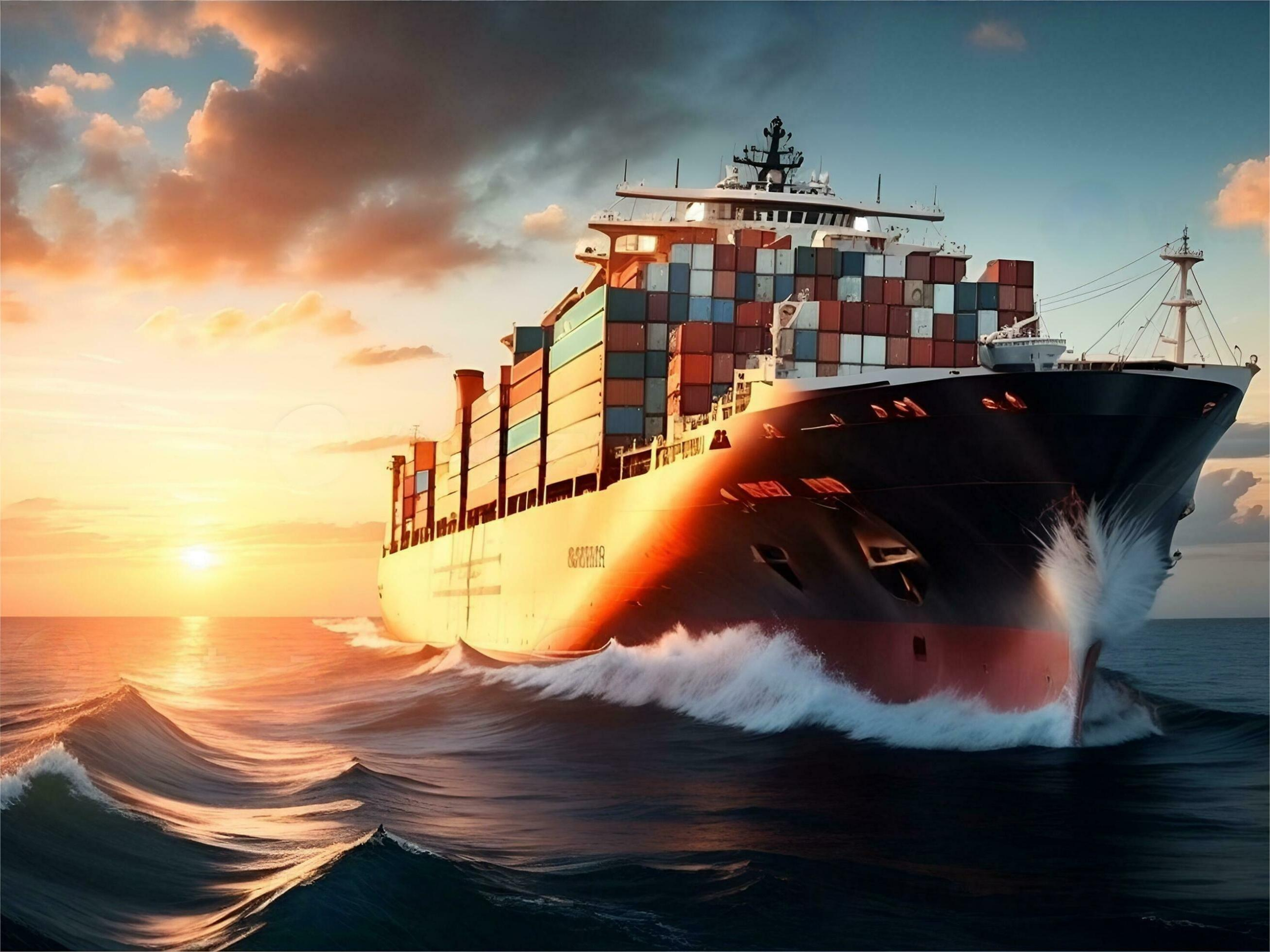
Case Study 2: Industrial Machinery to USA West Coast
Route: Shanghai, China to Los Angeles, USA. Cargo: CNC Machinery, 12 CBM, 3,200 kg. Container: LCL (Less than Container Load). Shipping Method: Sea Freight. Carrier: COSCO. Port of Loading: Shanghai. Port of Discharge: Los Angeles. Route Type: Direct.
Cost Breakdown: Ocean Freight: $1,150. Origin Charges: $380. Destination Charges: $550. Customs and Duties: $2,100. Total Landed Cost: $4,180. Timeline: Booking to Loading: 5 days. Sea Transit: 16 days. Customs Clearance: 4 days. Total Door-to-Door: 25 days.
Key Insight: Using LCL allowed the client to ship a smaller volume without paying for a full 20GP container. Typical rates as of Q1 2026 show that direct Shanghai-LA routes remain the most cost-effective for West Coast entries.
Case Study 3: Urgent Fashion Apparel to Australia
Route: Guangzhou, China to Sydney, Australia. Cargo: Seasonal Clothing, 2 CBM, 450 kg. Container: Loose Air Cargo. Shipping Method: Air Freight. Carrier: China Southern Airlines. Port of Loading: Guangzhou Baiyun. Port of Discharge: Sydney Kingsford Smith. Route Type: Direct.
Cost Breakdown: Air Freight: $2,475. Origin Charges: $150. Destination Charges: $220. Customs and Duties: $400. Total Landed Cost: $3,245. Timeline: Booking to Loading: 1 day. Air Transit: 1 day. Customs Clearance: 1 day. Total Door-to-Door: 3 days.
Key Insight: The client needed to meet a retail launch date that was moved forward. While the cost per kilogram was high, the rapid delivery prevented lost sales and contractual penalties with the Australian retailer.
Maximizing Efficiency with Door to Door Logistics
The most convenient way to manage international trade is through a door to door service model. This comprehensive approach covers every step of the journey, from the factory floor in China to the final warehouse destination. Consequently, importers can focus on their core business activities while the China cargo shipping rail sea air freight forwarder handles the logistics heavy lifting.
Moreover, door-to-door shipping simplifies the billing process by providing a single all-in quote that includes all transport and handling fees. This transparency helps businesses accurately calculate their landed costs and set appropriate retail prices. Furthermore, it reduces the likelihood of communication gaps between different service providers in the supply chain.
Transitioning to an integrated logistics model often results in faster overall transit times because the forwarder controls every link in the chain. For instance, they can pre-arrange trucking and customs clearance before the cargo even arrives at the destination port. Indeed, this proactive management is essential for maintaining a competitive edge in the fast-paced market of 2026.
Which Shipping Option Should You Choose?
Selecting the right method depends entirely on your specific business needs, budget, and timeline. If your primary goal is cost-saving and your cargo is not time-sensitive, sea freight is the clear winner for large volumes. On the other hand, if you are shipping high-value items that need to arrive within a week, air freight is the only viable solution.
For those shipping to Europe, rail freight offers a compelling middle ground that balances speed and expense. Additionally, hybrid solutions like sea-air combinations can provide a customized approach for shipments that fall between these standard categories. To summarize, your decision should be based on a careful analysis of your cargo’s characteristics and your customers’ expectations.
Note: Freight rates are subject to change based on fuel costs, carrier capacity, and seasonal demand. Contact us for a current quote tailored to your specific shipment. We recommend getting a fresh quote at least two weeks before your planned shipping date to account for market fluctuations.
The Future of Global Logistics
In conclusion, mastering the nuances of international transport is essential for any business engaged in global trade. Whether you utilize sea, air, or rail, the key to success lies in partnering with a knowledgeable China cargo shipping rail sea air freight forwarder. By understanding the trade-offs between cost and speed, you can build a resilient supply chain that withstands the challenges of the modern market.
Furthermore, staying informed about the latest trends in customs brokerage and door-to-door services will help you navigate the complexities of 2026 logistics. We encourage you to leverage the expertise of Alichinafreight to streamline your operations and ensure your goods reach their destination efficiently. Start planning your next shipment today to take advantage of the most competitive rates and reliable routes available.

Get Your Shipping Quote Today
Are you ready to optimize your supply chain with a professional China cargo shipping rail sea air freight forwarder? Contact our expert team today to receive a customized quote and discover how our integrated logistics solutions can grow your business in 2026. Send Inquiry: Visit alichinafreight.com to get started.
Request Quote