

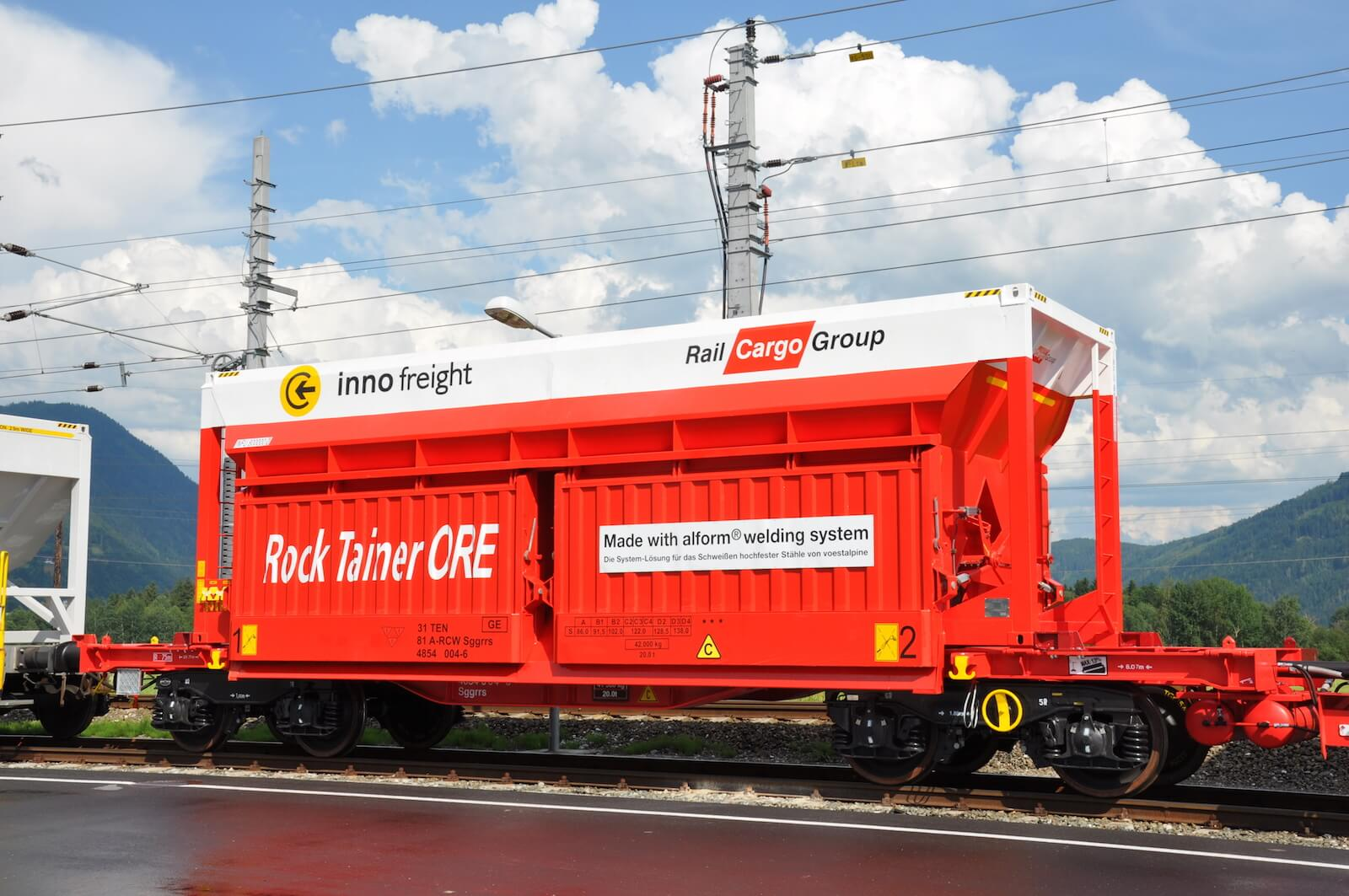
During peak shipping periods, many companies face the same challenge: china europe rail freight peak season booking strategy becomes critical when rail capacity is limited and demand increases rapidly. Without early planning, shipments may experience booking failures, higher costs, or unexpected delays.
Moreover, China-Europe rail freight has become an important alternative between ocean and air transportation because it offers faster delivery than sea freight while maintaining lower costs than air freight. However, peak seasons such as before holidays, major sales events, and year-end inventory periods create strong pressure on available rail capacity.
Therefore, companies need a structured booking approach. This article explains how to reserve rail space earlier, select suitable routes, prepare documents, and work with experienced logistics partners to improve supply chain performance.

What Is the Best China Europe Rail Freight Peak Season Booking Strategy?
A successful china europe rail freight peak season booking strategy starts with early forecasting, flexible planning, and accurate communication with logistics providers. However, many companies only arrange shipments after receiving urgent orders, which creates unnecessary risks.
Generally, peak season rail demand increases because manufacturers and retailers need faster inventory replenishment before important sales periods. Therefore, companies should prepare transportation plans several weeks or months in advance.
| Planning Stage | Recommended Action | Benefit |
|---|---|---|
| 8–12 weeks before shipment | Forecast cargo volume | Secure expected capacity |
| 4–8 weeks before shipment | Confirm booking with forwarder | Reduce space shortage risks |
| 2–4 weeks before departure | Prepare documents | Avoid customs delays |
| Before loading | Verify route and schedule | Improve delivery reliability |
Moreover, businesses should avoid relying on a single departure option. Multiple rail routes, flexible loading dates, and alternative terminals can provide better protection during busy periods.
How Can Businesses Reserve China Europe Rail Freight Capacity During Peak Season?
Many companies search for how to book China Europe rail freight during peak season because capacity shortages are one of the biggest challenges. However, securing space requires more than simply submitting a booking request.
Firstly, companies should communicate estimated cargo volume with freight forwarders early. Additionally, providing shipment details such as container type, destination, and preferred departure date helps logistics providers arrange suitable solutions.
Key Factors Affecting Rail Capacity Availability
| Factor | Influence on Booking |
|---|---|
| Route popularity | High-demand routes fill faster |
| Cargo volume | Larger shipments require earlier reservation |
| Season timing | Holiday periods create stronger demand |
| Terminal capacity | Congestion may affect schedules |
| Equipment availability | Container shortages may delay loading |
Furthermore, companies can improve booking success by using experienced China-Europe rail freight providers with access to multiple railway networks.
For example, flexible departure options through different border crossings can reduce dependence on one route. Consequently, businesses can maintain stable transportation even during peak periods.
Why Does China Europe Rail Freight Peak Season Booking Strategy Require Early Planning?
Early planning is essential because China-Europe rail freight peak seasons often create a gap between available capacity and shipping demand. Moreover, late bookings usually result in limited route choices and increased transportation expenses.
Compared with ocean freight, rail freight has shorter transit times. However, railway networks still depend on fixed schedules, terminal capacity, customs procedures, and international coordination.
| Transportation Method | Average Transit Time | Peak Season Risk |
|---|---|---|
| Air Freight | 5–10 days | High cost increase |
| China-Europe Rail Freight | 12–20 days | Capacity shortage |
| Ocean Freight | 30–45 days | Port congestion |
Therefore, companies should establish a seasonal shipping calendar based on historical demand.
Additionally, businesses should analyze previous shipment data, including:
- Monthly cargo volume
- Popular destinations
- Average transit times
- Previous delays
- Peak freight rate changes
This information allows companies to create more accurate booking forecasts and reduce emergency transportation decisions.
How Can Companies Reduce China Europe Rail Freight Peak Season Delays?
A strong china europe rail freight peak season booking strategy should include delay prevention methods. Although rail freight is generally reliable, several factors can affect delivery schedules.
Moreover, customs inspections, border procedures, and terminal congestion may increase transit times during busy periods.
Common Causes of Peak Season Delays
| Delay Cause | Solution |
|---|---|
| Limited train capacity | Reserve space earlier |
| Customs document errors | Check documents before departure |
| Border congestion | Select alternative routes |
| Container shortage | Confirm equipment availability |
| Poor communication | Maintain regular shipment tracking |
Furthermore, companies should prepare backup plans instead of depending on one transportation option.
For instance, if one railway route experiences congestion, a multimodal solution combining rail and trucking may provide faster recovery.
Additionally, professional freight forwarders can monitor schedules, coordinate customs clearance, and provide real-time updates. Therefore, choosing the right logistics partner is a key part of peak season risk management.
What Factors Should Be Included in a China Europe Rail Freight Peak Season Booking Strategy?
A complete china europe rail freight peak season booking strategy should consider transportation routes, cargo characteristics, documentation, and cost control. However, many companies focus only on booking dates and overlook other factors that influence shipment performance.
Moreover, peak season success depends on coordination between suppliers, freight forwarders, customs teams, and final delivery partners.
Essential Booking Preparation Checklist
| Preparation Item | Purpose | Recommended Timing |
|---|---|---|
| Cargo forecast | Estimate required rail capacity | 2–3 months before shipment |
| Route selection | Choose reliable transportation options | Before booking |
| HS code verification | Prevent customs problems | Before cargo departure |
| Commercial invoice preparation | Support customs clearance | Before loading |
| Packing list confirmation | Ensure accurate cargo information | Before shipment |
| Insurance arrangement | Reduce financial risks | Before transportation |
Furthermore, companies should evaluate different rail routes based on destination requirements.
| Route Option | Advantages | Suitable Cargo |
|---|---|---|
| China–Kazakhstan–Europe Route | Stable and widely used | General cargo, machinery |
| China–Russia–Europe Route | Multiple connections | Industrial products |
| Multimodal Rail Route | Flexible delivery options | Time-sensitive cargo |
Therefore, a detailed preparation process helps companies secure capacity and avoid unnecessary disruptions during peak seasons.
How Can Freight Forwarders Improve China Europe Rail Freight Peak Season Booking Strategy?
Freight forwarders play an important role in managing peak season rail transportation. Although companies can arrange shipments independently, experienced logistics providers usually have better access to railway resources and operational information.
Moreover, professional freight forwarders can optimize booking decisions through network management, customs support, and alternative solutions.
How Freight Forwarders Support Peak Season Shipping
| Service | Business Value |
|---|---|
| Capacity forecasting | Helps reserve space earlier |
| Route optimization | Reduces delay risks |
| Customs coordination | Improves clearance efficiency |
| Shipment tracking | Provides real-time updates |
| Emergency solutions | Handles unexpected disruptions |
Additionally, reliable providers can recommend the most suitable shipping method based on urgency and budget.
For example:
| Customer Requirement | Recommended Solution |
|---|---|
| Lowest transportation cost | Rail freight with flexible schedule |
| Faster delivery | Premium rail service |
| Urgent inventory replenishment | Rail + air combination |
| Large cargo volume | Block train solutions |
Consequently, cooperation with experienced freight forwarders allows companies to create a more flexible and reliable china europe rail freight peak season booking strategy.
China Europe Rail Freight Peak Season Booking Strategy Case Study: Avoiding Capacity Shortage
Case Study Card
| Project Details | Information |
|---|---|
| Origin | Shenzhen, China |
| Destination | Hamburg, Germany |
| Cargo | Electronic components |
| Transit Time | 16 days |
| Cost | Approx. USD 8,500 per 40HQ container |
| Transportation Method | China-Europe rail freight + local trucking |
| Customs Clearance Details | HS code verification completed before departure; documents prepared in advance |
| Brief Overview | The importer faced peak season capacity shortages before the holiday sales period. By applying an early booking strategy and reserving rail space six weeks ahead, the shipment avoided delays and maintained inventory availability. |
How Can Companies Control China Europe Rail Freight Peak Season Costs?
Cost management is another important part of a china europe rail freight peak season booking strategy. However, freight prices usually increase when demand exceeds available capacity.
Therefore, businesses should focus on long-term planning rather than booking urgent shipments.
Main Factors Affecting Peak Season Rail Freight Costs
| Cost Factor | Impact |
|---|---|
| Cargo volume | Larger shipments may reduce unit costs |
| Booking timing | Late booking usually increases rates |
| Route selection | Different routes have different prices |
| Container availability | Equipment shortages may increase costs |
| Additional services | Customs and storage affect total expenses |
Moreover, companies can control costs through several methods:
- Reserve capacity before peak demand starts
- Combine shipments when possible
- Compare multiple rail routes
- Avoid last-minute schedule changes
- Work with experienced freight partners
Additionally, companies should compare rail freight with other transportation methods.
| Method | Cost Level | Delivery Speed | Best Use |
|---|---|---|---|
| Air Freight | Highest | Fastest | Emergency shipments |
| Rail Freight | Medium | Medium-fast | Balanced cost and speed |
| Ocean Freight | Lowest | Slowest | Large-volume cargo |
Consequently, rail freight provides a practical balance for companies that need reliable delivery without excessive transportation expenses.
Conclusion
A successful china europe rail freight peak season booking strategy helps businesses secure transportation capacity, control logistics costs, and avoid supply chain disruptions. Moreover, early forecasting, proper documentation, flexible routing, and experienced logistics support are essential during high-demand periods.
However, peak season challenges cannot be completely eliminated without preparation. Therefore, companies should develop advance booking plans, monitor capacity changes, and cooperate with reliable freight forwarders.
By applying a structured approach, businesses can improve delivery reliability and maintain stable China-Europe supply chains even during the busiest shipping periods.
FAQ:
Q1.When should I book China-Europe rail freight during peak season?
Businesses should usually reserve China-Europe rail freight space 4–12 weeks earlier because peak periods often create capacity shortages and limited route availability.
Q2.Is China-Europe rail freight cheaper during peak season?
No. Peak season rail freight rates usually increase because demand rises. Early booking and flexible planning help reduce additional transportation costs.
Q3.How long does China-Europe rail freight take during peak season?
Transit time usually ranges from 12–20 days, although customs checks, border congestion, and terminal conditions may extend delivery schedules.
Q4.What documents are required for China-Europe rail freight?
Common documents include commercial invoices, packing lists, HS codes, and customs declarations. Accurate documentation helps prevent clearance delays.
Q5.How do I choose a China-Europe rail freight forwarder?
Select a forwarder with railway network experience, peak season capacity access, customs expertise, and strong shipment tracking capabilities.