


China export customs clearance inspection delay solution service: 2026 Guide
Managing international trade requires navigating complex regulatory landscapes that often lead to unexpected shipping hurdles. Many businesses face significant financial losses when their cargo gets held at the border due to paperwork errors or random spot checks. Partnering with a professional logistics provider like DSV-Freight ensures your supply chain remains resilient against these interruptions. This guide explores how a China export customs clearance inspection delay solution service can protect your bottom line and keep your goods moving efficiently across the globe in 2026.
What is a China export customs clearance inspection delay solution service?
A China export customs clearance inspection delay solution service is a specialized logistics offering designed to mitigate risks associated with government audits. These services focus on proactive compliance management and rapid response strategies when cargo is flagged for review. Consequently, businesses can avoid the steep storage fees and missed delivery windows that typically follow a customs hold.
In 2026, the complexity of international trade regulations has increased, making these services more vital than ever for global importers. Professional providers utilize advanced software to verify HS code accuracy and ensure all digital filings match physical cargo perfectly. Therefore, the likelihood of a discrepancy during a physical inspection decreases significantly.
Furthermore, these services offer direct mediation between the shipper and the General Administration of Customs (GAC). Instead of waiting days for notification, a dedicated service provider receives real-time alerts and can submit missing documentation or clarifications immediately. This proactive approach transforms a potential two-week delay into a minor 48-hour pause.
Ultimately, investing in a comprehensive solution allows companies to focus on their core operations rather than getting bogged down in administrative disputes. By leveraging industry expertise, you ensure that every shipment adheres to the latest 2026 export protocols and trade agreements.
Why do China export customs inspections happen in 2026?
Customs inspections serve several purposes, ranging from tax revenue verification to the prevention of illegal exports. In the current 2026 market, authorities have implemented stricter environmental and safety standards for manufactured goods leaving the country. Accordingly, shipments that lack the necessary certifications for green energy or battery safety are frequently targeted for detailed review.
Documentation errors remain the primary cause of most delays. Specifically, discrepancies between the commercial invoice and the packing list often trigger an automatic red flag in the customs digital system. Meanwhile, incorrect HS code classification can lead to allegations of tax evasion, even if the error was unintentional.
Additionally, random spot checks are a standard part of port security measures. While these cannot be entirely avoided, having a robust China export customs clearance inspection delay solution service ensures that your paperwork is so organized that the inspection proceeds without complication. Indeed, well-documented cargo is released much faster than shipments with vague descriptions.
Port congestion also plays a role in how inspections are handled. During peak seasons, such as the lead-up to the Lunar New Year, the volume of cargo can overwhelm local authorities. Consequently, any shipment with even a minor flaw is set aside to keep the main flow of traffic moving, leading to extended wait times.
How Does Sea Freight Compare to Other Shipping Options?
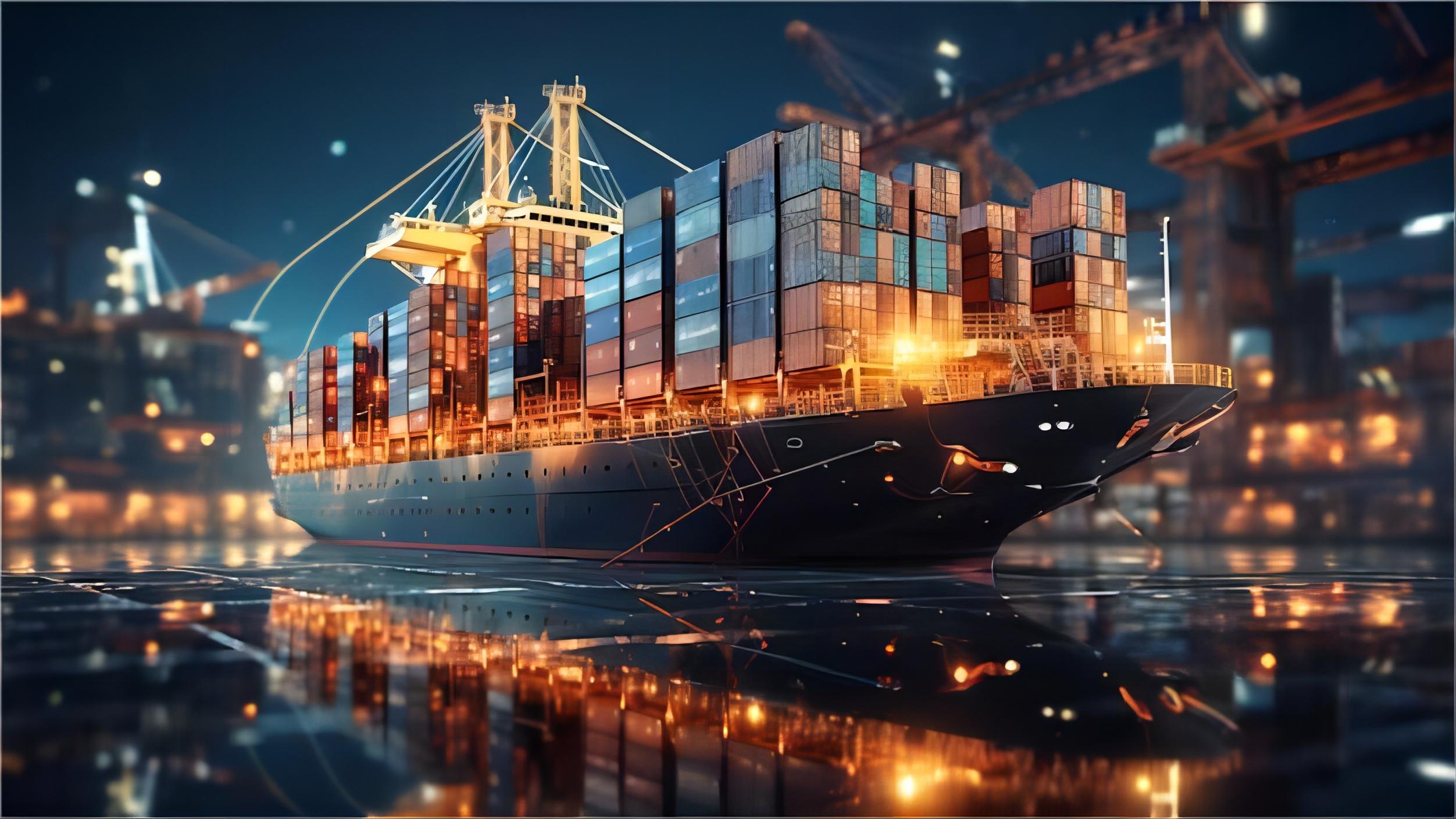
When evaluating your logistics strategy, it is essential to compare the various modes of transport available for your specific route. While sea freight is the most common method for bulk goods, it is also the most susceptible to port-side inspection delays. However, its cost-effectiveness remains unmatched for high-volume traders.
In contrast, air freight offers speed but comes at a much higher price point. For urgent shipments where a delay could result in a production shutdown, the premium cost is often justified. Nevertheless, air cargo is still subject to strict security screenings that can mirror the customs inspection process.
Rail freight has emerged as a middle-ground solution for shipments destined for Europe and Central Asia. It offers faster transit than the ocean but is more affordable than the air. Each method has unique customs requirements that must be managed to avoid bottlenecks at border crossings.
| Shipping Method | Cost Range (USD) | Transit Time | Best For | Limitations |
|---|---|---|---|---|
| Sea Freight (40HQ) | $3,000 – $4,500 | 25-40 Days | Bulk Goods | Port Congestion |
| Air Freight (per kg) | $4.50 – $8.00 | 3-7 Days | High Value | Weight Limits |
| Rail Freight (FCL) | $2,200 – $3,500 | 15-22 Days | Europe Routes | Fixed Tracks |
| Express Service | $8.00 – $15.00 | 2-4 Days | Samples/Docs | Very Expensive |

Alternative Strategies for Reducing Customs Friction
To minimize the impact of a China export customs clearance inspection delay solution service, shippers should consider diversifying their logistics portfolio. For instance, using a sea-air hybrid model can bypass congested ports while keeping costs lower than pure air transport. This strategy involves shipping by sea to a regional hub and then flying the goods to the final destination.
Another effective approach is the use of LCL (Less than Container Load) for smaller volumes. While LCL involves sharing space with other shippers, it allows for more frequent shipments, which spreads the risk of a total inventory hold. If one container is inspected, only a portion of your stock is delayed rather than your entire monthly supply.
Direct routes are generally preferred over transshipment options to reduce the number of customs jurisdictions involved. Although direct shipping might cost 10-15% more, it eliminates the risk of delays in secondary ports like Singapore or Busan. Therefore, the higher upfront cost often results in lower overall landed costs by avoiding demurrage fees.
The Critical Role of Professional Customs Brokerage
Engaging a professional customs brokerage is perhaps the most effective way to ensure smooth exports. These experts stay updated on the latest 2026 regulatory changes and maintain strong relationships with port authorities. Consequently, they can often resolve minor issues before they escalate into formal inspections.
Moreover, a broker can perform a pre-shipment audit of your documentation. This includes verifying that the commercial invoice, packing list, and certificate of origin are all perfectly aligned. For instance, they ensure that the declared value of the goods matches market benchmarks to avoid valuation disputes with customs officers.
Digital integration has also revolutionized the brokerage industry. Modern brokers use AI-driven tools to scan for potential compliance risks in your shipping data. By identifying these issues early, you can implement a China export customs clearance inspection delay solution service strategy that prevents the delay from ever occurring.
Implementing Door to Door Solutions for Greater Control
Many importers are moving toward door to door shipping models to simplify their supply chains. This service covers every step of the journey, from the factory floor in China to the final warehouse destination. By using a single provider for the entire process, communication gaps that lead to customs errors are virtually eliminated.
In addition, door-to-door services often include integrated customs handling as part of the package. This means the logistics provider takes full responsibility for the accuracy of the export filings. If an inspection does occur, the provider manages the entire resolution process, saving the importer significant time and stress.
For businesses selling on global platforms, Amazon FBA logistics require even stricter adherence to customs rules. A specialized door-to-door service tailored for e-commerce ensures that your inventory reaches fulfillment centers without being blocked by customs authorities. This reliability is crucial for maintaining high seller ratings and consistent stock levels.

| Document Type | Required For | Key Data Points | Common Error |
|---|---|---|---|
| Commercial Invoice | All Shipments | Value, Currency, Terms | Value Mismatch |
| Packing List | All Shipments | Weight, Dimensions | Incorrect Count |
| Certificate of Origin | Tariff Preference | Manufacturing Source | Expired Form |
| Export License | Regulated Goods | License Number | Wrong HS Code |
Real-World Case Studies of Customs Delay Resolution
Examining real-world scenarios provides valuable insight into how professional services handle border challenges. These examples reflect typical market conditions and pricing observed in early 2026. Each case demonstrates the importance of rapid response and accurate documentation in maintaining a functional supply chain.
Case Study 1: Electronics from Shenzhen to Hamburg. A shipment of 500 units of smart home devices was flagged for a random inspection at the Port of Shenzhen. The cargo occupied a 40HQ container with a total sea transit time of 32 days. Upon the hold, the China export customs clearance inspection delay solution service provider submitted the technical safety certificates within four hours. As a result, the inspection was completed in 48 hours instead of the typical 10 days. The total landed cost remained at $4,800, including the $3,800 ocean freight and minor inspection handling fees.
Case Study 2: Textiles from Ningbo to Los Angeles. A shipment of organic cotton apparel faced a delay due to a discrepancy in the declared weight. The cargo was moved via air freight to meet a seasonal launch deadline. The logistics provider identified that the weight difference was due to pallet packaging not being calculated separately. By providing a corrected packing list immediately, the goods cleared customs in Los Angeles within 24 hours. The shipping cost was $6.50 per kg, and the door-to-door timeline was maintained at 6 days.
Note: Freight rates are subject to change based on fuel costs, carrier capacity, and seasonal demand. Contact us for a current quote tailored to your specific shipment.
Decision Framework: Which Shipping Option Should You Choose?
Choosing the right shipping method depends on your specific priorities regarding cost, speed, and risk tolerance. If your primary concern is the lowest possible price, sea freight remains the gold standard. However, you must factor in the potential for a 5-10 day buffer in your schedule to account for potential customs inspections.
For those prioritizing speed and reliability, air freight or express services are the superior choice. These methods are less likely to experience long-term port-side delays but require a much larger budget. If your goods are high-value electronics or perishable items, the reduced transit time significantly lowers the risk of damage or obsolescence.
Finally, consider your cargo volume. For shipments under 15 CBM, LCL is often more economical than a full container. However, if you are moving more than 20 CBM, FCL (Full Container Load) provides better security and often faster customs processing since the container only holds your goods. Always consult with a professional to determine the most efficient path for your 2026 trade operations.
Mastering Your 2026 Export Strategy
Successfully navigating the world of international trade requires more than just finding a carrier; it requires a strategic partner. By implementing a China export customs clearance inspection delay solution service, you can turn a complex regulatory hurdle into a manageable part of your logistics flow. This proactive approach ensures that your goods reach their destination on time and within budget.
Whether you are shipping via sea, air, or rail, the key to success lies in meticulous documentation and expert brokerage. As we move through 2026, staying informed about the latest compliance standards will give your business a significant advantage in the global market. Take control of your supply chain today by prioritizing transparency and efficiency in every shipment.
Need a tailored shipping solution?
Stop letting customs bottlenecks derail your business growth. Contact us today for a professional China export customs clearance inspection delay solution service and secure a competitive freight quote for your next shipment. Visit our inquiry page to get started: Send Inquiry