

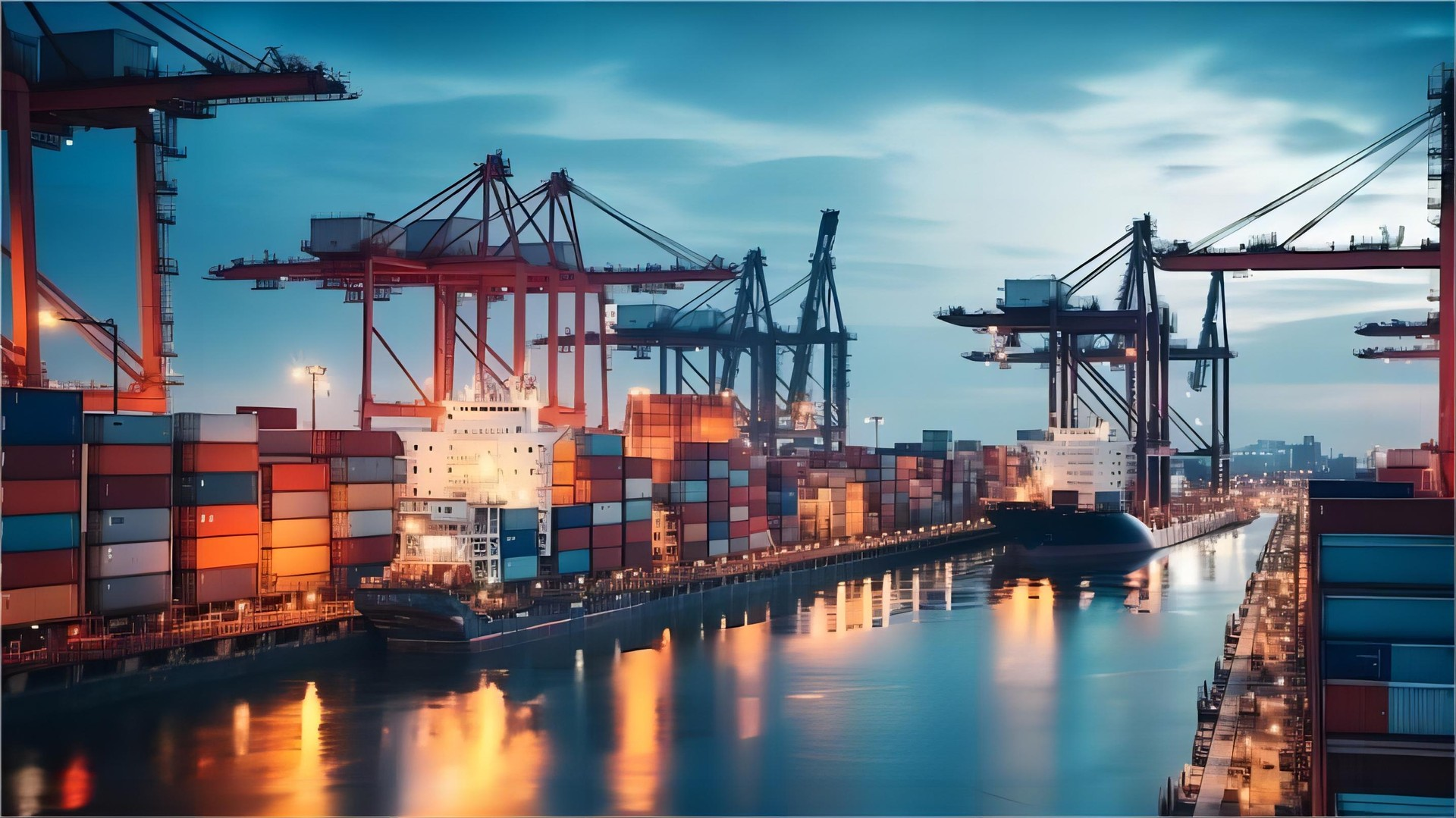
China Export Shipping Warehouse Consolidation Guide for 2026
Managing multiple suppliers across different provinces often leads to fragmented logistics and inflated expenses for international buyers. Implementing a strategic china export shipping warehouse consolidation plan allows you to merge various smaller orders into a single, cost-effective shipment. By visiting alichinafreight.com, businesses can access tailored logistics management China solutions that streamline the entire export process from factory to final destination.
What is China Export Shipping Warehouse Consolidation?
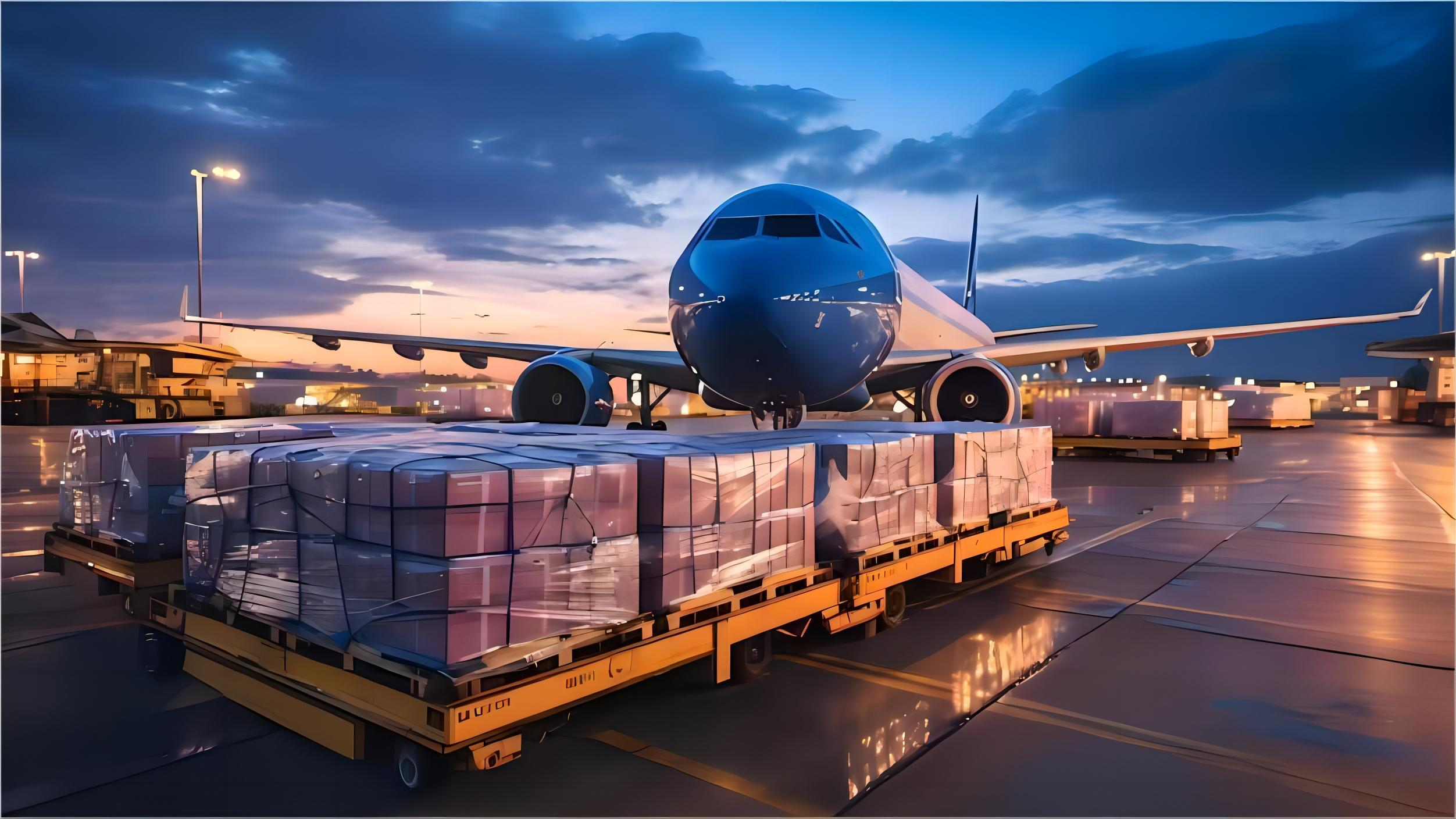
This logistics strategy involves gathering goods from various manufacturers at a centralized hub before they leave the country. Instead of paying for multiple small shipments, you combine them into one full container or a larger Less than Container Load (LCL) batch. Consequently, this method significantly reduces the per-unit cost of transport and simplifies the tracking process for the importer.
Moreover, utilizing sea freight through a consolidation service provides a buffer against fluctuating market rates. Professional forwarders manage the incoming cargo, verify quantities, and ensure that all items are securely packed for the long journey. Therefore, businesses can maintain a leaner inventory while still benefiting from the economies of scale associated with bulk shipping.
The Role of a Bonded Warehouse China
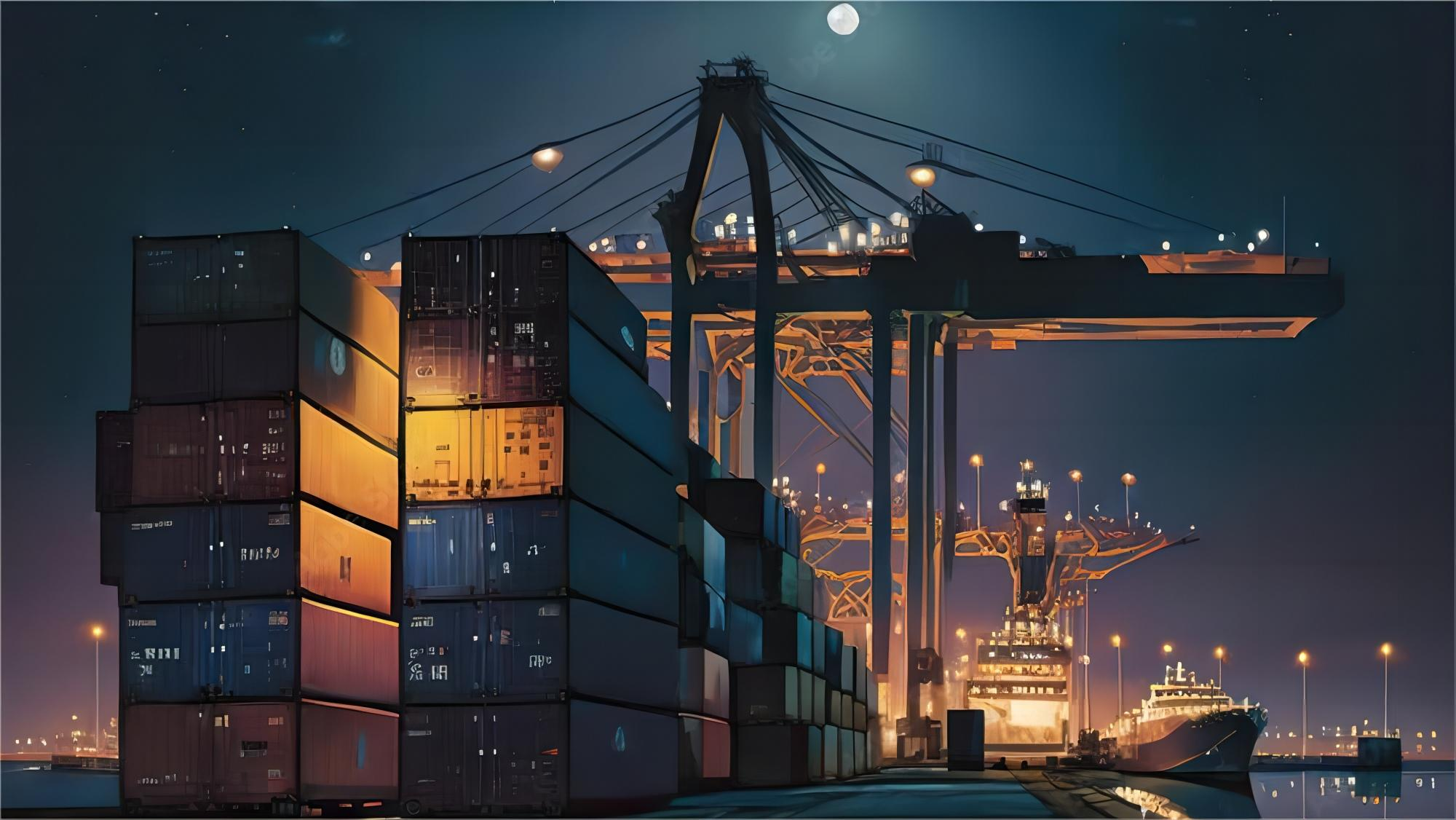
A bonded warehouse China serves as a secure area where goods can be stored without immediately paying duties or taxes. This facility is essential for complex consolidation because it allows for cargo inspection services and repacking before the final export documentation is filed. Furthermore, it provides the flexibility needed to wait for all suppliers to deliver their goods to the hub.
Key Benefits of Multi-Supplier Consolidation China
One of the primary advantages is the drastic reduction in international shipping costs 2026 compared to shipping individual parcels. When you merge orders, you minimize the fixed costs associated with documentation, port handling, and customs entries. Additionally, consolidated shipping rates 2026 are generally more stable because carriers prefer the predictability of high-volume, consolidated containers.
Security is another critical factor that businesses must consider when sourcing from multiple regions. By centralizing goods in a single facility, you can implement standardized quality control checks before the items are sealed in a container. As a result, you reduce the risk of receiving damaged or incorrect goods after they have already crossed the ocean.
| Feature | Direct Shipping | Consolidated Shipping | Impact |
|---|---|---|---|
| Freight Cost | High (Per Parcel) | Low (Bulk Rates) | 30-50% Savings |
| Customs Fees | Multiple Entries | Single Entry | Lower Admin Costs |
| Handling Risk | Frequent Loading | Single Loading | Reduced Damage |
| Tracking | Multiple Numbers | One Master BL | Easier Management |
How Does Consolidation Compare to Other Shipping Options?
Choosing between different transport modes depends heavily on your budget, cargo volume, and required delivery speed. While consolidation is most common for maritime transport, it is also highly effective for air freight when dealing with high-value electronics or urgent fashion items. However, the cost-to-speed ratio remains the most significant deciding factor for most global importers.
For instance, sea freight consolidation offers the lowest cost but requires a longer transit time, usually between 30 to 40 days for Western destinations. In contrast, air consolidation can deliver goods within 5 to 10 days but at a significantly higher price point. Meanwhile, rail options provide a middle ground for Eurasian routes, balancing cost and speed effectively.
| Method | Cost Range | Transit Time | Best For |
|---|---|---|---|
| Sea Consolidation | $50 – $120 per CBM | 25 – 45 Days | Bulk Consumer Goods |
| Air Consolidation | $4.50 – $8.00 per KG | 5 – 10 Days | High-Value Items |
| Rail (to Europe) | $120 – $200 per CBM | 18 – 24 Days | Industrial Parts |
| Express Service | $9.00 – $15.00 per KG | 3 – 5 Days | Samples and Docs |
Navigating Customs Clearance for Consolidated Cargo
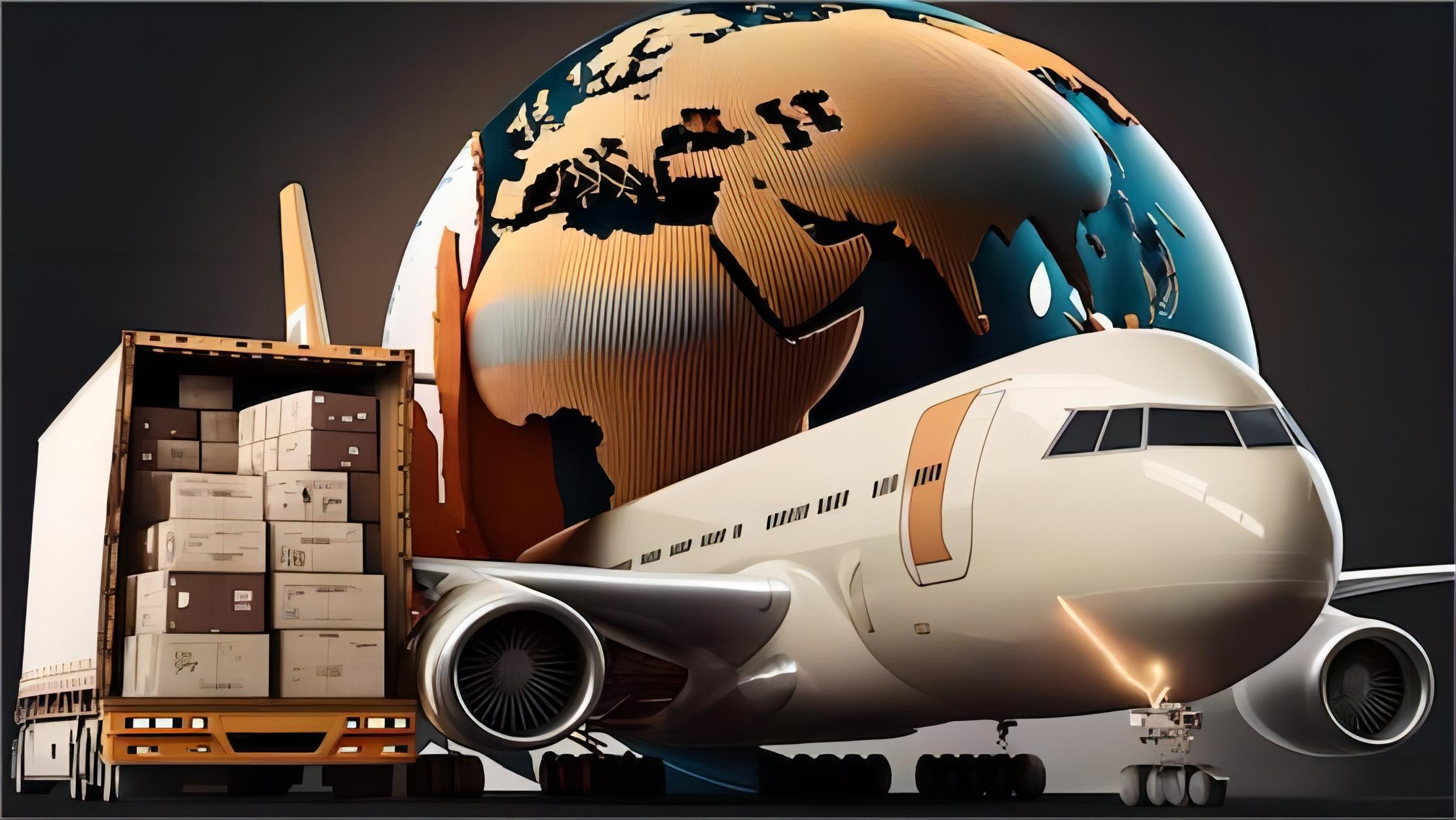
Handling the paperwork for a container filled with products from ten different factories requires precision and expertise. Every supplier must provide accurate commercial invoices and packing lists that match the master manifest. Consequently, hiring a professional customs brokerage service is often the best way to avoid delays at the port of loading.
Indeed, mismanaged documentation is the leading cause of port congestion and additional storage fees for consolidated shipments. To mitigate this risk, the consolidator should verify all Harmonized System (HS) codes before the container is packed. Furthermore, ensuring that all suppliers comply with export license requirements prevents the entire container from being flagged for inspection.
Essential Documentation Checklist
Prepare a Master Bill of Lading (MBL) that covers the entire container and House Bills of Lading (HBL) for each individual supplier’s portion. Additionally, make sure you have a consolidated packing list and a certificate of origin if your trade agreement requires it. This organized approach ensures that the destination customs authorities can process the shipment without requesting further clarification.
Case Study 1: Electronics Consolidation to Europe
Route: Shenzhen, China to Hamburg, Germany. Cargo: Consumer electronics and accessories from 6 suppliers, totaling 18 CBM. Method: Sea Freight LCL Consolidation. Ocean Freight: $1,620. Origin Charges: $450. Destination Charges: $580. Customs and Duties: $2,100. Total Landed Cost: $4,750.
Timeline: Booking to Loading took 4 days. Sea Transit lasted 32 days. Customs Clearance was completed in 2 days. Total Door-to-Door time was 38 days. Key Insight: By consolidating, the buyer saved approximately $2,200 compared to shipping six separate LCL lots, primarily through reduced minimum handling fees in Europe.
Case Study 2: Furniture and Decor to North America
Route: Ningbo, China to Los Angeles, USA. Cargo: Custom furniture and home decor from 4 suppliers, 1 x 40HQ container. Method: FCL Warehouse Consolidation. Ocean Freight: $3,800. Origin Charges: $650. Destination Charges: $900. Customs and Duties: $4,500. Total Landed Cost: $9,850.
Timeline: Booking to Loading took 6 days. Sea Transit lasted 16 days. Customs Clearance took 3 days. Total Door-to-Door time was 25 days. Key Insight: Using a 40HQ container instead of multiple 20GP units allowed for better container loading efficiency and protected fragile items from excessive handling. This is a classic example of door to door service excellence.
Which Consolidation Strategy Should You Choose?
Determining the right approach involves analyzing your total volume and the geographical spread of your manufacturers. If your suppliers are all located in the Pearl River Delta, a Shenzhen-based hub is the most logical choice. However, if your sources are scattered across China, you might consider a multi-hub strategy to minimize domestic trucking costs before the final consolidation.
Volume thresholds also play a major role in the decision-making process for logistics managers. For shipments under 15 CBM, LCL consolidation is typically the most economical route. Once you exceed 20 CBM, upgrading to a full 20-foot container (FCL) often provides better security and lower per-unit costs. Therefore, you should always request a comparison quote for both options.
Cost-Saving Strategies and Trade-offs
Consider using off-peak shipping windows to secure lower freight rates, as prices often spike during the late summer months. Another effective strategy is to negotiate ‘Free Time’ at the destination port to avoid demurrage charges if your warehouse is full. While these tactics require more planning, the long-term savings on your supply chain optimization China efforts will be substantial.
Future Logistics Trends in China Export Shipping
As we progress through 2026, automation in Chinese warehouses is significantly improving the speed of cargo sorting and palletization. Real-time tracking technologies now allow importers to see exactly when each supplier’s goods arrive at the consolidation point. Consequently, this transparency reduces the stress of managing long-distance supply chains and improves delivery schedule accuracy.
Sustainability is also becoming a key factor in warehouse storage solutions China. Many facilities are adopting green packing materials and optimized loading algorithms to reduce the carbon footprint of each container. Indeed, choosing a forwarder that prioritizes efficiency not only saves money but also aligns your business with global environmental standards.
Maximizing Efficiency with China Export Shipping Warehouse Consolidation
To summarize, implementing a robust china export shipping warehouse consolidation strategy is essential for any business looking to remain competitive in 2026. By merging shipments, you gain better control over your inventory, reduce overhead costs, and simplify complex customs procedures. Whether you are moving small batches or large volumes, the benefits of centralized logistics are undeniable.
Always remember that successful consolidation requires a reliable partner who understands the nuances of the Chinese market. Focus on clear communication with your suppliers and maintain accurate documentation to ensure a smooth transit. With the right approach, you can transform your shipping operations into a streamlined engine for growth.
Ready to streamline your logistics?
Streamline your supply chain today with professional china export shipping warehouse consolidation services. Our team provides expert cargo handling and competitive rates to ensure your goods arrive safely and on time. Visit alichinafreight.com to request a personalized quote and discover how we can optimize your international logistics. Send Inquiry: Visit https://alichinafreight.com/contact-us/
Request Quote