
China Freight Forwarder Amazon Europe: Best 2026 Logistics Guide
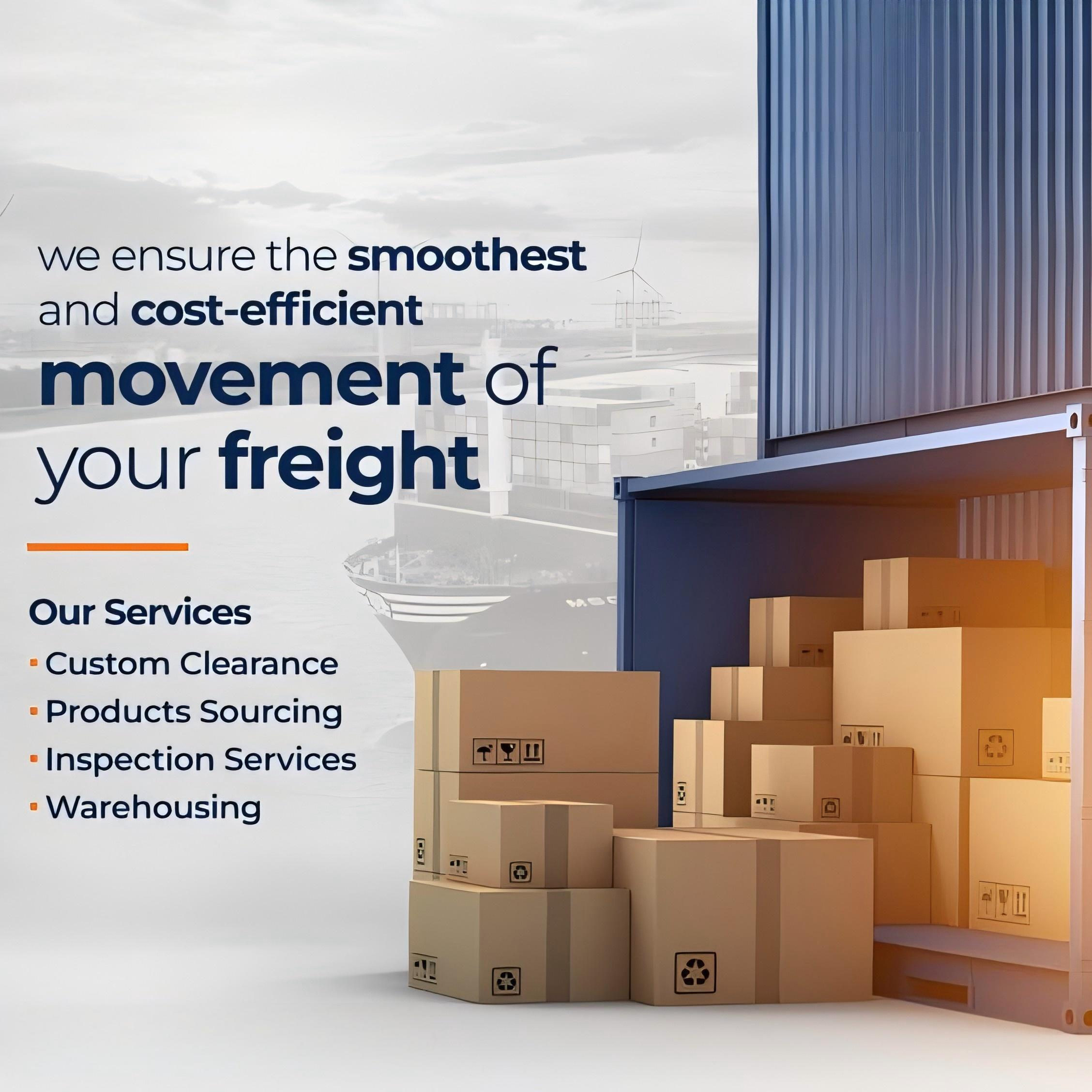
“Success in the European marketplace requires a robust and efficient supply chain managed by experts. Utilizing a professional china freight forwarder amazon europe ensures that your inventory reaches fulfillment centers without unnecessary delays. Consequently, sellers can mitigate risks associated with international logistics while focusing on scaling their online business operations.”

Why You Need a Specialized China Freight Forwarder for Amazon Europe
❖Managing international shipments involves navigating complex regulations and strict delivery windows set by fulfillment centers. Furthermore, a specialized Amazon FBA logistics partner understands the specific packaging, labeling, and palletizing requirements necessary for acceptance. Consequently, choosing an experienced forwarder prevents costly rejections and inventory delays at the border.
Selecting the right partner allows you to leverage established networks and consolidated shipping rates. Additionally, professional forwarders provide end-to-end visibility, allowing you to track your cargo from the factory floor to the final destination. Therefore, investing in a reliable logistics expert is a strategic move for any serious e-commerce seller in 2026.
How Does China Freight Forwarder Amazon Europe Compare to Other Shipping Options?
❖Comparing various transport modes is essential for balancing speed and cost-efficiency in your supply chain. In 2026, the logistics landscape has evolved to offer more hybrid solutions that combine the benefits of different methods. Moreover, market data suggests that diversifying your shipping strategy can protect your business from sudden rate spikes or port congestion.
Alternative strategies include using express couriers for small test batches or utilizing rail freight for mid-sized restocks. However, each method has specific limitations regarding weight, volume, and hazardous material restrictions. Accordingly, sellers must evaluate their specific product needs against current market conditions.
| Shipping Method | Cost Range (2026) | Transit Time | Best For |
|---|---|---|---|
| Express Courier | $6.50 – $9.00 / kg | 3 – 7 Days | Samples and urgent restocks |
| Air Freight | $4.50 – $7.00 / kg | 7 – 12 Days | High-value lightweight goods |
| Rail Freight | $180 – $250 / CBM | 18 – 25 Days | Balanced cost and speed |
| Sea Freight | $120 – $180 / CBM | 30 – 45 Days | Large volume and heavy goods |
Which Option Should You Choose for Your European Shipments?
❖Choosing the ideal shipping method depends heavily on your profit margins and inventory turnover rates. Specifically, if your priority is the lowest possible landed cost, sea freight remains the undisputed leader for large shipments. Nevertheless, if you are launching a new product and need to hit a specific marketing date, air freight might justify the higher expense.
Volume thresholds often dictate when it is time to switch from LCL to FCL shipments for better economy. For instance, shipments exceeding 15 cubic meters often become more cost-effective when booked as a full 20-foot container. Without a doubt, analyzing your monthly sales velocity will help you determine the most sustainable logistics path.
Exploring Air Freight Solutions for Urgent Inventory
❖Air freight provides the fastest route to European markets, ensuring your listings never go out of stock during peak seasons. In addition, using air freight reduces the amount of capital tied up in transit, improving your overall cash flow. Meanwhile, most forwarders offer daily flights from major hubs like Shenzhen and Shanghai to London, Frankfurt, and Paris.
Security and handling are generally superior in air transport, which significantly reduces the risk of cargo damage. As a result, fragile or sensitive electronics are often better suited for this mode of transport despite the higher rates. Consequently, many sellers use a 20/80 strategy, shipping 20 percent by air and 80 percent by sea to maintain a constant supply.
Optimizing Sea Freight for Large Volume FBA Shipments
❖Ocean transport continues to be the backbone of global trade, offering the most competitive rates for bulk inventory. By utilizing sea freight, sellers can significantly lower their per-unit shipping cost, which directly increases profit margins. On the other hand, the longer transit times require meticulous planning to avoid stockouts during the 35 to 45-day journey.
Direct routes to major European ports like Rotterdam or Hamburg are generally more reliable than transshipment options. For example, a direct vessel from Ningbo to Felixstowe might cost 10 percent more but saves nearly a week in total transit time. Accordingly, you should always ask your forwarder for both direct and transshipment quotes to compare the trade-offs.
| Route (2026 Rates) | 20GP Container | 40HQ Container | Sea Transit |
|---|---|---|---|
| Shenzhen to Hamburg | $2,100 – $2,600 | $3,400 – $4,100 | 32 – 36 Days |
| Shanghai to Rotterdam | $2,200 – $2,700 | $3,500 – $4,300 | 30 – 34 Days |
| Ningbo to Felixstowe | $2,300 – $2,800 | $3,600 – $4,500 | 34 – 38 Days |
Utilizing Rail Freight as a Cost-Effective Middle Ground
❖Rail freight has emerged as a powerful alternative for sellers who need faster delivery than sea but cannot afford air rates. Indeed, the trans-Eurasian rail network connects major Chinese industrial cities directly to European logistics hubs in Poland and Germany. Furthermore, rail freight is less affected by maritime weather conditions or port strikes that occasionally disrupt sea routes.
Sustainability is another factor driving the popularity of rail transport among eco-conscious European consumers and brands. For instance, rail transport produces significantly lower carbon emissions per ton-kilometer compared to air freight. Nevertheless, sellers must ensure their forwarder has strong partnerships with rail operators to secure space during the busy Q4 period.
Real Case Studies for Amazon Europe Logistics
❖Examining real-world scenarios provides valuable insights into the actual costs and timelines you can expect in 2026. These examples reflect current market conditions and highlight the importance of choosing the right shipping strategy for specific product types.
Case Study 1: Electronics from Shenzhen to Hamburg. Cargo: 2,500 units of smart home devices, 22 CBM. Method: Sea Freight FCL 40GP. Carrier: Major carrier via Suez Canal. Ocean Freight: $3,650. Origin/Dest Charges: $850. Customs: $400. Total Landed Cost: $4,900. Timeline: 35 days door-to-door. Key Insight: Booking 4 weeks in advance secured a lower rate during the early 2026 peak.
Case Study 2: Apparel from Chengdu to Warsaw. Cargo: 15 CBM of seasonal clothing. Method: Rail Freight LCL. Route: Chengdu-Lodz Express. Cost Breakdown: $2,850 total including local pickup. Timeline: 22 days. Key Insight: Rail allowed the seller to restock mid-season without the extreme expense of air freight, saving approximately $4,000 compared to air.
Note: Freight rates are subject to change based on fuel costs, carrier capacity, and seasonal demand. Contact us for a current quote tailored to your specific shipment.
Navigating Customs and VAT for European FBA
❖Importing goods into Europe requires a thorough understanding of the Union Customs Code and country-specific VAT regulations. Specifically, you must have a valid EORI number and ensure your commercial invoices accurately reflect the value and origin of the goods. Consequently, hiring a professional customs brokerage service is essential to avoid legal complications or shipment seizures.
Duty rates vary significantly depending on the HS code classification of your products. For example, some electronics may have zero duty, while certain textiles might face rates as high as 12 percent. Moreover, the Import One-Stop Shop (IOSS) and other VAT schemes can simplify the process for B2C sellers, but FBA shipments typically follow standard import procedures.
| Document Name | Purpose | Required By |
|---|---|---|
| Commercial Invoice | Value and Tax Assessment | Customs Authorities |
| Packing List | Verification of Contents | Warehouse/Customs |
| Bill of Lading | Title to the Goods | Carrier/Forwarder |
| Certificate of Origin | Preferential Duty Rates | Customs Authorities |
Final Thoughts on Choosing a China Freight Forwarder for Amazon Europe
Successfully navigating the logistics from China to <a href=”https://alichinafreight.com/shipping-from-china-to-europe/”>Europe</a> is a cornerstone of a profitable Amazon business. By understanding the differences between air, sea, and rail freight, you can make informed decisions that balance speed and cost. Remember that the cheapest option is not always the best if it results in stockouts or damaged goods.
In 2026, the key to success lies in flexibility and proactive communication with your china freight forwarder amazon europe. Stay ahead of seasonal trends, maintain clear documentation, and always have a backup plan for urgent inventory needs. With the right logistics partner, your European FBA venture will have the foundation it needs to thrive in a competitive market.
Ready to streamline your logistics?
Ready to optimize your supply chain and reduce your landing costs in 2026? Contact our expert team today for a customized quote and professional guidance on your china freight forwarder amazon europe strategy. Visit our website to learn more or Send Inquiry
Request Quote