

Introduction
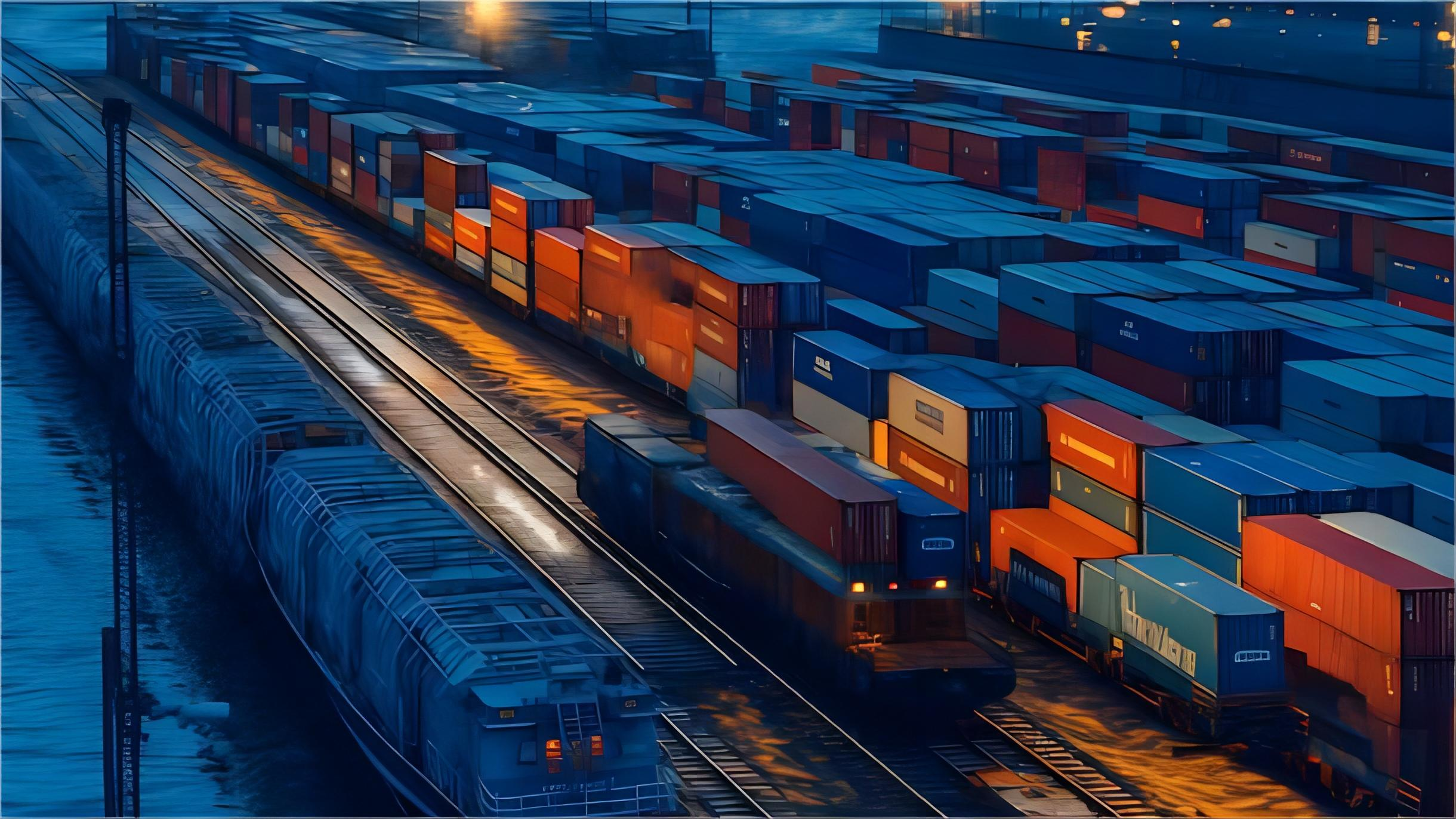
Finding the right China logistics company for rail cargo shipping is not simply about finding the lowest freight rate. For importers and manufacturers, the real challenge is coordinating cargo pickup, rail booking, customs procedures, container availability, and final delivery without creating unnecessary delays.
A suitable logistics partner should therefore understand both the railway network and the wider international supply chain. In practice, rail cargo may involve several stages before and after the main railway journey. Supplier pickup, warehouse consolidation, export customs, rail terminal handling, destination clearance, and trucking all influence the final delivery result.
At the same time, businesses have different priorities. One importer may need FCL transportation from a factory, while another may require LCL consolidation or a complete door-to-door solution. Consequently, choosing a logistics company with flexible rail capabilities can make international cargo shipping much easier to manage.
This guide explains what to look for in a China rail freight logistics company, how the shipping process works, and how professional support can improve cost, reliability, and delivery performance.

What Should A China Logistics Company Offer For Rail Cargo Shipping?
A professional China logistics company should provide more than a railway booking. Instead, it should coordinate the different stages that connect the supplier with the final destination.
For example, a complete shipment may involve factory pickup, warehouse handling, export documentation, rail transportation, customs clearance, and local trucking. When one logistics provider manages these stages, communication becomes easier and potential gaps can be identified earlier.
Core Rail Cargo Services
| Service | Business Benefit |
|---|---|
| 🚆 Rail Freight Booking | Secures suitable rail transportation |
| 📦 FCL & LCL Shipping | Supports different cargo volumes |
| 🚚 Pre-Carriage Trucking | Connects suppliers with rail terminals |
| 🛃 Customs Brokerage | Helps manage export and import procedures |
| 🏢 Warehousing | Supports consolidation and temporary storage |
| 🚪 Door-to-Door Delivery | Simplifies the complete logistics process |
Furthermore, an experienced provider should understand different departure locations in China and select routes according to the cargo’s actual requirements.
Cargo Commonly Shipped By Rail
Rail cargo solutions can be suitable for:
- Electronics and electrical products
- Machinery and industrial equipment
- Automotive components
- Consumer goods
- Commercial merchandise
- Ecommerce inventory
- Manufacturing materials
Therefore, businesses should evaluate the provider’s ability to handle their specific cargo instead of judging a logistics company only by its advertised rail freight rate.
How Does A China Logistics Company Handle Rail Cargo Shipping?
Once the cargo is ready, several logistics activities need to happen in the correct order. A professional logistics company coordinates these stages so that one delay does not unnecessarily affect the rest of the shipment.
Step 1: Cargo Assessment
First, the logistics team checks the cargo type, dimensions, weight, volume, packaging, and destination.
This information determines whether FCL, LCL, or another transportation arrangement is more suitable.
Step 2: Pickup And Consolidation
Next, cargo can be collected from the supplier. If several suppliers are involved, the logistics company may consolidate shipments at a warehouse before arranging rail transportation.
Step 3: Export Customs And Rail Booking
After the cargo is ready, export documentation is prepared and the appropriate rail service is booked.
At this stage, accurate paperwork is particularly important because documentation problems can affect the planned departure.
Step 4: International Rail Transportation
The cargo then moves through the selected rail network. During this stage, shipment tracking helps the customer understand the progress of the cargo.
Step 5: Destination Clearance And Delivery
Finally, the shipment reaches the destination, where import customs, unloading, trucking, and final delivery are coordinated.
As a result, a complete logistics service can provide a smoother experience than arranging each transportation stage separately.
How Can A Rail Freight Company Improve Shipping Efficiency?
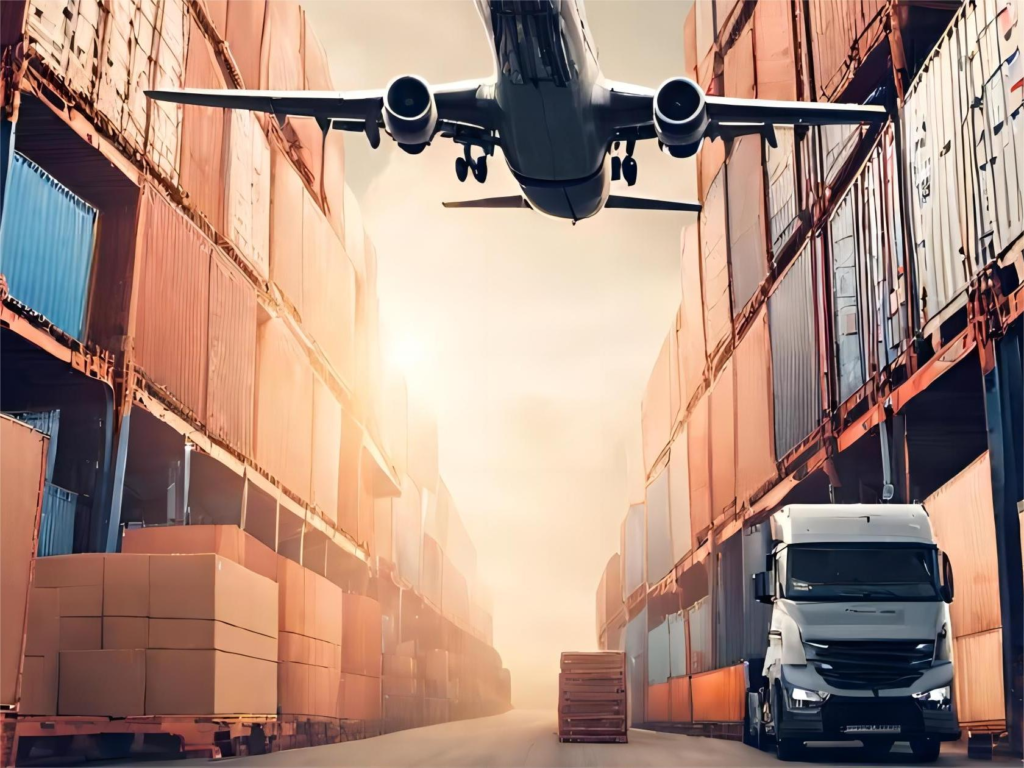
The biggest advantage of working with an experienced China logistics company is not simply access to trains. Rather, it is the ability to coordinate different resources around the shipment.
For instance, a supplier may be located far from the nearest rail terminal. In that situation, pre-carriage trucking becomes an important part of the solution. Similarly, a customer receiving cargo at a warehouse may require delivery appointments, unloading arrangements, or temporary storage.
Areas That Can Improve Logistics Performance
🚆 Route Planning
A logistics provider can compare available rail routes according to destination, cargo volume, required transit time, and budget.
📦 Container Management
For FCL cargo, suitable container planning can help avoid unnecessary waiting. Meanwhile, LCL consolidation may provide a more economical option for smaller shipments.
🛃 Customs Coordination
Correct documentation and early customs preparation can reduce avoidable clearance problems.
🚚 Multimodal Transportation
Rail rarely operates completely independently. Instead, trucking can connect factories, warehouses, terminals, and final destinations.
📍 Shipment Visibility
Regular tracking updates allow importers to plan warehouse receiving, inventory allocation, and downstream distribution more effectively.
Moreover, professional coordination can reduce the number of parties that the customer has to communicate with directly.
What Should You Check Before Choosing A China Rail Freight Company?
Not every company advertising China rail freight provides the same level of service. Therefore, businesses should compare logistics capabilities rather than simply comparing headline prices.
1. Rail Network Experience
Check whether the provider regularly handles international rail cargo and understands major departure and destination hubs.
2. FCL And LCL Capability
A company that supports both FCL and LCL can offer more flexibility when shipment volumes change.
3. Multimodal Resources
Rail cargo normally needs road transportation before or after the railway journey. Consequently, access to reliable trucking resources can directly affect the overall shipping experience.
4. Customs Support
Customs procedures can influence the final delivery schedule. For this reason, customs experience should be part of your evaluation.
5. Door-To-Door Capability
If you want a single logistics partner, confirm whether the company can manage the shipment from the supplier’s location to the final warehouse or business address.
6. Communication And Tracking
Clear communication becomes especially important when several transportation stages are involved. Regular shipment updates can help customers react quickly when plans change.
A Practical Evaluation Checklist
| Question | Why It Matters |
| 🚆 Do they regularly handle rail cargo? | Shows relevant experience |
| 📦 Can they provide FCL and LCL? | Gives you more flexibility |
| 🚚 Do they offer trucking? | Connects rail with origin/destination |
| 🛃 Can they handle customs? | Reduces documentation risks |
| 🚪 Do they support door-to-door delivery? | Simplifies shipment management |
| 📍 Can they track cargo? | Improves shipment visibility |
Ultimately, the right provider should offer a complete solution rather than simply selling a rail freight booking.
Real-World China Logistics Company For Rail Cargo Shipping Cases
🏭 Case 1: Factory Equipment To A European Project Site
| 📌 Item | Details |
| 🚢 Route | China Factory → European Project Site |
| 📦 Cargo | Industrial Equipment |
| ⏱ Transit Time | 21 Days |
| 💰 Cost Impact | Lower transportation cost than air freight |
| 🚆 Transport Method | Trucking + Rail Freight + Final-Mile Delivery |
| 🛃 Challenge | Equipment had to arrive before the installation schedule |
| 📝 Solution | Coordinated factory pickup, rail booking, customs preparation, and project-site delivery |
| ✅ Result | Equipment reached the project location according to the planned installation schedule |
📦 Case 2: LCL Commercial Cargo From Multiple Suppliers
| 📌 Item | Details |
| 🚢 Route | Multiple China Suppliers → Overseas Distribution Warehouse |
| 📦 Cargo | Consumer Products |
| ⏱ Transit Time | 17 Days |
| 💰 Cost Impact | Avoided paying for unused full-container capacity |
| 🚆 Transport Method | Warehouse Consolidation + LCL Rail Freight |
| 🛃 Challenge | Several suppliers had different cargo readiness dates |
| 📝 Solution | Collected shipments at one warehouse and consolidated compatible cargo |
| ✅ Result | Smaller shipments moved through one coordinated rail logistics plan |
How Can A China Logistics Company Create A Better Rail Shipping Strategy?
A strong rail shipping strategy should be built around the customer’s actual supply chain rather than a standard transportation package.
For example, a company with weekly commercial shipments may prioritize stable capacity and predictable schedules. By contrast, a business shipping occasional machinery may care more about specialized handling, trucking, customs, and project-site delivery.
A Better Planning Framework
Cargo → Route → Container → Customs → Delivery
First, understand the cargo.
Then, select the appropriate rail route.
After that, determine the container or consolidation method.
Next, prepare customs requirements before the shipment reaches the relevant checkpoint.
Finally, arrange trucking and final delivery according to the receiver’s requirements.
This approach helps avoid a common problem: focusing on the rail journey while overlooking the transportation stages around it.
Questions To Ask A Logistics Provider
Before cooperation, ask:
- Can you recommend the right rail route for my destination?
- Can you arrange pickup from my supplier?
- Do you support FCL and LCL rail cargo?
- Can you manage customs procedures?
- Can you provide door-to-door delivery?
- How will I receive shipment updates?
- Can you coordinate multiple suppliers?
- Can you provide a complete quotation?
Consequently, the best China logistics company is not necessarily the one offering the lowest initial rate. It is the provider that can coordinate the entire shipment efficiently and transparently.
Conclusion
Choosing a China logistics company for rail cargo shipping should be based on the complete transportation capability rather than the rail rate alone. A reliable provider should be able to connect suppliers, warehouses, rail terminals, customs procedures, and final delivery into one coordinated logistics process.
Furthermore, different cargo requirements call for different solutions. FCL may suit regular high-volume shipments, while LCL can work better for smaller consignments. Similarly, some customers may only need rail transportation, whereas others may require complete door-to-door service.
For this reason, businesses should evaluate route experience, container resources, customs support, trucking capability, shipment visibility, and communication before selecting a logistics partner.
With the right China rail freight partner, companies can simplify international cargo transportation, improve shipment control, and build a more flexible supply chain.
🤝 Ready To Ship Cargo By Rail From China?
Tell us your cargo origin, destination, volume, and delivery requirements. Our team can develop a rail freight solution around your actual shipping needs.
FAQs
1. What does a China logistics company for rail cargo shipping do?
It can coordinate rail transportation together with cargo pickup, containers, customs, warehousing, trucking, and final delivery.
2. Can a China logistics company arrange door-to-door rail shipping?
Yes. Rail transportation can be combined with origin and destination trucking to create a complete door-to-door service.
3. Can I ship LCL cargo by rail from China?
Yes. LCL consolidation can be suitable when your cargo does not require a full container.
4. What information is needed for a rail freight quotation?
Usually, the provider needs the cargo origin, destination, commodity, weight, volume, container requirement, and preferred delivery schedule.
5. Why use a logistics company instead of booking rail freight directly?
A logistics company can coordinate the transportation stages around the rail journey, including trucking, customs, warehousing, and final delivery.