

China Logistics Shipping Consolidation Amazon FBA Service: 2026 Guide
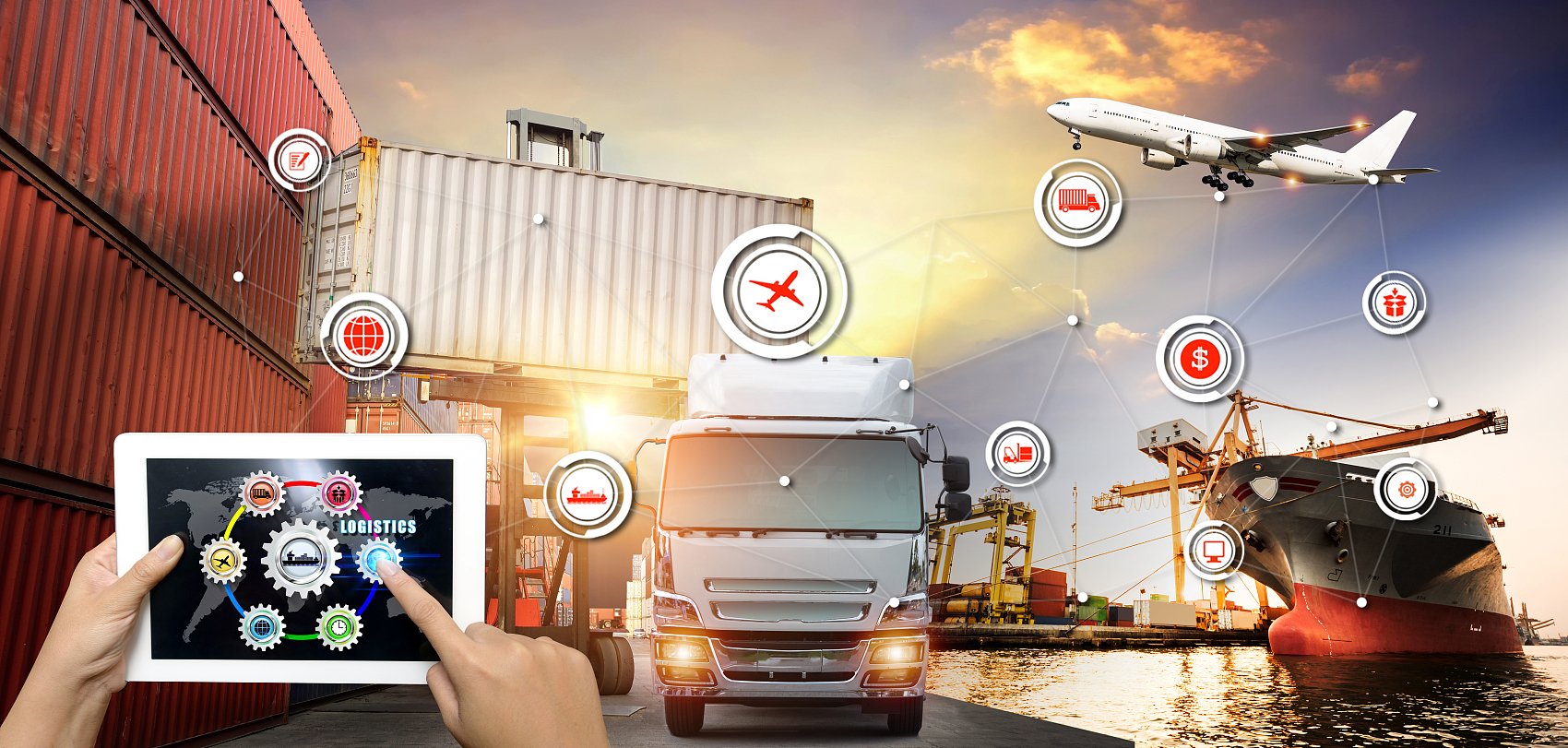
Navigating the complexities of international trade requires a robust china logistics shipping consolidation amazon fba service to remain competitive in 2026. Many sellers face high costs and fragmented shipments that eat into profit margins. Fortunately, DSV-Freight provides integrated solutions that streamline your supply chain from factory to warehouse. This guide explores how to leverage consolidation to reduce overhead and improve delivery speeds.
What Is China Logistics Shipping Consolidation Amazon FBA Service?
Consolidation involves combining multiple smaller shipments from different suppliers into a single full container load. This process is essential for sellers who source products from various Chinese manufacturers but want to avoid the high costs of individual shipping. Consequently, you benefit from lower freight rates and simplified customs procedures.
Moreover, our Amazon FBA service ensures that your consolidated goods meet all labeling and packaging requirements. This attention to detail prevents costly rejections at Amazon fulfillment centers. Therefore, choosing an integrated service provider is the most efficient way to manage your 2026 inventory levels.
Additionally, consolidation reduces the risk of lost packages because your items travel together in a secured container. You can track the entire shipment as a single unit rather than managing dozens of separate tracking numbers. This approach provides much-needed peace of mind in the fast-paced world of e-commerce.
How Does Consolidation Compare to Other Shipping Options?
Choosing the right method depends on your budget, volume, and urgency. While individual express shipments are fast, they are often prohibitively expensive for large volumes. On the other hand, sea freight consolidation offers a middle ground that balances cost and speed effectively.
Furthermore, rail freight has emerged as a reliable alternative for European sellers in 2026. It offers faster transit than sea but at a lower price point than air. In contrast, air freight remains the choice for high-value or time-sensitive inventory despite the higher carbon footprint and cost.
To summarize, consolidation is almost always the superior choice for sellers who can plan their inventory 4-6 weeks in advance. It allows you to maximize container space and minimize the per-unit shipping cost significantly.
| Shipping Method | Cost Range | Transit Time | Best For | Limitations |
|---|---|---|---|---|
| Sea Freight LCL | $50-$150 per CBM | 30-45 Days | Small to medium batches | Longer transit times |
| Sea Freight FCL | $3000-$5000 per 40HQ | 25-35 Days | High volume sellers | Requires large capital |
| Air Freight | $5-$9 per KG | 5-9 Days | Urgent restocks | Very high cost |
| Rail Freight | $120-$200 per CBM | 18-25 Days | European shipments | Not for Australia/USA |
Why Should You Use Sea Freight for Amazon FBA?
For most sellers, sea freight is the backbone of their logistics strategy. It provides the lowest cost per unit, which is vital for maintaining healthy margins on Amazon. Indeed, the savings gained from ocean transport can be reinvested into marketing and product development.
Additionally, modern vessels are more efficient than ever, and port congestion in 2026 has stabilized compared to previous years. This stability allows for more predictable delivery schedules and better inventory planning. However, you must still account for potential weather delays and seasonal peaks.
Meanwhile, sea freight consolidation allows you to ship smaller quantities more frequently. This strategy helps you avoid Amazon’s long-term storage fees by keeping just enough stock in their warehouses. Consequently, your cash flow remains fluid and your inventory turnover stays high.
Can Air Freight Be a Viable Alternative in 2026?
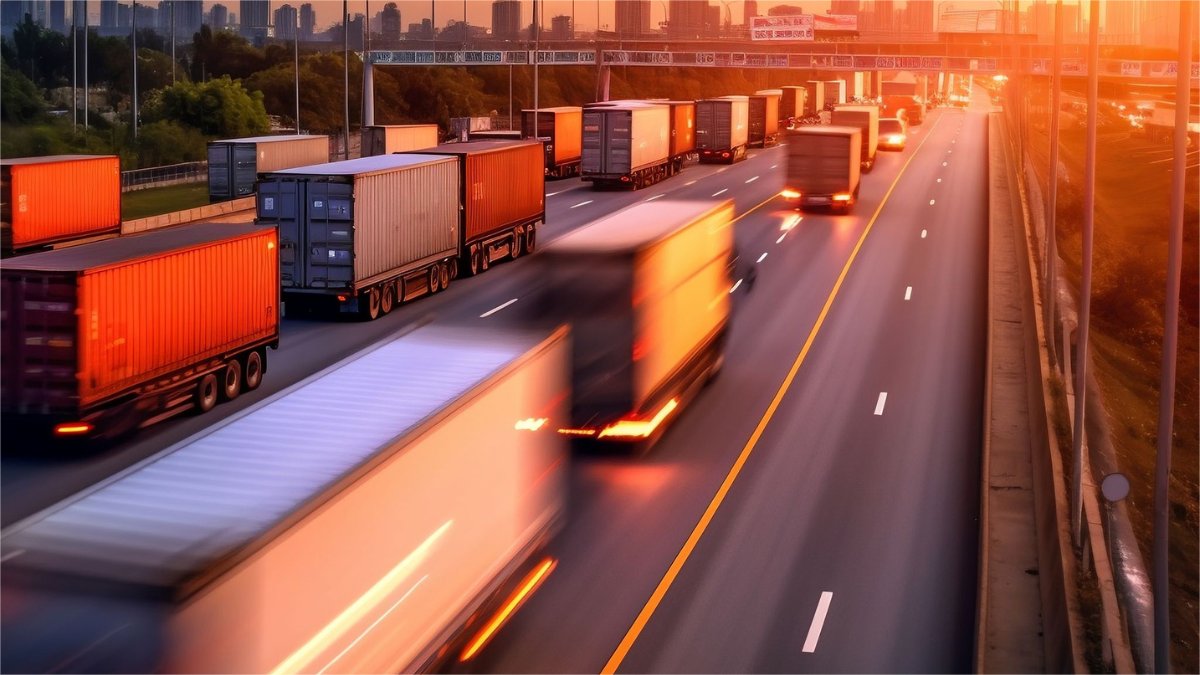
While sea freight is economical, air freight remains essential for rapid restocks. If a product goes viral or a supplier delays production, air transport can save your listing from going out of stock. Nevertheless, you should use this method sparingly to avoid eroding your profits.
Moreover, air freight is much safer for fragile or high-value electronics. The reduced handling and shorter time in transit minimize the risk of damage or theft. Therefore, it is often the preferred method for launching new, high-margin products.
In addition, air consolidation services can help lower the cost of air shipping by grouping your goods with others. This approach provides a faster solution than sea freight without the full price of a dedicated air charter. For instance, many sellers use a hybrid model of 80 percent sea and 20 percent air.
Which Option Should You Choose for Your Business?
Deciding between methods requires a clear understanding of your priorities. If your primary goal is budget priority, then sea freight consolidation is the clear winner. For shipments under 15 CBM, LCL at $50-150/CBM is more economical than booking a full container.
On the other hand, if speed is your priority, air freight is the only way to move goods from China to the US in under 10 days. However, you must be prepared to pay a significant premium for this service. As a result, most successful sellers use a mix of both based on their current stock levels.
Furthermore, consider your cargo type. Heavy, bulky items like furniture are exclusively suited for sea freight. In contrast, small light items like jewelry might be cheaper to ship via express service due to the low weight and high value.
The Role of Customs Brokerage in FBA Success
Navigating international regulations is often the most challenging part of shipping. A professional customs brokerage service ensures that all duties and taxes are calculated correctly. Without this expertise, your shipment could be delayed or even seized at the border.
Consequently, working with a freight forwarder that handles customs in-house is a major advantage. They will manage the Harmonized System (HS) codes and ensure compliance with both Chinese export laws and destination import laws. Indeed, this service is critical for avoiding unexpected fines and penalties.
Additionally, many sellers now opt for DDP (Delivered Duty Paid) terms. This means the forwarder handles everything from the factory floor to the Amazon warehouse door. As a result, you do not have to worry about the complexities of foreign tax IDs or customs bonds.
Case Study 1: Shenzhen to Los Angeles Sea Freight
Case Study 1: Electronics Consolidation Success. Route: Shenzhen, China to Los Angeles, USA. Cargo: Consumer electronics, 12 CBM, 2400 kg. Container: LCL Consolidation. Shipping Details: Carrier: COSCO. Port of Loading: Shenzhen. Port of Discharge: Los Angeles. Route Type: Direct. Cost Breakdown: Ocean Freight: $1,440. Origin Charges: $250. Destination Charges: $400. Customs and Duties: $1,200. Total Landed Cost: $3,290. Timeline: Booking to Loading: 3 days. Sea Transit: 16 days. Customs Clearance: 2 days. Total Door-to-Door: 25 days. Key Insight: Consolidating multiple small orders into one LCL shipment saved the client 35 percent compared to individual air shipments. Based on Q1 2026 market rates.
Case Study 2: Ningbo to Hamburg Rail Freight
Case Study 2: Home Decor Rail Strategy. Route: Ningbo, China to Hamburg, Germany. Cargo: Wooden home decor, 8 CBM, 1500 kg. Container: LCL Consolidation. Shipping Details: Carrier: China Railway Express. Port of Loading: Ningbo (via Xi’an). Port of Discharge: Hamburg. Route Type: Direct Rail. Cost Breakdown: Rail Freight: $1,600. Origin Charges: $200. Destination Charges: $350. Customs and Duties: $900. Total Landed Cost: $3,050. Timeline: Booking to Loading: 5 days. Rail Transit: 22 days. Customs Clearance: 3 days. Total Door-to-Door: 35 days. Key Insight: Rail provided a perfect middle ground for the seller, arriving 15 days faster than sea freight while remaining much cheaper than air. Typical rates as of early 2026.
How to Implement Cost-Saving Strategies
To maximize your savings, always request quotes from multiple forwarders to compare current market rates. Furthermore, try to optimize your packaging to reduce the total CBM of your shipment. Even small reductions in box size can lead to significant savings when multiplied across hundreds of units.
Another effective strategy is to use door to door services that include consolidation. This eliminates the need for you to coordinate between different logistics providers. Consequently, you reduce the risk of communication errors and hidden fees.
Moreover, consider shipping during the off-peak season if your inventory allows. Rates typically increase 15-25 percent during the August to October peak season. By shipping earlier in the year, you can secure lower rates and avoid the holiday rush.
Market Intelligence: 2026 Logistics Trends
As of Q1 2026, freight rates from China to Europe have stabilized after the disruptions of previous years. Industry benchmarks suggest that capacity has finally met demand, leading to more competitive pricing for sellers. However, fuel surcharges remain a variable that can impact your total landed cost.
Furthermore, the push for green logistics is influencing carrier choices. Many shippers now offer carbon-neutral sea freight options for a small additional fee. Consequently, e-commerce brands are using these sustainable options to appeal to eco-conscious consumers.
In addition, digital tracking technology has become the standard. You can now monitor your consolidated shipment in real-time using GPS-enabled containers. This level of transparency was once reserved for high-value air freight but is now available for sea and rail as well.
Alternative Strategy: Hybrid Sea-Air Solutions
For shipments that are not quite urgent enough for air but cannot wait for sea, hybrid sea-air solutions are an excellent alternative. This involves shipping by sea to a hub like Dubai or Singapore and then flying the goods the rest of the way. This method can save 10-14 days compared to pure sea freight.
Moreover, transshipment strategies can sometimes bypass port congestion in major hubs. For example, shipping via smaller regional ports can occasionally be faster than using the busiest terminals. However, this requires a forwarder with a deep understanding of local logistics networks.
To summarize, your strategy should be flexible. Market data suggests that the most successful Amazon sellers adjust their shipping methods quarterly based on current freight rates and sales velocity. Note: Freight rates are subject to change based on fuel costs, carrier capacity, and seasonal demand. Contact us for a current quote tailored to your specific shipment.
Mastering Your FBA Logistics in 2026
In conclusion, a reliable china logistics shipping consolidation amazon fba service is a cornerstone of a successful e-commerce business. By combining shipments, optimizing your choice of transport, and leveraging professional customs brokerage, you can significantly reduce costs and improve delivery times.
Furthermore, staying informed about market trends and being willing to adapt your strategy will give you a competitive edge. Whether you choose sea, air, or rail, the goal is always to provide a seamless experience for your customers while protecting your bottom line. Trust DSV-Freight to handle the heavy lifting so you can focus on scaling your brand.
Need a tailored shipping solution?
Ready to optimize your supply chain with a professional china logistics shipping consolidation amazon fba service? Contact DSV-Freight today to receive a customized quote and discover how our 2026 logistics solutions can grow your business. Send Inquiry: https://alichinafreight.com/
Frequently Asked Questions
What is the minimum volume for consolidation?
How long does the consolidation process take in China?
Does consolidation increase the risk of damage?
Are customs duties included in the shipping quote?
Can I consolidate goods from different cities in China?
Is rail freight available for shipping to the USA?
How do I track my consolidated Amazon FBA shipment?
What documents are needed for FBA consolidation?