


- By Jaxin
- July 22, 2026
- import-from-China, shipping
China rail freight company for Asian importers services are becoming increasingly important as businesses seek faster and more reliable alternatives to traditional ocean shipping. Many importers across Central Asia and Southeast Asia face long transit times, rising logistics costs, customs delays, and inventory shortages that can negatively impact supply chain performance.
Meanwhile, air freight provides speed but often increases transportation expenses significantly. Therefore, more Asian importers are choosing rail freight as a practical balance between cost and transit time. This guide explains rail freight services, shipping rates, customs procedures, transit times, and supplier selection strategies to help importers optimize their logistics operations.

What Is a China Rail Freight Company for Asian Importers?
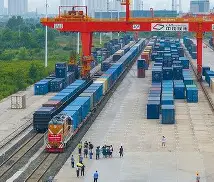
A professional china rail freight company for asian importers offers comprehensive transportation solutions connecting Chinese manufacturers with buyers across Asia. These services typically include rail booking, cargo consolidation, customs clearance, and final-mile delivery.
Core Services Provided
- Rail freight booking
- FCL and LCL consolidation
- Export customs declaration
- Border transit coordination
- Import customs clearance
- Door-to-door delivery
- Cargo insurance
- Real-time shipment tracking
Major Asian Destinations Served
| Country | Main Destinations |
|---|---|
| Kazakhstan | Almaty, Astana |
| Uzbekistan | Tashkent |
| Kyrgyzstan | Bishkek |
| Mongolia | Ulaanbaatar |
| Laos | Vientiane |
| Vietnam | Hanoi, Ho Chi Minh City |
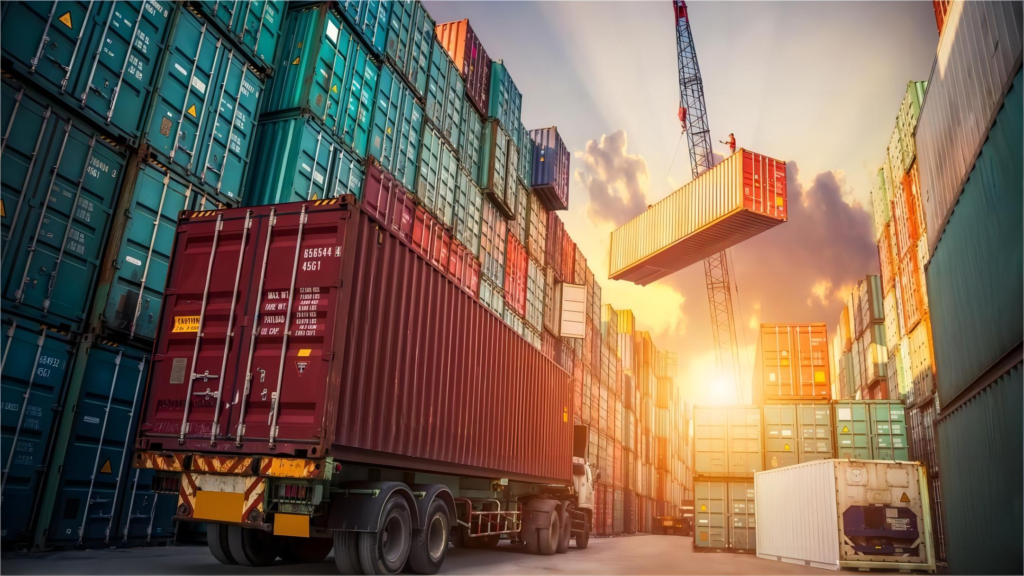
Furthermore, many rail freight companies integrate trucking services with rail transportation. As a result, cargo can reach inland destinations efficiently while maintaining predictable transit schedules.
Why Are Asian Importers Choosing China Rail Freight?
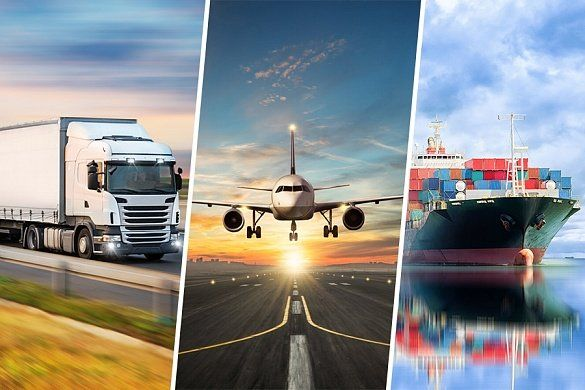
Asian importers increasingly prefer rail freight because it offers a strong balance between speed and affordability. While sea freight remains economical for bulk cargo, delivery schedules are often longer and less predictable. Conversely, air freight provides fast delivery but at a substantially higher cost.
Rail Freight vs Air Freight vs Sea Freight
| Transport Mode | Transit Time | Cost Level | Reliability |
|---|---|---|---|
| Air Freight | 2–7 Days | High | High |
| Rail Freight | 8–18 Days | Medium | High |
| Sea Freight | 20–45 Days | Low | Medium |
Key Advantages of Rail Freight
1.Faster Inventory Replenishment
Rail freight significantly reduces delivery times compared with sea freight. Therefore, businesses can maintain healthier inventory levels and avoid stock shortages.
2.Better Cost Efficiency
Compared with air freight, rail transportation can reduce logistics expenses by 40%–70%. Consequently, importers gain greater control over overall supply chain costs.
3.Stable Transit Performance
Rail networks are generally less affected by port congestion. Moreover, railway schedules often remain consistent during peak shipping seasons.
Lower Supply Chain Risks
Because rail freight avoids many maritime bottlenecks, cargo experiences fewer unexpected delays. As a result, businesses can forecast inventory requirements more accurately.
China Rail Freight Rates for Major Asian Destinations
For most importers, freight cost and delivery time are the primary decision-making factors. However, rates vary according to destination, cargo type, shipment volume, and seasonal demand.
Estimated Rail Freight Rates from China
| Destination | Transit Time | 20GP | 40HQ |
|---|---|---|---|
| Almaty, Kazakhstan | 8–12 Days | USD 2,500–3,500 | USD 3,000–4,800 |
| Tashkent, Uzbekistan | 10–15 Days | USD 3,000–4,200 | USD 3,500–5,500 |
| Bishkek, Kyrgyzstan | 12–18 Days | USD 3,200–4,500 | USD 3,800–5,800 |
| Ulaanbaatar, Mongolia | 7–10 Days | USD 2,000–3,000 | USD 2,500–4,000 |
| Vientiane, Laos | 5–8 Days | USD 1,800–2,800 | USD 2,000–3,500 |
| Hanoi, Vietnam | 3–7 Days | USD 1,200–2,200 | USD 1,500–3,000 |
Factors Affecting Rail Freight Costs
| Cost Factor | Impact |
|---|---|
| Peak Season Demand | High |
| Fuel Surcharge | Medium |
| Customs Inspection | Medium |
| Cargo Weight | High |
| Container Availability | Medium |
| Final Delivery Distance | High |
Rail Freight Cost Comparison
| Mode | Average Cost | Transit Time |
|---|---|---|
| Air Freight | Highest | 2–7 Days |
| Rail Freight | Medium | 8–18 Days |
| Sea Freight | Lowest | 20–45 Days |
Furthermore, rail freight rates tend to be more stable than air freight pricing during market fluctuations. Therefore, many importers use rail services for routine replenishment shipments.
Case Study: Successful Rail Freight Shipments for Asian Importers
🚆 Project Card | Consumer Electronics Rail Freight to Kazakhstan
📍 Route: Shenzhen, China → Almaty, Kazakhstan
📦 Cargo: Consumer Electronics
⏱️ Transit Time: 11 Days
💰 Cost Saving: 38% Compared with Air Freight
🚄 Mode: Full Container Rail Freight
🛃 Customs Solution: Advance customs documentation review and bonded transit handling
✅ Outcome: Cargo released within 24 hours after arrival
Overview:
The importer required a reliable solution for regular electronics replenishment. Therefore, rail freight reduced logistics costs while maintaining stable delivery schedules.
🚆 Project Card | Retail Merchandise Rail Shipping to Uzbekistan
📍 Route: Yiwu, China → Tashkent, Uzbekistan
📦 Cargo: Retail Merchandise
⏱️ Transit Time: 12 Days
💰 Cost Saving: 32% Compared with Air Freight
🚄 Mode: Rail + Truck Delivery
🛃 Customs Solution: HS code verification and pre-arrival customs filing
✅ Outcome: No customs inspection delays
Overview:
The customer needed consistent inventory replenishment for multiple retail outlets. Consequently, rail transportation improved product availability and reduced supply chain disruptions.
🚆 Project Card | Building Materials Transport via China-Laos Railway
📍 Route: Guangzhou, China → Vientiane, Laos
📦 Cargo: Building Materials
⏱️ Transit Time: 6 Days
💰 Cost Saving: 25% Compared with Road Transport
🚄 Mode: China-Laos Railway
🛃 Customs Solution: One-stop export and import customs coordination
✅ Outcome: 30% Shorter Delivery Cycle
Overview:
The importer supported an infrastructure project requiring regular shipments. Moreover, rail freight provided more predictable delivery schedules than cross-border trucking.
How to Choose the Best China Rail Freight Company for Asian Importers?
Selecting the right logistics partner is essential for long-term supply chain stability. However, not every freight provider offers the same network coverage or customs expertise.
Freight Forwarder Evaluation Checklist
| Evaluation Item | Importance |
|---|---|
| Rail Network Coverage | High |
| Customs Expertise | High |
| Local Agent Network | High |
| Pricing Transparency | High |
| Cargo Tracking System | Medium |
| Emergency Support | High |
Questions to Ask Before Booking
- Do you provide door-to-door rail freight services?
- Can you manage customs clearance?
- Which Asian destinations do you cover?
- Is real-time tracking available?
- How do you handle shipment delays?
Essential Service Features
✅ Rail freight consolidation
✅ Customs brokerage support
✅ Shipment tracking
✅ Destination delivery services
✅ Cargo insurance options
✅ Dedicated customer service
Moreover, experienced rail freight providers maintain strong relationships with railway operators, customs agencies, and destination partners. Consequently, importers benefit from smoother transportation processes and fewer disruptions.
Conclusion
A reliable china rail freight company for asian importers can help businesses achieve faster transit times, lower logistics costs, and more predictable supply chain performance. Moreover, professional customs support reduces clearance risks and improves delivery reliability across Asia.
Whether shipping to Kazakhstan, Uzbekistan, Kyrgyzstan, Mongolia, Laos, or Vietnam, rail freight offers an effective balance between affordability and speed. Therefore, importers seeking long-term logistics efficiency should consider rail transportation as a strategic component of their supply chain.
By partnering with an experienced rail freight provider, businesses can improve inventory planning, reduce transportation risks, and gain greater control over international trade operations. Furthermore, as rail networks continue expanding throughout Asia, rail freight is expected to play an increasingly important role in regional commerce.
-
Looking for a reliable china rail freight company for asian importers?
Get a customized rail freight quote, transit-time estimate, and customs clearance solution from our logistics specialists. We help importers reduce shipping costs, improve delivery reliability, and simplify cross-border transportation throughout Asia.
FAQs
Q1.How much does rail freight from China to Kazakhstan cost?
Rail freight to Kazakhstan generally costs between USD 3,000 and USD 4,800 per 40HQ container. However, pricing varies according to cargo volume, seasonality, and final delivery requirements.
Q2.How long does rail freight take from China to Uzbekistan?
Most shipments reach Uzbekistan within 10 to 15 days. Nevertheless, customs inspections and border congestion may occasionally affect transit schedules.
Q3.Is rail freight cheaper than air freight?
Yes. Rail freight is significantly cheaper than air freight while remaining much faster than sea freight. Therefore, it is ideal for medium-priority commercial cargo.
Q4.What documents are required for rail freight customs clearance?
Importers typically need a commercial invoice, packing list, rail waybill, certificate of origin, import permits, and accurate HS code classifications.
Q5.Can rail freight provide door-to-door delivery?
Yes. Many rail freight companies offer rail and trucking combinations. Consequently, cargo can be transported directly from Chinese factories to destination warehouses.