

- By Jaxin
- August 7, 2026
- Amazon FBA
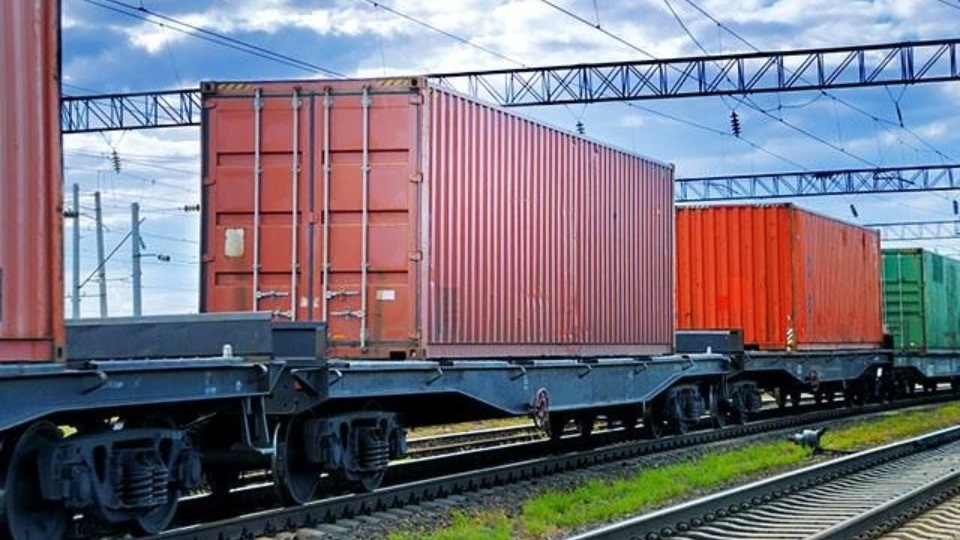
China rail freight for commercial cargo transport provides businesses with a reliable way to move goods internationally while balancing transportation costs, delivery schedules, and supply chain stability. As global trade continues to expand, importers, distributors, and manufacturers are looking for alternatives that offer better efficiency than traditional transportation methods.
Commercial cargo shipments often involve different requirements, including predictable delivery times, cargo safety, customs compliance, and flexible destination services. Therefore, choosing the right transportation method is essential for maintaining smooth business operations.
While sea freight remains suitable for large-volume shipments, longer transit times may affect inventory planning. Meanwhile, air freight provides speed but can significantly increase logistics expenses. Consequently, China rail freight has become an attractive option for businesses that need stable transportation performance with competitive costs.
This article explains how China rail freight supports commercial cargo transport, its advantages, shipping process, suitable cargo types, and how companies can improve their international supply chain efficiency.

Why Choose China Rail Freight For Commercial Cargo Transport?
China rail freight for commercial cargo transport helps businesses achieve a better balance between transportation cost and delivery reliability. Unlike urgent air shipments or slower traditional shipping options, rail freight provides a practical solution for regular commercial cargo movement.
Moreover, rail transportation connects major industrial regions in China with overseas markets through established logistics networks. As a result, businesses can maintain more predictable inventory cycles and production schedules.
Key Benefits Of Commercial Cargo Rail Freight
| Advantage | Business Value |
|---|---|
| Stable Transit Schedule | Helps companies plan inventory and sales |
| Competitive Transportation Cost | Reduces logistics spending |
| Large Cargo Capacity | Supports commercial shipments |
| Lower Handling Frequency | Helps protect cargo condition |
| Multimodal Connection | Enables door-to-door delivery |
Suitable Commercial Cargo Types
China rail freight is commonly used for:
- Electronics and consumer products
- Machinery components
- Industrial supplies
- Automotive parts
- Hardware products
- Ecommerce inventory
- General merchandise
Therefore, companies with regular import requirements can use rail freight as part of a long-term logistics strategy.
How Does China Rail Freight For Commercial Cargo Transport Work?
Commercial cargo transportation requires more than simply booking rail space. Instead, successful shipments depend on coordinated planning between suppliers, warehouses, carriers, customs teams, and final delivery partners.
Standard Rail Freight Process
- Cargo pickup from supplier or warehouse
- Export documentation preparation
- Cargo loading and rail arrangement
- International transportation
- Import customs clearance
- Final delivery to warehouse or business location
Complete Logistics Workflow
| Stage | Description |
|---|---|
| Cargo Assessment | Confirm product type, volume, and transportation requirements |
| Export Preparation | Complete documents and shipment planning |
| Rail Transportation | Arrange suitable routes and equipment |
| Customs Processing | Handle import and export procedures |
| Local Delivery | Transport cargo to final destination |
Furthermore, professional freight forwarders help coordinate different transportation stages to reduce delays and improve shipment visibility.
As a result, businesses can receive more predictable delivery performance and better control over their supply chains.
What Are The Advantages Of Rail Freight For Commercial Shipments?
Commercial cargo transportation requires a reliable balance between cost, speed, and capacity. Therefore, many companies compare rail freight with other international shipping methods before selecting the best solution.
Rail Freight Compared With Other Transport Modes
| Transportation Method | Cost | Speed | Suitable For |
|---|---|---|---|
| Air Freight | High | Fast | Urgent commercial goods |
| Rail Freight | Medium | Moderate | Regular business shipments |
| Sea Freight | Low | Slower | Large-volume cargo |
Why Businesses Choose China Rail Freight
1. Better Cost Control
For many commercial shipments, air freight costs can reduce profit margins. However, rail freight provides a more economical alternative while maintaining reasonable delivery speed.
2. More Stable Supply Chain Planning
Businesses need predictable logistics performance to avoid inventory shortages. Therefore, stable rail schedules help companies organize production and distribution more effectively.
3. Flexible Transportation Solutions
Rail freight can be combined with trucking, warehousing, and customs services to create complete logistics solutions.
Consequently, companies can build a transportation model that matches their operational requirements.
How Can Freight Forwarders Improve Commercial Cargo Rail Transport?
A professional freight forwarder plays an important role in managing international rail cargo transportation. Moreover, they connect different logistics services into one complete solution.
Key Services For Commercial Cargo
| Service | Business Benefit |
|---|---|
| Route Planning | Select suitable transportation channels |
| Cargo Consolidation | Reduce shipping costs |
| Customs Support | Improve clearance efficiency |
| Warehouse Coordination | Simplify cargo handling |
| Final Delivery | Complete door-to-door transport |
Additional Logistics Support
Experienced providers can assist with:
- Cargo inspection coordination
- Export and import documentation
- Shipment tracking
- Container planning
- Delivery scheduling
Furthermore, commercial shipments often involve multiple suppliers and destinations. Therefore, professional logistics management helps businesses reduce operational complexity.
A reliable freight partner can transform rail freight from a simple transportation method into a complete supply chain solution.
Real-World China Rail Freight For Commercial Cargo Transport Cases
📦 Case 1: Electronics Distribution Shipment To A Regional Warehouse
| 📌 Item | Details |
|---|---|
| 🚢 Route | China Electronics Supplier → Southeast Asia Distribution Center |
| 📦 Cargo | Consumer Electronics Accessories |
| ⏱ Transit Time | 14 Days |
| 💰 Cost Impact | Reduced transportation cost compared with air freight |
| 🚆 Transport Method | Rail Freight + Local Truck Delivery |
| 🛃 Challenge | Maintaining stable inventory supply without increasing logistics expenses |
| 📝 Solution | Designed a scheduled rail shipment plan with warehouse delivery coordination |
| ✅ Result | Improved inventory stability and reduced transportation pressure |
🏭 Case 2: Industrial Materials Delivery For A Manufacturing Business
| 📌 Item | Details |
|---|---|
| 🚢 Route | China Industrial Zone → Overseas Manufacturing Facility |
| 📦 Cargo | Metal Components And Production Materials |
| ⏱ Transit Time | 18 Days |
| 💰 Cost Impact | Improved transportation cost control |
| 🚆 Transport Method | Full Container Rail Freight |
| 🛃 Challenge | Managing regular industrial supply requirements |
| 📝 Solution | Created a repeat shipping schedule with customs preparation |
| ✅ Result | Factory received materials according to production requirements |
🚪 Case 3: Door-To-Door Commercial Cargo Delivery
| 📌 Item | Details |
|---|---|
| 🚢 Route | China Export Warehouse → Overseas Retail Warehouse |
| 📦 Cargo | General Commercial Goods |
| ⏱ Transit Time | 16 Days |
| 💰 Cost Impact | Balanced delivery speed and transportation cost |
| 🚆 Transport Method | Rail Freight + Trucking Service |
| 🛃 Challenge | Avoiding multiple cargo transfers |
| 📝 Solution | Arranged integrated door-to-door logistics management |
| ✅ Result | Cargo arrived safely with simplified shipment handling |
How To Choose A China Rail Freight Partner For Commercial Cargo?
Choosing the right logistics provider directly affects transportation reliability, cost control, and delivery performance. Therefore, businesses should evaluate both rail experience and overall logistics capability.
Important Factors To Consider
| Capability | Business Value |
|---|---|
| International Rail Experience | Better route planning |
| Customs Knowledge | Fewer clearance problems |
| Multimodal Network | Flexible transportation options |
| Tracking Capability | Better shipment visibility |
| Industry Experience | More suitable cargo solutions |
Questions Before Cooperation
Before selecting a provider, consider:
- Do you handle commercial cargo rail shipments?
- Can you provide door-to-door delivery?
- Do you support different cargo volumes?
- Can you manage customs procedures?
- Can you provide shipment tracking?
Consequently, choosing an experienced freight forwarder helps companies establish a more reliable international logistics system.

Conclusion
China rail freight for commercial cargo transport provides businesses with a reliable and flexible solution for international cargo movement. By combining stable rail transportation, customs support, and final-mile delivery services, companies can improve supply chain efficiency while maintaining better control over logistics costs.
Moreover, commercial cargo requires more than transportation alone. Effective planning, professional coordination, and suitable logistics strategies are essential for ensuring successful delivery.
For businesses importing electronics, industrial materials, machinery components, or general merchandise, China rail freight offers a practical alternative that supports long-term supply chain development.
- Consult Ali China Freight Forwarding for the lowest quote. They will provide you with reliable, cost-effective service.
FAQs:
Q1.What types of commercial cargo can be shipped by China rail freight?
China rail freight can transport electronics, industrial materials, machinery parts, consumer products, and general commercial goods.
Q2.Is China rail freight cheaper than air freight?
Generally, rail freight provides lower transportation costs than air freight while maintaining more predictable delivery schedules.
Q3.Can China rail freight provide door-to-door delivery?
Yes. Rail transportation can be combined with trucking and local delivery services for complete door-to-door solutions.
Q4.How long does commercial cargo rail shipping take?
Transit time depends on the route, cargo type, customs process, and final destination.
Q5.Do freight forwarders handle customs for rail shipments?
Yes. Professional freight forwarders can manage export and import customs procedures as part of integrated logistics services.