

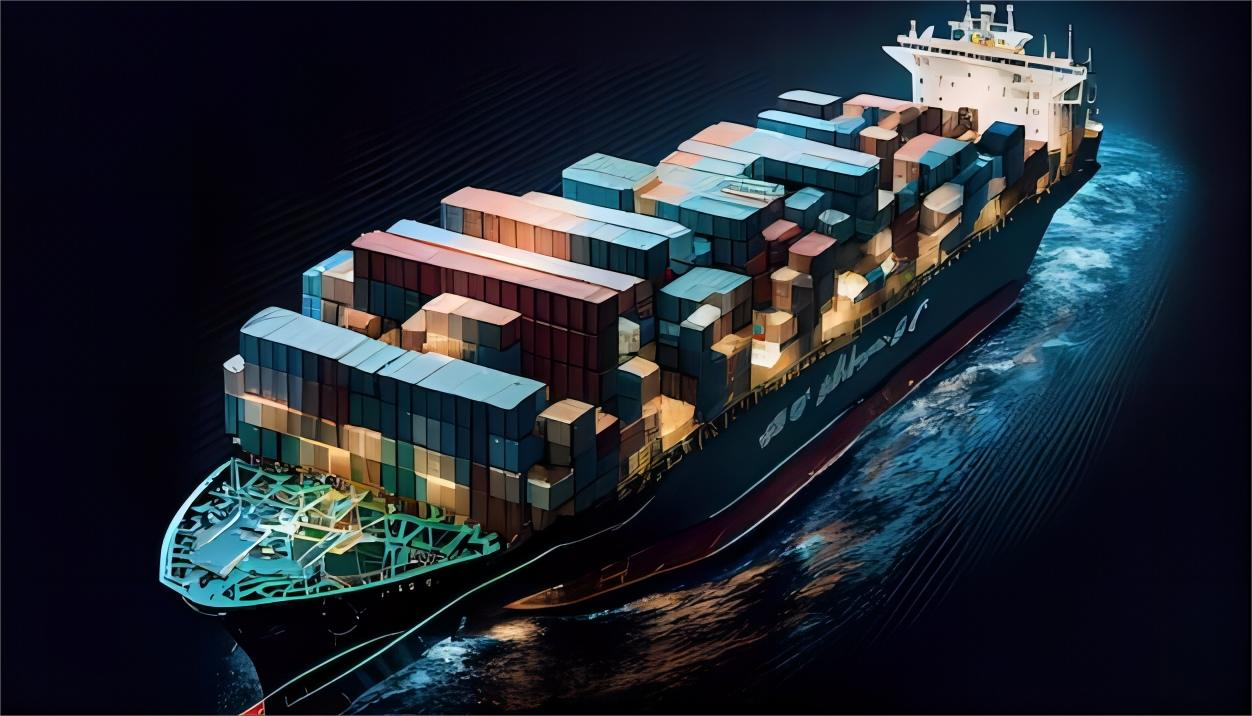
China Shipping Insurance Cargo Delay Protection Plan 2026 Guide
Navigating the complexities of international trade requires a robust china shipping insurance cargo delay protection plan to safeguard your financial interests. As we move into 2026, global supply chains continue to face unpredictable challenges ranging from port congestion to shifting geopolitical landscapes. Business owners can find reliable logistics solutions at alichinafreight.com to ensure their goods arrive safely and on time. Consequently, understanding the nuances of cargo protection is no longer optional but a critical component of a successful import strategy.
What is a China Shipping Insurance Cargo Delay Protection Plan?
A china shipping insurance cargo delay protection plan serves as a specialized financial product designed to compensate importers for losses resulting from transit interruptions. Unlike standard maritime insurance which primarily covers physical damage, this specific protection addresses the economic impact of missed deadlines. Furthermore, it provides a safety net for businesses that operate on tight inventory schedules or just-in-time manufacturing models. Therefore, securing this coverage ensures that your bottom line remains protected even when external factors disrupt the delivery schedule.
Importers often confuse general liability with specific delay protection, which can lead to significant financial exposure during peak seasons. Most standard policies only trigger a claim if the cargo itself sustains physical harm during the voyage. In contrast, a comprehensive delay plan focuses on the time-sensitive value of the goods and the resulting operational costs of a late arrival. Additionally, these plans are increasingly popular in 2026 as market volatility makes transit times less predictable than in previous decades.
Choosing the right level of coverage requires a deep understanding of your specific supply chain risks and the nature of your commodities. For instance, perishable goods or seasonal electronics have a much higher sensitivity to delays than raw materials or bulk industrial components. Consequently, insurers offer tiered plans that allow businesses to customize their protection based on the urgency of their shipments. Indeed, a well-structured plan acts as an essential buffer against the inherent risks of transpacific and Eurasian trade routes.
Why You Need a China Shipping Insurance Cargo Delay Protection Plan in 2026
Market data suggests that while freight rates have stabilized after the disruptions of 2025, the global logistics network remains fragile. Specifically, environmental regulations and labor shifts in major ports have introduced new variables into the standard delivery schedule. Moreover, the 2026 shipping market trends indicate a 15 percent increase in localized port congestion due to high-volume throughput. As a result, having a china shipping insurance cargo delay protection plan is the most effective way to mitigate these systemic risks.
Supply chain disruption protection has become a top priority for procurement officers who must justify logistics spends to their stakeholders. When a shipment is delayed by two weeks, the cost is not just the freight rate but also the lost sales and potential contract penalties. Furthermore, the rising cost of capital in 2026 means that inventory sitting on a ship is an expensive asset that is not generating revenue. Therefore, delay insurance provides the liquidity needed to manage these periods of uncertainty without straining company resources.
Logistics trends for the current year highlight that digital tracking alone is not enough to prevent financial loss. While you might see exactly where your container is stuck, you cannot move it faster through a congested terminal. On the other hand, an insurance payout can cover the cost of sourcing emergency local stock or paying for expedited shipping for a replacement batch. Indeed, this proactive approach to risk management distinguishes market leaders from their competitors in the international trade arena.
Comparing Transit Modes and Insurance Needs
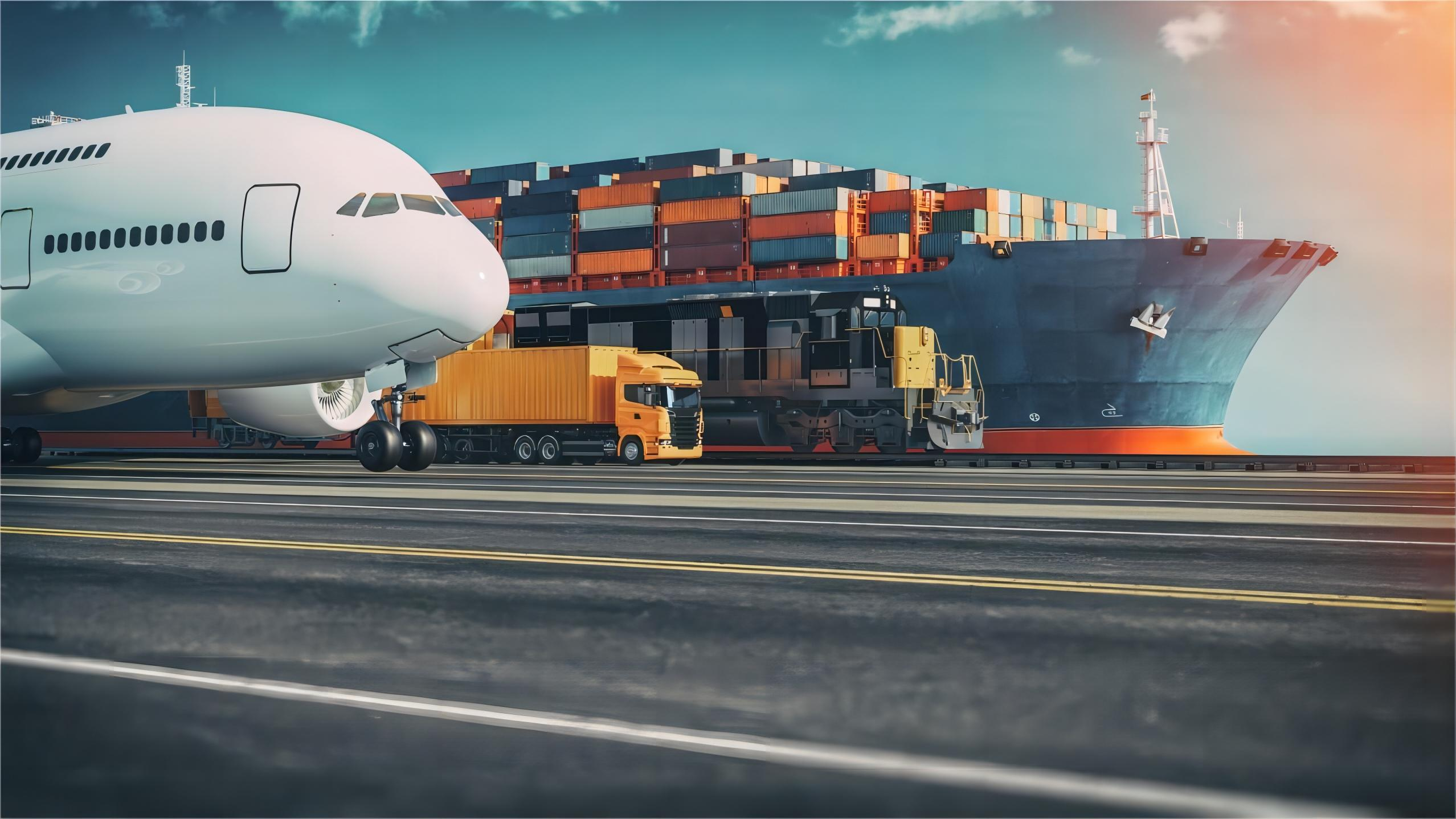
Different transport methods carry unique risk profiles that influence the structure of your china shipping insurance cargo delay protection plan. For example, sea freight is more susceptible to weather-related disruptions and port strikes compared to other modes. Meanwhile, air freight offers speed but comes with significantly higher freight rates and different liability limits. Consequently, the insurance premiums and coverage terms will vary based on the chosen path for your cargo.
Understanding these differences is vital for budgeting and risk assessment throughout the fiscal year. Sea freight remains the backbone of global trade due to its cost-effectiveness for large volumes, yet it requires the most robust delay protection. Conversely, air freight is often used for high-value items where the cost of delay is so extreme that the insurance becomes a mandatory operational expense. Additionally, rail options have emerged as a middle ground for Eurasian routes, requiring specialized transit insurance China policies.
| Shipping Method | Typical Delay Risk | Insurance Priority | Cost Impact |
|---|---|---|---|
| Sea Freight | High (Port/Weather) | Comprehensive Delay | Low to Medium |
| Air Freight | Low (Technical) | High-Value Protection | High |
| Rail Freight | Medium (Border) | Transit Interruption | Medium |
| Express Service | Very Low | Guaranteed Delivery | Very High |
How Does the China Shipping Insurance Cargo Delay Protection Plan Compare to Other Shipping Options?
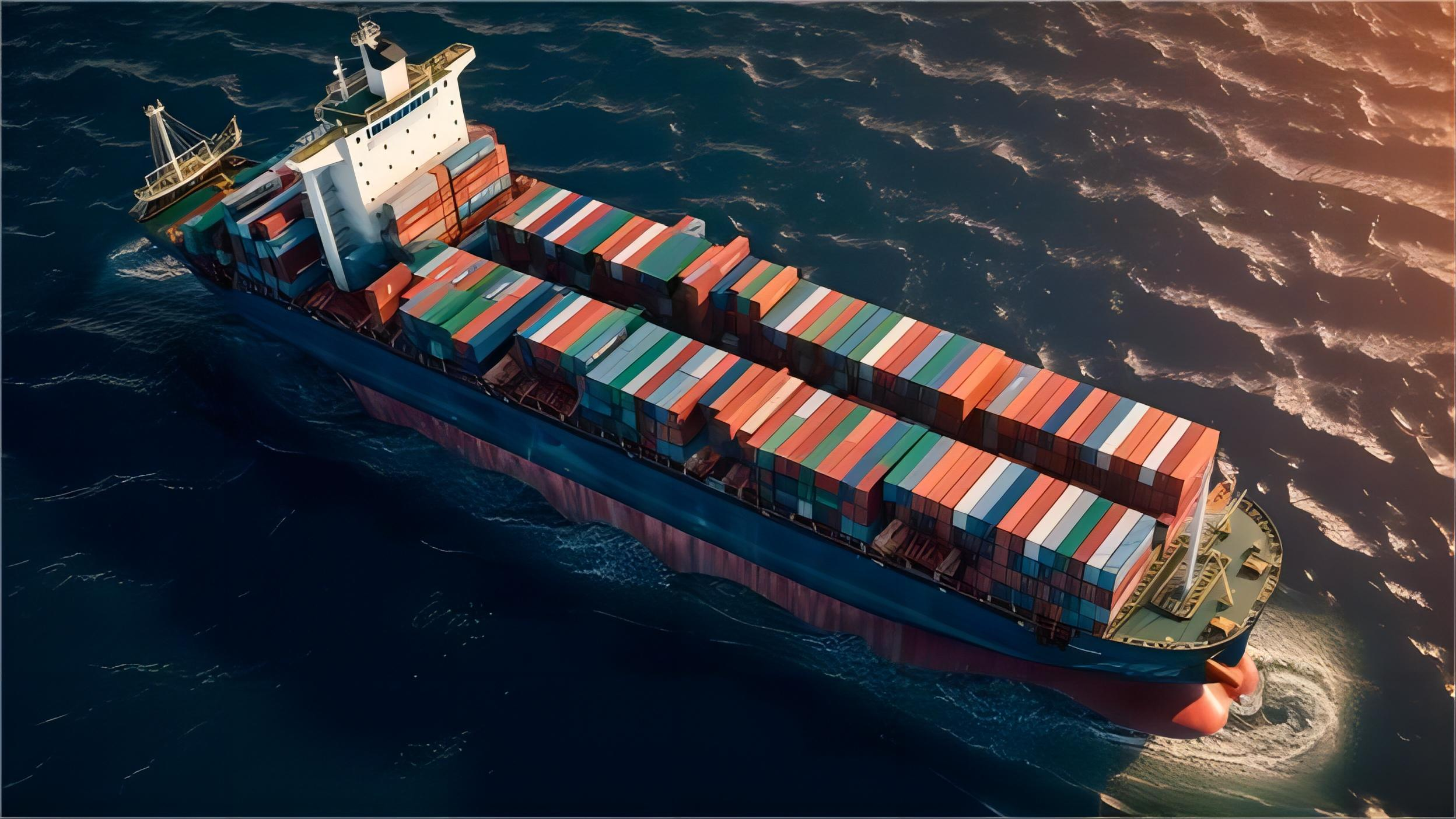
When evaluating your logistics strategy, you must weigh the cost of premium shipping against the cost of standard shipping plus insurance. While a direct, expedited route might seem safer, a china shipping insurance cargo delay protection plan often provides better value for non-urgent inventory. For instance, using a slower service with full delay protection can be 30 percent cheaper than paying for air freight while still covering your financial risks. Therefore, a hybrid strategy combining cost-efficient transport with robust insurance is often the most sustainable choice.
Alternative strategies include diversifying your ports of entry or utilizing transshipment hubs to bypass known congestion points. However, these methods can introduce additional documentation requirements and potential for error during cargo handling. Consequently, many importers prefer to stick with reliable carriers and invest the savings into a high-quality insurance plan. Moreover, this approach simplifies the claims process if something does go wrong, as you are dealing with a single insurance provider rather than multiple logistics entities.
| Strategy | Cost Range | Best For | Limitations |
|---|---|---|---|
| Standard + Insurance | $2,500 – $4,500 | Bulk Commodities | Longer Base Transit |
| Expedited Direct | $6,000 – $9,000 | High-Demand Tech | Higher Carbon Footprint |
| Sea-Air Hybrid | $4,000 – $7,000 | Mid-Value Goods | Complex Customs |
| Multi-Port Split | Variable | Risk Diversification | Increased Admin |
Case Studies in Logistics Risk Management
Analyzing real-world scenarios helps illustrate the practical value of a china shipping insurance cargo delay protection plan in the 2026 market. These examples reflect actual shipments handled under current market conditions and highlight the financial impact of insurance decisions. Specifically, the following cases demonstrate how different businesses managed transit time challenges and cargo loss and damage insurance claims.
Case Study 1: Shenzhen to Los Angeles. A shipment of consumer electronics was delayed by 12 days due to a terminal automation update at the Port of Long Beach. Because the importer had a delay protection plan, they were compensated for the expedited trucking costs required to meet their retail launch date. Without this coverage, the $15,000 in additional inland freight would have come directly out of their profit margin.
Case Study 2: Ningbo to Hamburg. An industrial machinery manufacturer utilized Europe rail freight for a time-critical spare parts order. A border dispute caused a 10-day standstill, but the insurance policy triggered a daily compensation rate that covered the client’s warehouse storage fees. This proactive management ensured that the total landed cost remained within the original budget despite the unforeseen disruption.
Case Study 3: Guangzhou to Sydney. A seasonal apparel shipment faced a 20-day delay due to a major storm system in the South China Sea. The retailer used their delay insurance payout to offer customer discounts, maintaining brand loyalty despite the late arrival of the spring collection. Consequently, the insurance didn’t just save money; it saved the company’s reputation in a competitive market.
Which Option Should You Choose? Decision Framework
Selecting the right china shipping insurance cargo delay protection plan depends on your specific business priorities and tolerance for risk. If your primary goal is budget optimization, you should focus on a plan with a higher deductible but lower monthly premiums for your routine shipments. On the other hand, if speed of recovery is your priority, look for policies that offer ‘first-dollar’ coverage with no deductible for delays exceeding 48 hours. Therefore, your decision should align with your overall supply chain resilience strategy.
Cargo type considerations also play a major role in determining the appropriate level of international shipping protection plans. For instance, low-margin goods like textiles may only require basic loss and damage coverage unless they are tied to a specific marketing event. In contrast, high-margin items with short shelf lives demand the most comprehensive delay protection available. Additionally, consider the volume thresholds; for shipments over 15 CBM, the cost of insurance as a percentage of cargo value often decreases, making full protection more affordable.

Understanding the Cost of Cargo Delay Protection
The shipping delay insurance cost is typically calculated as a percentage of the total insured value of the cargo, including freight and duties. In 2026, average premiums range from 0.3 percent to 0.8 percent of the commercial invoice value, depending on the route and commodity. Furthermore, factors such as the carrier’s safety record and the historical reliability of the loading port will influence the final quote. Consequently, maintaining a clean shipping history can help you negotiate better rates with your insurance provider over time.
Importers should also account for seasonal variations, as rates typically increase by 15 to 25 percent during the August-October peak season. During these months, the risk of delays is statistically higher, and insurers adjust their pricing accordingly to reflect the increased probability of claims. Moreover, choosing a reputable freight forwarder can often give you access to group insurance rates that are significantly lower than individual policies. Indeed, these cost-saving strategies are essential for maintaining competitiveness in a high-cost logistics environment.
Note: Freight rates and insurance premiums are subject to change based on fuel costs, carrier capacity, and seasonal demand. Contact us for a current quote tailored to your specific shipment.
Key Documents for Customs and Claims
Filing a claim under your china shipping insurance cargo delay protection plan requires meticulous documentation and a clear understanding of the process. You must work closely with your customs brokerage to ensure that all entry documents match the insurance policy details. Specifically, the bill of lading, commercial invoice, and packing list must be accurate and readily available for the insurer’s review. Furthermore, any notice of delay from the carrier should be documented immediately to establish a timeline for the claim.
Establishing a clear paper trail is the most effective way to ensure a fast payout and minimize administrative hurdles. In 2026, many insurers have moved to digital claims platforms that require high-resolution photos of the cargo and timestamped digital signatures. Consequently, training your warehouse staff on proper receiving procedures is a vital part of your risk management strategy. Additionally, keeping a log of all communications with the shipping line can provide the necessary evidence to prove that the delay was outside of your control.
| Document Type | Purpose | Required For | Retention Period |
|---|---|---|---|
| Bill of Lading | Proof of Carriage | All Claims | 5 Years |
| Commercial Invoice | Value Verification | Payout Calculation | 7 Years |
| Notice of Arrival | Establishing Delay | Delay Claims | 3 Years |
| Survey Report | Damage Assessment | Loss Claims | 5 Years |
The Role of Freight Forwarders in Securing Coverage
Partnering with an experienced freight forwarder is the most efficient way to integrate a china shipping insurance cargo delay protection plan into your workflow. These professionals have the industry connections to source the best coverage at competitive prices while managing the logistical heavy lifting. For example, Amazon FBA sellers often rely on forwarders to handle the strict delivery windows required by fulfillment centers. Therefore, a forwarder’s expertise in both logistics and insurance can prevent costly errors and ensure your business remains compliant with international regulations.
Furthermore, a good forwarder will provide proactive advice on when to increase your coverage based on current market intelligence. If they see a strike looming at a major transshipment hub, they can recommend temporary delay protection for your upcoming shipments. Consequently, this partnership acts as an early warning system for your supply chain, allowing you to adapt before problems occur. Moreover, in the event of a claim, your forwarder can act as an intermediary, speeding up the communication between the carrier, the insurer, and your company.
Final Thoughts on Cargo Protection
Securing a china shipping insurance cargo delay protection plan is a fundamental step for any business involved in international trade in 2026. By understanding the various coverage options and the current market landscape, you can make informed decisions that protect your capital and your reputation. Furthermore, the combination of the right shipping mode and a robust insurance policy creates a resilient supply chain capable of weathering any storm. Consequently, investing in protection today ensures long-term stability for your global operations.
Indeed, as logistics trends continue to evolve, the value of specialized delay insurance will only grow. Businesses that prioritize risk mitigation will find themselves better positioned to handle the challenges of the future while maintaining consistent delivery schedules for their customers. Therefore, do not wait for a disruption to occur before reviewing your insurance needs. Take action now to ensure your cargo is protected every step of the way from China to its final destination.

Get Your Shipping Quote Today
Protect your investment today by securing a comprehensive china shipping insurance cargo delay protection plan. Our team is ready to provide you with a tailored quote that meets your specific logistics needs for 2026. Visit our website to learn more or send an inquiry to speak with a risk management expert. Visit alichinafreight.com to get started.
Request Quote