

China to Europe Rail Freight Service: The Complete 2026 Logistics Guide
“Global trade dynamics have shifted significantly as we enter 2026, making the China to Europe rail freight service a vital link for modern businesses. Many importers face the constant challenge of balancing high shipping costs with the need for rapid delivery schedules. By choosing a reliable partner like alichinafreight.com, companies can access streamlined logistics that bridge the gap between slow ocean routes and expensive air transport. This article explores how modern rail infrastructure provides a competitive edge in today’s demanding market.”
How Does China to Europe Rail Freight Service Compare to Other Shipping Options?
❖Evaluating different transportation modes is essential for optimizing your logistics budget and meeting customer expectations. While sea freight remains the most economical choice for massive volumes, it often suffers from longer transit times and port congestion. Consequently, many businesses are turning to rail as a middle-ground solution that offers reliability and speed.
Air cargo provides the fastest delivery but comes with a price tag that can erode profit margins on lower-value goods. Therefore, the China to Europe rail freight service serves as an ideal alternative for high-value electronics, automotive parts, and seasonal consumer goods. It provides a significant reduction in transit time compared to the ocean while remaining much cheaper than air freight.
Furthermore, rail transport is less susceptible to the weather-related delays that often plague maritime routes. Modern block trains now operate on fixed schedules, providing a level of predictability that helps managers plan their inventory more effectively. Indeed, the stability of rail freight rates in 2026 has made it a preferred choice for long-term supply chain planning.
| Shipping Method | Cost Range (USD) | Transit Time | Best For |
|---|---|---|---|
| Rail Freight | $2,800 – $4,500 | 15 – 22 Days | High-value retail |
| Sea Freight | $1,800 – $3,500 | 30 – 45 Days | Bulk raw materials |
| Air Freight | $8,000 – $18,000 | 3 – 7 Days | Urgent electronics |
| Sea-Air Hybrid | $4,500 – $7,000 | 18 – 25 Days | Mid-range urgency |
What are the Primary Rail Routes from China to Europe in 2026?
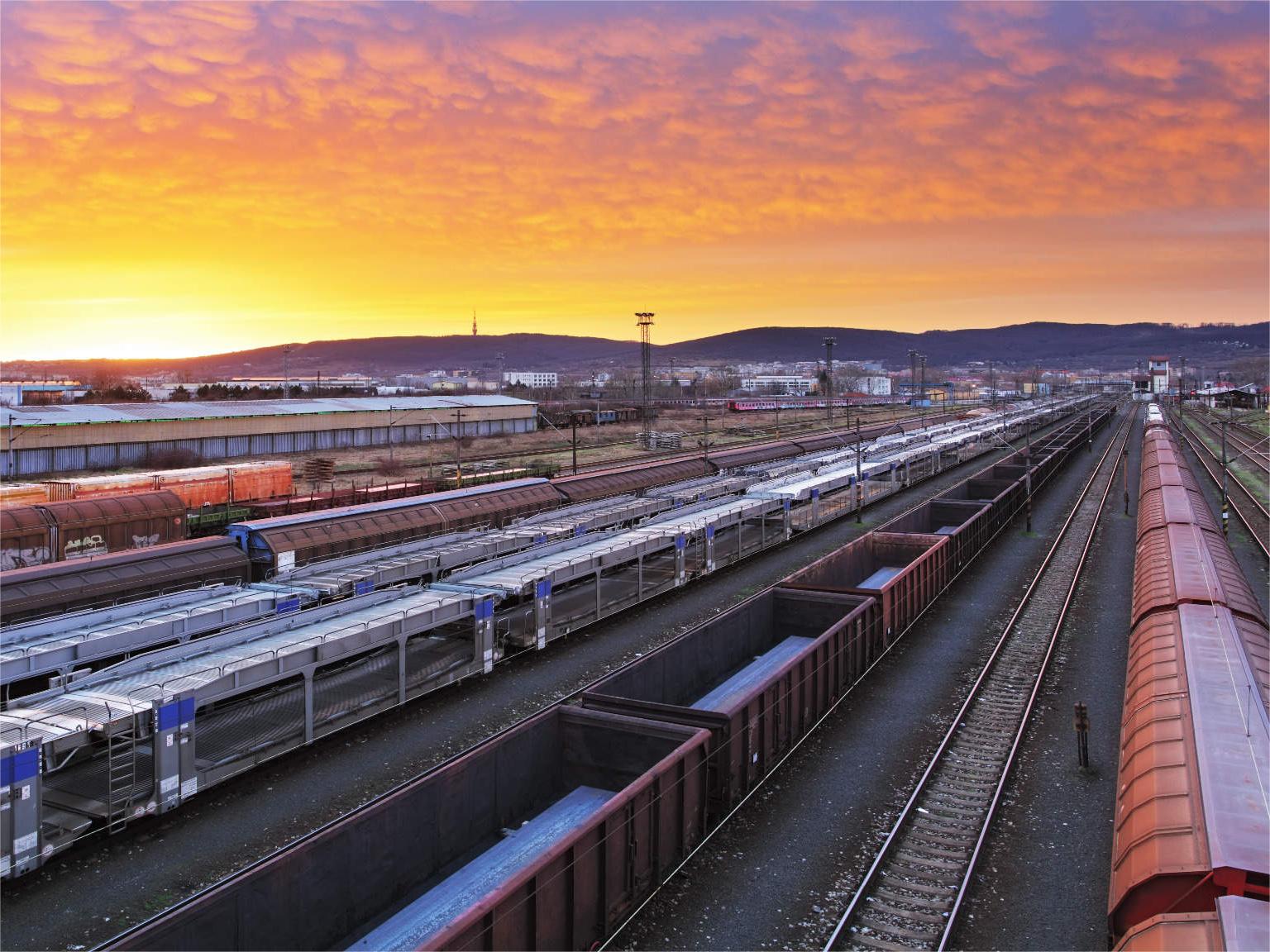
❖Trans-Eurasian rail corridors have expanded significantly over the last decade, offering multiple entry points into the European market. Specifically, the Northern Corridor passes through Russia and Belarus, providing a direct path to Northern Europe and Poland. Meanwhile, the Middle Corridor has gained popularity as a strategic alternative, crossing the Caspian Sea to reach Southern Europe.
Choosing the right route depends on your specific destination and the current geopolitical landscape. For example, shipments destined for Germany or the Netherlands often utilize the Northern route for its established infrastructure and speed. On the other hand, cargo headed for Italy or Turkey might benefit from the developing southern pathways.
Moreover, major hubs like Xi’an, Chengdu, and Chongqing serve as primary departure points in China. These cities have invested heavily in automated terminal technology to speed up container handling and reduce lead times. As a result, the efficiency of the China to Europe rail freight service continues to improve year over year.
Why is Sustainable Rail Logistics Becoming a Priority for Importers?
❖Environmental impact is now a key performance indicator for many global corporations seeking to reduce their carbon footprint. Compared to air transport, the China to Europe rail freight service emits significantly less CO2 per ton-kilometer. Consequently, adopting rail shipping helps companies meet their ESG (Environmental, Social, and Governance) targets without sacrificing too much speed.
Additionally, many European countries are introducing stricter carbon taxes on imports arriving via high-emission methods. By utilizing eco-friendly freight options, businesses can potentially lower their overall landed costs by avoiding these additional levies. Indeed, the shift toward green logistics is no longer just a trend but a regulatory necessity in 2026.
Furthermore, rail infrastructure is increasingly powered by renewable energy sources in several transit countries. This transition further enhances the sustainability profile of the Eurasian land bridge. Therefore, choosing rail freight is a forward-thinking decision for any brand committed to environmental responsibility.
How are Rail Freight Rates Calculated for 2026 Shipments?
❖Understanding the components of shipping costs is vital for accurate budgeting and financial forecasting. Rail freight rates are typically influenced by fuel surcharges, terminal handling fees, and seasonal demand fluctuations. During peak seasons, such as the lead-up to the holidays, prices can increase by 15% to 25% due to high container demand.
Moreover, the type of equipment used, such as 40HQ containers or specialized reefers, will impact the final quote. For smaller shipments, LCL (Less than Container Load) options allow businesses to share space and costs with other importers. In contrast, FCL (Full Container Load) is more economical for those moving large volumes of goods consistently.
Nevertheless, it is important to remember that the total landed cost includes more than just the transport fee. You must also account for insurance, customs duties, and local drayage at both ends of the journey. To ensure accuracy, we recommend requesting a comprehensive quote from a professional logistics provider.
| Route Origin | Destination | 20GP Rate | 40HQ Rate |
|---|---|---|---|
| Xi’an, China | Duisburg, Germany | $2,600 | $3,900 |
| Chengdu, China | Lodz, Poland | $2,450 | $3,700 |
| Wuhan, China | Lyon, France | $2,900 | $4,200 |
| Shenzhen, China | Warsaw, Poland | $2,750 | $4,000 |
What Documents are Required for China to Europe Rail Freight?
❖Navigating the complexities of international trade requires meticulous attention to documentation and legal compliance. Standard requirements include a commercial invoice, a detailed packing list, and the railway bill of lading. Without these documents, shipments can face significant delays at border crossings or during final clearance.
Additionally, certain types of cargo may require specific certificates of origin or safety data sheets. Working with an experienced customs brokerage service is the best way to ensure all paperwork meets current 2026 regulations. They can help you classify goods correctly under the Harmonized System (HS) codes to avoid overpaying duties.
Furthermore, digital documentation is becoming the standard across the Silk Road Economic Belt. Electronic data interchange (EDI) allows for faster processing and real-time tracking of your cargo’s legal status. Consequently, the risk of manual errors is greatly reduced, leading to a smoother transit experience for all parties involved.
Real-World Case Studies: Successful Rail Freight Operations
❖Case Study 1: Electronics Distribution. Route: Shenzhen, China to Warsaw, Poland. Cargo: Consumer electronics, 68 CBM, 12,000 kg. Container: 2x40HQ. Shipping Details: Direct block train service via the Northern Corridor. Cost Breakdown: Rail freight $8,200, Origin charges $450, Destination charges $600, Total Landed Cost $9,250. Timeline: Booking to loading 3 days, Rail transit 19 days, Customs clearance 2 days, Total Door-to-Door 24 days. Key Insight: Choosing rail saved the client $14,000 compared to air freight while meeting a tight product launch deadline.
Case Study 2: Automotive Components. Route: Hefei, China to Hamburg, Germany. Cargo: Engine parts, 28 CBM, 8,500 kg. Container: 1x40GP. Shipping Details: Transshipment via Xi’an hub. Cost Breakdown: Rail freight $3,850, Customs and duties $1,200, Total Landed Cost $5,050. Timeline: Rail transit 17 days, Total Door-to-Door 21 days. Key Insight: The stability of the rail schedule allowed the manufacturer to maintain a Just-In-Time inventory system without the high cost of air shipping.
Case Study 3: E-commerce Fulfillment. Route: Zhengzhou, China to Liege, Belgium. Cargo: Mixed retail goods, 5 CBM. Container: LCL shipment. Shipping Details: Consolidated rail service. Cost Breakdown: Total Door-to-Door $1,150. Timeline: Total 26 days. Key Insight: LCL rail provided a faster alternative to sea freight for a small business looking to restock their Amazon FBA inventory quickly.
How Can You Optimize Your Door to Door Rail Strategy?
❖Successful logistics management extends beyond the rail terminal to the final delivery point at your warehouse. Implementing a comprehensive door to door strategy ensures that the transition from rail to truck is seamless. This approach minimizes the risk of cargo damage and reduces the administrative burden on your internal team.
Specifically, you should coordinate with local trucking companies to ensure trailers are available as soon as the train arrives. Delays in the final mile can quickly negate the time savings achieved during the long-haul rail journey. Therefore, visibility into the arrival schedule is paramount for maintaining a smooth supply chain flow.
Moreover, many providers now offer integrated tracking systems that monitor the container’s location from the factory floor to the end destination. This level of transparency allows you to provide accurate updates to your customers and manage their expectations. As a result, your business can build stronger relationships based on reliability and communication.
Which Shipping Option Should You Choose for Your Business?
❖Deciding on the best transportation method requires a clear understanding of your priorities regarding cost, speed, and cargo type. If your primary goal is budget optimization and you have flexible lead times, sea freight remains the logical choice. However, if you are shipping time-sensitive goods that do not justify the expense of air travel, rail is the winner.
Consider the volume of your shipments as well; for volumes between 15 and 30 CBM, FCL rail often provides the best value. For very small parcels or urgent samples, express service might still be necessary despite the higher cost. Each business must weigh these trade-offs based on their specific market demands and financial constraints.
Additionally, remember to factor in the hidden costs of longer lead times, such as capital tied up in inventory. Faster transit via rail can improve your cash flow by allowing for quicker turnover of goods. Consequently, the China to Europe rail freight service often proves to be more cost-effective than it appears on the surface.
Final Thoughts on Rail Freight Logistics
To summarize, the China to Europe rail freight service has evolved into a sophisticated and essential component of international trade in 2026. It offers a unique combination of speed, cost-effectiveness, and environmental sustainability that other modes simply cannot match. By understanding the routes, costs, and documentation requirements, businesses can navigate the complexities of Eurasian trade with confidence.
Without a doubt, the continued investment in rail infrastructure will only further enhance the reliability of this shipping method. Whether you are a large corporation or a growing e-commerce brand, integrating rail into your supply chain provides a strategic advantage. We encourage you to partner with experienced logistics professionals to maximize the benefits of this dynamic transport solution.
Ready to streamline your logistics?
Ready to streamline your logistics with a professional China to Europe rail freight service? Contact our expert team at alichinafreight.com today to receive a customized quote and discover how we can optimize your 2026 shipping strategy. Visit our website to learn more about our comprehensive freight solutions.
Request Quote