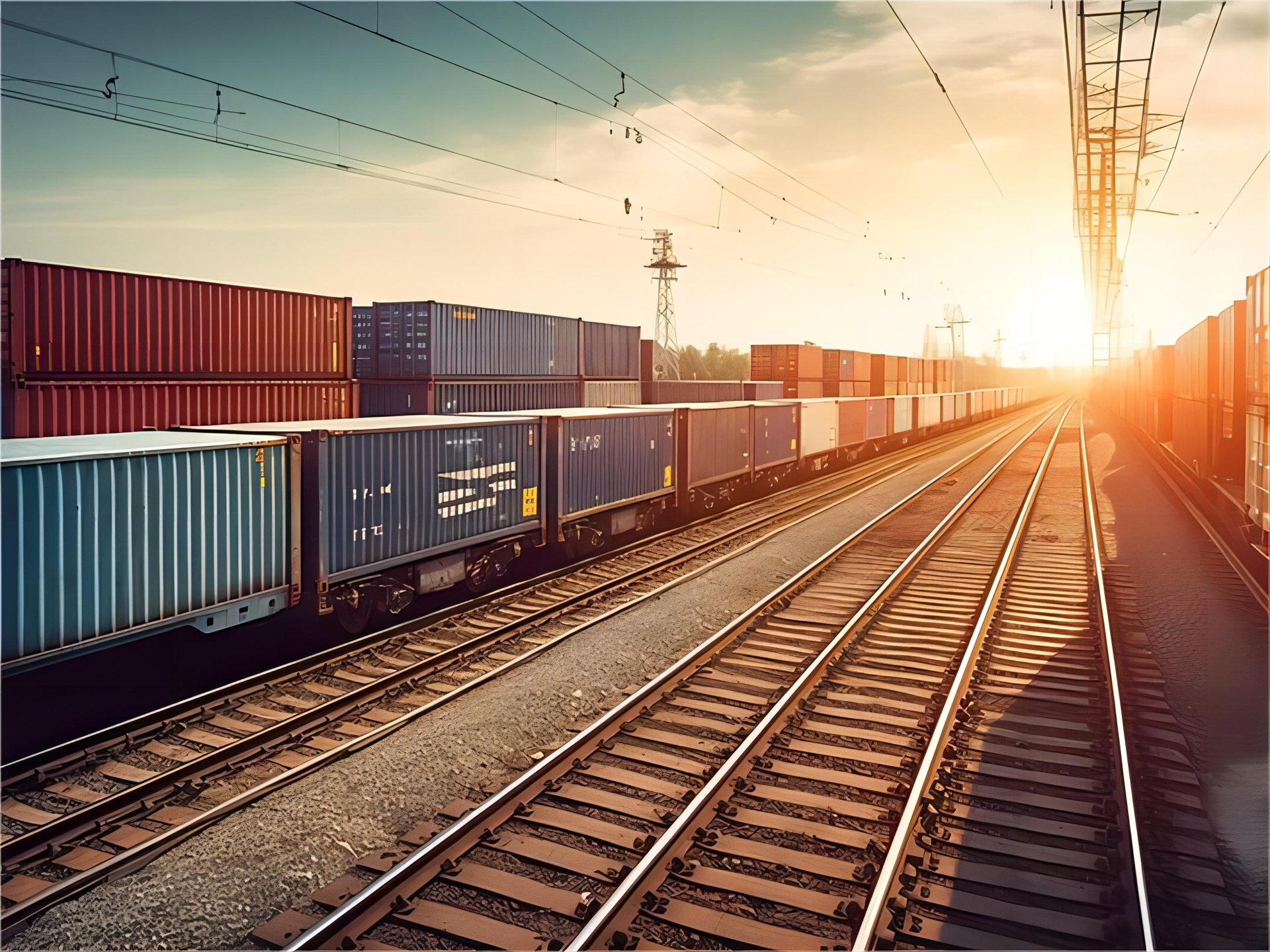


China to Germany FCL Container Shipping: 2026 Logistics Guide
Successfully managing china to germany fcl container shipping is vital for businesses seeking reliable supply chain solutions in 2026. As global trade routes stabilize, understanding the nuances of full container load logistics becomes a significant competitive advantage. This comprehensive guide outlines everything from port selection to cost optimization strategies for your German imports.

What are the Benefits of China to Germany FCL Container Shipping?
Choosing FCL shipping provides exclusive use of a container, which significantly reduces the risk of damage or contamination from other goods. Consequently, this method is ideal for large volumes or fragile items that require dedicated space and security.
Moreover, sea freight via FCL often results in faster transit times compared to LCL because it avoids the consolidation and deconsolidation processes. Therefore, businesses can predict delivery schedules with higher accuracy.
Additionally, FCL shipping is generally more cost-effective per unit when you have enough cargo to fill at least 70 percent of a container. Notably, the simplified handling at ports leads to lower terminal charges and faster customs processing in 2026.
Key Ports for FCL Shipping Between China and Germany
Selecting the right departure and arrival ports is a critical step in optimizing your logistics chain. China hosts some of the world’s busiest ports, including Shanghai, Ningbo-Zhoushan, and Shenzhen, which offer frequent sailings to Europe.
In Germany, the Port of Hamburg serves as the primary gateway for containerized cargo, handling millions of TEUs annually. Furthermore, Bremerhaven is a major alternative, particularly for automotive and heavy machinery shipments entering Northern Europe.
Wilhelmshaven is another strategic option, as it is Germany’s only deep-water port capable of handling the largest ultra-large container vessels. Specifically, choosing a port closer to your final destination in Germany can significantly reduce inland drayage costs.
Understanding Transit Times for China to Germany FCL
Typically, the sea transit time for a container moving from a major Chinese port to Hamburg ranges between 28 and 35 days. However, factors such as weather conditions and port congestion can influence the actual arrival date.
Direct routes are generally the fastest, though they might carry a premium price compared to transshipment options via Singapore or Colombo. Meanwhile, modern tracking technologies in 2026 allow importers to monitor their shipments in real-time.
As a result, planning for a total door-to-door timeline of 40 to 50 days is advisable to account for loading, customs, and final delivery. Indeed, maintaining a buffer in your schedule helps mitigate unforeseen delays in the global supply chain.
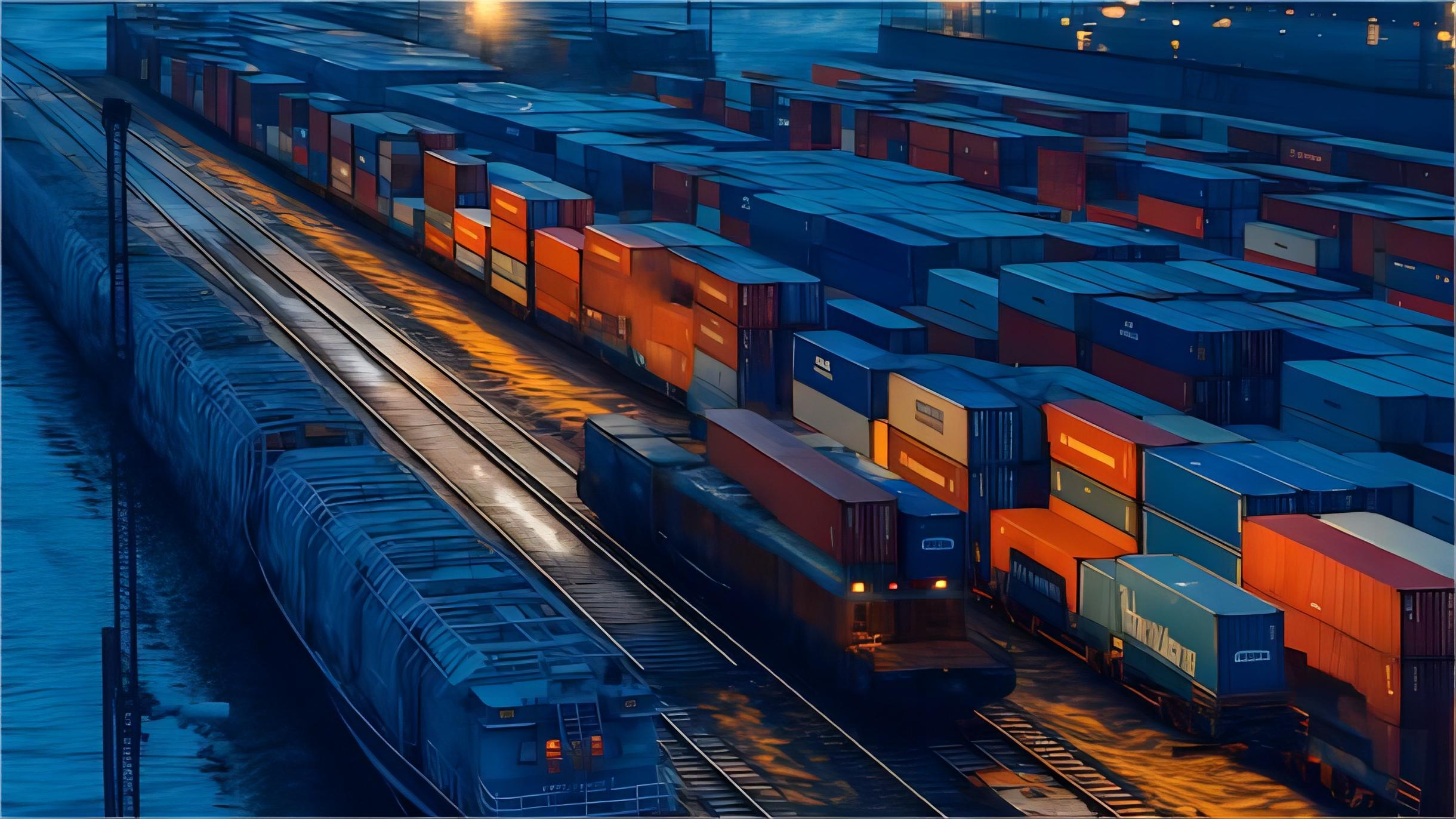
Cost Breakdown: FCL Shipping Rates in 2026
Freight rates for FCL shipments are influenced by several variables, including fuel surcharges, seasonal demand, and carrier capacity. Specifically, the peak season from August to October often sees price increases of 15 to 25 percent.
In early 2026, market data suggests that rates have stabilized following previous years of disruption. Nevertheless, it is essential to consider the total landed cost, which includes ocean freight, insurance, and local handling fees.
The following table provides an estimate of current market rates for common container sizes on the China to Germany route.
| Container Type | Capacity (CBM) | Estimated Rate (USD) | Average Transit |
|---|---|---|---|
| 20GP Container | 33 CBM | $1,900 – $2,600 | 30-35 Days |
| 40GP Container | 67 CBM | $3,000 – $4,000 | 30-35 Days |
| 40HQ Container | 76 CBM | $3,200 – $4,500 | 30-35 Days |
How Does FCL Compare to Other Shipping Options?
While FCL is a popular choice, it is important to evaluate alternative methods like rail freight or air freight based on your specific needs. Rail freight, for instance, offers a middle ground between the speed of air and the cost of sea.
Air freight remains the fastest option but is significantly more expensive, making it suitable only for high-value or urgent cargo. In contrast, LCL is better for smaller shipments that do not justify the cost of a full container.
The table below compares the primary shipping methods available for the China to Germany route in 2026.
| Method | Cost Level | Transit Time | Best For |
|---|---|---|---|
| FCL Sea | Low | 30-40 Days | Bulk Goods / Large Volume |
| LCL Sea | Medium | 35-45 Days | Small Shipments |
| Rail Freight | Medium-High | 15-22 Days | Time-Sensitive Cargo |
| Air Freight | Very High | 3-7 Days | Urgent / High Value |
Customs Clearance and Documentation for German Imports
Navigating German customs requires precise documentation to avoid costly delays and penalties at the border. Essential documents include the Commercial Invoice, Packing List, Bill of Lading, and a Certificate of Origin.
Furthermore, utilizing a professional customs brokerage service can streamline the process by ensuring all HS codes are correctly classified. This is particularly important for goods subject to specific EU regulations or anti-dumping duties.
Germany also requires an EORI number for all businesses importing goods from outside the European Union. Consequently, ensuring your paperwork is in order before the vessel arrives in Hamburg is crucial for a smooth transition.
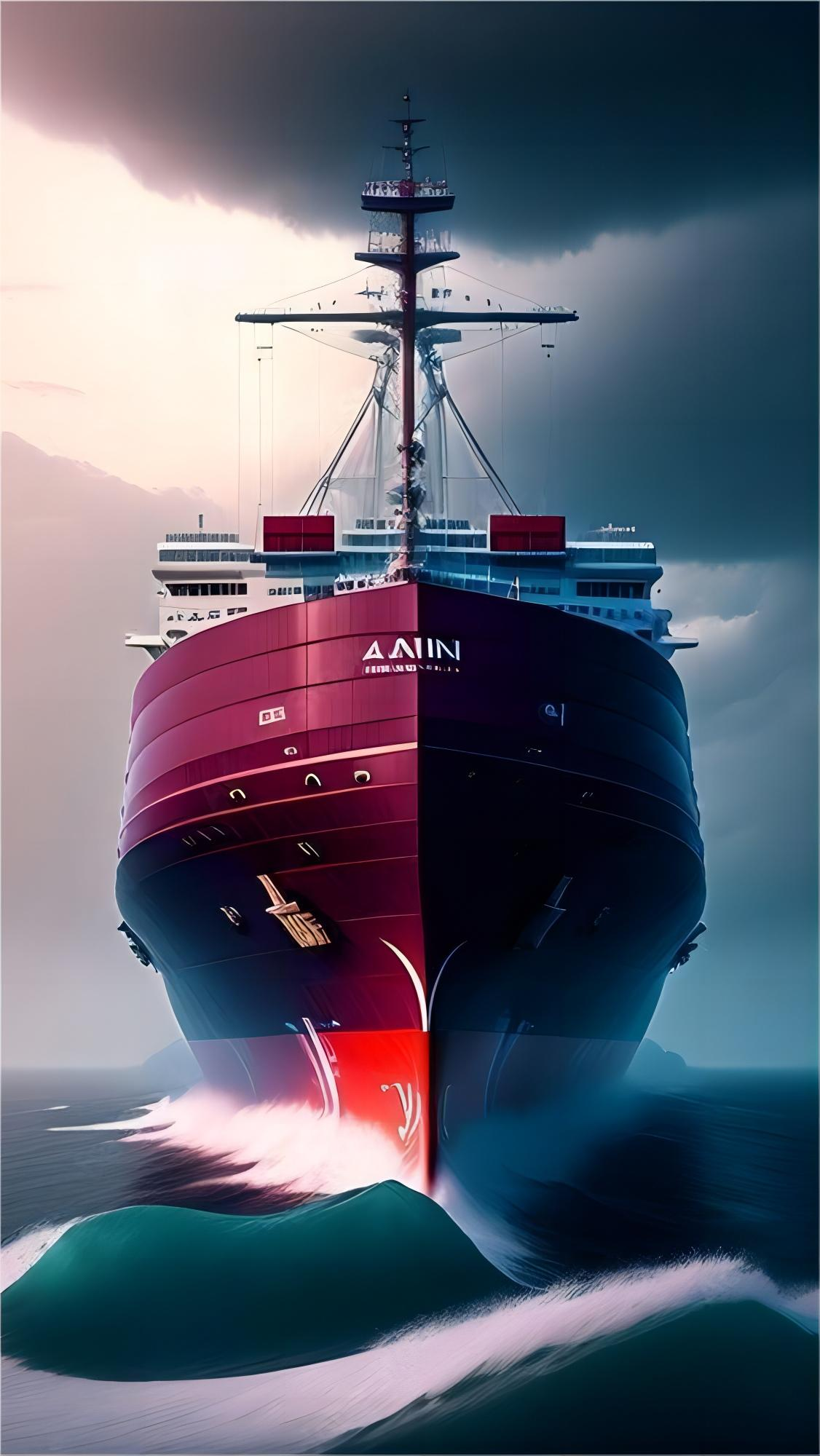
Real-World Case Studies for China to Germany Shipping
Examining real-world examples helps illustrate the practical challenges and successes of international logistics. Below are two scenarios based on typical shipments handled in late 2025 and early 2026.
Case Study 1: Industrial Machinery from Shanghai to Hamburg. Cargo: 40HQ Container, 18,000 kg. Shipping Method: FCL Sea Freight. Total Landed Cost: $5,200. Transit Time: 34 Days. Key Insight: Early booking during the Q4 peak season saved the client 15 percent on freight costs.
Case Study 2: Consumer Electronics from Shenzhen to Munich. Cargo: 20GP Container, 8,000 kg. Shipping Method: FCL Sea + Inland Rail. Total Landed Cost: $3,800. Transit Time: 38 Days. Key Insight: Using a multi-modal approach reduced final mile delivery costs by 20 percent compared to trucking.
Which Option Should You Choose? Decision Framework
Deciding on the best shipping strategy depends on your budget, timeline, and cargo volume. If your priority is cost minimization and you have more than 15 CBM of goods, FCL is almost always the superior choice.
However, if speed is the primary concern, you might consider hybrid solutions or rail options. For a seamless experience, door to door services can manage the entire journey from the Chinese factory to your German warehouse.
Without a doubt, consulting with an experienced freight forwarder will help you navigate the complexities of 2026 market trends. Always request multiple quotes to ensure you are receiving the best value for your specific shipping requirements.
Final Thoughts on FCL Shipping to Germany
In summary, mastering china to germany fcl container shipping involves balancing cost, speed, and reliability. By choosing the right ports and maintaining accurate documentation, you can ensure a smooth import process in 2026.
As market conditions continue to evolve, staying informed about logistics trends remains essential. Partnering with a dedicated freight forwarder will provide the expertise needed to navigate these international trade waters successfully.
Get Your Shipping Quote Today
Ready to optimize your supply chain? Contact us today for a personalized quote on your china to germany fcl container shipping needs.
Request Quote