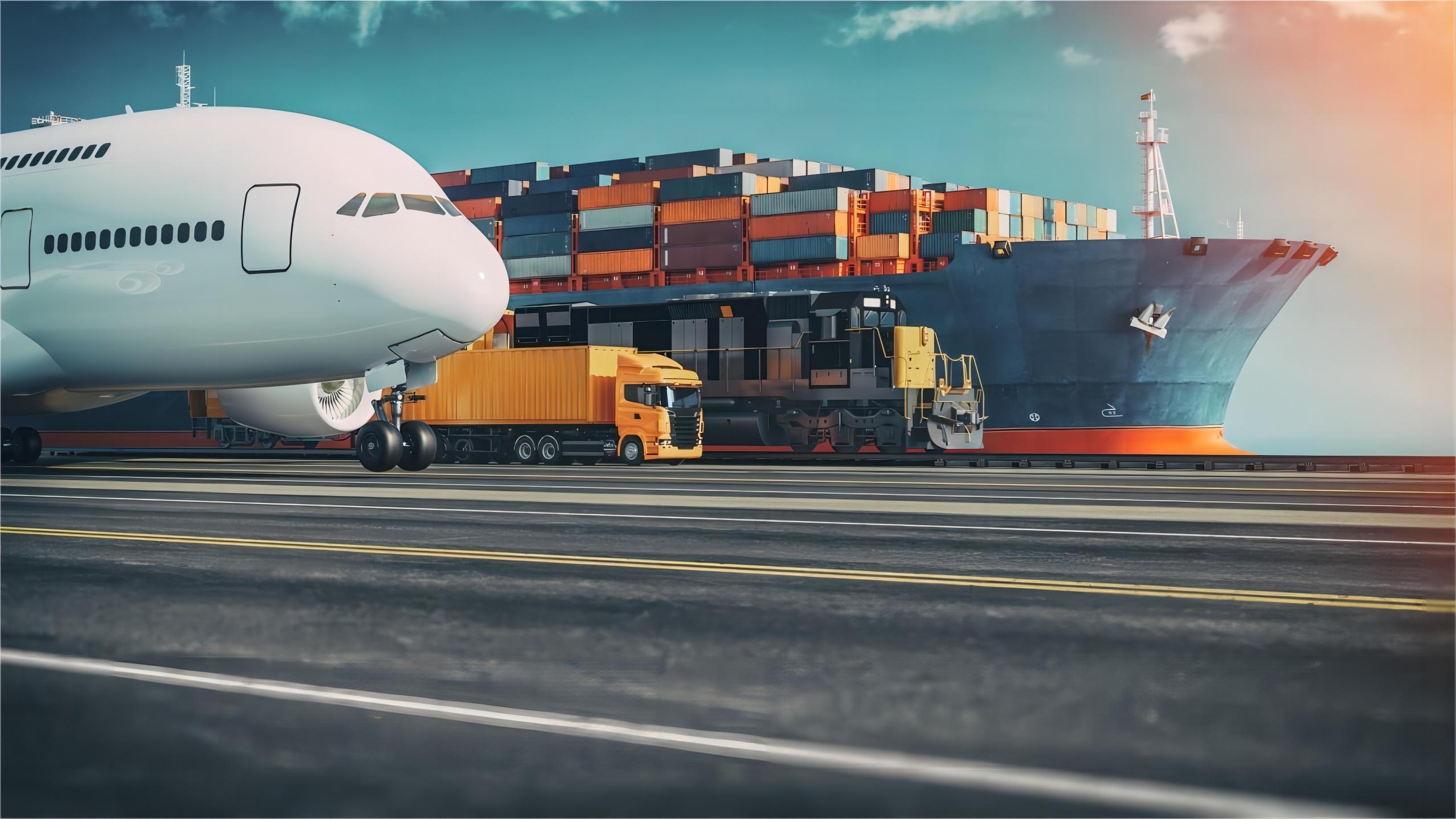


China Warehouse Storage Fulfillment USA: 2026 Strategic Guide
Navigating the complexities of international trade requires a robust strategy for china warehouse storage fulfillment usa to maintain a competitive edge. Many businesses struggle with rising costs and delayed timelines in the current global market environment. By partnering with DSV-Freight, you can streamline your logistics from the factory floor to the final doorstep efficiently. This comprehensive guide explores how modern storage solutions and fulfillment networks bridge the gap between Chinese manufacturing and American consumers.
✦
What is China Warehouse Storage Fulfillment USA?
China warehouse storage fulfillment usa refers to an integrated logistics model where goods are stored in Chinese facilities before being shipped and distributed across the United States. This model allows businesses to manage inventory closer to the source of production while maintaining rapid delivery capabilities for American customers. Consequently, companies can reduce domestic storage overhead in the USA by utilizing cost-effective Chinese warehousing.
Furthermore, this approach enables sophisticated quality control and kitting processes to occur before the items ever leave the mainland. Moreover, the integration of advanced warehouse management systems ensures that stock levels are synchronized across international borders in real-time. Therefore, businesses can respond more dynamically to market fluctuations and consumer demand patterns throughout the 2026 fiscal year.
The Evolution of Cross-Border Fulfillment
Logistics trends in 2026 have shifted toward hybrid models that combine long-term storage in China with agile last-mile delivery in the USA. Historically, companies kept all inventory in expensive American warehouses, but high real estate costs have forced a strategic pivot. Additionally, the rise of direct-to-consumer shipping has made the efficiency of Chinese fulfillment centers more critical than ever before.
How Does China Warehouse Storage Fulfillment USA Compare to Other Shipping Options?
Choosing the right transportation method is essential for balancing your budget and meeting customer expectations for speed. For instance, sea freight remains the most economical choice for high-volume shipments despite longer transit times. In contrast, air freight offers unparalleled speed for high-value or time-sensitive inventory that needs to reach the USA quickly.
Indeed, many businesses now utilize a mix of these methods to optimize their landed costs while ensuring product availability. Specifically, the use of LCL shipping allows smaller brands to access the benefits of ocean transport without needing to fill an entire container. Meanwhile, express services provide a premium solution for urgent restocks or small parcel fulfillment needs.
| Shipping Method | Cost Range | Transit Time | Best For |
|---|---|---|---|
| Sea Freight (FCL) | $3,000 – $6,000 | 18 – 35 Days | Bulk inventory and large orders |
| Air Freight | $5 – $12 per kg | 5 – 10 Days | High-value electronics and urgent stock |
| Express Service | $8 – $15 per kg | 3 – 5 Days | Samples and small parcel fulfillment |
| LCL Shipping | $80 – $150 per CBM | 20 – 40 Days | Mid-sized shipments and startups |
Alternative Strategies for Cost Reduction
Implementing a hybrid logistics strategy can significantly lower your total expenses compared to traditional direct shipping methods. For example, utilizing air freight for initial product launches followed by sea freight for replenishment can balance speed and cost. Additionally, consolidating multiple small orders into a single large shipment in a China warehouse reduces per-unit documentation fees.
Moreover, businesses should consider the benefits of tax-bonded warehouses in China to defer duties until the point of export. Consequently, this improves cash flow by keeping capital within the business for longer periods. Nevertheless, it is vital to monitor current market rates as of early 2026 to ensure your chosen strategy remains the most competitive option available.
Note: Freight rates are subject to change based on fuel costs, carrier capacity, and seasonal demand. Contact us for a current quote tailored to your specific shipment.

The Role of Inventory Management in 2026
Effective inventory management is the backbone of any successful china warehouse storage fulfillment usa operation in the current year. Furthermore, automated tracking systems now provide visibility into every stage of the supply chain from production to the final mile. As a result, businesses can accurately predict stockouts and prevent overstocking, which often leads to wasted capital and storage fees.
Accordingly, the integration of AI-driven demand forecasting has become a standard practice for top-tier logistics providers. Meanwhile, these systems allow for seamless communication between Chinese warehouses and American distribution centers. Without a doubt, maintaining high data accuracy is the most effective way to mitigate the risks associated with long-distance fulfillment.
Integrating with Amazon FBA Services
Many e-commerce sellers rely on Amazon FBA to handle their last-mile delivery and customer service in the USA. However, shipping directly from a Chinese factory to an Amazon warehouse can be risky due to strict compliance requirements. Therefore, using a specialized China warehouse for pre-FBA inspection and labeling ensures that your shipments meet all Amazon standards before they cross the ocean.
Additionally, this intermediate step allows for the consolidation of goods from multiple suppliers into a single FBA-compliant shipment. Consequently, you can save on shipping costs while reducing the likelihood of rejected inventory at the USA fulfillment center. For instance, a professional logistics partner can handle the entire process from pickup in China to delivery at the designated Amazon facility.
Transit Times and Regional Logistics Hubs
Understanding transit times is crucial for planning your inventory cycles and meeting seasonal demand peaks in the American market. For example, shipments from Shenzhen to the West Coast of the USA typically arrive faster than those destined for the East Coast. Moreover, the choice of port can impact the total duration of the journey due to varying levels of congestion and infrastructure efficiency.
Indeed, using regional hubs such as Ningbo or Shanghai can provide more frequent sailing schedules and competitive rates for ocean transport. On the other hand, air freight hubs like Hong Kong offer extensive global connectivity for rapid distribution. Consequently, your choice of origin port should align with your production location and your target destination in the USA.
| Origin Port | USA Destination | Method | Est. Transit Time |
|---|---|---|---|
| Shenzhen | Los Angeles | Sea Freight | 14 – 18 Days |
| Shanghai | New York | Sea Freight | 30 – 35 Days |
| Ningbo | Chicago | Sea (Intermodal) | 25 – 30 Days |
| Hong Kong | Dallas | Air Freight | 6 – 8 Days |
Real-World Case Studies for 2026
Analyzing real-world scenarios provides valuable insights into the practical application of china warehouse storage fulfillment usa strategies. These cases illustrate how different businesses navigate the complexities of international shipping to achieve their logistics goals. Furthermore, they highlight the importance of choosing the right carrier and route to maximize efficiency and minimize costs in the current market.
Case Study 1: Electronics Distribution
Route: Shenzhen, China to Los Angeles, USA. Cargo: Consumer Electronics, 15 CBM, 4,500 kg. Container: LCL. Shipping Details: Major carrier via direct route. Cost Breakdown: Ocean Freight: $1,850; Origin Charges: $450; Destination Charges: $600; Customs & Duties: $1,200; Total Landed Cost: $4,100. Timeline: Booking to Loading: 3 days; Sea Transit: 16 days; Customs Clearance: 2 days; Total Door-to-Door: 21 days. Key Insight: Consolidating LCL shipments in Shenzhen allowed the client to maintain a bi-weekly restock schedule without the cost of full containers.
Case Study 2: Apparel Peak Season Fulfillment
Route: Ningbo, China to Savannah, USA. Cargo: Seasonal Apparel, 68 CBM, 12,000 kg. Container: 40HQ. Shipping Details: MSC via Panama Canal. Cost Breakdown: Ocean Freight: $5,200; Origin Charges: $550; Destination Charges: $850; Customs & Duties: $3,500; Total Landed Cost: $10,100. Timeline: Booking to Loading: 5 days; Sea Transit: 32 days; Customs Clearance: 3 days; Total Door-to-Door: 40 days. Key Insight: Booking 4 weeks in advance during the Q3 peak season saved the client 15% on freight rates compared to spot market pricing.
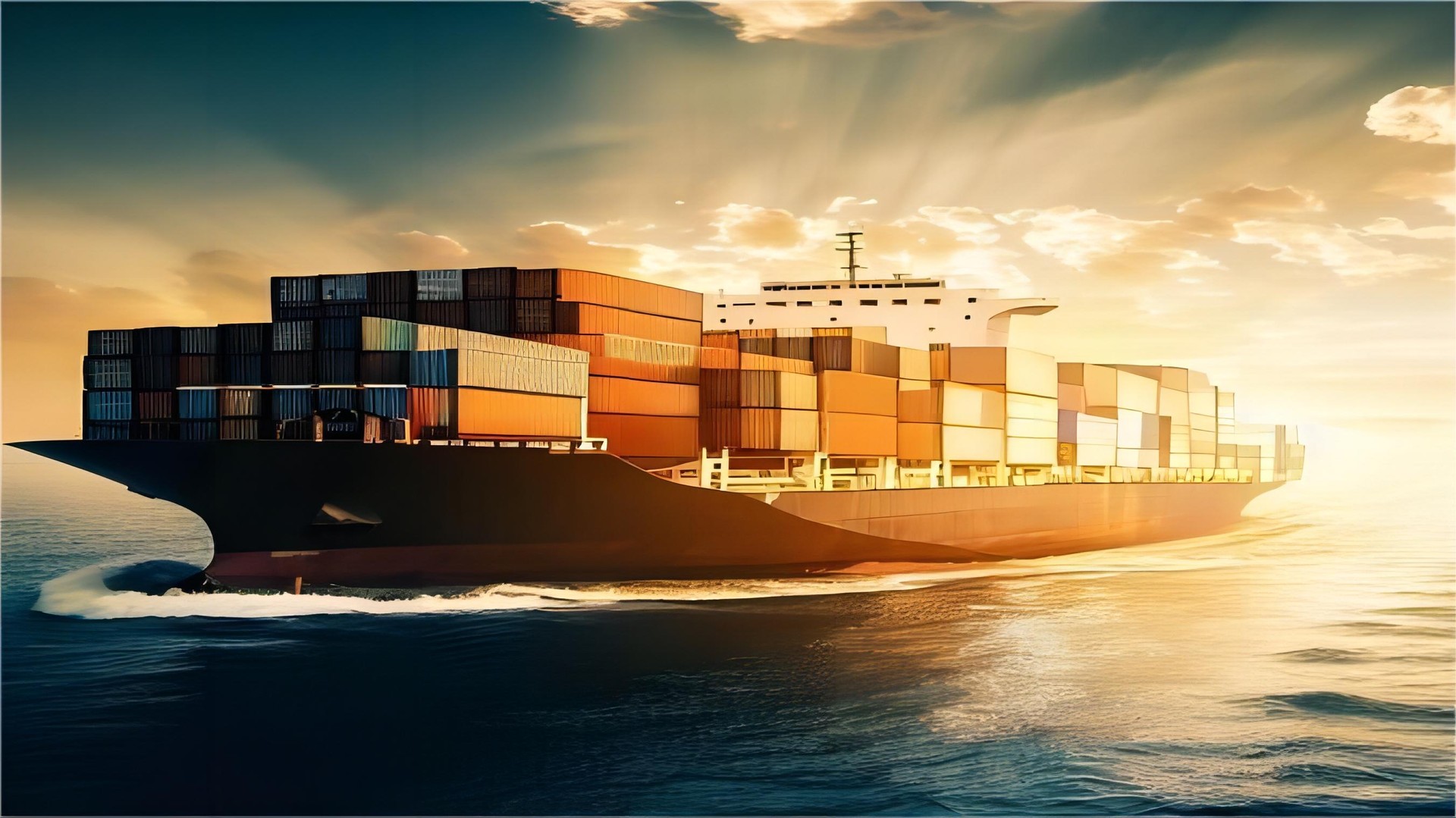
Customs Compliance and Documentation in 2026
Navigating the regulatory landscape is a critical component of successful international fulfillment between China and the USA. For instance, accurate customs brokerage services are necessary to avoid costly delays and penalties at the border. Moreover, the documentation requirements in 2026 have become more stringent regarding product safety and environmental standards.
Consequently, businesses must ensure that all paperwork, including commercial invoices and packing lists, is perfectly aligned with the physical cargo. Furthermore, understanding the Harmonized System (HS) codes for your products is essential for calculating correct duty rates. Without a doubt, partnering with an experienced broker is the best way to ensure a smooth clearance process.
| Document Name | Purpose | Required By | Timeline |
|---|---|---|---|
| Commercial Invoice | Value declaration | US Customs | At time of export |
| Packing List | Cargo verification | Warehouse/Customs | At time of loading |
| Bill of Lading | Title of goods | Carrier/Importer | After vessel departure |
| ISF (10+2) | Security filing | US Customs | 24 hours before loading |
Which Option Should You Choose? Decision Framework
Selecting the optimal logistics path depends on your specific business priorities, whether you value cost savings or speed of delivery. For example, if your primary goal is budget optimization, sea freight combined with regional trucking in the USA is the most effective approach. Conversely, if you are handling perishable goods or high-demand product launches, air freight is the superior choice.
Additionally, many companies find success with a door to door service that manages the entire process from the China warehouse to the final USA customer. This comprehensive solution reduces the administrative burden on your team and provides a single point of accountability. Therefore, you should evaluate your cargo volume and delivery deadlines before committing to a specific fulfillment model.
Mastering Your Supply Chain in 2026
In conclusion, mastering china warehouse storage fulfillment usa is essential for any business looking to scale its operations between China and the United States. By understanding the various shipping methods, market trends, and compliance requirements, you can build a more resilient supply chain. Whether you prioritize the speed of air freight or the cost-effectiveness of sea transport, the key to success lies in strategic planning and reliable partnerships.
Furthermore, staying informed about market fluctuations and logistics innovations will allow you to adapt quickly to the changing global economy. Ultimately, the right fulfillment strategy will not only save you money but also improve customer satisfaction by ensuring timely and accurate deliveries. Start optimizing your logistics today to secure your competitive position in the 2026 marketplace.