

- By Jaxin
- July 6, 2026
- Amazon FBA, shipping

Compare rail freight and air freight shipping costs before booking your next shipment to avoid unnecessary logistics expenses. Many importers face a difficult choice: pay more for fast delivery or save money with a slower transportation method.
However, cost alone should not determine your decision. Transit time, cargo value, customs procedures, and inventory planning also affect total logistics expenses. Therefore, understanding both options helps businesses improve supply chain performance and control shipping budgets.
What Are the Main Differences Between Rail and Air Freight?
Rail freight and air freight serve different business needs.
Air freight prioritizes speed, whereas rail freight offers a balance between cost and delivery efficiency. Consequently, many companies shipping between China and Europe use rail freight as an alternative to expensive air transportation.
| Factor | Rail Freight | Air Freight |
|---|---|---|
| Transit Time | 15–25 Days | 3–7 Days |
| Cost | Medium | High |
| Capacity | Large | Limited |
| Carbon Emissions | Lower | Higher |
| Reliability | High | Very High |
| Best For | General Cargo | Urgent Cargo |
Moreover, rail freight can accommodate larger shipment volumes at a lower cost.
How Do Rail Freight and Air Freight Shipping Costs Compare?
Businesses often compare rail freight and air freight shipping costs because transportation expenses directly affect profit margins.
In most cases, rail freight costs significantly less than air freight.
| Cargo Weight | Rail Freight | Air Freight |
|---|---|---|
| 500 kg | $1,000–$2,000 | $3,000–$6,000 |
| 1,000 kg | $1,800–$3,500 | $5,000–$10,000 |
| 5,000 kg | $8,000–$15,000 | $20,000–$40,000 |
Furthermore, rail freight rates tend to remain more stable throughout the year. Meanwhile, air freight prices often increase during peak shipping seasons.
Hidden Costs to Consider
| Additional Cost | Rail | Air |
|---|---|---|
| Fuel Surcharge | Yes | Yes |
| Security Fees | Low | High |
| Handling Charges | Medium | High |
| Storage Fees | Possible | Possible |
| Customs Inspection | Possible | Possible |
Therefore, businesses should evaluate total logistics costs rather than transportation rates alone.
Why Are More Companies Using Rail Freight?
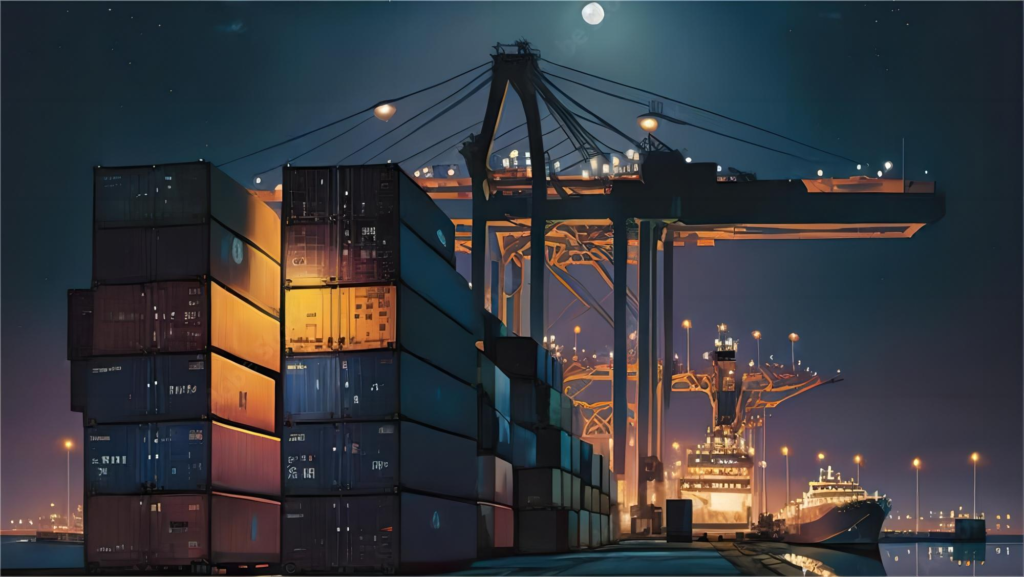
Rail freight has become increasingly popular for China-Europe trade.
Additionally, improved railway networks have shortened transit times while maintaining cost advantages.
| Shipping Method | Average Transit Time | Relative Cost |
|---|---|---|
| Ocean Freight | 30–45 Days | Lowest |
| Rail Freight | 15–25 Days | Medium |
| Air Freight | 3–7 Days | Highest |
Key benefits include:
- Lower costs than air freight
- Faster delivery than ocean freight
- Reliable schedules
- Reduced carbon emissions
- Better budget predictability
As a result, rail freight is often the preferred option for medium-priority cargo.
When Is Air Freight the Better Choice?
Although rail freight offers substantial savings, air freight remains essential for specific situations.
| Cargo Type | Recommended Method |
|---|---|
| Medical Equipment | Air Freight |
| Consumer Electronics | Air Freight |
| Luxury Goods | Air Freight |
| Automotive Parts | Rail Freight |
| Industrial Equipment | Rail Freight |
| Furniture Components | Rail Freight |
Air freight is ideal when:
- Inventory shortages create urgent demand.
- Products have high value.
- Delivery deadlines are critical.
- Production lines depend on immediate replenishment.
Nevertheless, companies should carefully compare costs before selecting air transportation.
How Do Customs Procedures Affect Shipping Costs?
Customs clearance can influence both transit time and overall logistics expenses.
Fortunately, rail freight and air freight require many of the same documents.
Common Documentation
| Required Document | Rail Freight | Air Freight |
|---|---|---|
| Commercial Invoice | Required | Required |
| Packing List | Required | Required |
| Transport Document | Required | Required |
| Customs Declaration | Required | Required |
| Certificate of Origin | Sometimes | Sometimes |
Additionally, accurate documentation helps avoid inspections and storage fees. Consequently, experienced freight forwarders can significantly reduce customs-related risks.
Compare Rail Freight and Air Freight Shipping Costs by Cargo Type
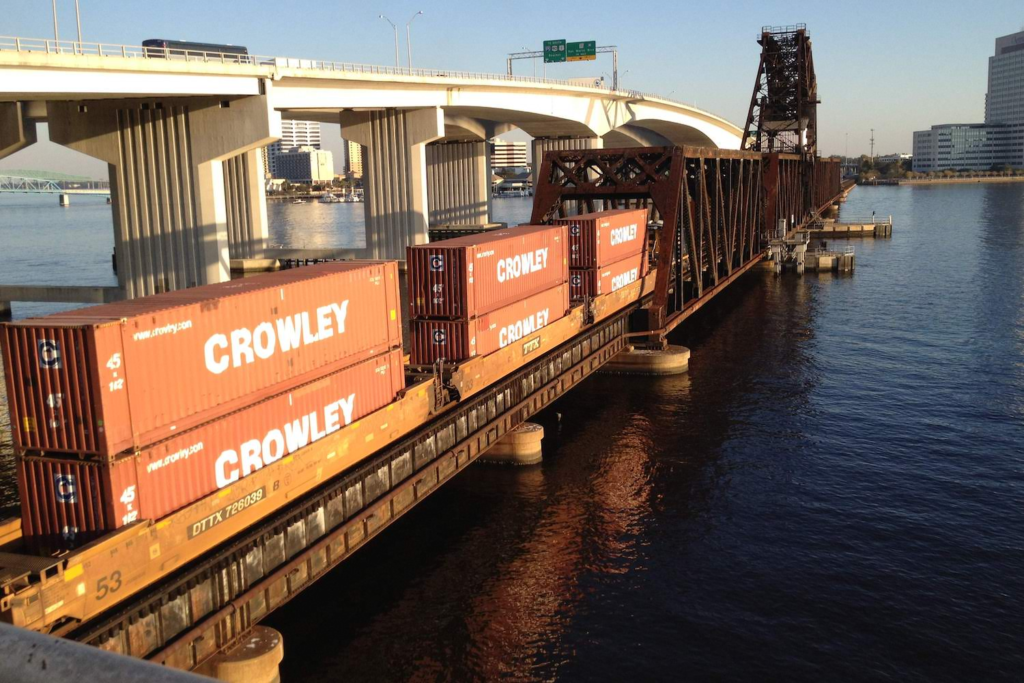
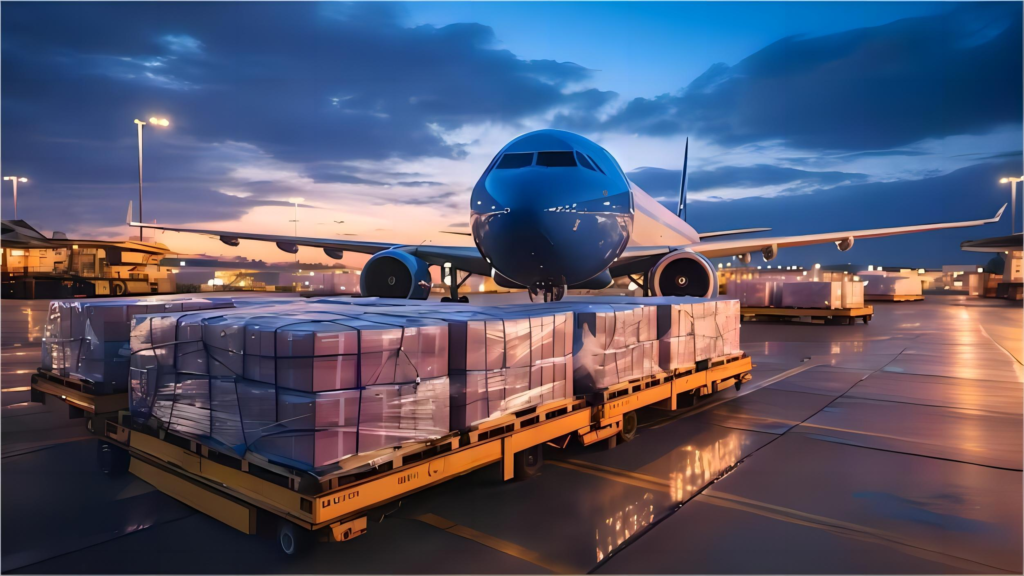
Different cargo categories require different transportation strategies.
Therefore, businesses should match shipping methods to cargo characteristics.
| Cargo Type | Rail Freight | Air Freight |
|---|---|---|
| Electronics | Excellent | Excellent |
| Machinery | Excellent | Limited |
| Automotive Parts | Excellent | Good |
| Fashion Products | Good | Excellent |
| Medical Supplies | Moderate | Excellent |
| Industrial Goods | Excellent | Limited |
Furthermore, rail freight becomes increasingly economical as shipment size grows. Conversely, air freight costs rise rapidly with additional weight.
Case Study: Cost Comparison for Real Shipments
Case Card 1
| Item | Details |
|---|---|
| Origin | Shenzhen, China |
| Destination | Hamburg, Germany |
| Cargo | Consumer Electronics |
| Transit Time | 18 Days |
| Cost | USD 8,900 |
| Transportation Method | Rail Freight |
| Customs Clearance | China export and Germany import clearance |
| Brief Overview | Reduced logistics costs by approximately 55% compared with previous air shipments while maintaining inventory availability. |
Case Card 2
| Item | Details |
|---|---|
| Origin | Guangzhou, China |
| Destination | Paris, France |
| Cargo | Fashion Products |
| Transit Time | 5 Days |
| Cost | USD 21,500 |
| Transportation Method | Air Freight |
| Customs Clearance | Airport customs clearance with broker support |
| Brief Overview | Met seasonal retail deadlines and prevented stock shortages despite higher transportation costs. |
How Can Businesses Reduce Freight Costs?
Reducing freight expenses requires a combination of planning and mode selection.
Practical Cost-Saving Strategies
- Consolidate shipments whenever possible.
- Use rail freight for medium-priority cargo.
- Avoid peak-season bookings.
- Prepare customs documents accurately.
- Partner with experienced freight forwarders.
- Utilize multimodal transportation solutions.
Furthermore, forecasting inventory demand improves transportation planning and prevents costly emergency air shipments.
Consequently, businesses gain greater control over logistics budgets while maintaining customer satisfaction.
Conclusion
When businesses compare rail freight and air freight shipping costs, they often discover that rail freight provides substantial savings while maintaining reliable transit times. Meanwhile, air freight remains the preferred solution for urgent and high-value cargo.
Therefore, the best shipping method depends on cargo urgency, shipment value, and budget goals. By evaluating total logistics costs and transit requirements, companies can choose the most efficient transportation strategy for international trade.
Need help compare rail freight and air freight shipping costs for your shipments? Contact our logistics specialists today for a customized transportation plan and competitive freight quote tailored to your cargo requirements.
FAQs
Is rail freight cheaper than air freight?
Yes. Rail freight generally costs 40–70% less than air freight on major China-Europe routes while still providing reliable transit schedules.
How long does rail freight take compared with air freight?
Rail freight usually requires 15–25 days, whereas air freight normally takes 3–7 days depending on route and customs processing.
Is rail freight suitable for Amazon FBA shipments?
Yes. Rail freight for Amazon FBA shipments offers a balance between transportation cost and delivery speed, especially for planned inventory replenishment.
What documents are needed for rail and air freight?
Most shipments require a commercial invoice, packing list, transport document, and customs declaration. Additional certificates may be necessary for certain products.
How can businesses reduce international shipping costs?
Companies can consolidate shipments, choose rail freight when possible, prepare accurate documentation, and work with experienced freight forwarding services.