

- By Jaxin
- July 6, 2026
- Amazon FBA
Introduction
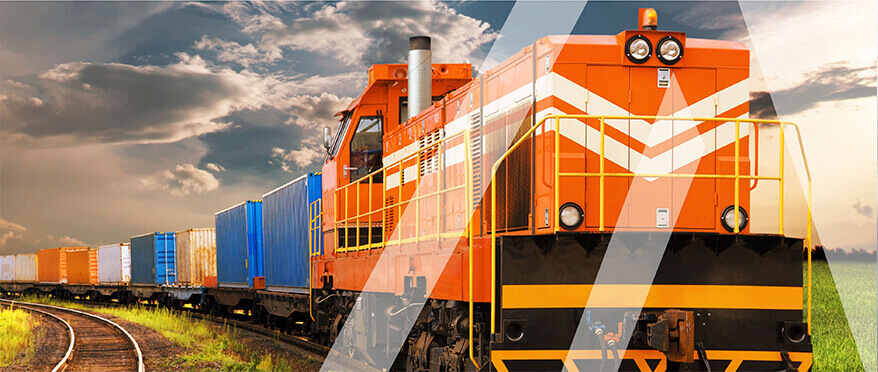
Compare rail freight and sea freight for urgent cargo is a common challenge for businesses facing tight delivery deadlines. A delayed shipment can lead to stock shortages, production interruptions, and lost sales opportunities. Meanwhile, transportation costs continue to fluctuate, making the decision even more complex.
Fortunately, understanding the strengths and limitations of each shipping method can help companies make smarter logistics decisions. This guide explains transit times, costs, reliability, customs procedures, and real-world use cases so you can select the most suitable option for your urgent cargo.
What Is the Difference Between Rail Freight and Sea Freight?
Rail freight and sea freight are two of the most popular international transportation methods, especially for shipments between China and Europe.
| Factor | Rail Freight | Sea Freight |
|---|---|---|
| Transit Time | 12–25 Days | 30–50 Days |
| Cost | Medium | Lowest |
| Schedule Reliability | High | Medium |
| Environmental Impact | Lower | Low |
| Cargo Visibility | High | Medium |
| Urgent Cargo Suitability | Excellent | Limited |
Moreover, rail freight provides a balance between speed and affordability. Sea freight, however, remains the most economical option for bulk cargo that is not time-sensitive.
Therefore, businesses must evaluate delivery deadlines before choosing a transport mode.
Why Compare Rail Freight and Sea Freight for Urgent Cargo?
Urgent cargo requires a transportation solution that minimizes delays while controlling logistics expenses.
Common Urgent Cargo Types
- Electronics
- Automotive components
- Industrial machinery parts
- Medical equipment
- Retail inventory replenishment
- Amazon FBA products
Furthermore, many companies experience unexpected demand spikes. Consequently, they need a shipping solution faster than ocean freight but less expensive than air freight.
Impact of Delivery Delays
| Business Impact | Result |
|---|---|
| Inventory Shortage | Lost Sales |
| Production Delay | Manufacturing Downtime |
| Seasonal Product Delay | Missed Market Opportunities |
| Contract Violations | Financial Penalties |
As a result, choosing the correct transportation method becomes a strategic business decision rather than a simple logistics choice.
How Does Transit Time Compare for Urgent Cargo Shipments?
Transit time is often the most important factor when evaluating urgent cargo transportation solutions.
Rail Freight Transit Time
Rail freight between China and Europe typically requires:
| Route | Transit Time |
|---|---|
| China to Germany | 14–18 Days |
| China to Poland | 12–16 Days |
| China to France | 16–20 Days |
| China to Spain | 18–24 Days |
Sea Freight Transit Time
Ocean freight generally takes:
| Route | Transit Time |
|---|---|
| China to Germany | 35–45 Days |
| China to Poland | 35–48 Days |
| China to France | 35–50 Days |
| China to Spain | 40–55 Days |
Additionally, port congestion can significantly extend ocean transit times. Rail freight, on the other hand, operates on fixed schedules and is less vulnerable to weather-related disruptions.
Therefore, businesses requiring faster inventory replenishment often prefer rail transport.
Which Option Offers Better Cost Efficiency?
Cost is another major consideration when comparing transportation methods.
Typical Cost Comparison
| Shipping Mode | Relative Cost |
|---|---|
| Sea Freight | 1x |
| Rail Freight | 1.5x–2.5x |
| Air Freight | 5x–10x |
Although sea freight remains cheaper, the hidden costs of delayed inventory can be substantial.
Hidden Costs of Longer Transit Times
- Warehouse stock shortages
- Production downtime
- Emergency air freight expenses
- Customer dissatisfaction
- Lost revenue opportunities
Furthermore, rail freight often reduces overall supply chain costs by shortening lead times. Consequently, many companies find that the higher freight charge is offset by improved inventory turnover.
Compare Rail Freight and Sea Freight for Urgent Cargo: Reliability and Risk Factors
Reliability directly affects supply chain performance.
Rail Freight Advantages
- Fixed departure schedules
- Faster border processing
- Reduced weather disruptions
- Better cargo tracking visibility
Sea Freight Challenges
- Port congestion
- Vessel schedule changes
- Container rollovers
- Seasonal peak delays
| Risk Factor | Rail Freight | Sea Freight |
|---|---|---|
| Port Congestion | None | High |
| Weather Impact | Medium | High |
| Schedule Stability | High | Medium |
| Cargo Visibility | High | Medium |
Moreover, rail freight generally provides more predictable transit times. Nevertheless, sea freight remains suitable for cargo without strict delivery requirements.
How Do Customs Clearance Procedures Differ?
Customs efficiency plays a critical role in urgent cargo transportation.
Rail Freight Customs Process
Rail shipments typically pass through designated border terminals where customs authorities process cargo electronically.
Advantages include:
- Faster documentation review
- Simplified border inspections
- Digital tracking systems
Sea Freight Customs Process
Ocean cargo usually involves:
- Port arrival procedures
- Terminal handling
- Container release processes
- Customs inspections
Documentation Checklist
| Document | Rail Freight | Sea Freight |
|---|---|---|
| Commercial Invoice | Required | Required |
| Packing List | Required | Required |
| Bill of Lading | No | Required |
| Rail Waybill | Required | No |
| Customs Declaration | Required | Required |
| Import Permits | If Applicable | If Applicable |
Additionally, accurate documentation reduces clearance delays regardless of transportation mode.
Case Study: Urgent Electronics Shipment from China to Europe
📦 Case Study Card 1
| Item | Details |
|---|---|
| Origin | Shenzhen, China |
| Destination | Duisburg, Germany |
| Cargo | Consumer Electronics |
| Transit Time | 16 Days |
| Cost | USD 8,600 |
| Transportation Method | Rail Freight |
| Customs Clearance Details | Electronic declaration completed before border arrival |
| Brief Overview | Customer required inventory replenishment before a major sales campaign. Rail freight reduced lead time by more than 20 days compared with sea freight. |
📦 Case Study Card 2
| Item | Details |
|---|---|
| Origin | Yiwu, China |
| Destination | Warsaw, Poland |
| Cargo | Retail Products |
| Transit Time | 14 Days |
| Cost | USD 7,200 |
| Transportation Method | Rail Freight |
| Customs Clearance Details | Centralized customs processing at border terminal |
| Brief Overview | Seasonal inventory needed urgent delivery. Rail freight avoided stock shortages and eliminated the need for costly air freight. |
📦 Case Study Card 3
| Item | Details |
|---|---|
| Origin | Ningbo, China |
| Destination | Hamburg, Germany |
| Cargo | Industrial Components |
| Transit Time | 42 Days |
| Cost | USD 4,100 |
| Transportation Method | Sea Freight |
| Customs Clearance Details | Standard port customs inspection |
| Brief Overview | Customer prioritized transportation cost over delivery speed and selected ocean freight for non-urgent cargo. |
When Should Businesses Choose Rail Freight Instead of Sea Freight?
Choosing the correct transport mode depends on shipment priorities.
Rail Freight Is Ideal When:
- Delivery deadlines are strict
- Inventory replenishment is urgent
- Cargo value is relatively high
- Supply chain reliability is essential
- Air freight costs are too expensive
Sea Freight Is Ideal When:
- Cost minimization is the primary goal
- Transit time is flexible
- Cargo volume is very large
- Seasonal demand pressure is low
Therefore, companies should evaluate total supply chain costs rather than transportation costs alone.
Conclusion
Businesses that need to compare rail freight and sea freight for urgent cargo should focus on transit time, reliability, customs efficiency, and overall supply chain impact. While sea freight remains the most economical transportation method, rail freight provides significantly faster delivery and greater schedule stability. Moreover, rail transportation can help businesses avoid inventory shortages, production delays, and expensive emergency shipments. Consequently, rail freight often becomes the most cost-effective solution when urgency and reliability are critical.
FAQ
Q1: Is rail freight faster than sea freight for urgent cargo?
Yes. Rail freight typically delivers cargo between China and Europe within 12–25 days. Meanwhile, sea freight often requires 30–50 days, making rail a preferred option for time-sensitive shipments.
Q2: Is rail freight more expensive than sea freight?
Yes. Rail freight generally costs 1.5 to 2.5 times more than ocean freight. However, faster delivery can reduce inventory carrying costs and prevent stock shortages.
Q3: What cargo is best suited for rail freight?
Electronics, automotive parts, machinery components, medical products, and urgent retail inventory are ideal. Additionally, rail freight supports reliable inventory replenishment and faster market response.
Q4: What documents are required for rail freight customs clearance?
Most rail shipments require a commercial invoice, packing list, rail waybill, and customs declaration. Furthermore, some products may require import permits or compliance certificates.
Q5: How do I choose a freight forwarder for urgent cargo?
Select a freight forwarder with strong rail freight networks, customs expertise, cargo tracking systems, and experience handling urgent shipments. Moreover, verify their transit-time performance and customer support capabilities.