

Comprehensive China Air Sea Rail Freight Logistics Solution for 2026
Choosing the right china air sea rail freight logistics solution is critical for businesses looking to maintain a competitive edge in 2026. Navigating the complexities of international trade requires a strategic approach that balances speed, cost, and reliability. At alichinafreight.com, we provide comprehensive shipping strategies designed to streamline your global supply chain operations efficiently.
What defines a complete china air sea rail freight logistics solution?
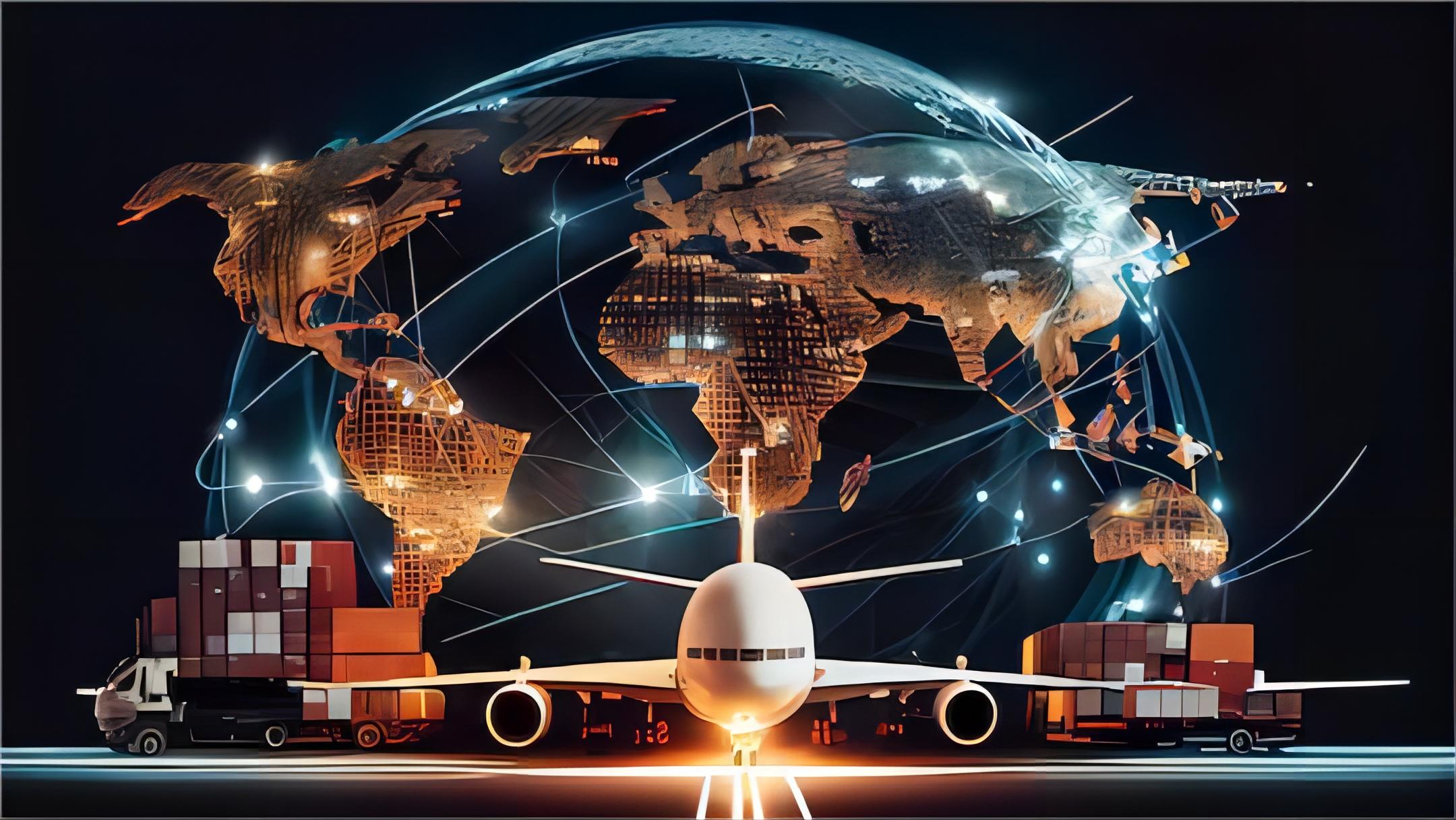
A robust china air sea rail freight logistics solution integrates multiple transport modes to address diverse shipping needs. Moreover, this multi-modal approach allows businesses to shift between air, sea, and rail depending on market fluctuations and inventory requirements. Consequently, shippers can optimize their transit times while keeping overall shipping costs within a manageable budget.
In addition, the 2026 logistics landscape demands greater transparency and real-time tracking across all transport channels. Therefore, a modern solution must include sophisticated digital tools that provide end-to-end visibility. As a result, importers can better manage their delivery schedules and respond quickly to any potential disruptions in the global supply chain.
How Does Sea Freight Compare to Other Shipping Options?
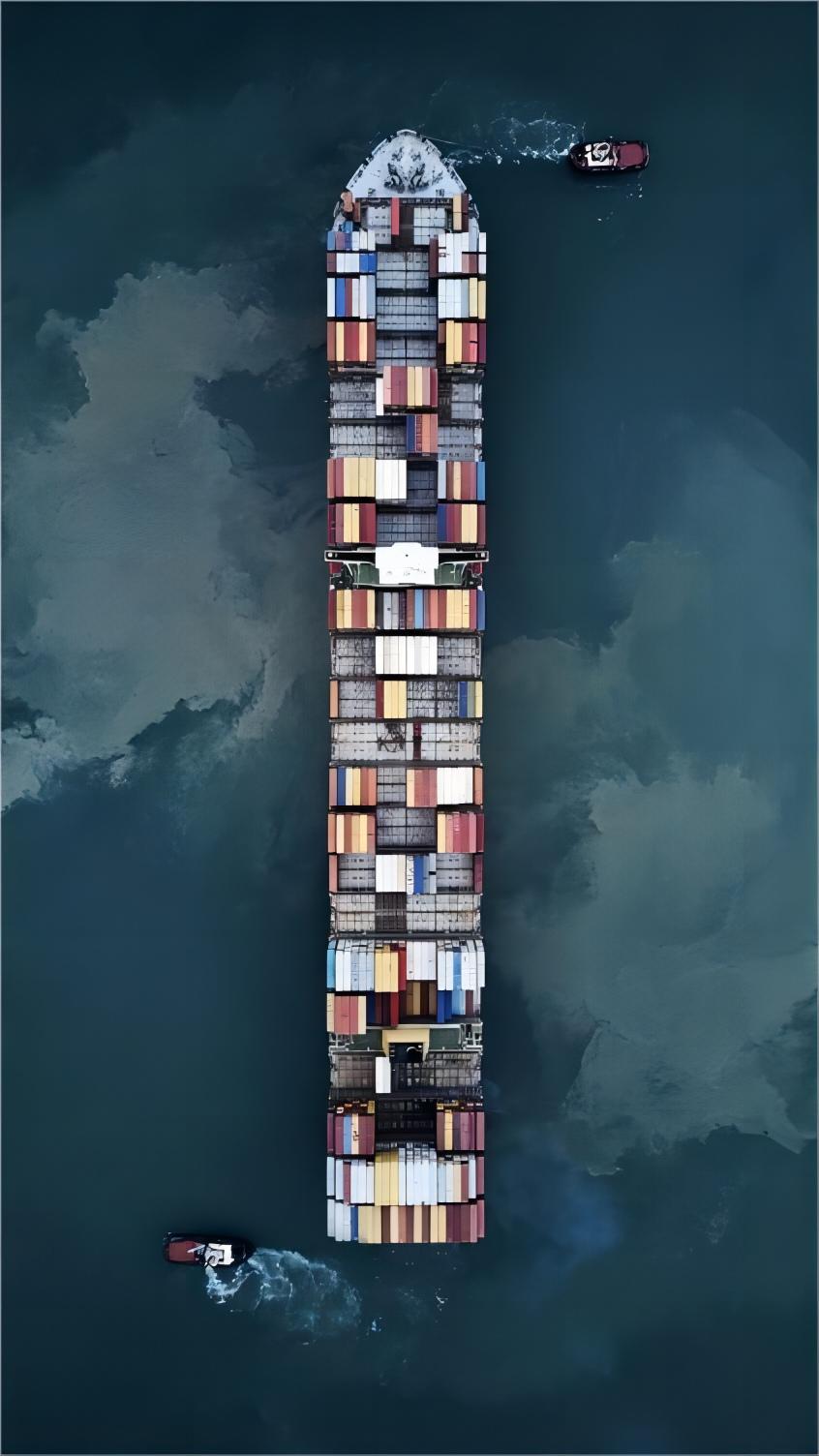
Understanding the differences between transport modes is the first step in selecting the most effective logistics strategy. While sea freight remains the most cost-effective method for bulk cargo, it offers the longest transit times compared to air or rail. On the other hand, air freight provides unmatched speed for urgent shipments but comes at a significantly higher price point.
Meanwhile, rail freight has emerged as a middle-ground alternative that offers a balance of speed and affordability for Eurasian routes. Indeed, many businesses now use a combination of these methods to create a hybrid logistics model. To help you decide, consider the following comparison of the primary shipping methods available in 2026.
| Shipping Method | Cost Range | Transit Time | Best For | Limitations |
|---|---|---|---|---|
| Sea Freight | Low ($1500-$4500) | 25-45 Days | Bulk goods and FCL | Slowest transit time |
| Air Freight | High ($5-$12/kg) | 3-7 Days | High-value electronics | Strict weight limits |
| Rail Freight | Medium ($2000-$6000) | 15-22 Days | China to Europe cargo | Land-based routes only |
| Express Service | Very High | 2-5 Days | Small parcels/samples | Highest cost per kg |
Why sea freight is the foundation of a china air sea rail freight logistics solution
For the majority of global trade, sea freight continues to be the most reliable and scalable option for heavy cargo. Furthermore, the introduction of larger, more fuel-efficient vessels in 2026 has helped stabilize ocean freight rates despite fluctuating energy costs. Consequently, businesses moving large volumes of furniture, machinery, or raw materials find this mode indispensable.
Additionally, the flexibility between Full Container Load (FCL) and Less than Container Load (LCL) allows smaller businesses to access global markets. However, it is important to account for port processing times and potential weather delays when planning your inventory cycles. Nevertheless, the low cost per unit makes sea transport the preferred choice for long-term supply chain stability.
The strategic advantages of utilizing air freight for urgent cargo
When time is of the essence, air freight serves as the fastest component of any china air sea rail freight logistics solution. Moreover, this method significantly reduces the risk of theft and damage, making it ideal for delicate or high-value items. Therefore, industries such as pharmaceuticals and high-tech manufacturing rely heavily on air transport to meet tight deadlines.
In contrast to sea transport, air cargo allows for much smaller inventory buffers due to the rapid delivery cycles. Consequently, businesses can reduce their warehousing costs and improve cash flow by moving products more frequently. For instance, launching a new product line often requires the speed of air freight to capture market demand before competitors can react.
When to choose rail freight as your primary logistics solution
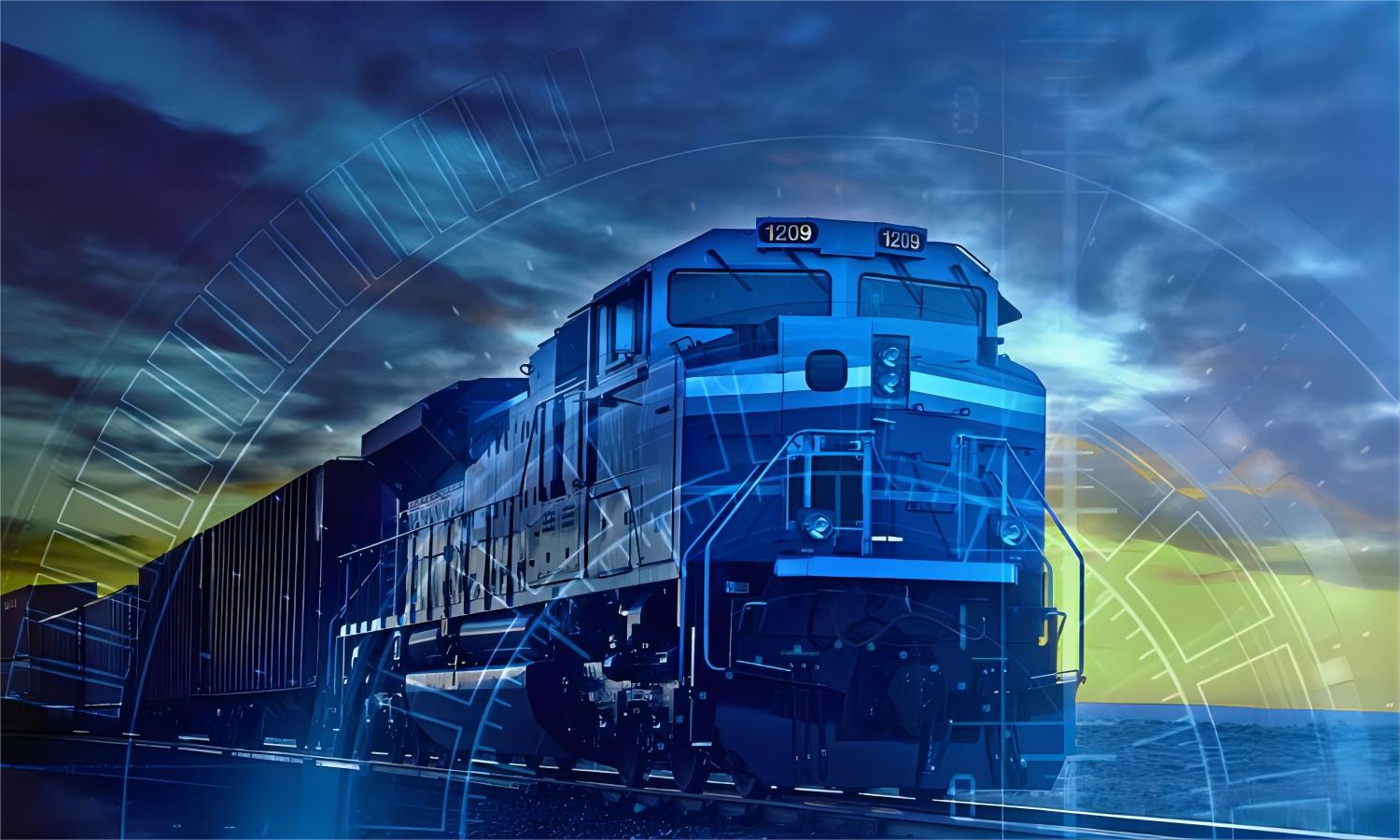
Many companies shipping between China and Europe now prefer rail freight because it bridges the gap between sea and air. Furthermore, the rail network offers more consistent schedules that are less affected by the maritime congestion seen in early 2026. Indeed, it is approximately 50 percent faster than sea freight while being roughly 60 percent cheaper than air transport.
Additionally, rail transport is often cited as a more environmentally friendly alternative to air cargo. Consequently, it appeals to businesses looking to improve their sustainability metrics without sacrificing too much speed. However, rail solutions are geographically limited to the Eurasian land bridge, meaning they are not an option for North American or Australian routes.
Real-World Case Studies: 2026 Logistics Success Stories
Case Study 1: Electronics from Shenzhen to Hamburg. Route: Shenzhen, China to Hamburg, Germany. Cargo: Consumer Electronics, 68 CBM, 12000 kg. Container: 40HQ. Shipping Details: Major carrier via Suez Canal. Cost Breakdown: Ocean Freight: $3,950; Origin Charges: $450; Destination Charges: $600; Total Landed Cost: $5,000. Timeline: Booking to Loading: 4 days; Sea Transit: 32 days; Customs: 2 days; Total Door-to-Door: 38 days. Key Insight: Early booking in Q1 2026 secured a rate 15 percent below the seasonal peak.
Case Study 2: Apparel from Ningbo to Los Angeles. Route: Ningbo, China to Los Angeles, USA. Cargo: Fashion Apparel, 12 CBM. Container: LCL. Shipping Details: Direct service to Port of LA. Cost Breakdown: Ocean Freight: $1,100; Origin Charges: $300; Destination Charges: $400; Total Landed Cost: $1,800. Timeline: Booking to Loading: 3 days; Sea Transit: 16 days; Customs: 3 days; Total Door-to-Door: 22 days. Key Insight: Using LCL allowed the client to maintain weekly shipments without waiting to fill a full container.
Managing customs brokerage and documentation for a seamless china air sea rail freight logistics solution
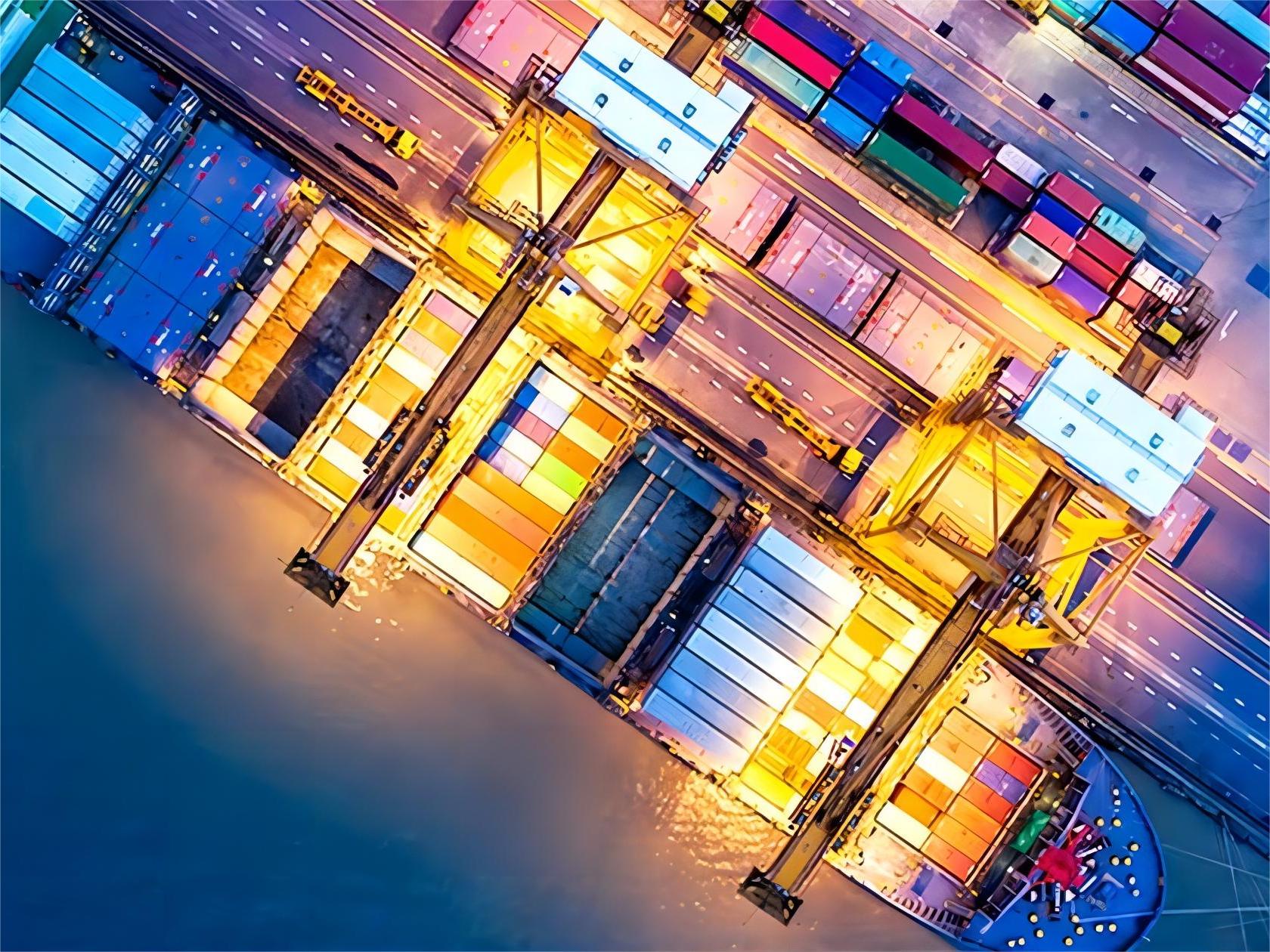
Efficient customs brokerage is a fundamental part of preventing delays at international borders. Moreover, the complexity of 2026 trade regulations requires precise documentation, including commercial invoices, packing lists, and certificates of origin. Therefore, working with an expert who understands the nuances of local customs laws is essential for avoiding costly penalties.
Furthermore, automated customs filing systems have become the standard for modern logistics providers. Consequently, the time required for cargo handling at ports of entry has decreased, provided all paperwork is accurate. As a result, a well-managed customs process ensures that your china air sea rail freight logistics solution remains truly door-to-door.
Which Option Should You Choose? A Decision Framework
Selecting the right method depends on your specific business priorities. If your primary goal is budget optimization, sea freight is almost always the best choice for large shipments. However, if you are dealing with a stockout or a seasonal launch, the speed of air freight justifies the additional investment. Meanwhile, rail freight should be your go-to for mid-range urgency on European routes.
Consider the volume of your cargo as well. For shipments under 15 CBM, LCL shipping is often more economical than paying for a full 20GP container. Conversely, once you exceed 15 CBM, the security and per-unit cost of FCL make it the superior option. Always evaluate the total landed cost rather than just the freight rate to make an informed decision.
| Priority | Recommended Method | Volume Threshold | Key Benefit |
|---|---|---|---|
| Lowest Cost | Sea Freight (FCL) | Over 15 CBM | Economies of scale |
| Maximum Speed | Air Freight | Any Volume | Fast market entry |
| Balanced Value | Rail Freight | Over 2 CBM | Reliable schedules |
| Small Shipments | Sea Freight (LCL) | Under 15 CBM | Pay only for space used |
Maximizing efficiency with door to door logistics services
A comprehensive door to door service simplifies the entire shipping process by handling every stage of the journey. Furthermore, this approach reduces the administrative burden on your team, as you only have to deal with a single point of contact. Consequently, you can focus on growing your business while logistics professionals manage the pickup, transport, and final delivery.
In addition, door-to-door solutions often include insurance and cargo handling, providing extra peace of mind. Therefore, this service is particularly beneficial for companies that do not have a dedicated logistics department. Indeed, the integration of all steps into one solution ensures that your cargo moves through the supply chain with minimal friction.
Final thoughts on selecting a china air sea rail freight logistics solution
To summarize, finding the perfect china air sea rail freight logistics solution requires a deep understanding of your cargo needs and the current market environment. Whether you prioritize the cost-effectiveness of sea freight, the speed of air cargo, or the balanced approach of rail transport, each mode offers unique advantages for your 2026 operations.
By partnering with an experienced freight forwarder, you can navigate these choices with confidence and ensure your goods arrive on time and within budget. Ultimately, a flexible and well-planned logistics strategy is the key to long-term success in the global marketplace.
Get Your Shipping Quote Today
Are you ready to optimize your supply chain with a custom china air sea rail freight logistics solution? Contact our expert team today to receive a personalized quote and discover the most efficient way to move your cargo in 2026. Visit alichinafreight.com to get started.
Frequently Asked Questions
What is the cheapest way to ship from China in 2026?
Sea freight remains the most economical option for large volumes. Specifically, FCL shipping offers the lowest per-unit cost for shipments over 15 CBM, while LCL is better for smaller loads.
How long does rail freight take from China to Europe?
Typical transit times for rail freight range from 15 to 22 days. This depends on the specific origin city in China and the final destination in Europe, such as Germany or Poland.
Is air freight worth the cost for electronics?
Yes, air freight is often preferred for electronics due to high product value and short lifecycles. It minimizes transit time and reduces the risk of damage or theft during the journey.
Can I ship to Australia using rail freight?
No, rail freight is not a viable option for Australia due to geographic constraints. Shippers must use sea or air freight for all routes connecting China to the Australian continent.
What documents are needed for China customs clearance?
You generally need a commercial invoice, packing list, bill of lading, and a certificate of origin. Some specific products may also require safety certificates or import licenses for 2026 compliance.
What is the difference between FCL and LCL?
FCL means you rent an entire container for your goods. LCL involves sharing container space with other shippers, which is more cost-effective for smaller volumes under 15 CBM.
How do freight rates change during peak season?
Rates typically increase by 15 to 25 percent between August and October. This is driven by higher demand for holiday inventory, so booking in advance is highly recommended to save costs.
Does door to door service include customs duties?
Standard door-to-door services usually include transport and clearance but not the actual duties and taxes. However, DDP (Delivered Duty Paid) options are available if you want these costs included.